Death wobble in a Jeep is one of those problems that can turn a fun drive into a nerve-wracking experience. You’re cruising down the road, hit a bump, and suddenly the steering wheel shakes violently. For many Jeep owners, especially those with solid front axles, this is a familiar and frustrating issue.
The good news? You can stop death wobble with the right approach. Let’s look at why it happens, how to fix it, and how to keep your Jeep safe and smooth on the road.
What Is Death Wobble?
Death wobble is a rapid, uncontrolled shaking of the front wheels. It usually happens after hitting a bump at speeds above 40 mph. The vibration is so strong that you may need to pull over to stop it. While it’s most common in Jeep Wranglers (especially after lifting or modifying the suspension), it can happen in any vehicle with a solid front axle.
Common Causes Of Death Wobble
Many owners believe death wobble comes from one part, but it’s often a combination of problems. Here are the most common causes:
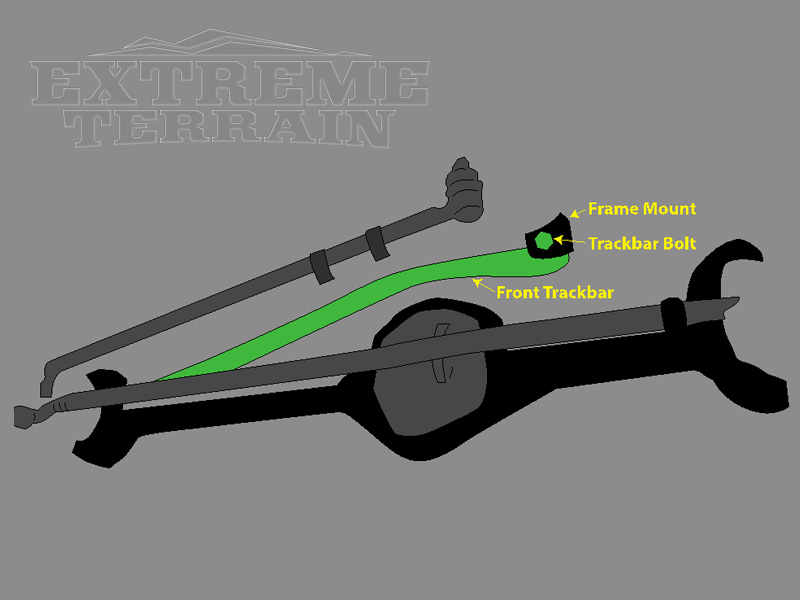
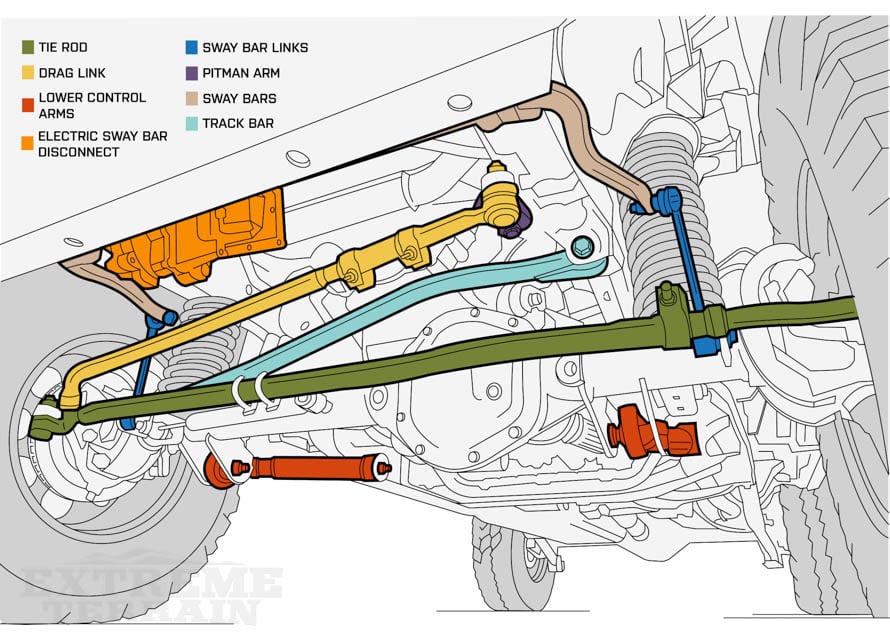
- Worn track bar bushings: The track bar keeps the axle centered. If its bushings or bolts are loose, the axle moves, causing wobble.
- Loose tie rod ends: These connect the steering system. If they’re worn, steering becomes unstable.
- Bad ball joints: Ball joints let your wheels turn. Worn ball joints cause extra movement.
- Unbalanced or bent wheels: Damaged wheels or tires make vibration worse.
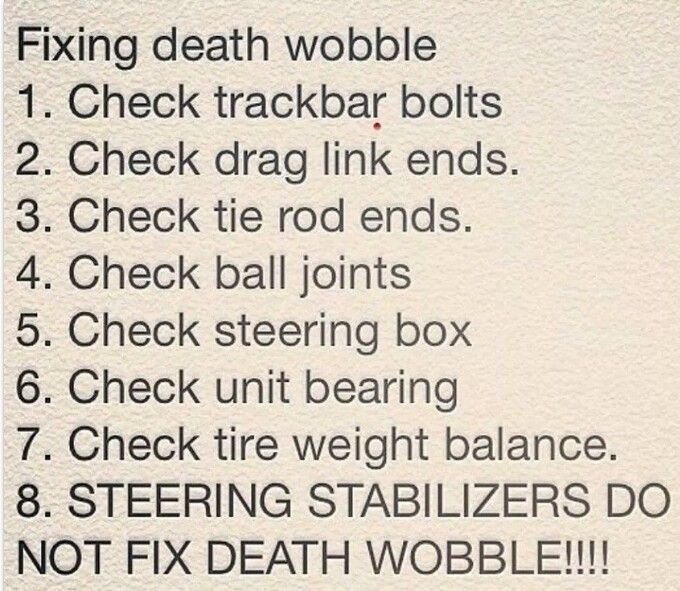
- Steering stabilizer issues: While not the main cause, a weak stabilizer can’t hide other problems.
Less obvious causes include worn control arm bushings, uneven tire pressure, or poor alignment. Beginners often miss these when checking for issues.
How To Diagnose Death Wobble
Finding the real cause of death wobble takes careful checking. Here’s a step-by-step way to diagnose:
- Inspect the front suspension. Check all bushings, bolts, and joints for wear or movement.
- Shake the wheels. With the Jeep parked, grab each front tire and try moving it at 12 and 6 o’clock, and at 3 and 9 o’clock. Any play means worn parts.
- Look for loose hardware. Check track bar, control arms, and steering box bolts.
- Check tire balance and condition. Uneven wear, bent rims, or missing wheel weights can start a wobble.
- Check the alignment. Toe, caster, and camber angles must be within spec.
A simple checklist can help:
| Part | What to Check | Symptoms |
|---|---|---|
| Track bar | Bushings, bolts | Side-to-side axle movement |
| Tie rods | Ends, tightness | Steering play |
| Ball joints | Excessive play | Wheel shake |
| Wheels/tires | Balance, bends | Vibration |
How To Fix Death Wobble In A Jeep
Solving death wobble means fixing the root cause, not just masking the symptoms. Here’s how:
- Replace worn parts: If you find play in the track bar, tie rods, or ball joints, replace them with quality parts. Cheap replacements often fail quickly.
- Tighten everything: Use a torque wrench to make sure all suspension and steering bolts are at factory specs. Even a small amount of looseness can start a wobble.
- Balance and rotate tires: Make sure all tires are balanced and not damaged. Bent wheels should be replaced.
- Get a professional alignment: After replacing parts, have the alignment set to factory settings. Proper caster angle is important for solid front axles.
- Upgrade the steering stabilizer: While not a cure, a stronger stabilizer can help control minor vibrations after the main issue is fixed.
Here’s a quick comparison of common fixes:
| Fix | Effectiveness | Cost |
|---|---|---|
| Replace track bar | High | $$ |
| Replace tie rods | High | $$ |
| Tire balancing | Medium | $ |
| Upgrade stabilizer | Low/Medium | $$ |
| Professional alignment | High | $$ |
Extra Insights That Save Time
Many beginners only swap the steering stabilizer, hoping it will cure the wobble. In reality, this often just hides deeper issues for a short time. Also, some aftermarket lift kits change suspension angles, making death wobble more likely if not installed properly.
Preventing Future Death Wobble
After fixing your Jeep, take steps to prevent death wobble from returning:
- Check suspension bolts every oil change. Vibrations can loosen hardware over time.
- Rotate and balance tires regularly. Even slight imbalances can trigger shaking.
- Inspect for worn bushings and joints. Replace before they cause problems.
- Avoid cheap lift kits. Choose kits with proper geometry correction.
One often-missed tip: Upgrading control arm bushings to polyurethane can add durability, but they must be greased regularly to prevent squeaks or binding.
Here’s a maintenance schedule for reference:
| Task | Frequency |
|---|---|
| Check suspension bolts | Every oil change |
| Rotate/balance tires | Every 6,000 miles |
| Inspect bushings/joints | Every 12,000 miles |
| Alignment check | Yearly |
When To Get Professional Help
If you’ve checked all parts and the wobble continues, it’s time to see a suspension specialist. Some problems are hard to spot without a lift or special tools. A pro can also check for frame cracks or bent axles, which are rare but serious.
Frequently Asked Questions
What Is The First Thing To Check For Jeep Death Wobble?
The track bar bushings and bolts are the first place to check. They are a common cause and easy to inspect.
Can Death Wobble Be Caused By Tires?
Yes, unbalanced or damaged tires can start a wobble, especially if other parts are already worn.
Is It Safe To Drive With Death Wobble?
No, driving with death wobble is unsafe. It can lead to loss of control and should be fixed before driving again.
Does A Steering Stabilizer Fix Death Wobble?
A steering stabilizer can help reduce vibration, but it does not fix the root problem. The real cause is usually worn or loose parts.
Where Can I Find More Technical Details About Jeep Suspension?
You can find in-depth information at the official Jeep Wrangler Wikipedia page.
Stopping death wobble in a Jeep takes patience and careful inspection, but with the right fixes, you can restore confidence to every drive. Regular checks and quality parts will keep your Jeep safe and stable for years to come.