Removing the spare tire from your Jeep Wrangler is a task that looks simple, but there are details that can trip up beginners. Whether you want to change the tire, upgrade the carrier, or simply clean behind it, knowing the right steps will save you time and prevent damage. This guide walks you through the process with clear instructions, practical tips, and key facts every Jeep owner should know.
Tools And Preparation
Before starting, gather the necessary tools:
- Socket wrench (usually 21mm for stock lug nuts)
- Flathead screwdriver (optional, for trim covers)
- Gloves (for grip and safety)
- Wheel chocks (for added safety)
Safety matters: Always park your Jeep on a flat surface and engage the parking brake. For extra security, use wheel chocks to prevent any movement.
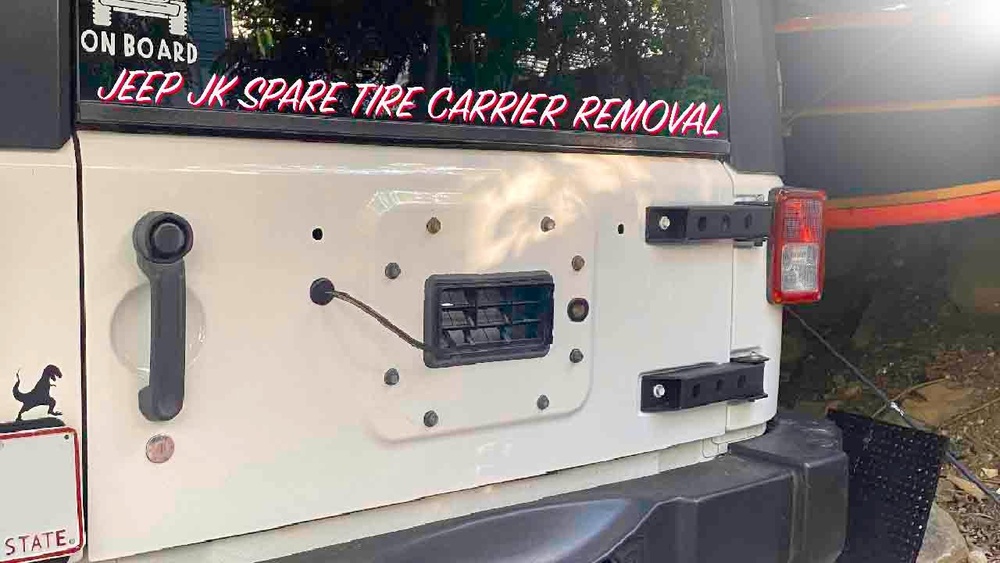
Step-by-step Spare Tire Removal
Follow these steps to remove the spare tire from a Jeep Wrangler:
1. Locate The Spare Tire Carrier
The spare tire is mounted on the rear tailgate, attached by three or five lug nuts (depending on model year).
2. Remove Trim Covers (if Present)
Some Wranglers have plastic covers over the lug nuts. Use a flathead screwdriver to gently pry them off. This prevents scratching the nuts.
3. Loosen Lug Nuts
Use your socket wrench to loosen each lug nut. Turn counterclockwise. Don’t remove them completely yet—just break the tension.
4. Support The Tire
Hold the tire firmly with one hand. This prevents the tire from falling when the last lug nut is removed.
5. Remove Lug Nuts Completely
Take off all lug nuts and set them aside in a safe spot. Missing lug nuts can cause problems later.
6. Pull The Spare Tire Away
Carefully pull the tire straight off the carrier. If it’s stuck, wiggle gently but avoid kicking or forcing it. Rust or dirt can make it stubborn.
7. Inspect The Carrier
Check for rust, damage, or debris. Clean the area before reinstalling a tire or new carrier.
Common Issues And Solutions
Sometimes, the spare tire won’t budge. This usually happens because of rust or corrosion. If so:
- Spray a penetrating oil (like WD-40) on the hub and wait 10 minutes.
- Tap lightly around the base with a rubber mallet—not metal—to loosen it.
Another problem is lost lug nuts. Keep them in a small bag or tray for easy storage.
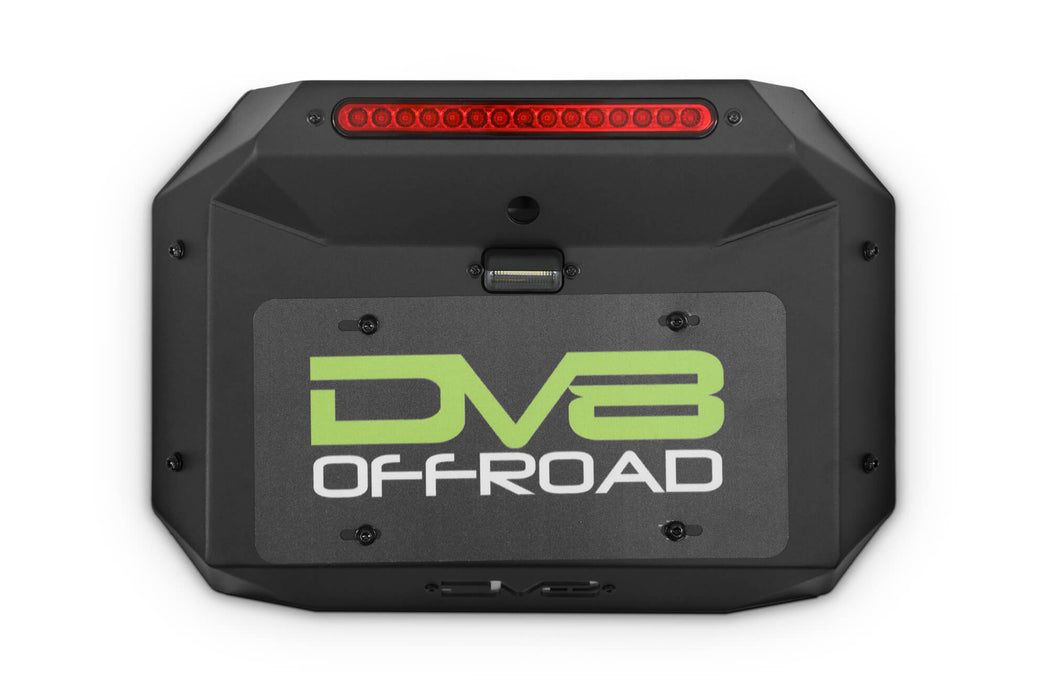
Jeep Wrangler Spare Tire Carrier Comparison
Many owners upgrade their carrier for bigger tires. Here’s a quick comparison of stock vs aftermarket carriers:
| Carrier Type | Max Tire Size | Material | Weight Support |
|---|---|---|---|
| Stock | Up to 33″ | Steel | Up to 60 lbs |
| Heavy-Duty Aftermarket | Up to 37″ | Reinforced Steel/Aluminum | Up to 120 lbs |
If you plan to use larger tires, check the weight rating and fitment before installing.
When To Remove The Spare Tire
There are several reasons to remove your Jeep Wrangler’s spare tire:
- Changing to a new tire size
- Installing a swing-out carrier or bumper
- Cleaning or inspecting for rust
- Repairing the tailgate or backup camera
Not all situations require removal, but regular checks help keep your Jeep in top shape.

Backup Camera Considerations
Modern Jeep Wranglers (2018+) come with a backup camera mounted inside the spare tire hub. Removing the tire doesn’t damage the camera, but you must disconnect the wiring before pulling the tire off.
Here’s how the camera setup differs by model:
| Model Year | Camera Location | Removal Steps |
|---|---|---|
| 2017 & earlier | No camera | Standard tire removal |
| 2018+ | Center of spare tire | Disconnect camera plug before removing tire |
If your Jeep has a camera, check your owner’s manual for the exact plug location.
Tips For Reinstalling The Spare Tire
Putting the spare tire back is just as important as removal. Here are some best practices:
- Align the tire holes with the lug studs before lifting.
- Hand-tighten the lug nuts first, then use a wrench.
- Tighten each lug nut in a star pattern for even pressure.
- If you removed the camera wiring, reconnect it securely.
Tightening in a star pattern prevents uneven pressure and protects your tailgate from stress damage.

Real-world Example
A 2020 Jeep Wrangler owner recently upgraded to 35-inch tires. They found that the stock carrier couldn’t handle the weight, leading to tailgate flex. By switching to a heavy-duty carrier rated for 120 lbs, they avoided damage and improved stability. This shows the importance of checking weight ratings before installation.
Jeep Spare Tire Removal Statistics
- Over 70% of Jeep Wrangler owners remove their spare tire at least once a year for maintenance or upgrades.
- Improper removal is a top cause of tailgate damage, especially when upgrading tire size.
- Aftermarket carriers reduce tailgate stress by up to 40% (according to Quadratec).
Frequently Asked Questions
How Often Should I Remove The Jeep Wrangler Spare Tire For Inspection?
It’s wise to remove the spare tire at least once a year. Regular checks help spot rust or damage early, especially if you drive in wet or muddy conditions.
Can I Use Standard Tools To Remove The Spare Tire?
Yes, you can use a socket wrench and basic hand tools. Most Jeep Wranglers use 21mm lug nuts, but check your owner’s manual for your specific size.
What Should I Do If The Spare Tire Is Stuck?
Spray penetrating oil (like WD-40) on the hub, wait 10 minutes, and gently wiggle the tire. If needed, tap around the base with a rubber mallet. Avoid forceful kicks, as this can bend the carrier.
Will Removing The Spare Tire Affect My Backup Camera?
For 2018 and newer Wranglers, the camera is mounted in the spare tire hub. You must disconnect the camera wiring before removing the tire. Older models do not have this issue.
Is It Safe To Drive Without A Spare Tire?
It’s legal, but not recommended. A missing spare leaves you unprepared for emergencies, especially off-road. Always reinstall the spare or carry a repair kit.
Removing the Jeep Wrangler spare tire is a straightforward process with the right tools and a bit of care. By following these steps and checking your carrier’s rating, you keep your Jeep in great shape and ready for any adventure.
Whether you’re upgrading, cleaning, or fixing, understanding these details helps you avoid mistakes and keeps your vehicle safe.