Getting stuck off-road is almost a rite of passage for Jeep owners. When adventure turns into trouble, a winch becomes your best friend. But many beginners make mistakes that can damage their Jeep or create dangerous situations. Knowing how to winch a Jeep safely and efficiently is essential—not only to get unstuck but to protect yourself, your vehicle, and others. This guide walks you through the process, explains important equipment, and shares practical insights most new users miss.
Essential Winch Equipment
Before you attempt any recovery, make sure you have the right gear. The basics include:
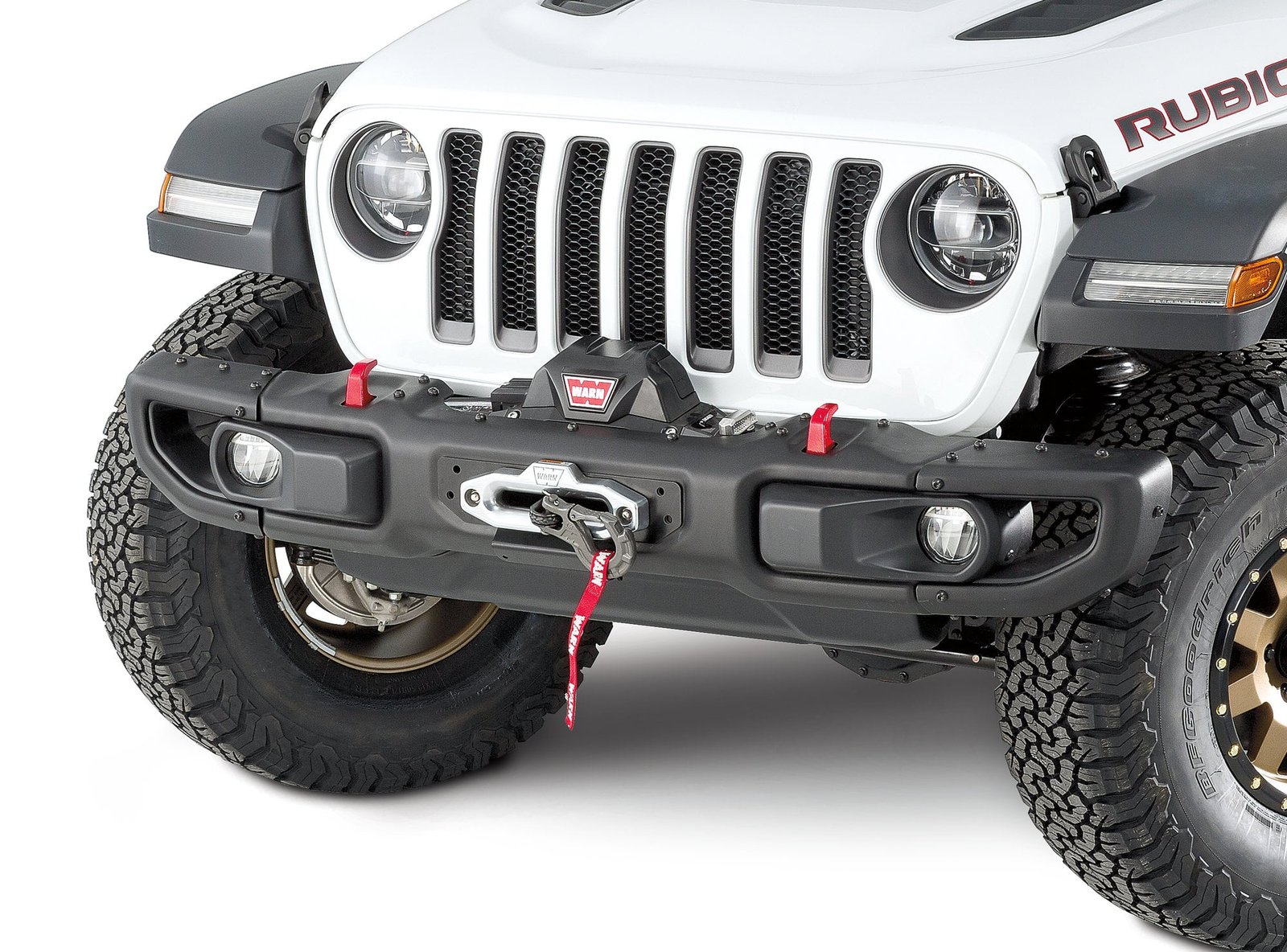
- Winch (rated for your Jeep’s weight)
- Winch cable (steel or synthetic)
- Recovery straps
- D-shackles
- Gloves
- Snatch block
- Tree saver strap
- Remote control
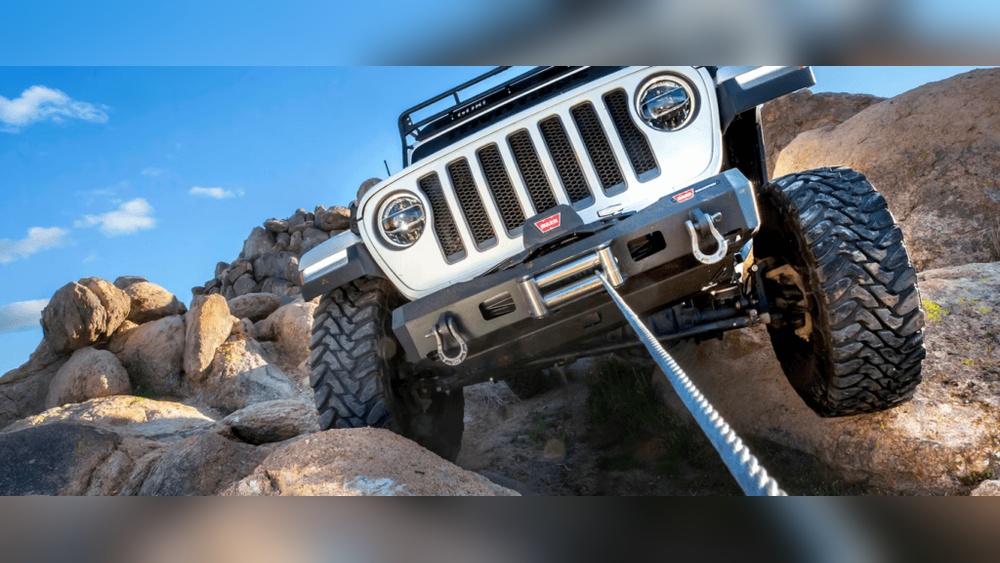
A winch should have at least 1.5 times your Jeep’s weight in pulling power. For example, a Jeep Wrangler weighing 4,000 lbs needs a winch rated for at least 6,000 lbs. Most off-roaders use 8,000–10,000 lb winches for extra safety.
| Winch Type | Pros | Cons |
|---|---|---|
| Steel Cable | Durable, cheap | Heavy, can snap dangerously |
| Synthetic Rope | Lightweight, safer | Costly, sensitive to abrasion |
Preparing For Winching
- Assess the situation. Is your Jeep stuck in mud, sand, snow, or on rocks? Each requires different approaches. Check for safe anchor points—trees, rocks, or another vehicle.
- Wear gloves. Handling cables can cause cuts or burns.
- Clear the area. Make sure bystanders are at least 20 feet away from the winch line.
- Choose the right anchor. A solid anchor is critical. If using a tree, wrap a tree saver strap around the base to avoid damaging it.
Setting Up The Winch
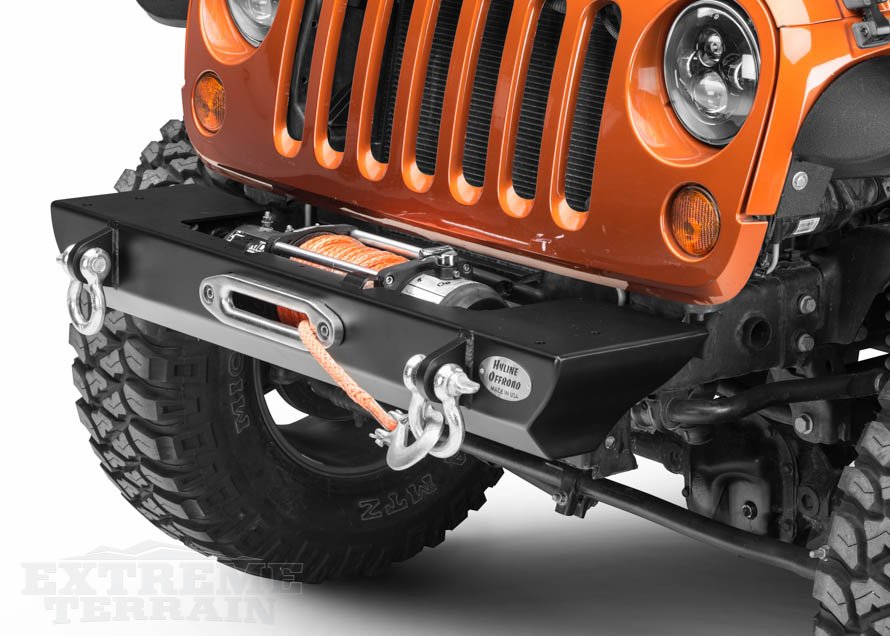
- Unspool the cable. Use the winch remote. Never let it tangle or knot.
- Attach the cable to the anchor. Use a D-shackle or snatch block for extra mechanical advantage.
- Check alignment. The cable should be straight, not pulling at an angle.
- Engage the winch clutch. Set it to the “engaged” position before starting.
| Anchor Type | Strength | Common Use |
|---|---|---|
| Tree | Very strong | Forests, trails |
| Rock | Strong | Mountain terrain |
| Vehicle | Varies | Group recovery |
Winching Your Jeep
- Double-check connections. Make sure all shackles are tight and the cable isn’t frayed.
- Start winching slowly. Use the remote to pull your Jeep gently. Don’t rush—slow steady movement avoids damage.
- Monitor cable tension. If the winch strains or cable starts to slip, stop immediately.
- Use a snatch block if needed. This tool changes the direction of pull or doubles the winch’s force.
- Keep wheels straight. This reduces resistance and helps the Jeep climb out smoothly.
- Watch for obstacles. Rocks or roots can cause sudden jerks. Pause and clear them if possible.
- Stop once unstuck. Don’t over-pull. Disconnect the cable and spool it back neatly.
| Winching Speed | Risk Level | Recommended? |
|---|---|---|
| Slow | Low | Yes |
| Fast | High | No |
Common Mistakes To Avoid
- Winching at an angle: This puts stress on the cable and winch.
- Overloading the winch: Always stay within the rated capacity.
- Ignoring cable condition: Frayed or damaged cables can snap.
- Standing too close: Stay clear of the winch line during operation.
- Failing to use a damper: Place a recovery damper or heavy jacket on the cable to reduce whip if it breaks.
Many beginners forget to clean and inspect their winch after use. Mud and water can cause rust, leading to failure next time.
Always rinse and dry your gear, and check for damage.
Practical Tips And Insights
- Synthetic rope is easier to handle and safer, but keep it clean and out of direct sunlight.
- Snatch blocks multiply pulling force—ideal if your Jeep is deeply stuck.
- Winch remotes give you distance—never operate close to the cable.
- For very deep mud, consider using multiple anchor points or “double winching.”
- If your Jeep is sliding sideways, winch in short bursts and reposition the cable as needed.
- Always carry a recovery kit—don’t rely on just the winch.
Some Jeep owners try to winch without proper training. Consider watching videos or attending an off-road recovery class for best practices. The Tread Lightly! organization offers excellent safety resources.
Frequently Asked Questions
How Much Weight Should My Winch Handle?
Your winch should be rated at least 1.5 times your Jeep’s weight. For most Jeeps, an 8,000–10,000 lb winch is ideal.
Can I Winch With A Stock Bumper?
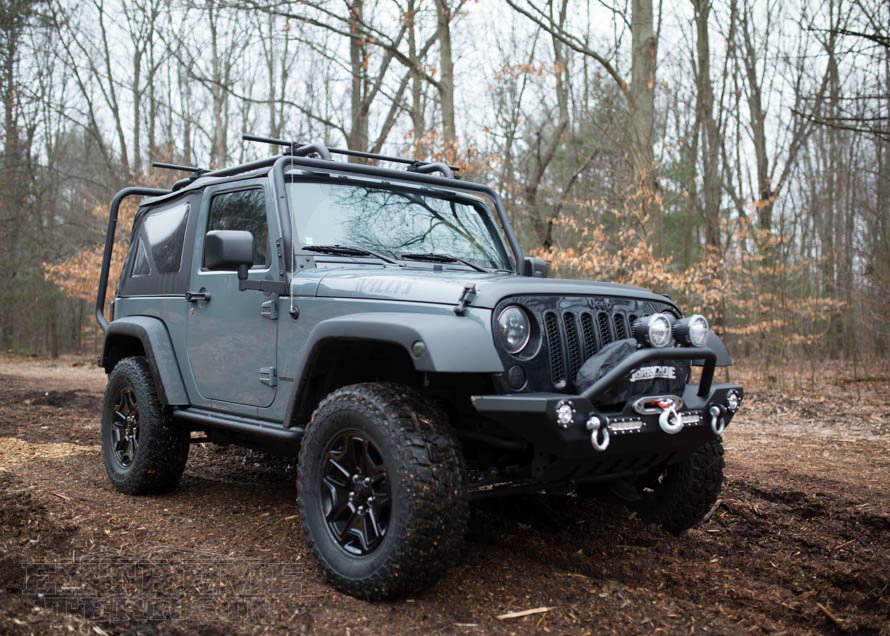
Most stock bumpers are not designed for winching. Use a reinforced aftermarket bumper with winch mounts for safety.
What’s Better, Steel Cable Or Synthetic Rope?
Synthetic rope is safer and lighter, but can be damaged by UV rays and abrasion. Steel cable is tougher but heavier and dangerous if it snaps.
How Do I Use A Snatch Block?
Attach the snatch block to your anchor, run the winch cable through it, and connect to your Jeep. This doubles the pulling power and changes the direction.
Is Winching Dangerous?
Yes, winching can be dangerous if not done properly. Keep people away from the cable, use gloves, and follow safety steps to avoid injury.
Getting unstuck with a winch is a skill every Jeep owner needs. The right equipment, careful setup, and smart technique make recovery safe and effective.
With practice and caution, you’ll handle off-road challenges confidently turning obstacles into stories, not setbacks.