If you own a Jeep Gladiator, you know it’s built for adventure. But using its 4×4 system can be confusing, especially when learning how to shift into 4H (Four-High). Many drivers worry about damaging their vehicle or getting stuck because they’re unsure when and how to use this feature. This article will give you a clear, step-by-step guide to shifting into 4H, explain when to use it, and point out tips and mistakes to avoid. By the end, you’ll feel confident using your Gladiator’s 4WD system, whether you’re facing mud, snow, or rocky trails.
Understanding Jeep Gladiator’s 4wd Modes
The Jeep Gladiator offers several four-wheel drive modes, each with a different purpose. Knowing the difference is key to safe and efficient driving.
| Mode | Best For | Speed Limit |
|---|---|---|
| 2H (Two-High) | Normal roads, dry pavement | No limit (all speeds) |
| 4H (Four-High) | Snow, sand, loose gravel | Up to 55 mph |
| 4L (Four-Low) | Rock crawling, deep mud, steep hills | Below 25 mph |
4H is the most useful for slippery or rough roads where you need extra traction but still want to drive at normal speeds. Unlike 4L, you do not need to stop the vehicle completely or shift into neutral to engage 4H in most situations.
When Should You Use 4h?
Engaging 4H helps your Gladiator handle challenging surfaces by sending power to all four wheels. Here are common situations where 4H is a smart choice:
- Snowy or icy roads – Prevents slipping and gives more control.
- Sandy paths or beaches – Reduces the chance of getting stuck.
- Gravel or dirt roads – Increases stability on uneven surfaces.
- Muddy trails – Helps maintain momentum through slick spots.
Avoid using 4H on dry pavement. The extra grip isn’t needed and can cause stress on your drivetrain, leading to wear or damage.
How To Shift To 4h In Jeep Gladiator
Switching to 4H is simple, but doing it correctly matters. Follow these steps for a smooth shift:
- Check your speed. You can shift into 4H at speeds up to 55 mph, but it’s best to do so below 45 mph for smoother engagement.
- Keep the Jeep moving. You do not need to stop. Lightly lift your foot off the accelerator to reduce drivetrain stress.
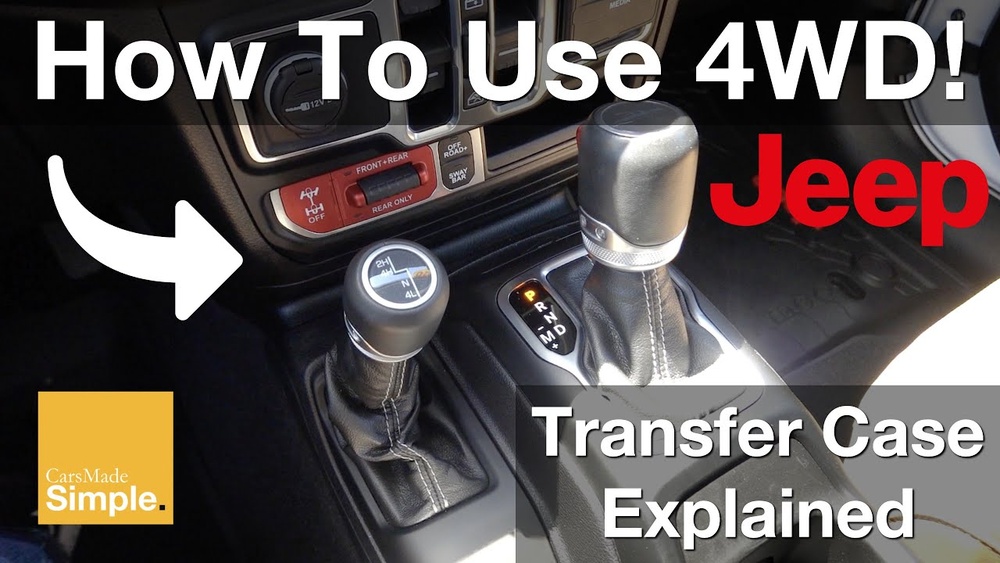
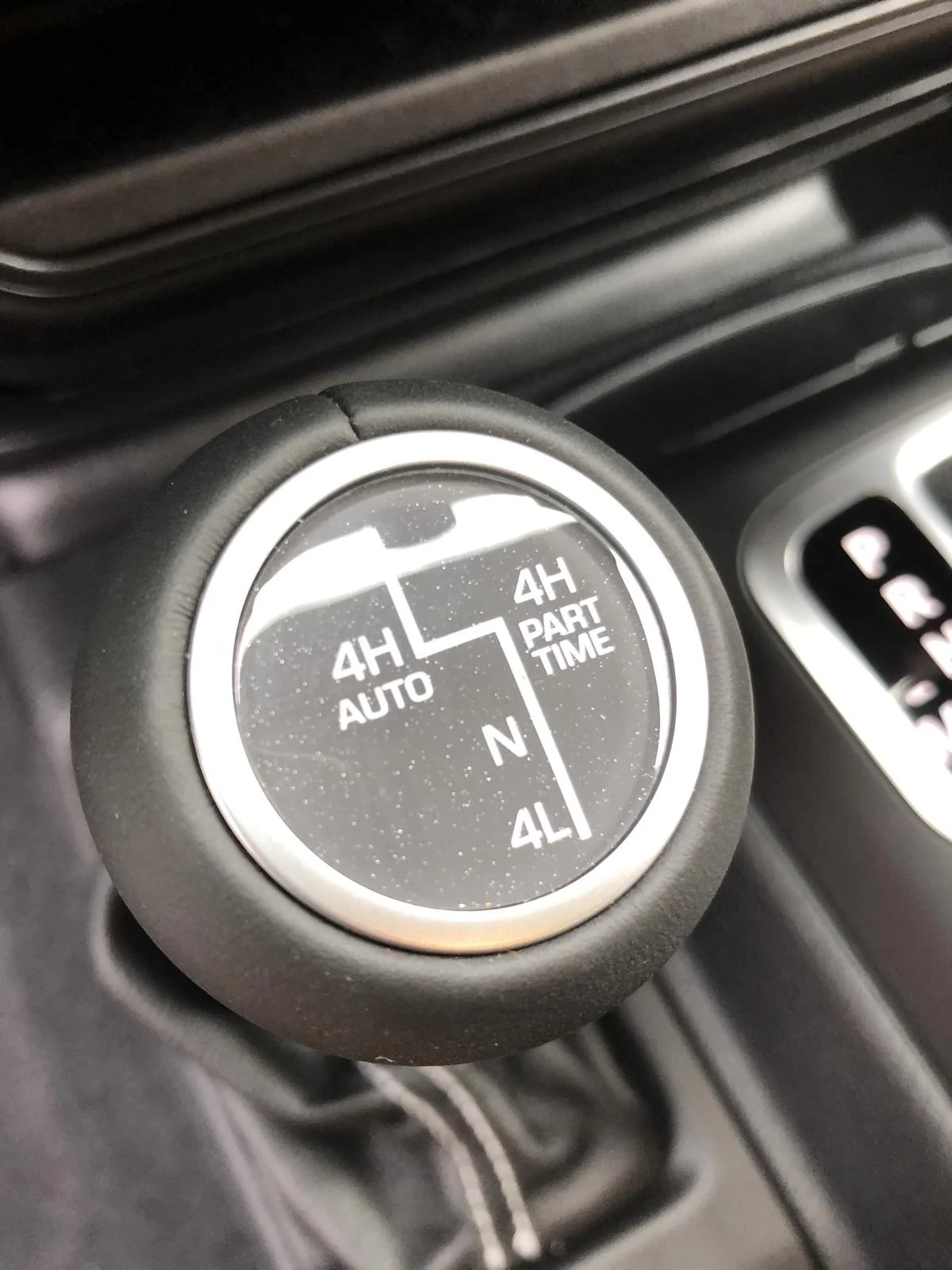
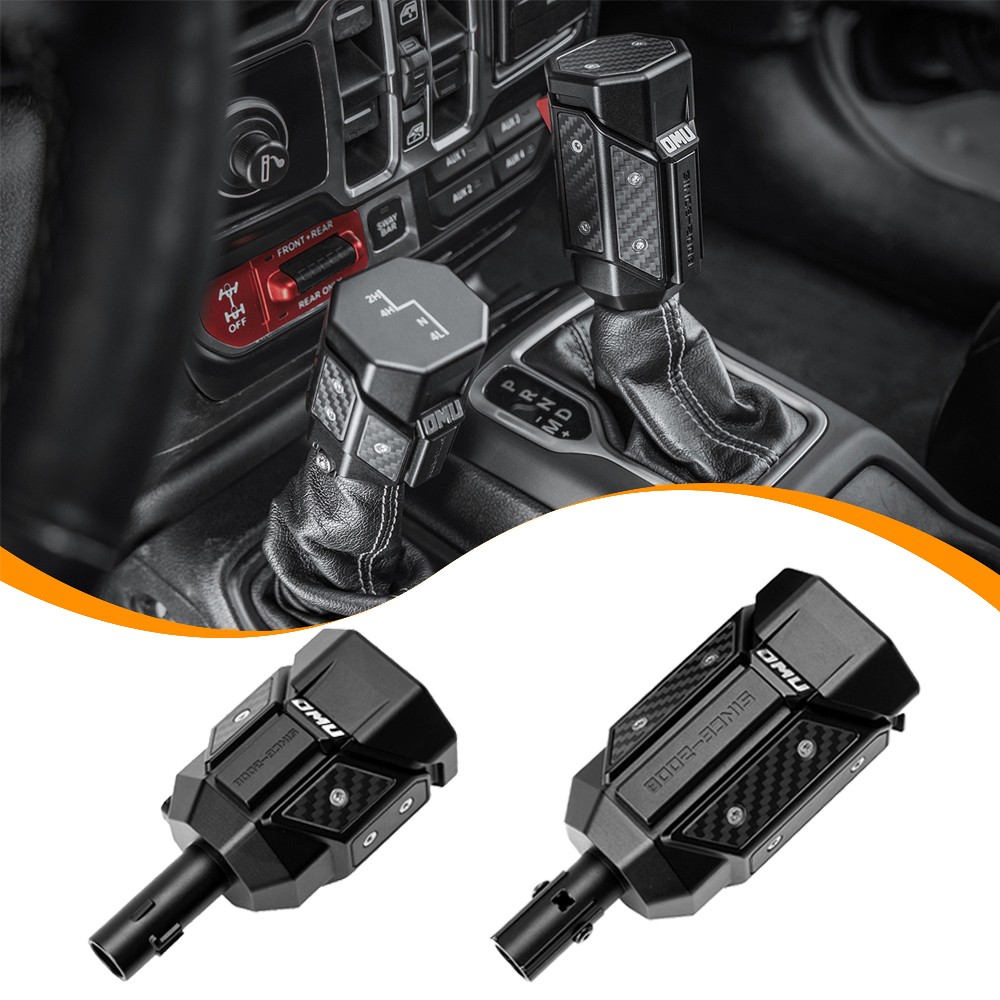
- Locate the 4WD lever. It’s usually next to the main gear shifter and marked with 2H, 4H, N, and 4L.
- Shift from 2H to 4H. Firmly pull the lever straight back from 2H to 4H in one motion. You should feel it click into place.
- Check the dashboard. A 4WD indicator light will confirm the shift. If it flashes or does not stay on, repeat the process or slightly adjust your speed.
Some Gladiator models use an electronic switch instead of a lever. In this case, simply turn the dial to 4H.
Always refer to your owner’s manual for your exact model.
Common Mistakes When Shifting To 4h
Shifting incorrectly can cause noise or even mechanical issues. Here are mistakes to avoid:
- Forcing the lever. If it resists, don’t use extra force. Release the accelerator and try again.
- Shifting at high speeds. Going above 55 mph can damage the system.
- Using 4H on dry pavement. This increases tire wear and stresses the drivetrain.
- Not watching indicator lights. If the 4WD light doesn’t stay on, the shift may not have completed.
What Happens If You Shift Wrong?
Making a mistake when shifting into 4H usually won’t break your Jeep, but it can lead to:
- Clunking noises from the transfer case.
- Difficulty steering due to drivetrain binding.
- Warning lights on your dash.
If you experience any of these, shift back to 2H, slow down, and try again. If problems persist, consult your dealership.
4h Vs. 4l: Key Differences
Many new Gladiator owners confuse 4H and 4L. Here’s how they compare:
| Feature | 4H | 4L |
|---|---|---|
| Speed Range | Up to 55 mph | Below 25 mph |
| Use Case | Moderate off-road, snow, mud | Extreme off-road, deep mud, rocks |
| Engagement | On the move | Must be stopped, in Neutral |
| Torque | Standard | Maximum |
4H is your “get out of trouble” mode for everyday rough conditions. 4L is for when things get extreme.
Practical Tips For Using 4h
- Shift into 4H before you need it. Don’t wait until you’re stuck.
- After leaving snow or mud, shift back to 2H to save fuel and reduce wear.
- If you hear grinding noises, stop and consult your manual.
- Practice shifting in a safe, open area so you’re comfortable before hitting the trails.
- Keep an eye on the weather; sudden rain or snow can make 4H necessary.
Two Insights Most Beginners Miss
- Tire pressure matters. Lower tire pressure (within safe limits) can improve grip on sand or snow, making 4H even more effective. Always reinflate your tires after off-roading.
- 4H is not all-wheel drive. It’s part-time four-wheel drive, meaning it’s not designed for constant use on dry, paved roads. This difference is why you must disengage 4H when normal traction returns.
Maintenance After Using 4h
Regular off-road use means extra care for your Gladiator:
- Check for mud or debris around the transfer case and axles.
- Listen for unusual noises that could mean something is stuck or worn.
- Inspect your tires for uneven wear—a sign you left 4H on too long on hard surfaces.
- Schedule a transfer case fluid check every 30,000 miles or if you off-road often.
Frequently Asked Questions
What Is The Main Purpose Of 4h In The Jeep Gladiator?
4H provides extra traction on slippery or loose surfaces like snow, mud, or sand. It’s designed for moderate off-road conditions where you need more grip but don’t want to slow down too much.
Can I Shift To 4h While Driving?
Yes, you can shift into 4H while moving at speeds up to 55 mph. For the smoothest engagement, do it under 45 mph and avoid heavy acceleration during the shift.
Does Using 4h Affect Fuel Economy?
Yes, using 4H uses more fuel than 2H because all four wheels are powered. Only use 4H when necessary, and return to 2H on dry, paved roads to save gas.
How Do I Know If 4h Is Engaged?
A 4WD indicator light will appear on your dashboard. If it blinks or does not stay on, the shift may not have completed. Try shifting again or adjust your speed.
Where Can I Learn More About Jeep Gladiator 4wd Systems?
The official Jeep website offers detailed guides and videos. For technical explanations, you can visit the Four-wheel drive Wikipedia page.
Switching to 4H in your Jeep Gladiator is simple and powerful once you know how. Take care of your vehicle, practice shifting, and you’ll be ready for any road or trail ahead.