Changing a thermostat in a Jeep might sound challenging, but with the right steps, it’s a task that most DIY car owners can handle. The thermostat controls your engine’s temperature by managing coolant flow. If it fails, your engine can overheat or run too cold, leading to poor performance or even damage.
Replacing it at home can save money and help you understand your vehicle better.
This guide explains how to change a thermostat in a Jeep, which tools you’ll need, and what to watch out for. You’ll also find real-world tips that mechanics use, plus answers to common questions.
Why Change Your Jeep’s Thermostat?
A faulty thermostat can cause several problems. You might notice your Jeep’s temperature gauge behaving strangely, or you could see warning lights on your dash. Sometimes, you’ll feel the heater blowing cold air, even after the engine warms up. These are signs that the thermostat isn’t opening or closing at the right time.
Ignoring these signs can lead to engine overheating, which is a leading cause of breakdowns. Replacing the thermostat promptly keeps your Jeep reliable and avoids expensive repairs.
If your Jeep is running too cold, your engine may never reach the optimal temperature. This can cause poor fuel efficiency, sluggish performance, or even increased emissions. It’s easy to overlook these symptoms, but they matter. For example, a cold engine will use more fuel and wear out parts quicker.
If you notice your Jeep’s heater isn’t getting warm, or the temperature gauge stays low, check your thermostat.
Another overlooked symptom is fluctuating temperature. If the gauge goes up and down while you drive, the thermostat might be sticking. Some drivers ignore this, hoping it will “fix itself. ” But a thermostat rarely gets better on its own.
If you catch the problem early, you can save your engine from bigger damage, like a blown head gasket.
Tools And Materials You’ll Need
Before starting, gather these items:
- New thermostat (correct type for your Jeep model)
- Gasket or O-ring (usually comes with the thermostat)
- Socket wrench set
- Screwdrivers
- Coolant (enough to top up or refill)
- Drain pan
- Clean rags
- Plastic scraper (for old gasket removal)
- Pliers
A few Jeep models require a torque wrench to tighten bolts to the correct setting. Check your service manual for specifics.
Some DIYers forget to buy a new gasket or O-ring. This small part is essential. A worn gasket can cause leaks, which lead to overheating or messy engine bays. If you’re unsure, get a replacement kit with the thermostat and gasket together.
Here’s a quick comparison of thermostat temperatures for popular Jeep models:
| Jeep Model | Common Thermostat Temp (°F) |
|---|---|
| Wrangler TJ (1997-2006) | 195°F |
| Grand Cherokee WJ (1999-2004) | 195°F |
| Cherokee XJ (1984-2001) | 195°F |
| Wrangler JK (2007-2018) | 203°F |
Always confirm your Jeep’s specific thermostat temperature before buying a replacement. Your owner’s manual or a reliable auto parts website can help you check. Using the wrong temperature thermostat may cause your engine to run hotter or colder than intended, which affects performance and longevity.

Step-by-step Guide To Replacing The Thermostat
1. Cool Down The Engine
Never open the cooling system when hot. Wait until the engine is completely cool to avoid burns. This step is crucial. Hot coolant can spray and cause severe injuries. If you’ve driven recently, let the Jeep sit for at least an hour.
2. Disconnect The Battery
For safety, remove the negative battery cable. This prevents accidental short circuits. You don’t want tools to touch live wires, which could spark or damage electrical components.
3. Drain Some Coolant
Place a drain pan under the radiator. Open the drain valve or remove the lower hose to let enough coolant out so the level drops below the thermostat housing. You don’t need to drain all the coolant. Just enough so it doesn’t spill when you open the housing.
Keep coolant away from pets—it’s toxic.
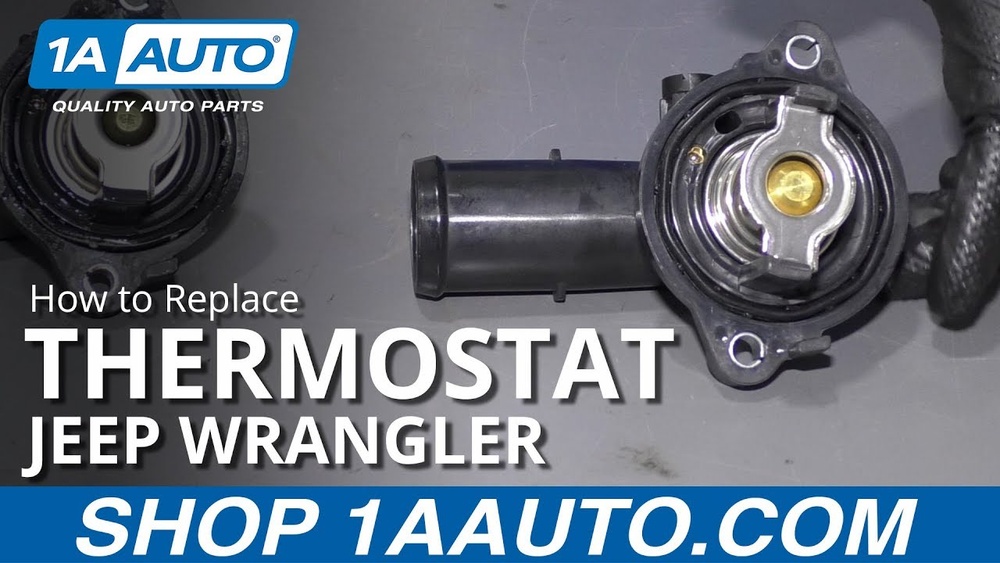
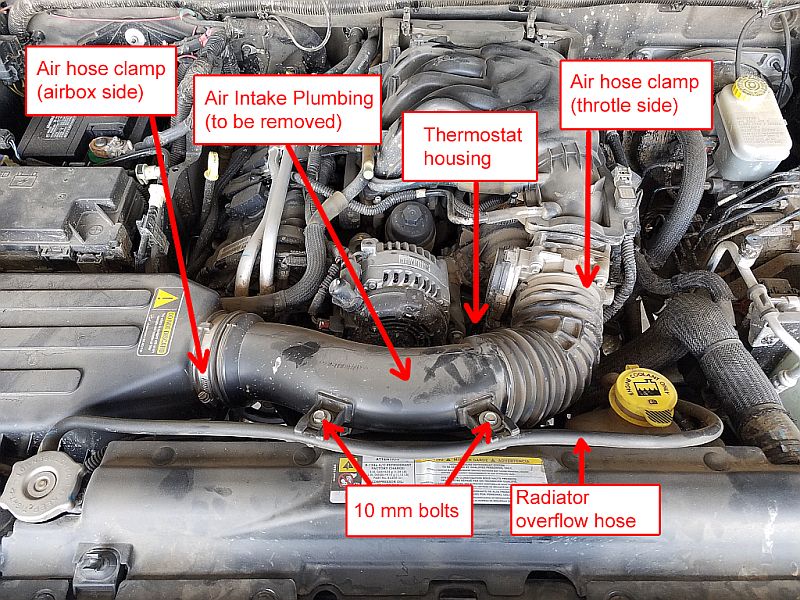
4. Find The Thermostat Housing
Follow the upper radiator hose to the engine. The hose connects to the thermostat housing, often held by two or three bolts. On most Jeeps, this is on the front or top of the engine. Sometimes, you’ll need to remove air intake parts or covers for better access.
5. Remove The Thermostat Housing
Use your socket wrench to loosen and remove the bolts. Gently lift off the housing. A little coolant may spill—use rags to catch it. If the housing is stuck, tap lightly with a rubber mallet. Don’t force it, as the housing can crack.
6. Take Out The Old Thermostat
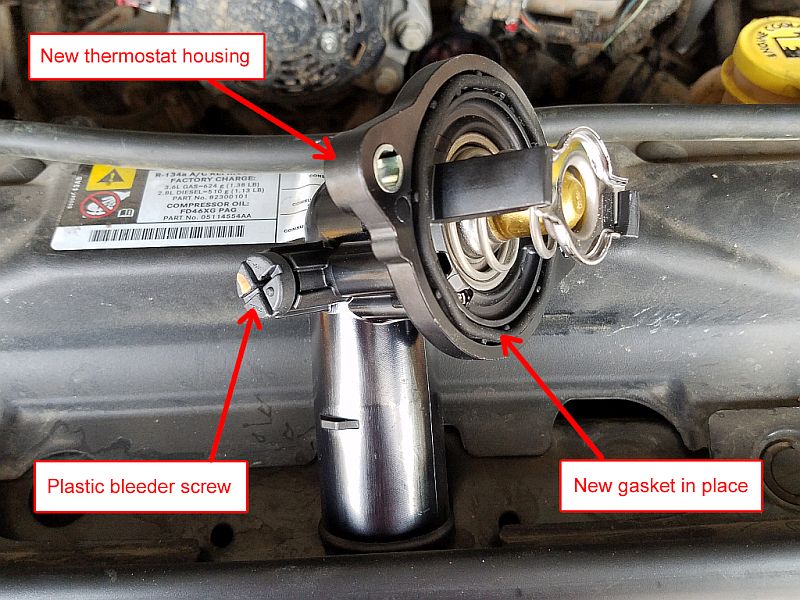
Note how the thermostat sits (spring side usually faces the engine). Remove it and the old gasket. If the gasket sticks, use your plastic scraper. Clean both surfaces thoroughly. Any leftover gasket material can cause leaks.
7. Install The New Thermostat And Gasket
Place the new thermostat in the same position as the old one. Set the new gasket or O-ring. Some gaskets need a thin layer of sealant—check instructions. Make sure everything sits flat and snug.
8. Replace The Housing And Bolts
Reattach the housing and tighten bolts evenly. If your Jeep needs a torque wrench, use it to match the recommended setting. Over-tightening can crack the housing; too loose can cause leaks.
9. Refill Coolant
Pour coolant into the radiator or reservoir until full. If you drained a lot, mix new coolant and water in the ratio shown on the bottle. Use only the type recommended for your Jeep.
10. Reconnect Battery And Start Engine
Reattach the negative cable. Start the engine and let it idle. Watch for leaks around the thermostat housing. The engine may take a few minutes to reach normal temperature.
11. Check Temperature And Top Up Coolant
When the engine warms up, check the gauge. If it stays normal, you’ve done well. If it overheats or leaks, turn off the engine and inspect your work. After the engine cools, top up coolant as needed.
Extra Tips From Mechanics
- Use gloves to protect your hands from chemicals and sharp edges.
- Keep old parts until you confirm the job is successful. Sometimes, you might need to compare or return them.
- If you see rust or corrosion around the housing, clean it up before installing the new thermostat. Corrosion can cause leaks or make future repairs harder.
- Air pockets in the cooling system can cause overheating. After refilling coolant, squeeze hoses gently and run the engine with the radiator cap off (if safe) to let trapped air escape.
Common Mistakes And How To Avoid Them
- Using the wrong thermostat temperature: Always check your Jeep manual. The wrong temperature can cause poor performance or overheating.
- Not cleaning the gasket surface: Leftover gasket bits can cause leaks. Spend extra time cleaning.
- Over-tightening bolts: This can crack the housing or strip threads. Use a torque wrench if needed.
- Forgetting to check for leaks: After finishing, always inspect for leaks while the engine is running and after it cools down.
One mistake many beginners make is rushing the job. It’s tempting to finish quickly, but careful steps help you avoid having to redo the work. Another common error is forgetting to properly bleed the cooling system. If you notice the temperature gauge rising after the repair, air might be trapped inside.
Frequently Asked Questions
How long does it take to replace a thermostat?
Usually, 1 to 2 hours. If you’re new to car repairs, allow extra time to double-check your steps.
Can I drive my Jeep with a bad thermostat?
It’s risky. You could damage the engine or get stranded. Fix it as soon as possible.
Do I need to flush the coolant?
Not always, but it’s smart if the coolant is dirty or old. Clean coolant helps prevent engine issues.
What’s the cost if I let a shop do it?
Most shops charge $150–$300, including parts and labor. Doing it yourself costs much less.
Wrapping Up
Changing your Jeep’s thermostat is a practical project that boosts your confidence and keeps your vehicle running strong. With careful attention and the right tools, you can save money and avoid common mistakes. The biggest secret: take your time and double-check each step. If you get stuck, look up your Jeep’s service manual or ask for advice on trusted auto forums.
For more detailed cooling system info, the [NAPA Know How blog](https://www.napaonline.com/en/knowhow/) has articles that go deeper. Remember, a healthy cooling system means a healthy Jeep—so keep an eye on your temperature gauge and stay proactive with maintenance.