Changing the spark plugs in your Jeep Grand Cherokee can make a big difference in how your engine runs. If you notice your SUV is using more gas, the engine feels rough, or it’s hard to start, old spark plugs could be the problem. Many Jeep owners worry this task is too difficult, but with the right steps and tools, you can do it yourself and save money. This guide explains how to change spark plugs on a Jeep Grand Cherokee safely and quickly, even if you’re new to car maintenance.
Why Spark Plugs Matter
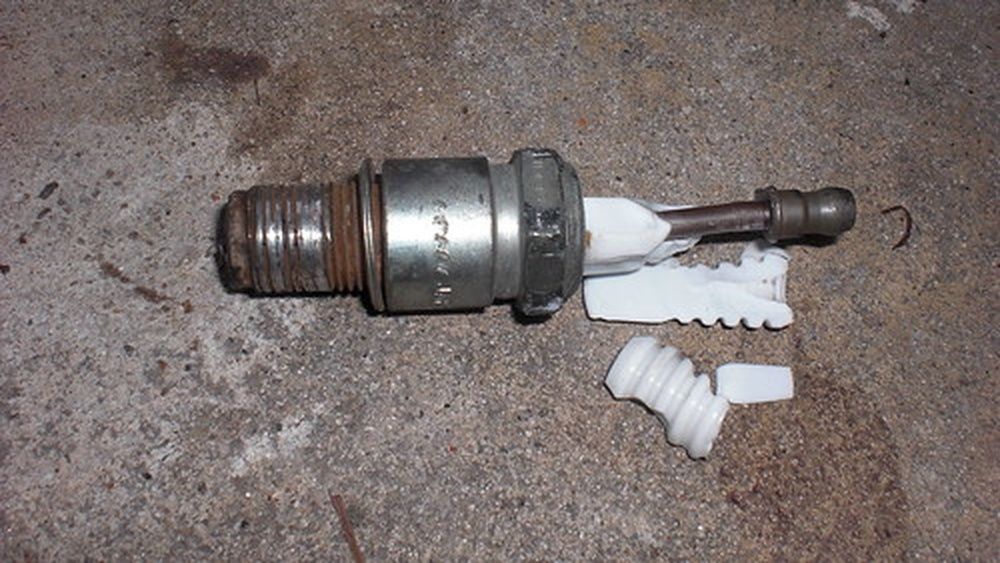
Spark plugs are small parts, but they do a big job. They create the spark that starts the fuel burning in your engine. If spark plugs are worn out, your Jeep may:
- Lose power
- Use more fuel
- Run rough or misfire
Most mechanics recommend changing spark plugs every 30,000 to 100,000 miles depending on the plug type and engine. For example, platinum or iridium plugs last longer than copper ones.
| Spark Plug Type | Typical Lifespan (Miles) |
|---|---|
| Copper | 30,000 |
| Platinum | 60,000 |
| Iridium | 100,000 |
Tools And Parts Needed
Before you start, gather these tools and parts:
- New spark plugs (Check your Jeep’s manual for the correct type)
- Ratchet with extension
- Spark plug socket (usually 5/8 inch)
- Torque wrench
- Dielectric grease (optional)
- Compressed air (optional)
- Gloves
- Gap gauge (if plugs are not pre-gapped)
If you drive a Jeep Grand Cherokee, the most common engines are the 3.6L V6, 5.7L V8, and 6.4L V8. Each has a different number of spark plugs and location.
| Engine Type | Number of Spark Plugs |
|---|---|
| 3.6L V6 | 6 |
| 5.7L V8 | 8 |
| 6.4L V8 | 8 |

Step-by-step Guide
Changing spark plugs takes about 1 to 2 hours. Here’s how to do it:
- Let the engine cool: Wait at least 30 minutes after driving. Hot parts can burn your hands.
- Disconnect the battery: Remove the negative cable. This helps avoid any electrical shock.
- Remove engine cover: Some Grand Cherokees have plastic covers. Lift them off gently.
- Locate the spark plugs: Find the ignition coils on top of the engine. Each coil covers a spark plug.
- Remove ignition coil: Unclip the connector, loosen the bolt, and gently pull out the coil.
- Clean the area: Use compressed air to blow away dirt. Dirt can fall into the engine if not removed.
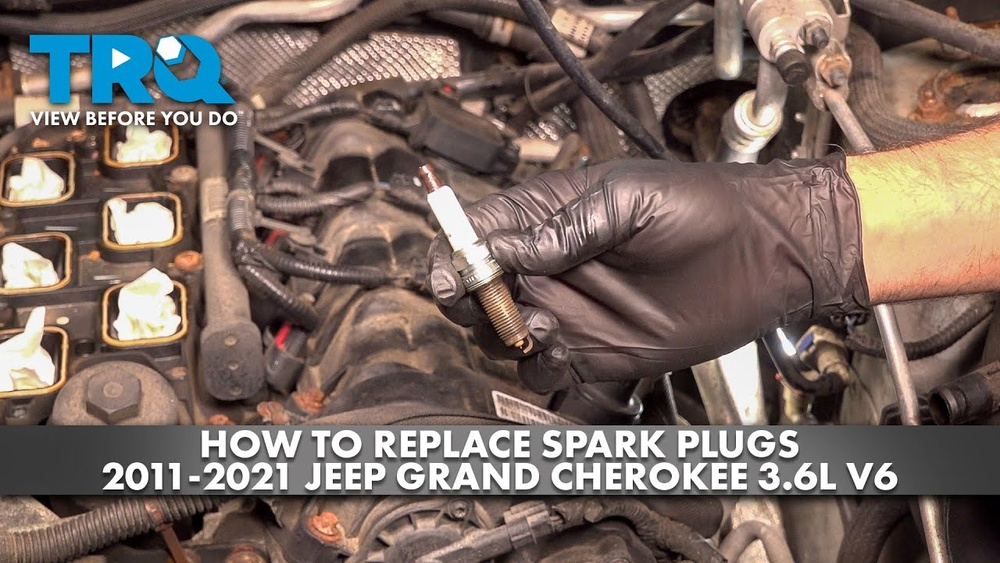
- Remove the old spark plug: Use the spark plug socket and extension. Turn counterclockwise.
- Check the gap: Use a gap gauge to measure the new plug’s gap. Adjust if needed (see your manual for the correct gap size).
- Install the new spark plug: Place it in the socket, lower it carefully, and turn clockwise by hand first. Then use the torque wrench to tighten to the recommended setting (usually 13–15 ft-lbs).
- Apply dielectric grease: A small amount on the inside of the coil helps prevent moisture and makes future removal easier.
- Replace the coil and connector: Push the coil back in, tighten the bolt, and reconnect the plug.
- Repeat for each plug: Work one plug at a time to avoid mixing up parts.
- Reattach the engine cover and battery: Put everything back and reconnect the battery.
Practical Tips
- Number the coils with tape as you remove them. This avoids confusion.
- Use a magnetized socket if possible. It helps remove plugs without dropping them.
- Don’t over-tighten spark plugs. Too much force can damage the threads.
Common Mistakes To Avoid
Many beginners make these mistakes:
- Forgetting to check the gap: Even “pre-gapped” plugs can be off. Always double-check.
- Cross-threading plugs: Start by hand to avoid damaging the cylinder head.
- Mixing up ignition coils: Take care to return each coil to its original spot.
- Over-tightening: This can crack the plug or strip the threads.
| Mistake | Result |
|---|---|
| Wrong gap | Poor engine performance |
| Cross-threading | Expensive repairs |
| Swapped coils | Misfiring engine |
| Over-tightening | Damaged plug or head |
When To Change Spark Plugs
You don’t always need to wait for a warning light. Signs your Jeep Grand Cherokee needs new spark plugs:
- Hard starting
- Engine misfires
- Poor fuel economy
- Rough idle
- Loss of power
Some drivers ignore these signs, thinking it’s a minor issue. However, ignoring spark plug problems can lead to damaged catalytic converters or other expensive repairs. As a rule, check your plugs every 30,000 miles or follow your owner’s manual.
Frequently Asked Questions
How Often Should I Change Spark Plugs On A Jeep Grand Cherokee?
Most Jeep Grand Cherokees need new spark plugs every 30,000 to 100,000 miles depending on the plug type and engine. Always check your owner’s manual for the exact interval.
Can I Use Any Spark Plug Brand?
No, you must use plugs that meet Jeep’s specifications. Using the wrong plug can cause engine damage or poor performance. Trusted brands include NGK, Champion, and Bosch.
What Happens If I Don’t Change Spark Plugs?
Old spark plugs cause misfires, poor fuel economy, hard starts, and can damage other parts like the catalytic converter. It’s important to replace them on schedule.
Is Changing Spark Plugs Difficult For Beginners?
The process is straightforward if you follow the steps and take your time. Label each coil, check the gap, and use the right tools. Many Jeep owners do this job themselves.
Where Can I Find Detailed Spark Plug Specifications?
For detailed specs and step-by-step instructions, visit the official Jeep website or check the owner’s manual. You can also refer to Jeep Owner’s Manual for up-to-date information.
Changing the spark plugs in your Jeep Grand Cherokee isn’t just good maintenance—it keeps your SUV running smoothly and efficiently. With careful steps and the right tools, even a beginner can handle this task. Remember to check the gap, avoid common mistakes, and use the recommended parts. This simple job can save you money and help your Jeep last longer.