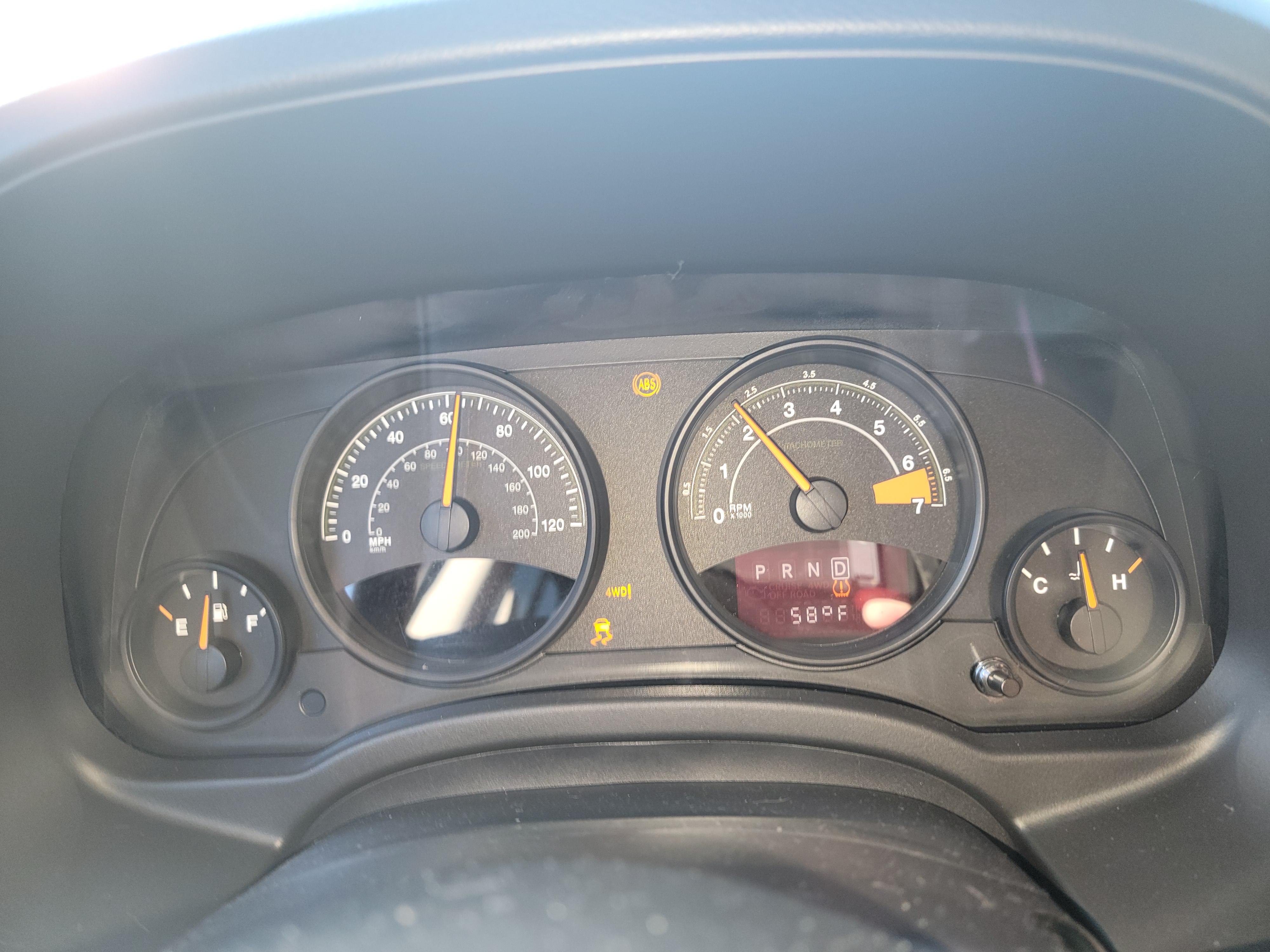
If the ABS light on your Jeep just came on, you’re probably wondering what it means and how to fix it fast. That little warning light can feel like a big problem, but don’t panic.
Understanding why the ABS light is on and taking the right steps can save you time, money, and stress.
Whether it’s a simple sensor issue or something more, walk you through clear, easy-to-follow fixes so you can get back on the road safely.
Keep reading to learn how to diagnose and fix the ABS light on your Jeep without guesswork.

Common Abs Light Causes
The ABS light on your Jeep signals a problem with the anti-lock braking system. This warning can appear for many reasons.
Understanding common causes helps you diagnose and fix the issue quickly. Many drivers face the same problems that trigger the ABS light.
frequent causes that make the ABS light turn on. Each can affect your Jeep’s braking safety and performance. Checking these parts saves time and money.
Faulty Wheel Speed Sensors
Wheel speed sensors monitor the rotation of each wheel. They send data to the ABS control module.
A faulty sensor can send wrong signals or no signal at all. This causes the ABS light to turn on.
Dirt, damage, or corrosion can cause sensor failure.
Damaged Wiring Or Connectors
Wiring connects the ABS sensors to the control module. Damaged wires or loose connectors stop signals from reaching the module.
Road debris or wear can harm wires. Moisture can cause corrosion in connectors.
This interrupts communication and triggers the ABS light.
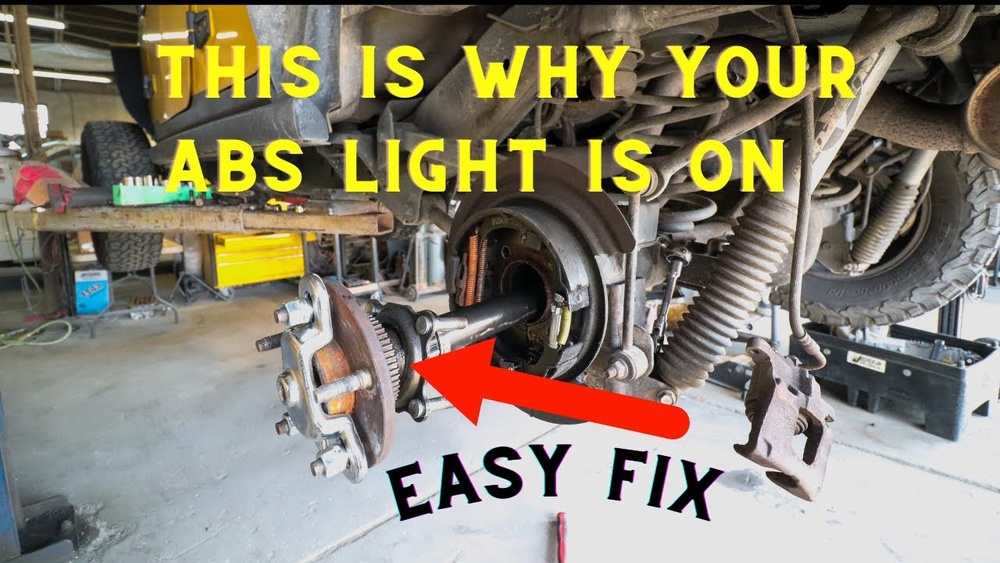
Leaking Rear Axle Seal
A leaking rear axle seal lets grease leak onto the wheel speed sensor. Grease buildup causes sensor errors.
This interference makes the ABS light come on. Fixing the seal and cleaning the sensor often clears the warning.
Bad Wheel Bearings
Wheel bearings allow wheels to spin smoothly. Worn or damaged bearings can affect the wheel sensor’s readings.
This mistake causes the ABS light to activate. Noises or rough wheel movement often accompany bad bearings.
Low Brake Fluid Level
The ABS system needs enough brake fluid to work properly. Low fluid can cause the ABS light to come on.
Brake fluid leaks or worn brake pads often lower fluid levels. Checking and refilling fluid helps maintain safe braking.
Diagnosing Abs Issues
The ABS light on a Jeep signals a problem with the anti-lock braking system. Diagnosing ABS issues helps find the exact cause.
This saves time and money on repairs. It also keeps your Jeep safe to drive.
Start by gathering basic tools like a code reader and a flashlight. Then follow simple steps to check sensors and connections. This process makes fixing ABS problems easier.
Using A Code Reader
A code reader plugs into your Jeep’s OBD-II port. It reads error codes stored in the ABS system.
These codes point to specific problems. Codes may indicate sensor failure or wiring issues.
After reading codes, clear them and see if the light returns. This confirms if the problem is fixed or still there.
Visual Inspection Steps
Look closely at the ABS components near each wheel. Check for dirt, rust, or damage on sensors and wiring.
Clean any debris that may cover sensors. Inspect brake rotors for cracks or wear.
Damaged parts can cause false readings and trigger the ABS light. Visual checks are quick and reveal obvious issues.
Checking Sensor Connections
Loose or corroded connections often cause ABS errors. Locate the wiring harness near each wheel sensor.
Make sure connectors are tight and free from rust. Wiggle wires gently to test for breaks or shorts.
Repair or replace faulty wires to restore proper signals. Secure connections help the ABS system work correctly.
Quick Fixes For Abs Light
The ABS light on a Jeep signals an issue with the anti-lock braking system. Quick fixes can help reset the light and restore normal function.
These methods work well for minor glitches or temporary faults. Trying these steps saves time and might avoid a costly repair.
Resetting The Abs Light
Turn the Jeep’s ignition to the “On” position without starting the engine. The ABS light will stay on for a few seconds.
Turn the ignition off and then back on. This simple reset can clear minor errors in the system.
Drive the vehicle to see if the light stays off.
Disconnecting The Battery
Open the Jeep’s hood and locate the battery. Use a wrench to disconnect the negative battery cable.
Leave it disconnected for about 10 minutes. This action resets the vehicle’s computer and clears error codes.
Reconnect the battery cable and start the Jeep. Check if the ABS light is off.
Turning The Steering Wheel Method
Turn the ignition key to the “On” position. Slowly turn the steering wheel all the way to the left.
Then turn it all the way to the right. Turn the ignition off and then back on.
This process can reset the ABS sensors in some Jeep models. Watch the dashboard to see if the ABS light disappears.
Replacing Faulty Components
Replacing faulty components is a key step in fixing the ABS light on your Jeep. The ABS system relies on parts that work well together.
Over time, some parts may fail and cause the warning light to appear. Knowing which components to replace can save time and money.
Focus on the main parts that often cause ABS issues. This includes wheel speed sensors, wiring harnesses, and rear axle seals.
Each part plays a role in keeping the ABS system functional and safe.
Changing Wheel Speed Sensors
Wheel speed sensors measure the speed of each wheel. They send this data to the ABS system.
A faulty sensor can cause the ABS light to turn on. To change a sensor, locate the faulty one first.
Use a scan tool to identify which sensor is bad. Remove the old sensor carefully.
Clean the area before installing the new sensor. Make sure the new sensor fits tightly and the wiring is secure.
Repairing Wiring Harnesses
Wiring harnesses connect sensors to the ABS control module. Damaged wires can interrupt signals and trigger the ABS light.
Inspect the wiring for cuts, corrosion, or loose connections. Repair small wire breaks with electrical tape or heat shrink tubing.
For severe damage, replace the entire harness section. Use a multimeter to check wire continuity before and after repair.
Proper wiring ensures clear communication within the ABS system.
Fixing Rear Axle Seal Leaks
Rear axle seal leaks can cause grease to coat the wheel speed sensors. This contamination leads to sensor failure.
To fix this, first clean the affected sensor and surrounding area. Replace the rear axle seal to stop leaks.
Use the correct seal for your Jeep model. After replacement, check the sensor for proper operation.
Fixing seal leaks protects sensors and keeps the ABS light off.
Preventive Maintenance Tips
The ABS light on a Jeep can signal an issue with the braking system. Regular preventive maintenance helps keep the ABS system working properly.
It also reduces the chance of the ABS light turning on. Taking simple steps can avoid costly repairs and keep your Jeep safe on the road.
Regular Brake Fluid Checks
Brake fluid is vital for the ABS system to work well. Check the brake fluid level often.
Low brake fluid can cause the ABS light to come on. Use the type of fluid recommended in your Jeep’s manual.
Replace the fluid if it looks dark or dirty. Clean brake fluid helps maintain strong braking power.
Cleaning Wheel Speed Sensors
Wheel speed sensors track your wheel’s speed and send data to the ABS system. Dirt and grime can cover these sensors.
This causes wrong signals and turns on the ABS light. Clean the sensors carefully with a soft cloth and a mild cleaner.
Avoid harsh chemicals that could damage the sensors. Clean sensors help keep the ABS system accurate.
Routine Inspection Of Wheel Bearings
Wheel bearings allow your wheels to spin smoothly. Worn or damaged bearings can affect the wheel speed sensors.
This may trigger the ABS warning light. Inspect the wheel bearings regularly for noise or roughness.
Replace them if you find any signs of damage. Healthy bearings support proper ABS function and safe driving.
When To Seek Professional Help
The ABS light on your Jeep can sometimes be fixed with simple steps. Other times, it signals a deeper problem.
Knowing when to seek professional help can save you time and money. It ensures your Jeep’s safety systems work properly.
Below are key signs that mean it’s time to visit a mechanic.
Persistent Abs Light Issues
If the ABS light stays on after multiple resets, it needs expert attention. Persistent warnings suggest the problem is not a simple sensor glitch.
Professional mechanics use advanced tools to read error codes. They pinpoint the exact cause quickly.
Ignoring a steady ABS light can reduce braking efficiency.
Complex Wiring Problems
Wiring issues in the ABS system are tricky to fix alone. Damaged or corroded wires affect sensor signals.
Finding and repairing these problems requires skill and proper equipment. A professional can trace wiring faults and secure reliable connections.
Faulty wiring often causes intermittent ABS light flashes.
Abs Module Malfunctions
The ABS module controls the entire braking system. If it malfunctions, the ABS light will stay on.
Module repairs or replacements are beyond basic DIY fixes. Trained technicians can test the module’s function and perform safe repairs.
Driving with a bad ABS module puts you at risk during hard braking.
Driving With Abs Light On
Driving with the ABS light on in your Jeep can feel worrying. The light signals a problem with the Anti-lock Braking System.
This system helps keep control during hard braking. Without it, your Jeep may stop differently than usual.
Understanding what to expect helps you stay safe on the road.
Safety Considerations
The ABS light means the system is not working properly. Your brakes will still work, but without ABS support.
You may lose extra control on slippery or wet roads. Drive carefully and allow more distance to stop.
Check your Jeep as soon as possible to fix the issue.
Potential Risks
Without ABS, wheels can lock during sudden stops. Locked wheels increase the risk of skidding or sliding.
This can lead to loss of steering control. The risk is higher on wet or icy roads.
Driving with the ABS light on can be unsafe in emergencies.
Temporary Driving Tips
Drive slower than usual and keep a safe distance. Avoid hard or sudden braking to prevent wheel lock.
Use gentle pressure on the brake pedal. Stay alert and watch for road hazards early.
Plan extra time for your trips until the light is fixed.

Can I Drive A Jeep With An Abs Light On?
You can drive a Jeep with the ABS light on, but braking safety may be reduced. Get it checked promptly.
Can I Fix The Abs Light Myself?
Yes, you can fix the ABS light yourself by using a code reader to identify the issue. Replace faulty sensors or repair wiring as needed.
Reset the system by disconnecting the battery for a few minutes. Always ensure safety and consider professional help if unsure.
What Causes Abs Light To Come On In A Jeep?
The ABS light in a Jeep often comes on due to a faulty wheel speed sensor, damaged wiring, or a low brake fluid level. Dirt or grease on sensors, especially from leaking axle seals, can also trigger the warning.
Use a scan tool to diagnose and fix the issue.
Is It Expensive To Fix An Abs Light?
Fixing an ABS light usually costs between $100 and $300. Sensor replacement or wiring repairs often cause expenses.
Conclusion
Fixing the ABS light on your Jeep is doable with simple steps. Start by checking the wheel speed sensors and wiring.
Use a scanner to find error codes quickly. Cleaning or replacing faulty parts often solves the problem.
Remember, driving with the ABS light on can reduce safety.
Regular maintenance helps prevent future issues. Stay calm, follow these tips, and keep your Jeep running smoothly.