Towing a Jeep behind another vehicle, often called “flat towing” or “dinghy towing,” is a popular choice for RV owners and off-road adventurers. It lets you bring your Jeep along on road trips without the hassle of trailers. But before you hit the highway, it’s crucial to know: How fast can you flat tow a Jeep? Going too fast can damage your Jeep, put you and others at risk, or even void your warranty. Let’s dig into the facts, best practices, and some details many people miss.
What Is Flat Towing?
Flat towing means pulling a vehicle with all four wheels on the ground. This is different from using a trailer or dolly. Many Jeep models, especially the Wrangler and Gladiator, are built for flat towing. Their transfer cases can be shifted into neutral, which keeps the drivetrain safe during towing.
Flat towing is popular because it’s simple and quick to connect. However, not every vehicle can be flat towed. Always check your Jeep’s owner’s manual to confirm it’s safe for your specific model.
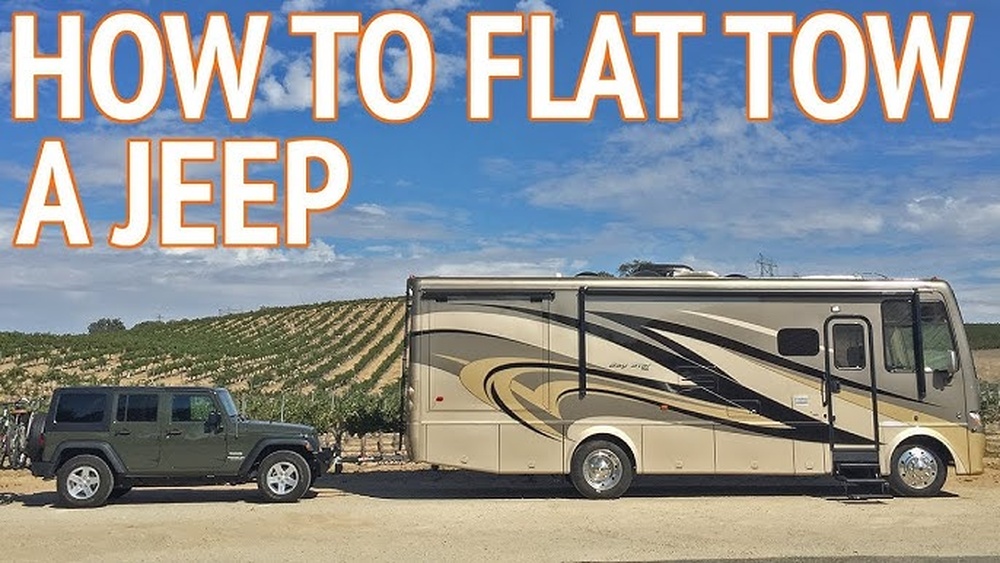
Speed Limits For Flat Towing A Jeep
The safe speed for flat towing a Jeep is not just about how fast you want to go. It’s a mix of the law, mechanical limits, and safety.
| Jeep Model | Recommended Flat Tow Speed (mph) | Notes |
|---|---|---|
| Wrangler JL | Up to 70 | Check manual; some years specify 55–65 mph |
| Gladiator JT | Up to 65 | Transfer case must be in neutral |
| Grand Cherokee | Not recommended | Most models not flat towable |
Legal Speed Limits
Laws vary by state in the US. Some states set a maximum towing speed lower than the posted limit. For example, California sets a 55 mph limit for any vehicle towing another. Always check local laws before your trip.
Jeep’s Recommendation
Most Jeep manuals recommend a maximum flat tow speed of 55 mph. However, some newer models, like the Wrangler JL, allow up to 70 mph if all procedures are followed. These numbers are not just suggestions—they’re there to protect your transmission and drivetrain.
Why Speed Matters
Towing at high speeds increases heat and stress on your Jeep’s moving parts, even in neutral. It also reduces your reaction time if something goes wrong. Exceeding recommended speeds can lead to:
- Transfer case damage
- Tire blowouts
- Unsafe handling

How To Flat Tow A Jeep Safely
Flat towing may look simple, but getting it wrong can be costly. Here’s how to do it right:
- Check your manual. Each Jeep model can have different steps or restrictions.
- Use the right equipment. You’ll need a tow bar, base plate, safety cables, and lighting kit.
- Set the transfer case to neutral. This disconnects the drivetrain.
- Put the transmission in park (automatic) or gear (manual).
- Double-check connections. Make sure everything is locked and secured.
- Test the brake lights. Your Jeep’s lights must work with the towing vehicle.
Common Mistakes To Avoid
- Leaving the transfer case in the wrong position—this can destroy your transmission in a few miles.
- Skipping safety chains or cables.
- Forgetting to unlock the steering wheel (some models need the key in ACC).
- Ignoring tire pressure—underinflated tires heat up and fail faster at highway speeds.
How Fast Should You Really Go?
Even if the manual allows 65 or 70 mph, most experienced towers recommend staying at 60 mph or less. Why? It gives you better control, more time to stop, and less wear on your Jeep. Plus, wind and passing trucks create sway that’s worse at higher speeds.
Here’s a quick comparison of stopping distances when flat towing:
| Speed (mph) | Stopping Distance (feet, with Jeep in tow) | Risk Level |
|---|---|---|
| 55 | 290 | Low |
| 65 | 370 | Moderate |
| 70 | 420+ | High |
Braking distance grows fast as you go faster. These numbers don’t include poor weather, steep grades, or distractions.

Real-world Tips For Flat Towing
- Always do a walk-around check before each drive.
- Stop every 100 miles to check connections, tire temperature, and look for leaks.
- Keep speeds lower on rough or winding roads.
- Upgrade to a supplemental braking system if your RV is heavy.
- Never rely only on your “feel”—use a checklist, even if you have to write it down.
A hidden risk: Many Jeep owners forget that odometer mileage may not count during flat towing (depending on model/year), which makes maintenance harder to track.
What Happens If You Go Too Fast?
Exceeding the recommended speed can be expensive:
- Transfer case and transmission overheating. Even in neutral, some parts move and get hot.
- Tire damage. Jeep tires are not rated for endless high-speed rolling without a driver.
- Loss of control. Sway or fishtailing can lead to accidents.
- Insurance issues. Some policies may not cover damage if you ignored speed limits.
If you want more details, the official Jeep forums and Family Motor Coach Association have guides and owner stories.

Frequently Asked Questions
Can All Jeeps Be Flat Towed?
No. Only certain models, like the Wrangler and Gladiator, are designed for flat towing. Always check your manual. Many Cherokee and Grand Cherokee models cannot be flat towed.
Does Flat Towing Add Miles To My Jeep’s Odometer?
Most modern Jeeps do not add miles when flat towed because the ignition is off and the wheels turn freely. But check your owner’s manual, as older models may be different.
What Equipment Do I Need For Safe Flat Towing?
You need a tow bar, base plate, safety cables, light kit, and sometimes a braking system. Make sure all parts are rated for your Jeep’s weight.
Is It Safe To Tow A Jeep In The Rain Or Snow?
It’s possible, but extra caution is needed. Lower your speed, check your tires, and make sure your lighting and braking systems work well. Wet roads increase stopping distances.
Will Flat Towing A Jeep Void My Warranty?
Not if you follow all steps in your owner’s manual. If you skip steps or tow above recommended speeds, you risk voiding your powertrain warranty.
Flat towing your Jeep can add fun and freedom to your travels. But the real key to safety is respecting speed limits, using the right equipment, and double-checking every detail. Keep your speed moderate, stay alert, and you’ll enjoy many miles with peace of mind.