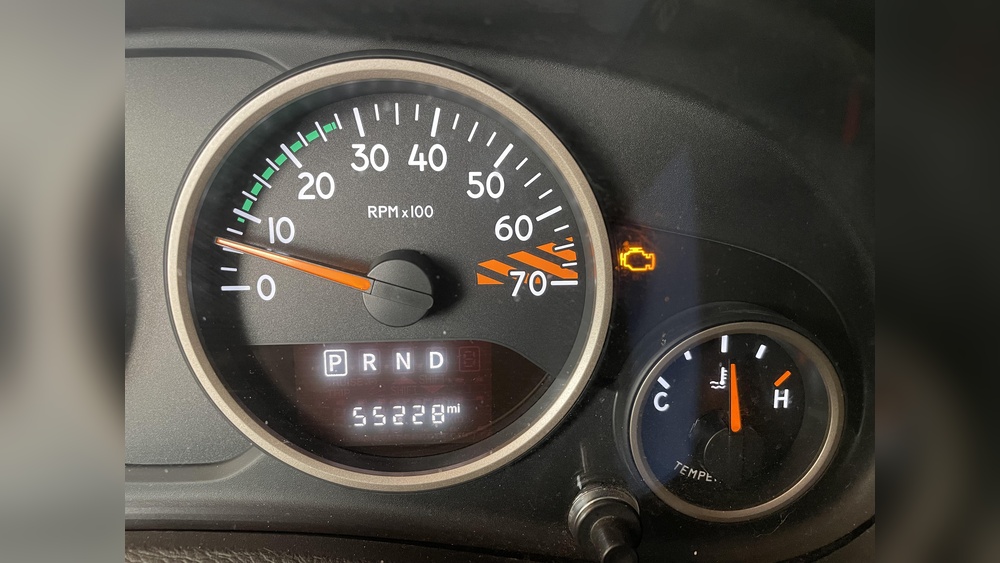
If your Jeep Grand Cherokee’s engine is overheating, or you’ve recently changed the coolant, you may need to bleed the coolant system. Air pockets trapped inside the cooling system can cause poor heater performance, temperature spikes, or even engine damage. Bleeding removes these air bubbles, ensuring your engine stays cool and reliable. This guide explains how to bleed the coolant system on a Jeep Grand Cherokee, what tools you need, common mistakes, and some tips that many beginners often miss.
Why Bleeding The Coolant System Matters
The cooling system in your Jeep Grand Cherokee is designed to circulate coolant smoothly. Air pockets can block this flow, especially around the thermostat or heater core. When this happens, the engine can overheat, or you might notice the heater blowing cold air. In severe cases, trapped air can cause the engine to warp or crack.
Here are signs you need to bleed your system:
- Rising or fluctuating temperature gauge
- Coolant reservoir overflowing
- Little or no heat from vents
- Recent coolant flush or radiator replacement
Tools And Supplies You Will Need
Gather these items before starting:
- Coolant (correct type for your engine)
- Distilled water
- Funnel (preferably one with a spill-free adapter)
- Socket set or screwdriver (to remove covers)
- Gloves and safety glasses
- Drain pan
- Rags or towels
For best results, check your owner’s manual for the recommended coolant blend. Most Jeep Grand Cherokees use HOAT (Hybrid Organic Acid Technology) or OAT coolant. Mixing types can harm the system.

Step-by-step Guide: Bleeding The Coolant System
Follow these steps for a successful bleed. Allow 30–45 minutes for the job.
1. Prepare The Vehicle
- Park on a level surface.
- Set the parking brake.
- Make sure the engine is cool before opening the radiator cap.
2. Fill The Radiator
- Remove the radiator cap and coolant reservoir cap.
- Insert the funnel into the radiator.
- Slowly pour coolant until full, then top off the reservoir to the “max” line.
3. Locate The Bleeder Valve (if Equipped)
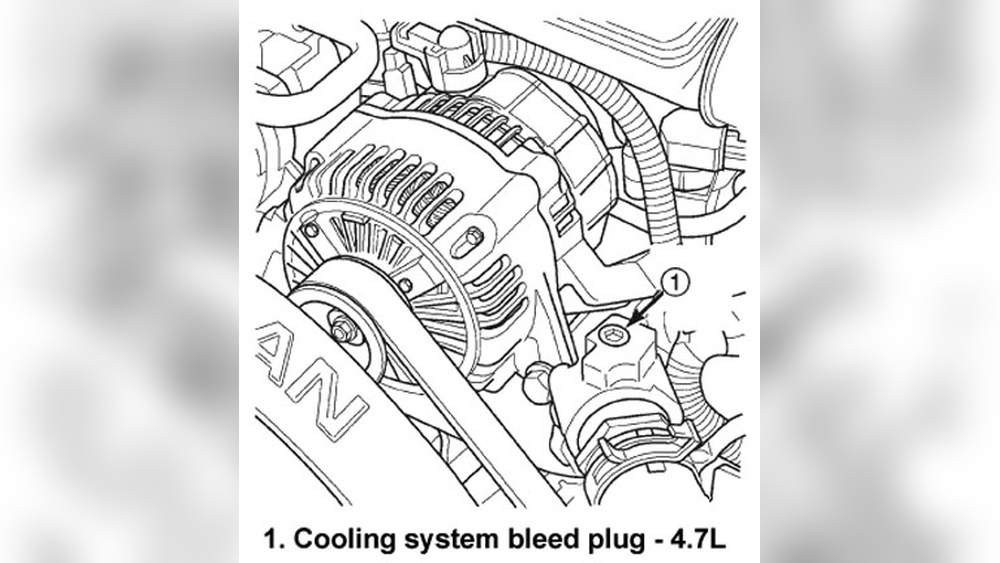
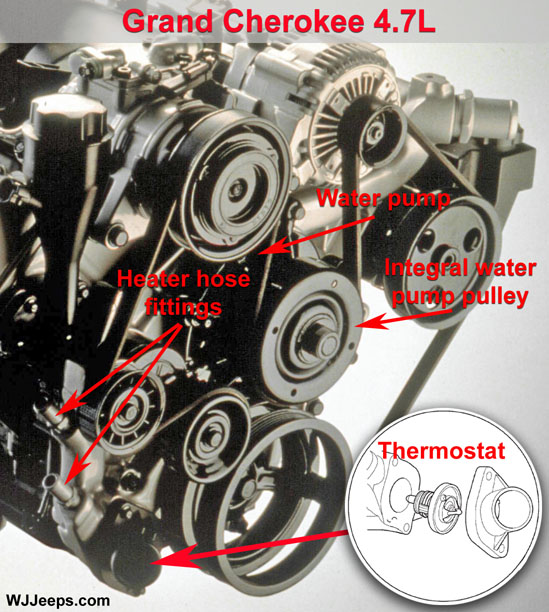
Some Grand Cherokees have a bleeder valve near the thermostat housing. If your model has one, loosen it slightly with a wrench until you hear air escaping.
4. Start The Engine And Run The Heater
- Start the engine and set the heater to max (hot, highest fan).
- Let the engine idle.
- Watch for bubbles in the funnel or at the bleeder valve.
- Add more coolant if the level drops.
5. Monitor And Top Off
- As the thermostat opens, the coolant level may drop. Keep topping up as needed.
- Once steady coolant (no bubbles) flows from the bleeder valve, tighten it.
- Keep the engine running until you see a steady stream of hot air from the vents.
6. Finish Up
- Reinstall the radiator and reservoir caps.
- Turn off the engine and let it cool.
- Check coolant levels again after 30 minutes and top off if needed.
Common Mistakes And How To Avoid Them
Many Jeep owners make errors that leave air in the system or damage components. Here’s how to avoid trouble:
- Don’t rush the process. Allow time for all air to escape.
- Never open a hot radiator. Pressurized steam can cause burns.
- Use the right coolant. Mixing types can cause chemical reactions.
- Don’t forget the heater. If you skip running the heater, air can stay trapped in the core.
- Do not overfill. Leave room for coolant to expand.
A surprising detail: even after bleeding, some air may slowly work its way out during the next few drives. Always recheck coolant levels for the next few days.
Comparison: Bleeder Valve Vs. No Bleeder Valve
Different Jeep Grand Cherokee models handle air removal differently. Here’s a quick comparison:
| Method | Ease of Use | Effectiveness | Notes |
|---|---|---|---|
| With Bleeder Valve | Easy | High | Direct air removal |
| Without Bleeder Valve | Moderate | Medium | Requires more patience |
If your model lacks a bleeder valve, you can still bleed the system using the funnel method and running the engine with the radiator cap off.
Coolant Types And Mixing Risks
Choosing the right coolant is essential. Here’s a quick comparison:
| Coolant Type | Color | Recommended For | Mixing Risk |
|---|---|---|---|
| HOAT | Orange/Yellow | 2005–2012 Grand Cherokee | High (if mixed with OAT) |
| OAT | Purple | 2013–present Grand Cherokee | High (if mixed with HOAT) |
| Green (Old Type) | Green | Pre-2005 models | Very High |
Mixing different types can cause sludge and reduce cooling efficiency. If unsure, flush the old coolant before adding new.
Extra Tips For A Smooth Bleed
- Use distilled water if mixing coolant from concentrate. Tap water can add minerals that damage the system.
- Squeeze the upper radiator hose gently during bleeding to help push out trapped air.
- If you see sudden temperature spikes after bleeding, recheck for air pockets.
Signs The System Is Properly Bled
After the bleed, look for these signs:
- Stable temperature gauge (mid-range)
- Strong, hot air from the heater
- No gurgling sounds from the dashboard
- Coolant level remains steady after several drives
If you notice overheating, repeating the bleeding process may be necessary. Persistent problems could mean a leak or a faulty thermostat.

Frequently Asked Questions
How Often Should I Bleed The Coolant System?
You only need to bleed after draining the coolant, replacing a radiator, or if you notice air in the system. Routine coolant changes every 5 years or 100,000 miles are typical for modern Jeeps.
Can I Drive If There’s Still Air In The System?
It’s risky. Air pockets can cause overheating or heater failure. Always bleed the system fully before driving long distances.
What Should I Do If The Coolant Level Keeps Dropping?
You may have a leak, a bad radiator cap, or a blown head gasket. Pressure-test the system or consult a mechanic if the problem continues.
Is There A Special Tool For Bleeding The System?
A spill-free funnel helps, but no special tool is needed for most Grand Cherokees. Some shops use a vacuum bleeder for faster air removal.
Where Can I Find More Details For My Specific Year/model?
Check your owner’s manual or visit the official Jeep website for diagrams and coolant specifications.
Bleeding your Jeep Grand Cherokee’s coolant system is simple with the right approach. By taking your time and following each step, you’ll protect your engine and stay safe on the road.