Getting a manual Jeep Wrangler into 4WD sounds simple, but many drivers feel unsure about the process. You might worry about damaging your transmission or getting stuck off-road. Understanding how to use your 4WD system can help you drive confidently on mud, snow, sand, or rocky trails. This guide will explain step-by-step how to put a manual Jeep Wrangler in 4WD, with tips, common mistakes, and facts that most beginners miss. You’ll also find helpful tables and answers to the most frequent questions from Jeep owners.
What Is 4wd In A Jeep Wrangler?
The Jeep Wrangler has a part-time 4WD system. This means you can switch between 2WD (rear wheels only) and 4WD (all wheels). When roads are slippery or off-road, 4WD helps your Jeep stay stable and avoid getting stuck. Wranglers use a transfer case to shift between modes.
Types Of 4wd Modes
Most manual Jeep Wranglers offer these modes:
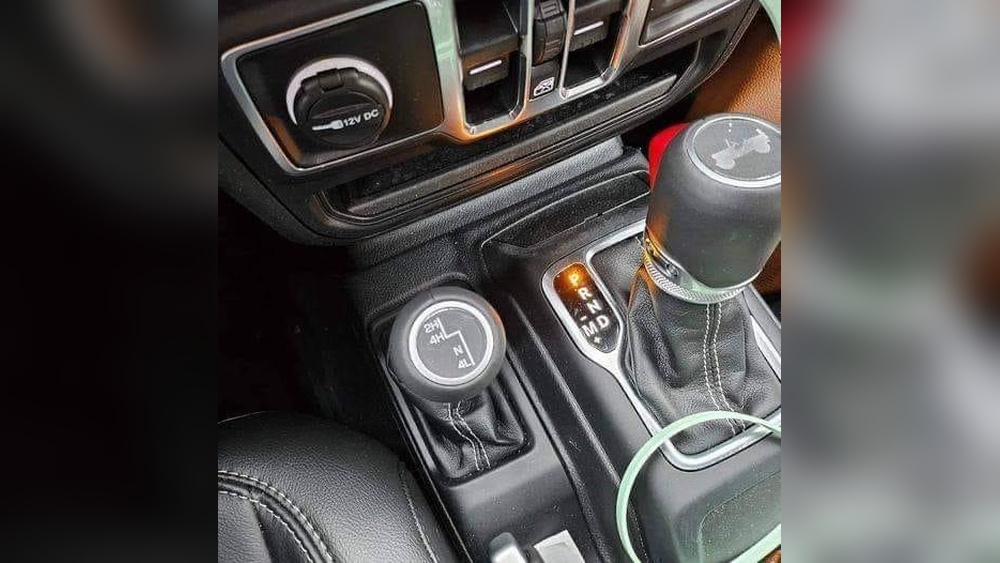
- 2H (Two-Wheel Drive High): For dry, normal roads.
- 4H (Four-Wheel Drive High): For loose surfaces (sand, snow, gravel).
- 4L (Four-Wheel Drive Low): For deep mud, steep climbs, or heavy off-road.
| Mode | Use Case | Speed Range |
|---|---|---|
| 2H | Normal driving | 0–75 mph |
| 4H | Slippery/loose roads | 0–55 mph |
| 4L | Extreme off-road | 0–10 mph |
Step-by-step: Putting Your Jeep Wrangler In 4wd
Switching your manual Jeep Wrangler into 4WD is not complicated, but the right steps matter. Follow these instructions to avoid damage and get the best performance.
- Check Your Surface
- Only use 4WD on slippery, loose, or off-road terrain. Using it on dry pavement can cause drivetrain problems.
- Slow Down
- For 4H, reduce speed to below 55 mph. For 4L, slow to under 5 mph.
- Press the Clutch
- In a manual Wrangler, always press the clutch pedal before shifting the transfer case.
- Move the Transfer Case Lever
- Find the transfer case lever (usually next to the gear shifter).
- For 4H: Shift from 2H to 4H. This can be done while moving (slowly) or stopped.
- For 4L: Stop the vehicle, press clutch, and shift from 4H to 4L. Do not force the lever; it should move smoothly.
- Release the Clutch
- Let the clutch out gently. Listen for any unusual sounds.
- Check Indicator Lights
- Most Wranglers have dashboard lights showing the 4WD status. Make sure the correct light turns on.
- Drive Carefully
- In 4WD, turn slowly. Avoid sharp turns on hard surfaces.
| Action | Recommended Speed | Do You Need to Stop? |
|---|---|---|
| Shift to 4H | Under 55 mph | No |
| Shift to 4L | Under 5 mph | Yes |
| Shift back to 2H | Any speed | No |
Common Mistakes And How To Avoid Them
Many beginners make errors that can harm their Jeep or create unsafe driving situations. Here are the most frequent mistakes:
- Using 4WD on dry pavement
- This stresses the drivetrain and can cause expensive repairs.
- Forcing the transfer lever
- If the lever resists, do not push hard. Instead, wiggle the Jeep slightly, or shift between gear positions to help alignment.
- Not pressing the clutch
- Skipping the clutch can grind gears and damage the transfer case.
- Ignoring dashboard lights
- If the 4WD light doesn’t come on, the system may not be engaged.
- Turning sharply in 4WD
- Sharp turns can cause wheel binding, especially on hard surfaces.
Practical Tips For Using 4wd
- Practice shifting the transfer case at home or in a safe parking lot before heading off-road.
- If you hear clunks or grinding, stop and check for problems.
- After using 4WD, always shift back to 2H when returning to normal roads.
- In cold weather, shifting can feel stiff. Try moving the Jeep a few inches forward or backward before shifting.
- If you plan to tow heavy loads, use 4L for extra torque.

Non-obvious Insights
Most guides miss these important points:
- If you drive in snow but the roads are partly clear, switch between 4H and 2H as conditions change. Staying in 4WD too long on dry parts can wear tires and parts.
- Some older Wranglers have manual locking hubs. If yours does, you must exit the vehicle and turn the hubs on each front wheel before engaging 4WD. Most modern Wranglers have automatic hubs.
How 4wd Improves Safety And Performance
Using 4WD correctly increases traction and helps prevent getting stuck. It’s especially valuable for:
- Off-road trails
- Steep hills
- Deep mud or snow
Data shows that Jeeps with 4WD engaged have up to 40% more traction on slippery surfaces compared to 2WD. This means safer driving and more control.
| Condition | 2WD Traction (%) | 4WD Traction (%) |
|---|---|---|
| Dry pavement | 100 | 100 |
| Snowy road | 60 | 85 |
| Loose gravel | 65 | 90 |
| Muddy trail | 50 | 80 |
Frequently Asked Questions
How Often Should I Use 4wd In My Jeep Wrangler?
Use 4WD only when roads are slippery, muddy, or off-road. Using it on dry pavement can damage your Jeep.
Can I Shift Into 4wd While Driving?
Yes, you can shift into 4H while moving slowly (below 55 mph). For 4L, always stop the Jeep before shifting.
What Happens If I Leave My Wrangler In 4wd On Normal Roads?
Driving in 4WD on dry roads can cause drivetrain binding, tire wear, and possible transmission damage.
How Do I Know If 4wd Is Engaged?
Check your dashboard lights. When 4WD is engaged, the light should turn on. If not, the system may not be engaged.
Is There A Difference Between Automatic And Manual Jeep Wrangler 4wd?
Yes. Automatic Wranglers can switch modes electronically, while manual Wranglers use a lever and clutch. Always follow the steps for your Jeep’s model.
Learning to shift your manual Jeep Wrangler into 4WD is a skill that brings confidence and safety. Always follow the right steps, avoid common mistakes, and use 4WD only when needed. With these tips, you’ll enjoy the full capability of your Jeep, whether you’re tackling snowy roads or exploring wild trails. For more technical details, visit the official Jeep Wrangler site.