Regearing your Jeep JK is one of the most important upgrades if you run larger tires, tow often, or want to restore lost performance. Many Jeep owners notice their vehicle feels sluggish or strains more after installing bigger tires. This is because the stock gear ratios are no longer matched to the new tire size or driving style. If you want your Jeep to feel lively again, get better fuel economy, and protect your drivetrain, learning how to regear your Jeep JK is essential.
What Is Regearing And Why Does It Matter?
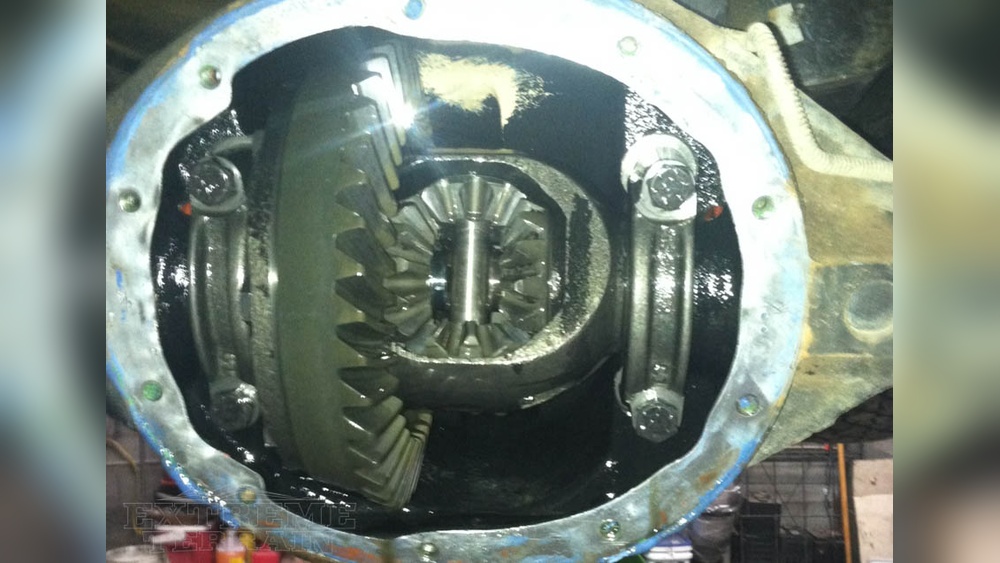
Regearing means changing the ring and pinion gears in your Jeep’s axles. These gears control how many times your driveshaft turns for each rotation of your wheels. If you increase tire size, your Jeep’s engine works harder to move those bigger, heavier tires, especially at low speeds or up steep hills.
By installing a lower (numerically higher) gear ratio, you bring your Jeep’s performance back to factory levels—or sometimes better. For example, moving from 3.21 gears to 4.56 or 4.88 helps restore lost torque and acceleration.
Key Benefits Of Regearing
- Improved acceleration with larger tires
- Lower engine strain when towing or climbing hills
- Better fuel economy in many cases
- Reduced transmission overheating
- Correct speedometer reading when combined with a tuner
Choosing The Right Gear Ratio
Picking the best gear ratio depends on your tire size, engine, and how you use your Jeep. Here’s a comparison of common ratios for the Jeep JK:
| Tire Size | Daily Driving | Off-Roading/Towing |
|---|---|---|
| 33″ | 4.10 | 4.56 |
| 35″ | 4.56 | 4.88 |
| 37″ | 4.88 | 5.13 |
Non-obvious insight: If you drive mostly on highways, a slightly lower ratio (e.g., 4.56 with 35” tires) can help keep your RPMs reasonable at cruising speed. For heavy off-roading or towing, go higher (e.g., 4.88 or 5.13).
Tools And Parts Needed
You will need specialized tools and parts. Most Jeep owners prefer a professional shop, but understanding the process is valuable.
Essential parts:
- Front and rear ring & pinion gear sets
- Master install kits (with bearings, seals, shims)
- Gear oil (per axle, usually 2-3 quarts each)
- RTV gasket maker
Key tools:
- Torque wrench
- Dial indicator with magnetic base
- Bearing puller and press
- Impact wrench
- Large sockets (for pinion nut)
- Jack stands or lift
Pro tip: Many shops refuse to warranty a self-install unless you can prove you have professional tools and experience.
Step-by-step Regear Process
The actual gear change is detailed and requires precision. Here’s an overview of the main steps:
- Raise and support the Jeep securely.
- Remove wheels and axle shafts.
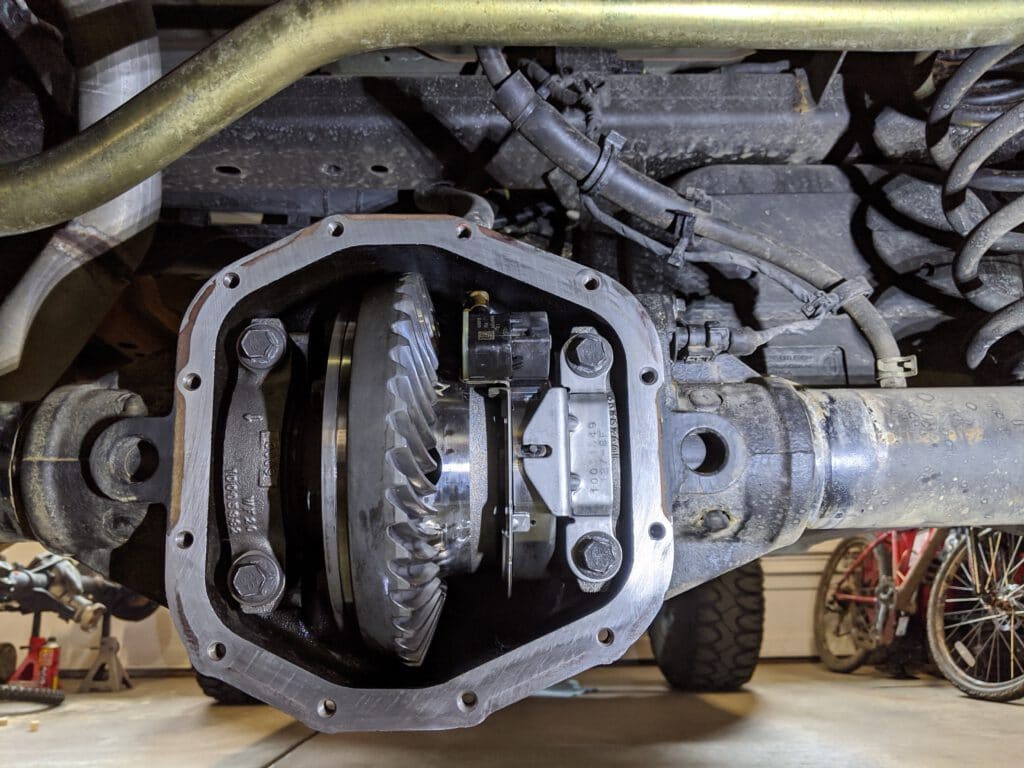
- Drain the differential oil and remove the differential cover.
- Mark and remove the carrier and pinion gear.
- Install new bearings on the new pinion and carrier.
- Set pinion depth using shims.
- Install new ring gear on the carrier.
- Install carrier and set backlash using shims.
- Check gear pattern using gear paint.
- Reassemble with proper torque specs and fill with gear oil.
| Step | Time Required (approx.) | Critical Tool |
|---|---|---|
| Disassembly | 2-3 hours | Impact Wrench |
| Setup & Install | 3-5 hours | Dial Indicator |
| Reassembly | 1-2 hours | Torque Wrench |
Non-obvious insight: The hardest part is setting the correct backlash and gear pattern. Too loose or tight, and your gears will wear out quickly or make noise.

Common Mistakes And How To Avoid Them
- Skipping break-in: New gears need a break-in period. Drive gently for 500 miles, avoid towing, and change oil after.
- Incorrect shimming: Using old shims or guessing the pattern can ruin the gears.
- Not recalibrating the speedometer: After regearing, use a programmer to adjust for the new ratio.
Cost And Professional Install Vs Diy
Regearing is not cheap, but it’s often the best investment for performance and drivetrain life.
| Service | Typical Cost (USD) | Notes |
|---|---|---|
| Parts (gears, kits) | $600–$1000 | Both axles |
| Labor (shop) | $1000–$1800 | Both axles |
| DIY tools | $200–$500 | One-time cost |
Tip: For most Jeep JK owners, a professional install is the best choice. Gear setup requires precise measurements and mistakes can be very expensive.
Final Thoughts
Regearing your Jeep JK is a technical process but brings major improvements in driveability, especially with big tires or heavy loads. Choose the right ratio for your needs, use quality parts, and don’t rush the setup. If you’re not experienced with differentials, find a trusted 4×4 shop—they’ll get it right, and you’ll enjoy your Jeep more than ever. For further technical details, the Jeep Official Site is a reliable resource.
Frequently Asked Questions
How Do I Know If I Need To Regear My Jeep Jk?
You may need to regear if you’ve installed larger tires and notice sluggish acceleration, poor fuel economy, or your transmission shifts too often.
Can I Drive My Jeep Jk With The Wrong Gears?
Driving with the wrong gear ratio puts extra stress on your engine and transmission. It can lead to overheating, faster wear, and even mechanical failure over time.
Is Regearing Needed For 33-inch Tires?
With 33” tires, regearing is not always required, but it improves performance and MPG—especially if you drive in hills or tow.
How Long Does A Professional Regear Take?
A shop usually completes the job in 1-2 days. DIY can take much longer, especially for beginners.
Will Regearing Void My Jeep Warranty?
Regearing may affect certain warranty claims, especially if not done by a certified shop. Always check with your dealer before modifying your drivetrain.