Many drivers choose the Jeep Cherokee for its strong off-road abilities and reliable four-wheel drive (4WD) system. But switching to 4WD can feel confusing, especially if you’re new to the vehicle or four-wheel drive in general. The process can also be different depending on your Cherokee’s model year or specific 4WD system. Getting this right matters—not just for your adventure, but for the health of your Jeep.
In this guide, you’ll learn exactly how to put your Jeep Cherokee in four-wheel drive. We’ll break down the four main 4WD systems used in Cherokees, covering each with simple steps, key tips, and common mistakes. Whether you’re facing snow, mud, or rocky trails, you’ll know what to do—and what not to do—so you get the best performance from your vehicle.
Understanding Jeep Cherokee 4wd Systems
Jeep Cherokees come with different four-wheel drive systems. Each works a little differently. The main systems you’ll find are:
- Command-Trac
- Selec-Trac
- Active Drive I
- Active Drive II
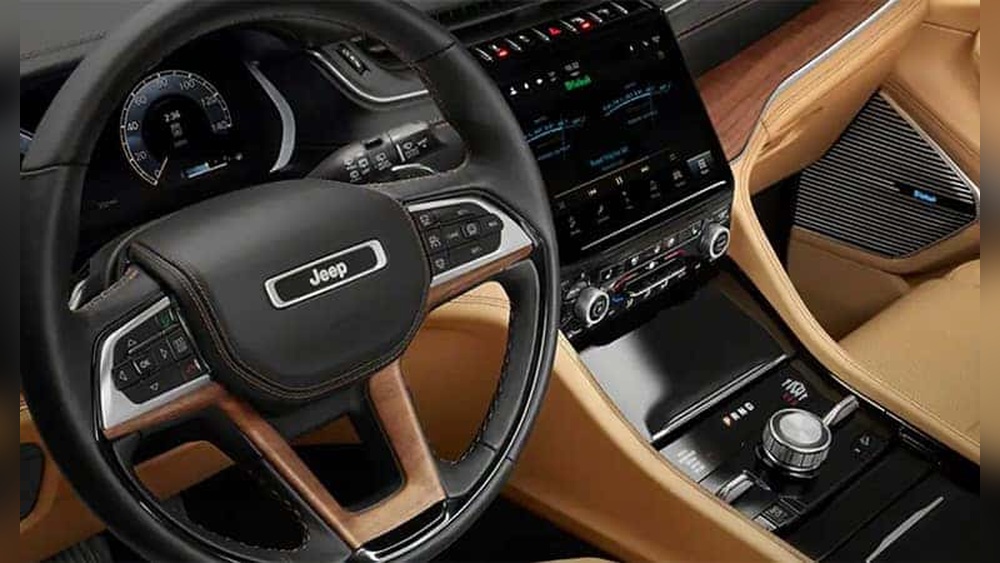
Knowing which system your Jeep uses is the first step. You can usually find this information in your owner’s manual or by looking at the 4WD controls on your console.
| System | Type | Control Location | Best Use |
|---|---|---|---|
| Command-Trac | Manual | Floor/center console lever | Off-road, snow |
| Selec-Trac | Manual/Automatic | Console knob/lever | All conditions |
| Active Drive I | Automatic | Button or dial | Everyday driving |
| Active Drive II | Automatic with low gear | Button or dial | Serious off-road |
Let’s look at each system and how to engage 4WD safely.
How To Put Jeep Cherokee In 4 Wheel Drive
Command-trac
Command-Trac is a part-time, manually operated 4WD system, usually found in older or base-model Cherokees.
Steps to engage Command-Trac 4WD:
- Stop or drive slowly (under 3 mph) and shift your transmission into neutral.
- Locate the 4WD lever near your gear shifter.
- Pull the lever from 2H (two-wheel drive high) to 4H (four-wheel drive high) for normal 4WD. For tougher situations, you can shift to 4L (four-wheel drive low), but only when stopped.
- Shift the transmission back to drive (D).
Tips:
- Only use 4H or 4L on loose surfaces like snow, mud, or dirt.
- Never use 4WD on dry pavement. This can damage the drivetrain.
Selec-trac
Selec-Trac is more advanced and can be found on newer Cherokees. It offers both full-time and part-time modes.
How to activate Selec-Trac 4WD:
- Identify the Selec-Trac knob or lever on your center console.
- For full-time 4WD, simply turn the knob to “4WD Auto.” The system will adjust as needed.
- For rough terrain, you can select “4WD Low,” but stop the vehicle first and shift into neutral before switching.
- Return to “2WD” or “Auto” for regular driving.
Tips:
- Selec-Trac can be used on dry pavement when in Auto mode.
- 4WD Low is only for slow, challenging conditions—never use it at high speed.
Active Drive I
Active Drive I is a fully automatic system, common on newer models. It switches between two and four-wheel drive as needed.
How it works:
- You don’t need to do anything. The system senses wheel slip and engages 4WD automatically.
- If your Jeep has a “4WD Lock” mode, you can activate it using a button or dial when extra traction is needed (like deep snow).
Tips:
- Watch for a dashboard light that shows when 4WD is active.
- Even though it’s automatic, reading the manual helps you understand when the system is working.
Active Drive Ii
Active Drive II adds a low-range gear for serious off-road use.
Steps to use Active Drive II 4WD:
- For most situations, the system works automatically like Active Drive I.
- For steep hills or tough terrain, stop the vehicle and shift the transmission into neutral.
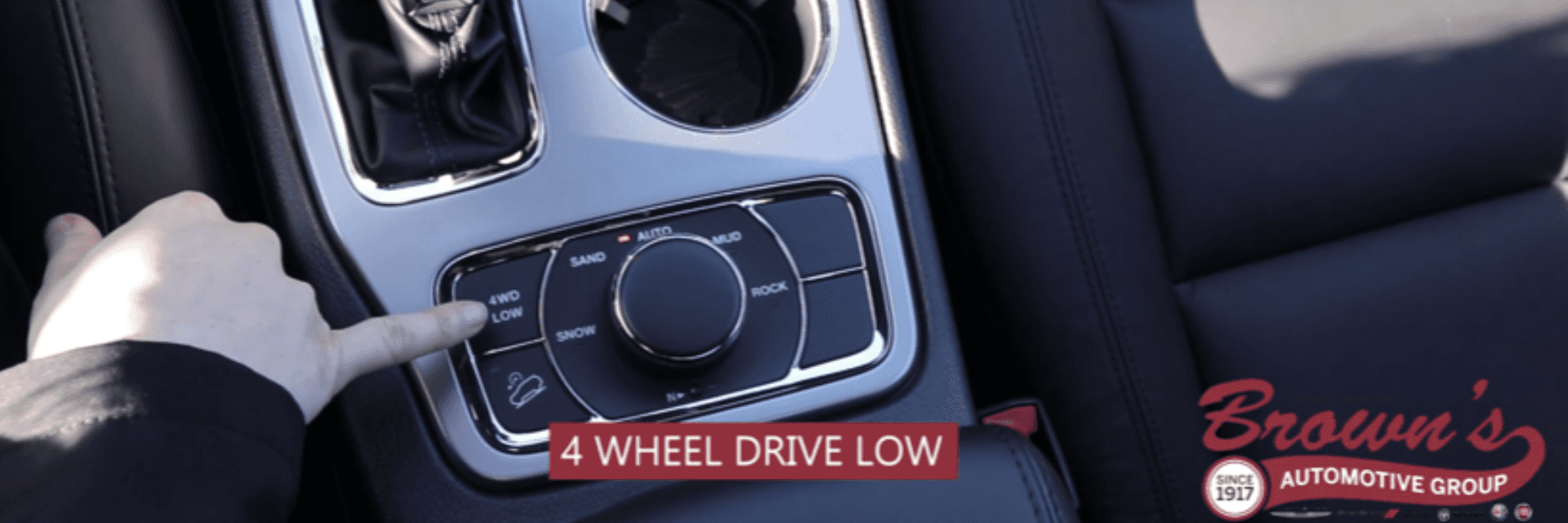
- Turn the dial or press the button to select “4WD Low.”
- Shift back into drive (D) and move at low speed.
Tips:
- Only use 4WD Low for very rough, slow driving.
- Don’t switch to 4WD Low while moving.
| System | Manual or Automatic | Low-Range Option | Switch Method |
|---|---|---|---|
| Command-Trac | Manual | Yes | Lever |
| Selec-Trac | Manual/Auto | Yes | Knob/Lever |
| Active Drive I | Automatic | No | Button/Dial (optional) |
| Active Drive II | Automatic | Yes | Button/Dial |
Common Mistakes When Using 4wd
Many drivers make similar mistakes when using 4WD for the first time:
- Using 4WD on dry roads—this can cause drivetrain damage and extra tire wear.
- Switching between 4H and 4L while moving—always stop the vehicle first.
- Forgetting to return to 2WD after leaving off-road conditions—this can waste fuel and stress the system.
- Not checking the owner’s manual—details can change between years and models.
Real-world Example
Imagine you’re driving a 2019 Jeep Cherokee Trailhawk with Active Drive II. You’re facing a steep, muddy hill. You stop, shift to neutral, select “4WD Low,” then shift back to drive. The system delivers extra torque, helping your Jeep climb without slipping.
Once you’re back on normal roads, you return to auto mode to save fuel.

When Should You Use 4 Wheel Drive?
Use 4WD in the following situations:
- Snowy or icy roads where tires slip
- Mud, sand, or gravel off-road conditions
- Steep hills or rocky terrain that require more traction
Avoid 4WD on dry pavement. The extra grip isn’t needed and can cause mechanical issues.
Practical Tips For New Jeep Owners
- Know your system. Check your owner’s manual to confirm which 4WD system you have.
- Practice in a safe area. Try switching between modes in an empty parking lot before you need it in real conditions.
- Listen for noises. If you hear grinding or clunking when shifting, stop and check your process.
- Check tire pressure. Uneven tires can reduce 4WD performance.

Frequently Asked Questions
How Do I Know Which 4wd System My Jeep Cherokee Has?
You can find this in your owner’s manual or by checking the labels near the 4WD controls. If you’re unsure, ask your dealer or look up your VIN on the Jeep website.
Can I Switch To 4wd While Driving?
For most systems, you can shift from 2H to 4H at low speeds (under 55 mph), but always stop before engaging 4L. Active Drive systems handle this automatically.
Is It Bad To Leave My Jeep In 4wd All The Time?
For part-time systems like Command-Trac, yes—using 4WD on dry pavement can cause damage. Full-time or automatic systems like Selec-Trac and Active Drive are designed for all-condition use.
What’s The Difference Between 4h And 4l?
4H (high range) is for normal off-road or slippery roads at regular speeds. 4L (low range) is for slow, tough terrain where extra torque is needed.
Where Can I Learn More About Jeep 4wd Systems?
You can find detailed information on the official Jeep website.
Using your Jeep Cherokee’s 4WD correctly gives you better control, safety, and fun—whether you’re on the highway or deep in the backcountry. Take time to learn your system, and you’ll be ready for whatever the road brings.