Have you ever noticed an unfamiliar warning light flashing on your Jeep Grand Cherokee’s dashboard and wondered what it means? That little symbol can feel like a mystery—especially when you’re not sure if it signals a minor issue or something more serious.
Understanding what the “A” warning light means on your Jeep’s display is crucial to keeping your vehicle running smoothly and avoiding unexpected breakdowns. You’ll learn exactly what that warning light represents, why it appears, and what steps you should take right away.
Keep reading to make sure you’re never caught off guard when your Jeep’s dashboard lights up with a warning.
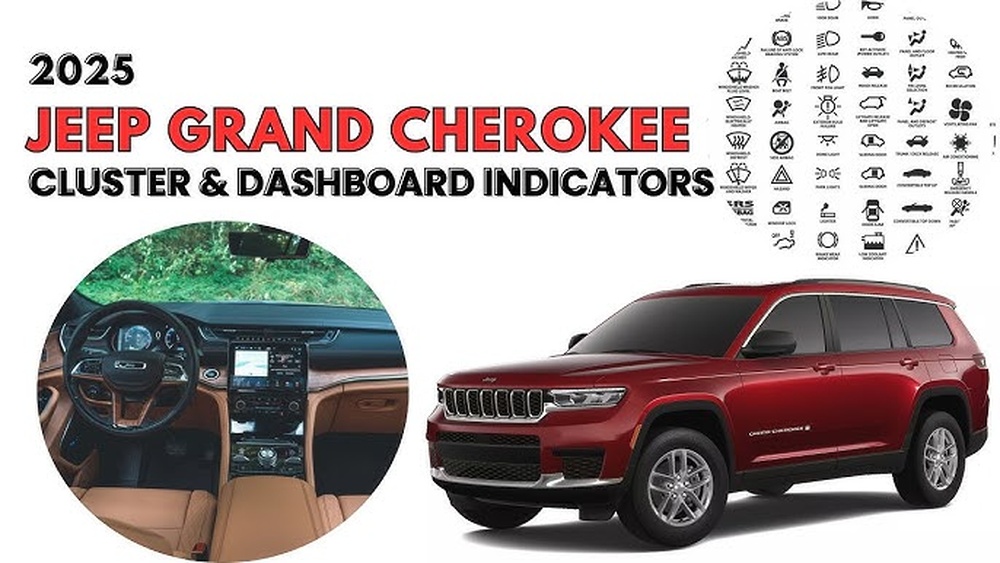

Critical Jeep Warning Lights
The warning lights on your Jeep Grand Cherokee dashboard alert you about the vehicle’s health. Some lights signal urgent problems that need quick attention. Understanding these critical warning lights helps keep your Jeep safe and running smoothly.
Each light color means something different. Red lights warn of serious issues. Yellow or amber lights indicate caution or maintenance needs. Green and blue lights provide general information about your Jeep’s systems.
Red Warning Lights
Red warning lights mean immediate action is necessary. They signal problems that could harm your Jeep or cause accidents. Examples include the oil pressure light, brake system warning, and engine temperature alert. If you see a red light, stop driving and check the issue. Ignoring red lights may lead to costly repairs or unsafe conditions.
Yellow And Amber Alerts
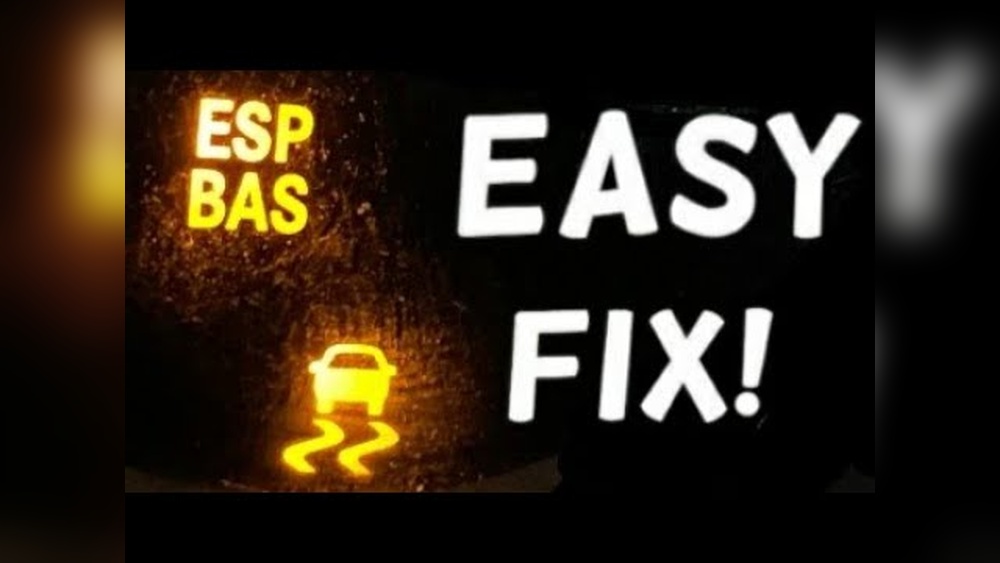
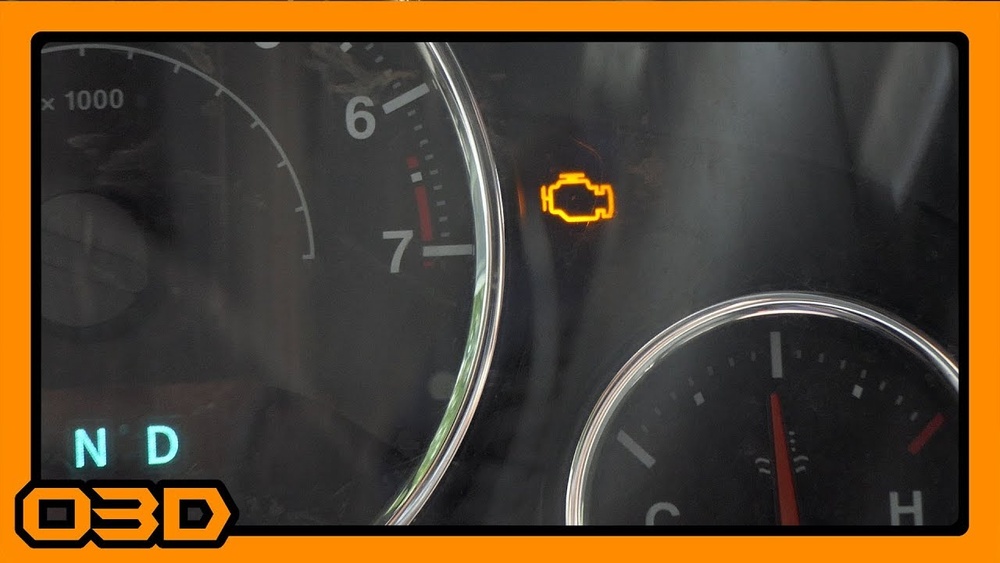
Yellow or amber lights show caution. They warn about issues needing attention soon, but not immediately. Common amber alerts include the check engine light and tire pressure warning. These lights suggest a system is not working perfectly. Schedule a service visit to fix the problem before it worsens. Driving with these alerts is possible but not ideal.
Green And Blue Indicators
Green and blue lights provide helpful information. They confirm that a system is active or working correctly. For example, blue lights often indicate high beam headlights are on. Green lights may show cruise control or turn signals in use. These lights do not require action but keep you informed while driving.
Stop/start System Alerts
The Stop/Start system in the Jeep Grand Cherokee helps save fuel by turning off the engine when stopped. Sometimes, the system shows alerts on the dashboard. These alerts warn drivers about issues with the Stop/Start feature. Understanding these alerts helps keep the vehicle running smoothly.
Many drivers see an “A” symbol related to this system. This symbol appears with other indicators to catch your attention. Knowing what this means can prevent unexpected problems while driving.
Meaning Of The ‘a’ Symbol
The ‘A’ symbol inside a circle means the Stop/Start system has a problem. If the symbol has an exclamation mark, it signals a fault. This warning means the system may not work correctly. The vehicle might not shut off the engine automatically at stops.
This alert appears in amber color, showing it is a caution. It does not always mean an emergency, but you should check it soon. Ignoring it could lead to higher fuel use or engine wear.
Common Causes For Stop/start Warnings
Several issues can trigger the Stop/Start warning light. A weak battery is a common cause. The system needs enough battery power to restart the engine quickly. If the battery is low, the system may disable itself.
Another cause is extreme temperature. Very hot or cold weather can stop the system from working. Engine problems or sensor failures can also cause the alert. Sometimes, the system turns off if the seatbelt is not fastened.
Troubleshooting Auto Start/stop Issues
Start by checking the battery health. A weak battery often needs replacement or recharge. Clean battery terminals to ensure good connection. If the battery is fine, look for error codes with a scanner tool.
Check that all sensors related to the system are working. Make sure seatbelts are fastened during stops. Also, check engine temperature and fluid levels. If the warning stays on, visit a mechanic for a full inspection.
Engine And Oil Warnings
The engine and oil warning lights on your Jeep Grand Cherokee dashboard alert you to critical issues. These lights help protect your engine and maintain performance. Ignoring them can lead to costly repairs or breakdowns.
Understanding these warnings allows you to act quickly and keep your vehicle running safely. Each light signals a specific problem related to oil pressure, engine temperature, or engine function.
Low Oil Pressure Light
The low oil pressure light signals that your engine oil pressure is too low. This warning means the engine might not get enough lubrication. Driving with low oil pressure can cause severe engine damage. Stop the vehicle immediately and check the oil level. Add oil if needed. If the light stays on, seek professional help.
Engine Temperature Alerts
The engine temperature alert warns when your engine gets too hot. High engine temperature can cause overheating and damage. Pull over safely and turn off the engine to cool down. Check the coolant level and look for leaks. Avoid driving until the issue is fixed to prevent engine failure.
Check Engine Light Signals
The check engine light indicates a problem with the engine or emission system. It can mean many issues, from a loose gas cap to a serious engine fault. Do not ignore this light. Have your vehicle scanned for error codes. Prompt diagnosis helps avoid bigger problems and keeps your Jeep running smoothly.
Brake And Tire Alerts
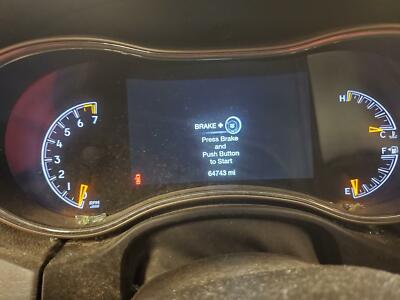
The Jeep Grand Cherokee uses brake and tire alerts to keep drivers safe. These alerts show up as warning lights on the dashboard. They help you know when your vehicle needs attention. Understanding these lights can prevent accidents and costly repairs.
Brake System Warning Lights
The brake system warning light signals a problem with brakes. It may mean low brake fluid or worn brake pads. This light can also indicate an issue with the brake system itself. Stop the vehicle safely and check the brakes immediately. Ignoring this warning can reduce stopping power and cause accidents.
Tire Pressure Monitoring
The tire pressure monitoring system (TPMS) light shows when tire pressure is low. Proper tire pressure is important for safety and fuel efficiency. The light turns on if one or more tires need air. Check all tires with a pressure gauge and fill to the recommended level. Driving with low tire pressure can cause poor handling and tire damage.
Loose Gas Cap Indicator
The loose gas cap indicator warns about a gas cap that is not sealed properly. A loose gas cap can cause fuel vapors to escape. This may trigger the check engine light and reduce fuel efficiency. Tighten the gas cap until it clicks to fix this issue. The light will turn off after a few driving cycles.
Battery And Charging System
The battery and charging system in your Jeep Grand Cherokee powers all electrical components. It keeps the engine running and charges the battery while driving. Any issue with this system can cause warning lights to appear on your dashboard. Understanding these warnings helps prevent breakdowns and costly repairs.
Battery Warning Light
The battery warning light signals a problem with the battery or charging system. It usually looks like a battery symbol on the dashboard. When this light turns on, your battery may not be charging properly. The vehicle could lose power and eventually stall. Check the battery connections for corrosion or looseness. A failing battery may need replacement to avoid getting stranded.
Alternator And Charging Issues
The alternator charges the battery and powers the electrical system when the engine runs. If the alternator fails, the battery drains quickly. This can trigger the battery warning light. Symptoms include dim headlights and electrical malfunctions. Alternator problems need prompt attention to keep your Jeep reliable. A mechanic can test and replace a faulty alternator to restore proper charging.
Master Warning Light
The Master Warning Light on a Jeep Grand Cherokee alerts you to important issues. It signals a problem that needs attention but is not always an emergency. The light usually appears as a yellow or amber triangle with an exclamation mark inside.
This warning helps you avoid further damage by notifying you early. It often works together with messages or other indicator lights on the dashboard. Understanding this light can keep your Jeep running safely and smoothly.
When It Appears
The Master Warning Light turns on when the vehicle detects a system fault. It can appear during startup or while driving. Common causes include low fuel, low washer fluid, or a problem with the tire pressure system. Sometimes, it signals issues with the engine or brakes.
The light stays on until the problem is fixed or the system resets. Ignoring it may lead to bigger repairs or unsafe conditions. Pay close attention to any other warning signs on the dashboard at the same time.
Actions To Take
Check the dashboard for additional messages or warning lights. Review your owner’s manual to understand the specific issue. Address simple problems like low fluids or tire pressure immediately.
For complex issues, schedule a service appointment with a Jeep technician. Avoid driving long distances until the warning clears and the problem is fixed. Regular maintenance helps prevent the Master Warning Light from coming on.
Common Causes For Warning Lights
The warning lights on your Jeep Grand Cherokee’s dashboard alert you to potential issues. Understanding common causes helps you respond quickly. These lights can signal problems ranging from simple maintenance needs to serious mechanical faults. Knowing what triggers them can save time and money.
Battery And Electrical Problems
Battery issues often cause warning lights to appear. A weak or dead battery can trigger the battery warning light. Electrical faults, such as damaged wiring or a failing alternator, also cause alerts. These problems affect the vehicle’s power system and can lead to starting difficulties.
Sensor And System Failures
The Jeep Grand Cherokee relies on many sensors to monitor its systems. A faulty sensor may send wrong signals to the computer. This triggers warning lights like the check engine or ABS light. System failures in brakes, airbags, or engine parts also cause alerts. Sensors help prevent damage by warning drivers early.
Maintenance And Fluid Levels
Low fluid levels frequently cause warning lights to turn on. Engine oil, coolant, and brake fluid must be checked regularly. Missing scheduled maintenance can lead to these alerts. Keeping fluids topped up and following service intervals prevents many common warning light issues.
Handling Warning Light Alerts
Warning lights on your Jeep Grand Cherokee’s dashboard alert you to potential problems. Understanding how to handle these alerts keeps you safe. Reacting correctly prevents damage and costly repairs.
Different lights mean different levels of urgency. Some require immediate action, while others signal the need for routine checks. Knowing what to do helps maintain your vehicle’s health and performance.
Immediate Steps For Critical Lights
Critical warning lights usually glow red. They signal serious issues like engine overheating or low oil pressure. Stop your vehicle safely as soon as possible. Turn off the engine to avoid damage. Check the owner’s manual for specific advice. Call for roadside assistance if needed. Do not ignore these lights.
When To Visit A Mechanic
Yellow or amber lights often indicate warnings, not emergencies. Schedule a visit to your mechanic soon. These lights may warn about tire pressure, engine check, or brake issues. Do not delay repairs to avoid bigger problems. A professional diagnosis ensures your Jeep remains reliable and safe.
Preventive Maintenance Tips
Regular maintenance reduces warning light alerts. Check fluid levels like oil and coolant often. Monitor tire pressure monthly. Replace filters and spark plugs as recommended. Keep your Jeep’s software updated to fix system glitches. These simple steps extend your vehicle’s life and prevent sudden breakdowns.
Frequently Asked Questions
What Is The Symbol A On The Jeep Grand Cherokee?
The “A” symbol on a Jeep Grand Cherokee indicates an issue with the auto start/stop system. It often signals a low auxiliary battery or system malfunction. Address this warning promptly to ensure proper vehicle operation and fuel efficiency.
What Does An A With A Circle Mean On A Jeep?
The “A” with a circle on a Jeep dashboard signals an issue with the auto start/stop system. It often means the system is disabled or malfunctioning. Check the battery or system components to resolve the warning and restore normal function.
What Is The A With A Circle On My Jeep Cherokee?
The A with a circle on your Jeep Cherokee indicates an issue with the auto start/stop (ESS) system. It may signal a system malfunction or low auxiliary battery. Check your vehicle manual or visit a service center to diagnose and fix the problem promptly.
What Is The Yellow A With A Circle On My Jeep?
The yellow “A” with a circle on your Jeep indicates an issue with the Auto Start/Stop system. It often signals a low auxiliary battery or a system fault. Check your vehicle’s manual or visit a service center to diagnose and fix the problem promptly.
Conclusion
Warning lights on your Jeep Grand Cherokee keep you safe. Each light tells you about a different issue. Don’t ignore these signals. Address problems quickly to avoid costly repairs. Regular checks help keep your vehicle running well. Understanding these lights gives you peace of mind.
Drive confidently knowing you can spot issues early. Stay alert and maintain your Jeep properly. Your safety depends on how you respond to warning lights.