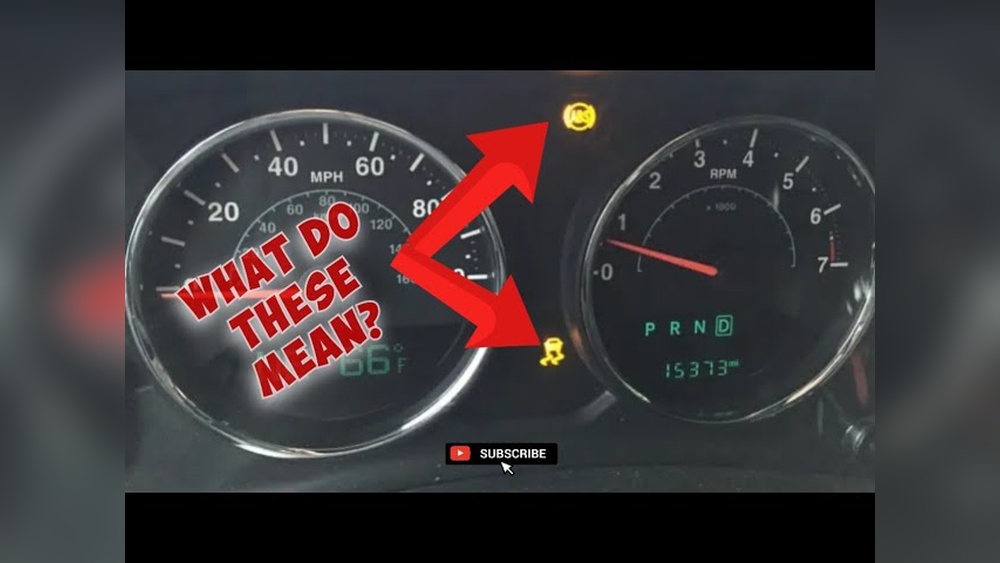
If you’ve noticed the ABS light glowing on your Jeep’s dashboard, you’re probably wondering what it means and if it’s something to worry about. That little warning light isn’t just a random flicker—it’s your Jeep’s way of telling you there might be an issue with your anti-lock braking system.
But don’t panic just yet. Understanding why the ABS light turns on can help you figure out if it’s a quick fix or something that needs urgent attention. You’ll learn exactly what triggers that ABS light, what it means for your safety, and what steps you should take next to keep your Jeep running smoothly and safely.
Keep reading—you won’t want to miss these simple tips that could save you time, money, and stress on the road.

Abs Light Functions
The ABS light on your Jeep’s dashboard shows the status of the anti-lock braking system. This system helps keep your wheels from locking during hard stops. It improves control and safety on slippery roads.
Understanding the ABS light helps you know when your Jeep needs attention. The light can signal different issues with the ABS or related parts. Knowing what it means keeps you safe and avoids costly repairs.
Role Of The Abs System
The ABS system stops your wheels from locking during sudden braking. Locked wheels can cause skidding and loss of control. The system uses sensors to monitor wheel speed.
When it detects a wheel is about to lock, it pulses the brakes rapidly. This action helps maintain traction and steering control. The ABS system is vital for safe driving, especially on wet or icy roads.
Common Abs Light Indicators
The ABS light turns on when the system finds a problem. It may stay on continuously or flash at times. Common causes include a faulty wheel speed sensor or low brake fluid.
Other reasons are damaged sensor wires, a weak battery, or a bad wheel bearing. Sometimes dirt or mud can block sensors, causing the light to activate. Checking these parts can help find the issue.
Typical Causes Of Abs Light
The ABS light on your Jeep signals a problem in the anti-lock braking system. This system helps keep control during hard braking. Several common issues cause this warning light to come on. Knowing these causes can help you identify the problem quickly.
Wheel Speed Sensor Issues
Wheel speed sensors track how fast each wheel turns. Dirt, debris, or damage can affect their performance. Off-roading can crush the sensor wires against suspension parts. A faulty sensor or broken wire sends wrong signals. This triggers the ABS light to alert you of the issue.
Low Brake Fluid Levels
Brake fluid is essential for your braking system to work correctly. If the fluid level drops too low, the ABS light will turn on. Leaks or worn brake pads often cause low fluid levels. Check the brake fluid reservoir under the hood regularly. Keep it filled to the recommended level.
Battery And Electrical Problems
Jeeps need stable voltage for their ABS system to function well. A weak or dying battery can cause voltage drops. Loose or corroded battery terminals may create electrical faults. These issues can cause the ABS light to come on unexpectedly. Check your battery connections and charge as needed.
Wheel Bearing And Hub Assembly Wear
On many Jeep models, the ABS sensor is part of the wheel bearing or hub. When these parts wear out, they can affect the sensor’s signal. A bad wheel bearing often causes noise or looseness in the wheel. This wear triggers the ABS light to warn you about the problem.
Impact On Driving Safety
The ABS light on your Jeep signals a problem with the anti-lock braking system. This issue affects your vehicle’s ability to stop safely during sudden braking. Knowing how this light impacts driving safety helps you make the right decisions on the road.
When the ABS light is on, your Jeep’s braking system may not work as designed. The system prevents your wheels from locking up and helps maintain steering control. Without it, stopping distances can increase, especially on wet or slippery roads.
Can You Drive With Abs Light On?
Driving with the ABS light on is possible, but it has risks. Your regular brakes will still work, but the anti-lock feature might not. This means you could lose control during hard braking or on slick surfaces. It is safer to have the system checked quickly to avoid accidents.
Effects On Traction Control
The ABS system often works with traction control to keep your Jeep stable. When the ABS light comes on, traction control may also stop working. This can lead to wheel spin on slippery roads. Losing traction control reduces your ability to safely accelerate on wet or icy surfaces.
Troubleshooting Steps
The ABS light on your Jeep signals a problem in the anti-lock brake system. It needs attention to keep braking safe and effective. Troubleshooting the ABS light involves simple checks. These steps help identify the issue before visiting a mechanic. Follow these clear steps to find the root cause of the ABS warning.
Checking Battery And Terminals
Start by inspecting the battery condition. A weak or dying battery can cause ABS errors. Look for corrosion on the battery terminals. Clean any rust or dirt using a wire brush. Tighten loose terminal connections firmly. A secure battery connection ensures stable voltage. This can reset the ABS light if power was the issue.
Inspecting Wheel Sensors And Wiring
Wheel speed sensors detect wheel rotation for the ABS system. Dirt, mud, or damage can block or break sensor signals. Examine the sensors near each wheel carefully. Look for broken wires or sensors stuck with debris. Clean the sensors gently to remove mud or grime. Repair or replace any damaged sensor wires. Proper sensor function is vital for ABS to work right.
Examining Brake Fluid
Brake fluid keeps the brake system responsive. Low fluid levels can trigger the ABS light. Check the brake fluid reservoir under the hood. The fluid should be between the minimum and maximum marks. Add the recommended brake fluid type if levels are low. Avoid letting brake fluid drop too low. It can affect braking safety and ABS operation.
Testing Wheel Bearings
Wheel bearings support the wheels and house the ABS sensors on some Jeeps. Worn or damaged bearings can cause false ABS warnings. Lift the Jeep safely to check each wheel. Spin the wheel and listen for grinding noises. Shake the wheel to detect looseness or play. Replace any faulty wheel bearings to fix the ABS light. This step prevents further damage and unsafe driving.
Diagnostic Tools And Services
The ABS light on your Jeep signals a problem with the anti-lock braking system. Diagnosing the issue early helps avoid bigger repairs. Several tools and services assist in pinpointing the exact cause of the warning light. Using these resources saves time and money while ensuring your Jeep stays safe to drive.
Using Obd-ii Scan Tools
OBD-II scan tools read error codes from your Jeep’s computer system. These codes reveal what triggers the ABS light. You can buy a basic scanner or visit an auto parts store. Plug the scanner into the OBD-II port, usually under the dashboard. The tool displays codes that point to specific faults. This method offers quick insight without needing full expertise.
Autozone Fix Finder Service
AutoZone provides a free Fix Finder service for ABS and other warning lights. The device connects to the car’s diagnostic port and reads trouble codes. The test takes only a few minutes. AutoZone staff help explain the results and suggest next steps. This service suits drivers who want a simple, no-cost check before visiting a mechanic.
Professional Mechanic Assistance
A professional mechanic can perform a thorough ABS system diagnosis. They use advanced tools beyond basic scanners. Mechanics test sensors, wiring, and brake fluid levels. They inspect for damage from off-roading or wear and tear. Professionals also fix complicated issues that DIY tools cannot resolve. Choosing an expert provides peace of mind and ensures proper repairs.
Common Repairs And Costs
The ABS light on your Jeep signals issues with the anti-lock braking system. Fixing these problems keeps your brakes safe and reliable. This section covers common repairs and their typical costs. Understanding these can help you prepare for maintenance or repairs.
Replacing Wheel Speed Sensors
Wheel speed sensors monitor your wheel’s rotation speed. A faulty sensor causes the ABS light to turn on. Replacing a sensor usually costs between $150 and $300. The price includes parts and labor. This repair ensures your ABS functions correctly and improves safety.
Fixing Wiring Damage
Wiring damage often causes sensor errors. Wires can break from off-road debris or wear over time. Repairing wiring may cost $100 to $250. The cost depends on the damage extent. Fixing wiring restores the connection between sensors and the ABS system.
Brake Fluid Maintenance
Low or dirty brake fluid affects ABS performance. Flushing and refilling brake fluid costs about $70 to $120. Regular maintenance prevents ABS light problems. Check brake fluid levels to avoid unexpected issues and keep brakes working smoothly.
Wheel Bearing Replacement
The ABS sensor is often built into the wheel bearing. A worn bearing triggers the ABS light. Replacing a wheel bearing can cost $300 to $500. This repair improves wheel stability and ABS accuracy. It also prevents noise and vibration while driving.
Preventive Maintenance Tips
Keeping the ABS system in good shape helps avoid warning lights on your Jeep. Preventive maintenance is key to safe driving. Small checks can stop bigger issues.
Focus on the brake system, sensors, and battery to keep the ABS light off. These parts work together to keep your Jeep stable and safe.
Regular Brake System Checks
Check brake fluid levels often to prevent low fluid issues. Inspect brake pads and rotors for wear or damage. Replace parts showing signs of wear to keep brakes responsive. Clean brake components to avoid dirt buildup that affects performance. Regular checks reduce the risk of ABS warning lights.
Protecting Sensors From Off-road Damage
ABS sensors sit near the wheels and are vulnerable to dirt and rocks. Clean sensors after off-road trips to remove mud and debris. Check sensor wires for cracks or breaks. Avoid rough driving that can crush sensor wires against the vehicle. Keeping sensors safe prevents false ABS warnings.
Battery Care And Maintenance
A healthy battery powers all vehicle systems, including ABS. Check battery terminals for corrosion or looseness. Tighten connections and clean terminals regularly. Replace old batteries to avoid voltage drops. Stable voltage stops ABS light from turning on unnecessarily.
Abs And Traction Control Lights Together
Seeing both the ABS and traction control lights on your Jeep can be confusing and concerning. These lights often appear together because the systems share sensors and work closely to keep your vehicle safe. Understanding what these lights mean can help you stay calm and take the right steps.
ABS and traction control systems use the same wheel speed sensors. A damaged sensor or broken wire can trigger both warning lights. Dirt, mud, or debris from off-roading can also block the sensor signals.
Low brake fluid is another common cause. This fluid is vital for ABS to work correctly. A weak or loose battery can cause electrical issues and set off both lights. Sometimes, a worn wheel bearing causes sensor errors, lighting up both warnings.
Combined Impact On Vehicle Performance
When both lights come on, your Jeep may lose key safety features. ABS might not prevent wheel lock during hard braking. Traction control may stop working, reducing grip on slippery roads.
This can make driving riskier, especially in wet or icy conditions. Your Jeep might feel less stable, and stopping distances could increase. It is best to have the vehicle checked soon to avoid bigger problems.

Frequently Asked Questions
Can I Drive A Jeep With An Abs Light On?
You can drive a Jeep with the ABS light on, but braking may be less effective. Get the system checked promptly.
What Causes Abs Light To Come On In A Jeep?
The ABS light in a Jeep usually comes on due to a faulty wheel speed sensor, damaged wiring, low brake fluid, a bad wheel bearing, or a dying battery. These issues affect the antilock braking system’s performance and trigger the warning light.
Can I Drive If The Abs Light Is On?
You can drive with the ABS light on, but your anti-lock brakes may not work properly. Get it checked soon.
Can Autozone Check Abs Light?
Yes, AutoZone can check your ABS light using their free Fix Finder diagnostic tool. The test takes less than a minute.
Conclusion
The ABS light on your Jeep warns about issues with your braking system. It often signals problems like a faulty wheel speed sensor or low brake fluid. Driving with the light on can be risky, so check the battery and wheel sensors first.
Cleaning and tightening battery terminals might help. Look for damaged wires or dirt near the brakes. Fixing these issues early keeps your Jeep safe and reliable. Don’t ignore the ABS light—take simple steps to protect yourself on the road.