If you’ve seen the P0138 code pop up on your Jeep Cherokee’s dashboard, you’re probably wondering what it means and how to fix it. This code points to a problem with your oxygen sensor—specifically, a high voltage issue that can affect your engine’s performance.
Ignoring it could lead to rough idling, decreased fuel efficiency, or even damage to your catalytic converter. But don’t worry; understanding what causes the P0138 code and how to troubleshoot it can save you time and money. Keep reading, and you’ll learn the key signs to watch for, common reasons behind the issue, and simple steps you can take to get your Jeep Cherokee running smoothly again.

P0138 Code Basics
The P0138 code is a common diagnostic trouble code for Jeep Cherokee owners. It points to a specific issue in the vehicle’s oxygen sensor system. Understanding this code helps you know what might be wrong and how to fix it.
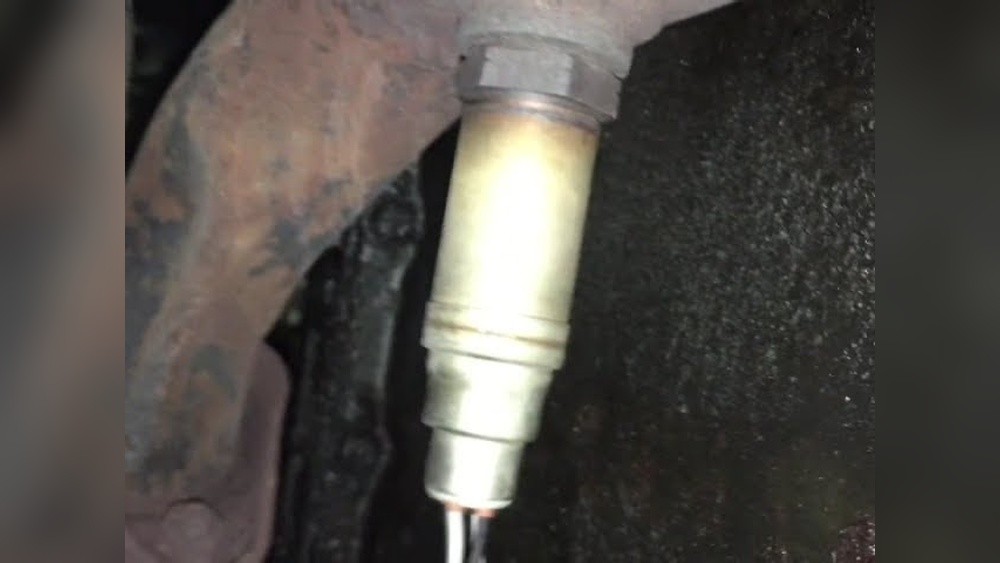
This section explains the basics of the P0138 code. It covers what the code means and why it happens in a Jeep Cherokee. Clear and simple language will make it easy to follow.
What P0138 Means
P0138 means the oxygen sensor circuit has a high voltage reading. This sensor is on bank 1, sensor 2 of the Jeep Cherokee. It monitors oxygen levels in the exhaust after the catalytic converter.
The high voltage signal shows the sensor detects too little oxygen. This can affect fuel efficiency and emissions. The engine control unit sets off the check engine light and stores the P0138 code.
Why It Happens In Jeep Cherokee
Several reasons cause the P0138 code in a Jeep Cherokee. A faulty oxygen sensor often triggers this code. The sensor may be worn out or damaged.
Wiring problems also cause this code. Wires can break, short, or get loose. A short to ground in the sensor’s wiring is common in this model.
Exhaust leaks or a bad catalytic converter can change oxygen levels too. This causes the sensor to send wrong signals. Sometimes unburned fuel in the exhaust affects sensor readings.
Signs Of Oxygen Sensor Issues
Oxygen sensors play a key role in your Jeep Cherokee’s engine performance. They measure oxygen levels in the exhaust gases. This information helps the engine control unit adjust the air-fuel mixture. Problems with oxygen sensors can cause several noticeable issues. Detecting these early signs prevents bigger engine troubles and costly repairs.
Below are common signs that indicate oxygen sensor issues, especially related to the P0138 code. Understanding these signs helps you identify problems quickly.
Check Engine Light Alerts
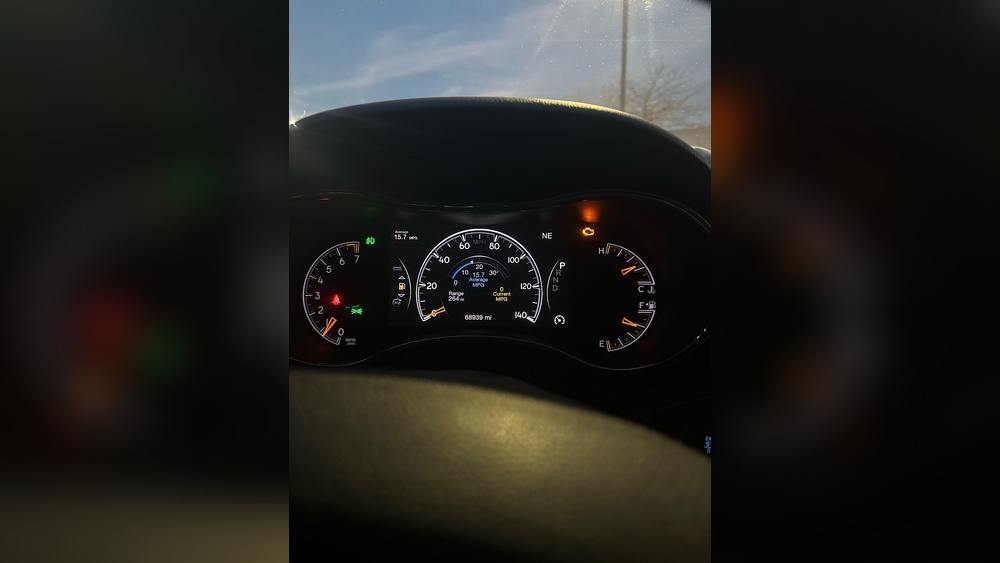
The most common sign of oxygen sensor trouble is the check engine light. It turns on when the sensor sends faulty data. This alert warns that the engine is not running efficiently. The P0138 code specifically points to a high voltage reading from the oxygen sensor. Ignoring this light can lead to poor fuel economy and engine damage.
Performance Problems To Watch
Your Jeep Cherokee may show performance issues if the oxygen sensor is failing. Expect rough idling or engine misfires. The engine might hesitate or stall during acceleration. Fuel consumption often rises because the engine burns more fuel than needed. You may also notice increased exhaust emissions. These problems signal that the oxygen sensor needs attention.
Common Causes Of P0138
The P0138 code on a Jeep Cherokee signals a high voltage issue in the oxygen sensor circuit. This code often triggers the check engine light and affects engine performance. Several common factors can cause this problem. Understanding these causes helps with quick diagnosis and repair.
Wiring And Connector Damage
Wiring problems are frequent culprits behind the P0138 code. The sensor wires may rub against hot or moving parts. This wear causes shorts or breaks in the wiring. Loose or corroded connectors also disrupt sensor signals. Damage in the wiring harness can send false readings to the engine control unit.
Faulty Oxygen Sensor
The oxygen sensor itself can fail or degrade over time. A sensor stuck at a high voltage level triggers the P0138 code. Sensors exposed to contaminants or extreme heat lose accuracy. A faulty sensor sends incorrect air-fuel mixture data, affecting engine efficiency. Replacing a bad sensor often resolves the issue.
Exhaust And Catalytic Converter Issues
Blockages or leaks in the exhaust system impact oxygen sensor readings. A clogged catalytic converter raises backpressure, causing sensor voltage spikes. Exhaust leaks let extra air enter, confusing the sensor signals. Problems in the exhaust path cause abnormal voltage levels detected by the sensor.
Unburned Fuel Effects
Unburned fuel entering the exhaust can cause high voltage readings. This fuel burns in the exhaust system, altering oxygen levels. Such conditions lead to inaccurate sensor voltage and trigger the P0138 code. Issues with fuel injectors or ignition systems often cause unburned fuel in the exhaust.
Quick Diagnostic Steps
Diagnosing the P0138 code on a Jeep Cherokee requires a clear, step-by-step approach. This code points to a high voltage signal from the oxygen sensor, suggesting issues that need quick attention. Follow these steps to identify the cause efficiently and safely.
Checking Sensor Power And Ground
Start by verifying the sensor’s power supply and ground connection. Use a multimeter to test the voltage at the sensor connector. A healthy sensor should receive a steady 12 volts. Check the ground wire for continuity to the vehicle chassis. Poor power or ground can cause false high voltage readings.
Testing Sensor Heater Relay
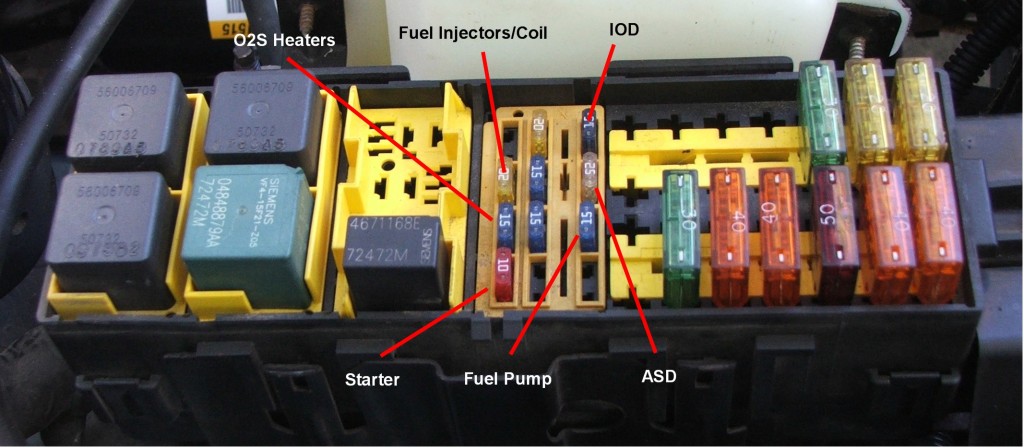
The heater relay keeps the oxygen sensor at optimal temperature. Locate the relay in the fuse box and test it with a multimeter. Ensure it activates correctly when the engine runs. A faulty relay can prevent the sensor from heating, causing inaccurate signals and triggering the P0138 code.
Inspecting Wiring Harness
Examine the wiring harness for damage, corrosion, or loose connections. Focus on areas near moving parts or heat sources where wires can wear out. Repair or replace any damaged sections. Wiring issues often cause sensor signal problems and must be fixed to restore proper function.
Using An Obd-ii Scanner
Connect an OBD-II scanner to the vehicle’s diagnostic port. Read the live data from the oxygen sensor to confirm the high voltage condition. The scanner can also clear the code after repairs. Monitoring sensor readings helps verify the repair success and prevents recurring issues.
Simple Fixes To Try
The P0138 error code on a Jeep Cherokee signals a problem with the oxygen sensor circuit. Many fixes do not require a mechanic. Trying simple repairs first can save time and money. These easy steps help address wiring issues, reset the engine light, and clean the sensor. Follow these tips to keep your Jeep running smoothly.
Repairing Or Replacing Wiring
Damaged wiring often causes the P0138 code. Check the wiring harness near the oxygen sensor for cuts or frays. Repair small damage using electrical tape or heat shrink tubing. Replace wiring if the damage is severe. Ensure connectors are clean and secure. Faulty wiring can cause false signals and trigger the error code.
Resetting The Check Engine Light
After fixing wiring or sensor issues, the check engine light may stay on. Reset the light to clear the P0138 code. Use an OBD-II scanner to erase stored codes. Disconnecting the battery for a few minutes also resets the system. Monitor if the light returns. A persistent light means the problem is not fixed yet.
Sensor Cleaning Tips
Dirt or oil can affect sensor performance. Carefully remove the oxygen sensor using the right tools. Use a sensor-safe cleaner or a soft brush to clean the sensor tip. Avoid harsh chemicals that can damage the sensor. Let the sensor dry fully before reinstalling. Clean sensors provide accurate readings and help clear error codes.
Secure Wiring To Prevent Damage
Loose wiring can rub against hot or moving parts, causing shorts. Use zip ties or clips to secure wires away from exhaust or driveshaft areas. Check routing paths for wires and adjust if needed. Properly secured wiring prevents future damage and keeps sensors working well. Regular inspection helps catch problems early.
When To Replace The Sensor
Knowing when to replace the P0138 sensor in your Jeep Cherokee is essential for smooth engine performance. This sensor monitors oxygen levels in the exhaust and affects fuel efficiency. Replacing it at the right time prevents damage and keeps your vehicle running well.
Sensor Lifespan And Wear
The P0138 sensor usually lasts between 60,000 and 90,000 miles. Over time, heat and road debris cause it to wear out. Dirt and soot buildup also reduce its accuracy. Regular driving in harsh conditions can shorten its lifespan. It is wise to check the sensor during routine maintenance.
Signs Of Sensor Failure
A failing P0138 sensor can trigger the Check Engine Light. You may notice rough idling or poor fuel economy. The engine might hesitate or stall during acceleration. Sometimes, the exhaust smells stronger than usual. These symptoms suggest the sensor is not working properly.
Choosing The Right Replacement Part
Select a sensor designed specifically for the Jeep Cherokee model year. OEM parts match the vehicle’s specifications for best performance. Cheaper aftermarket sensors may not last as long or work correctly. Look for parts with good reviews and warranty. Proper installation ensures the sensor functions as intended.
Preventive Maintenance Tips
Maintaining your Jeep Cherokee helps avoid issues like the P0138 code. Preventive steps keep the oxygen sensor and related parts working well. These tips protect your vehicle and save repair costs. Follow simple practices regularly for better engine health and fewer troubles.
Regular Sensor Inspections
Check the oxygen sensor often for dirt and damage. Clean the sensor carefully without using harsh chemicals. Replace the sensor if it shows signs of wear or failure. Early detection stops bigger problems and keeps your engine running smoothly.
Protecting Wiring From Heat And Movement
Inspect wiring near the sensor for cracks or rubbing spots. Secure wires away from hot parts and moving components. Use heat-resistant sleeves or zip ties to keep wiring safe. Proper wiring care prevents shorts that cause error codes like P0138.
Fuel System Maintenance
Keep the fuel system clean to reduce sensor strain. Use quality fuel and replace the fuel filter as needed. Check fuel injectors for clogs or leaks regularly. A healthy fuel system supports efficient combustion and sensor accuracy.

Additional Resources
Finding reliable help for the P0138 code on your Jeep Cherokee can save time and money. Various resources offer valuable insights and step-by-step guidance. These tools help you understand the problem and fix it correctly. Explore these options to gain confidence in your repair journey.
Jeep Cherokee Forums
Forums are great places to ask questions and share experiences. Enthusiasts and experts discuss the P0138 code regularly. You can read real-life stories and solutions from Jeep Cherokee owners. Popular forums include Jeep Cherokee Forum and NAXJA. These communities offer advice on sensor issues, wiring, and repairs. Joining a forum helps you get answers tailored to your model.
Recommended Tools And Equipment
Proper tools make diagnosing and fixing P0138 easier. A digital multimeter helps check sensor voltage and wiring. OBD-II scanners read and clear trouble codes quickly. Basic hand tools like screwdrivers and pliers are essential. Heat shrink tubing and zip ties secure wiring safely. Having the right equipment reduces guesswork and prevents damage.
Helpful Video Tutorials
Videos provide visual guides for diagnosing and repairing the P0138 code. Many YouTube channels focus on Jeep Cherokee repairs. These tutorials show how to test oxygen sensors and check wiring harnesses. Step-by-step instructions make complex tasks simple. Watching repairs helps build skills and avoid mistakes. Search for videos specific to your Jeep model and year.
Frequently Asked Questions
What Is The Code P0138 On A Jeep Cherokee?
Code P0138 on a Jeep Cherokee indicates a high voltage signal from the oxygen sensor circuit. It signals a faulty O2 sensor or wiring issue. This can cause poor fuel efficiency and increased emissions. Check the sensor, wiring, and catalytic converter for damage or shorts.
How Do You Fix The Code P0138?
To fix code P0138, inspect and replace the faulty oxygen sensor. Check wiring for shorts or damage. Test sensor voltage and heater circuit. Replace the catalytic converter if necessary. Clear the code after repairs.
Where Is The Oxygen Sensor Bank 2 Sensor 2 Located?
The oxygen sensor bank 2 sensor 2 is located after the catalytic converter on the exhaust side of bank 2. It monitors emissions post-catalyst.
What Is A Common Cause Of P0138?
A common cause of P0138 is a faulty oxygen sensor or damaged wiring causing a high voltage signal.
Conclusion
The P0138 code signals an issue with the oxygen sensor in your Jeep Cherokee. This problem affects engine performance and fuel efficiency. Fixing it quickly can prevent further damage. Check the sensor wiring and connections first. Replacing a faulty sensor usually solves the problem.
Stay aware of warning signs like rough idling or a check engine light. Keeping your Jeep well-maintained ensures a smooth and safe ride. Address the P0138 code early to save time and money.