Buying a Jeep is exciting, but choosing the right one can be tricky. Whether you want an off-road beast, a family SUV, or something stylish, the choices can feel overwhelming.
Each Jeep model offers different features, capabilities, and price points.
If you’re not sure where to start, this guide will help you make a smart decision. You’ll learn what matters most, see key differences, and discover expert tips that even many beginners miss.
Decide Your Main Purpose
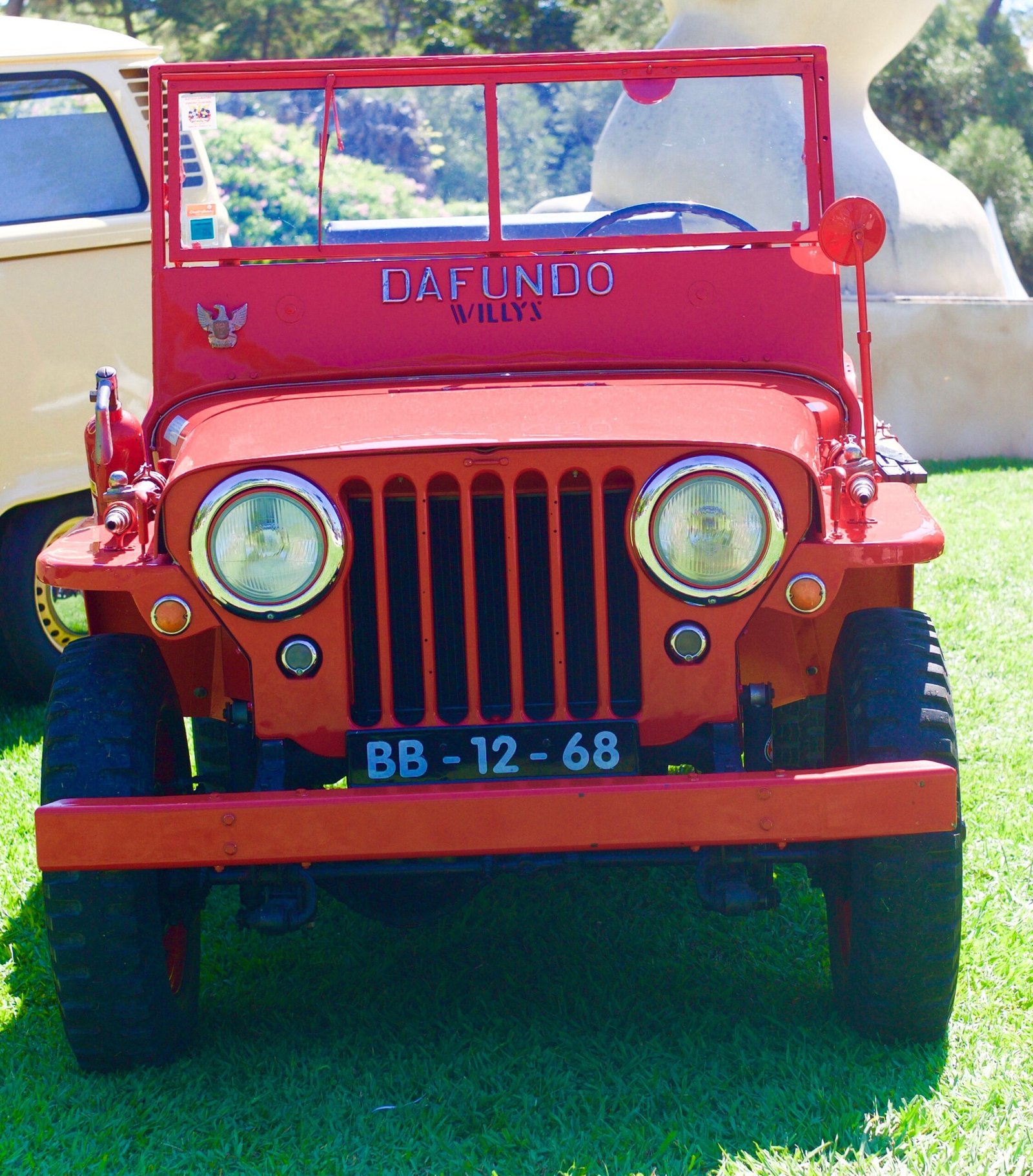
Every Jeep is built for adventure, but not every model suits all needs. Ask yourself: Why do I want a Jeep? The answer will guide your search.
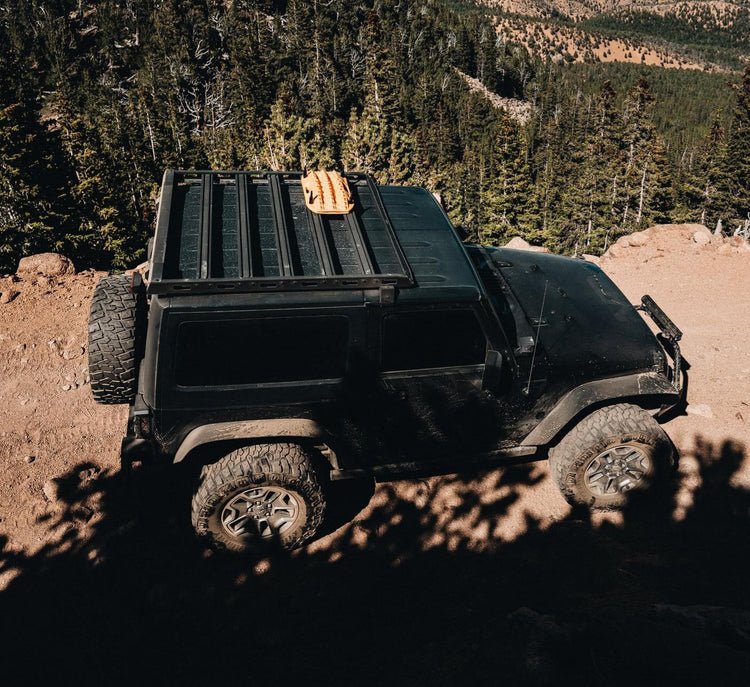
- Off-road driving: Models like the Wrangler and Gladiator are designed for rough terrain.
- Daily commuting: The Grand Cherokee and Compass offer comfort and fuel efficiency.
- Family use: Look at the Cherokee or Grand Cherokee for more space and safety.
Think about your daily routine, weekend plans, and the weather in your area. For example, if you live where snow is common, four-wheel drive (4WD) is essential.
Compare Jeep Models
Jeep offers a variety of models. Each has its strengths, price range, and style. Here’s a quick comparison to help you narrow your options:
| Model | Main Use | Starting Price | MPG (City/Hwy) |
|---|---|---|---|
| Wrangler | Off-road | $33,000 | 17/25 |
| Grand Cherokee | Family/Commute | $40,000 | 19/26 |
| Compass | City Driving | $29,000 | 22/31 |
| Gladiator | Truck/Off-road | $40,000 | 17/22 |
| Cherokee | Family/Utility | $31,000 | 21/29 |
The Wrangler is famous for its ruggedness, while the Grand Cherokee is great for families. The Compass is ideal for city driving and offers better fuel efficiency.
Key Features To Consider
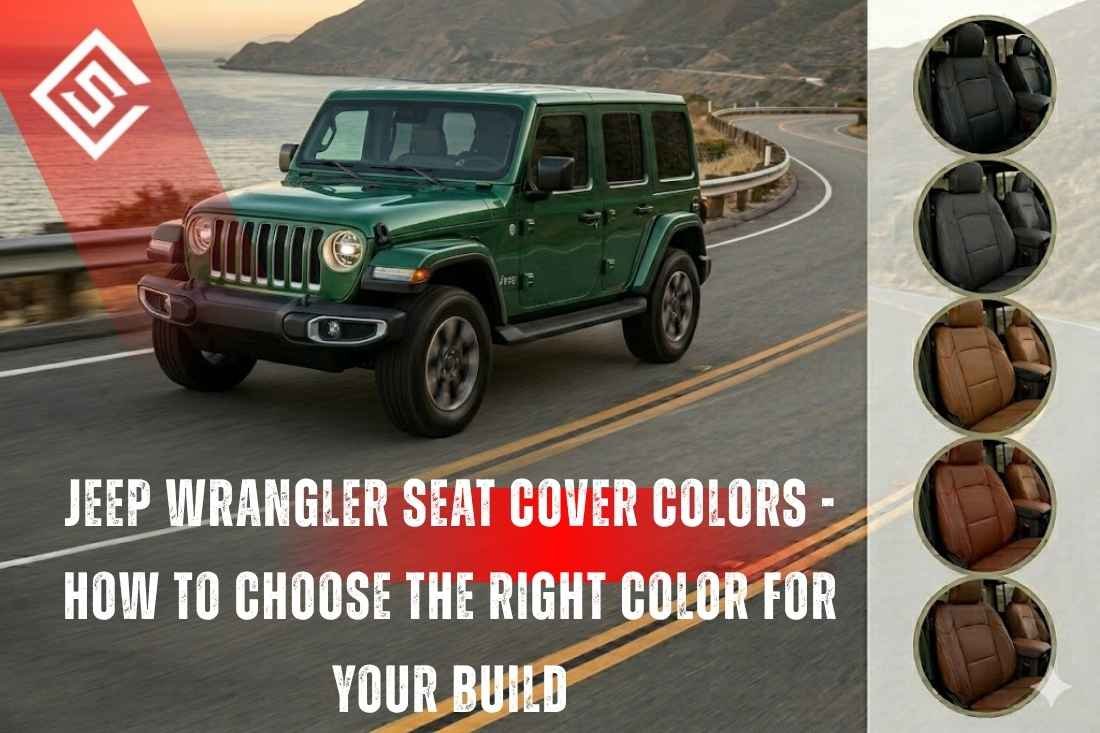
Choosing a Jeep isn’t just about looks or price. Here are the main features to check:
- 4WD vs AWD: 4WD is best for off-roading. AWD is better for slippery roads and daily driving.
- Engine options: More powerful engines help in tough conditions but lower fuel economy.
- Interior space: If you need room for kids or gear, check cargo capacity and rear seat comfort.
- Safety features: Modern Jeeps offer adaptive cruise control, lane assist, and automatic emergency braking.
- Infotainment system: Look for touchscreen size, Apple CarPlay/Android Auto, and speaker quality.
Many buyers miss comparing ground clearance. If you plan to drive off-road, higher clearance protects your Jeep and helps you avoid damage.
New Vs Used: Which Is Better?
Jeep vehicles hold their value, but buying new or used affects your budget and options.
| Factor | New Jeep | Used Jeep |
|---|---|---|
| Warranty | Full coverage | Limited or expired |
| Price | Higher | Lower |
| Mileage | Zero | Varies |
| Customization | Easy | May require upgrades |
Buying new means you get the latest tech and a warranty. Used Jeeps can save you thousands, but may need repairs. Always check the vehicle history report for accidents or recalls.
Practical Tips For Jeep Buyers
- Test drive different models: Don’t just sit inside—take each Jeep for a drive in real conditions.
- Check tire type: Off-road tires are noisier and wear faster than all-season tires.
- Look for rust: Older Jeeps, especially Wranglers, can develop rust on the undercarriage.
- Ask about recalls: Some Jeep models have known issues. Check with the dealer or visit the official Jeep website.
Many beginners forget to check insurance costs. Some Jeeps, like the Wrangler, cost more to insure because they’re often used for off-roading.
Comparing Trim Levels
Jeep offers various trim levels for each model. Trims add extra features or style. Here’s a sample comparison for the Jeep Grand Cherokee:
| Trim | Main Features | Price Difference |
|---|---|---|
| Laredo | Basic features, cloth seats | Base price |
| Limited | Leather seats, heated steering | + $4,000 |
| Overland | Panoramic roof, premium audio | + $7,000 |
| Summit | Advanced safety, luxury features | + $10,000 |
Choose a trim that fits your budget and must-have features. Many buyers regret skipping upgrades like heated seats or advanced safety.
Common Mistakes To Avoid
- Ignoring maintenance costs: Jeeps need regular care, especially if used off-road.
- Buying for looks only: Don’t focus just on style—make sure the Jeep fits your real needs.
- Missing hidden fees: Dealers may add extra charges. Ask for a full breakdown.
- Overestimating off-road needs: Many owners rarely use the full 4WD. Choose based on actual use, not dreams.
A surprising insight: Some Jeep models depreciate faster than others. The Wrangler often holds value better than the Cherokee.
Additional Resources
If you want in-depth model specs or recall info, visit the official Jeep website.
Buying a Jeep is more than picking a car it’s joining a community. Whether you’re heading off-road or just want a reliable SUV, making the right choice will make every drive better.
Take your time, compare carefully, and enjoy the journey.

Frequently Asked Questions
What’s The Best Jeep Model For Off-roading?
The Jeep Wrangler is considered the best for off-roading. It offers high ground clearance, solid axles, and strong 4WD.
Are Jeeps Expensive To Maintain?
Jeep maintenance can be higher than average, especially for models used off-road. Regular oil changes, tire checks, and brake care are key.
How Long Does A Jeep Last?
With proper care, many Jeeps last over 200,000 miles. The Wrangler and Grand Cherokee are known for durability.
Is Jeep A Good Choice For Families?
Yes, the Grand Cherokee and Cherokee offer space, comfort, and safety features. They’re popular among family SUV buyers.
Can I Customize My Jeep Easily?
Most Jeeps, especially the Wrangler, are highly customizable. You can add lift kits, special tires, lights, and more with aftermarket parts.