Getting behind the wheel of a Jeep Wrangler brings adventure, but using its 4×4 system correctly is essential for safety and performance. Many drivers are unsure when and how to engage four-wheel drive, what the different modes mean, or how to switch between them.
In this guide, you’ll learn step-by-step how to use the four main 4×4 modes on your Jeep Wrangler: 2H, 4H, 4L, and Neutral. With clear explanations and real-world examples, you’ll gain confidence to tackle any terrain.
Understanding Jeep Wrangler 4×4 Modes
Before diving into the steps, it’s important to know what each mode does. The Jeep Wrangler typically offers four modes on its transfer case:
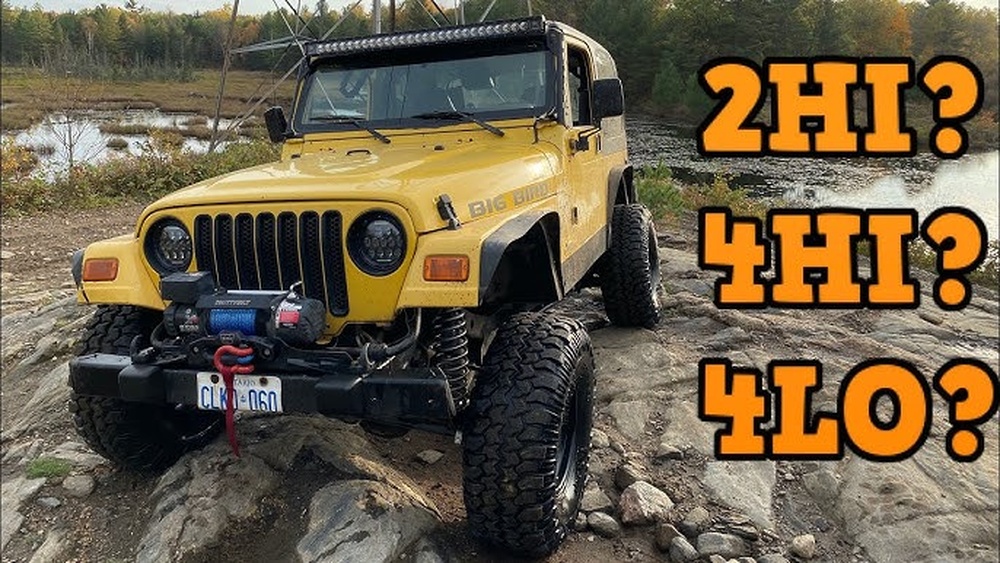
- 2H (Two-Wheel Drive High)
- 4H (Four-Wheel Drive High)
- 4L (Four-Wheel Drive Low)
- N (Neutral)
Each mode is designed for specific driving conditions. Switching correctly can prevent damage and improve your Wrangler’s performance.
| Mode | Driving Condition | Speed Range |
|---|---|---|
| 2H | Normal roads, dry pavement | Any speed |
| 4H | Snow, mud, gravel | Up to 55 mph |
| 4L | Off-road, steep hills | Up to 25 mph |
| N | Towing | Vehicle is stationary |
How To Use Each 4×4 Mode
Let’s break down each mode and explain when and how to use them. These steps apply to most modern Jeep Wranglers, including JL and JK models.
1. Using 2h (two-wheel Drive High)
2H is your default mode. Power goes only to the rear wheels, making it ideal for city driving and highways.
- To select 2H, make sure your Wrangler is stopped or moving at low speed.
- Move the transfer case lever or dial to 2H.
- Use this mode for dry, paved roads. It gives better fuel economy and less wear on the drivetrain.
Non-obvious insight: Staying in 2H during dry conditions avoids unnecessary stress on your Jeep’s 4×4 components.
2. Using 4h (four-wheel Drive High)
4H sends power to all four wheels. It’s perfect for slippery surfaces like snow, sand, mud, or gravel.
- You can shift into 4H while moving (up to 55 mph), but it’s best to ease off the accelerator.
- Move the lever/dial to 4H. You’ll feel a click or hear a light sound.
- 4H improves traction, but avoid using it on dry pavement because it can cause binding.
Practical tip: If you hear tire squealing or feel resistance, switch back to 2H.
3. Using 4l (four-wheel Drive Low)
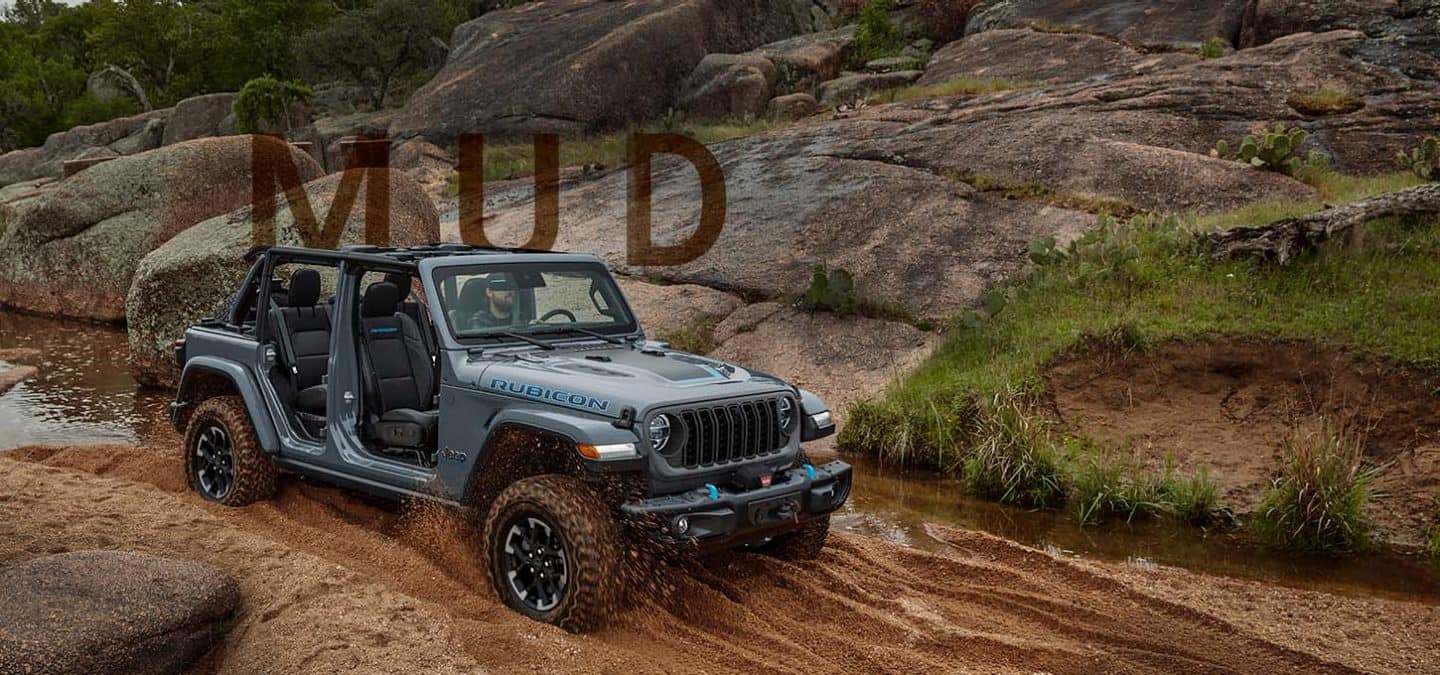
4L is for challenging off-road conditions: steep hills, deep mud, rocks, and slow crawling.
- Stop your Wrangler completely and shift into Neutral (N) on the transmission.
- Move the transfer case lever firmly into 4L. You may need to push harder than usual.
- 4L multiplies torque, but limits speed to about 25 mph. Only use it for tough situations.
| Mode | Max Torque | Max Speed |
|---|---|---|
| 2H | Standard | No limit |
| 4H | Moderate | 55 mph |
| 4L | High | 25 mph |
Non-obvious insight: Many beginners forget to shift the transmission to Neutral before engaging 4L, causing grinding or failure to shift.
4. Using Neutral (n)
The Neutral mode on the transfer case is not the same as the transmission’s Neutral. It’s mainly for towing your Jeep behind another vehicle.
- To engage Neutral, make sure the vehicle is stopped.
- Shift the transmission to Neutral.
- Move the transfer case lever to N.
- Your Jeep’s wheels will roll freely, but the engine won’t drive them.
Important: Never drive in Neutral on the transfer case. It’s only for towing.
When To Use Each 4×4 Setting
Choosing the right mode depends on your driving conditions. Here’s a quick comparison for common scenarios:
| Scenario | Recommended Mode |
|---|---|
| Normal city/highway | 2H |
| Rain, snow, ice | 4H |
| Rock crawling, deep mud | 4L |
| Flat towing (behind RV) | N |
Common Mistakes When Using Jeep Wrangler 4×4
Many drivers make errors that can hurt their Jeep or reduce performance:
- Shifting into 4L while moving: Always stop first.
- Using 4H on dry pavement: Causes drivetrain stress.
- Forgetting to shift the transmission to Neutral before 4L or N.
- Ignoring warning lights: If your 4×4 indicator flashes, check the manual.
Real-world Examples
Suppose you’re heading to the mountains and hit a snowstorm. Switch to 4H for traction. If you find yourself on steep, rocky trails, stop and engage 4L. If you plan to tow your Wrangler behind an RV, use Neutral on the transfer case.
According to the Jeep owner’s manual, using 4×4 properly can reduce accident risk by up to 30% in slippery conditions (Jeep Official Manual).
Frequently Asked Questions
Can I Shift From 2h To 4h While Driving?
Yes, you can shift from 2H to 4H at speeds up to 55 mph. Always ease off the accelerator during the shift.
How Do I Know If 4×4 Is Engaged?
Look for the 4×4 indicator light on your dashboard. You may also feel a slight change in handling.
What Happens If I Use 4h On Dry Pavement?
Using 4H on dry roads causes binding in the drivetrain. This can lead to damage and increased tire wear.
Is It Safe To Use 4l For Everyday Driving?
No, 4L is only for low-speed, tough terrain. It’s not safe or efficient for regular roads.
Do I Need 4×4 For Rain?
For heavy rain or slippery conditions, 4H can help. But on mild wet roads, 2H is usually enough.
Whether you’re exploring trails or driving through a storm, knowing how to use your Jeep Wrangler’s 4×4 system gives you control and confidence. Remember these steps, avoid common mistakes, and your Jeep will be ready for any adventure.