If you’ve noticed your Jeep Grand Cherokee isn’t heating up the way it used to, or your check engine light just popped on with the P0128 code, you’re probably wondering what’s going on under the hood. This code means your engine coolant temperature is lower than it should be, which can affect how your vehicle performs and even lead to bigger problems if ignored.
But don’t worry—you’re in the right place to understand exactly what causes this issue, how to spot it, and the simple steps you can take to fix it. Keep reading to make sure your Jeep stays running smoothly and safely on every drive.
P0128 Code Basics
The P0128 code is a common trouble code for Jeep Grand Cherokee owners. It signals an issue with the engine’s coolant temperature. Specifically, the engine is not reaching the proper operating temperature within a set time after starting. This code often means the engine is running too cool. Running too cool can reduce fuel efficiency and increase emissions.
Understanding the P0128 code basics helps diagnose and fix the problem faster. It points to the cooling system, especially the thermostat or coolant sensor. Knowing the triggers and symptoms can prevent bigger engine problems.
What Triggers P0128
The P0128 code triggers when the engine coolant temperature stays below the expected level. This usually happens because the thermostat is stuck open. A stuck-open thermostat lets coolant flow continuously, preventing the engine from warming up. Low coolant levels can also cause this code. If the coolant sensor gives wrong readings, the engine computer may think the engine is cooler than it is. Faulty wiring or connectors to the coolant temperature sensor may also cause false triggers.
Symptoms To Watch For
One common symptom is the check engine light turning on. You may notice the engine takes longer to warm up. The heater inside the car might blow cold air instead of warm. Fuel consumption can increase because the engine runs too cool. Sometimes, the engine may idle roughly or stall. Watch for these signs to catch the P0128 code early. Ignoring these symptoms can lead to poor engine performance and higher emissions.
Common Causes
The Jeep Grand Cherokee P0128 code signals that the engine coolant temperature is not reaching the proper level. This issue often means the engine runs cooler than it should. Several factors can cause this problem. Understanding these common causes helps in diagnosing and fixing the issue quickly.
Stuck-open Thermostat
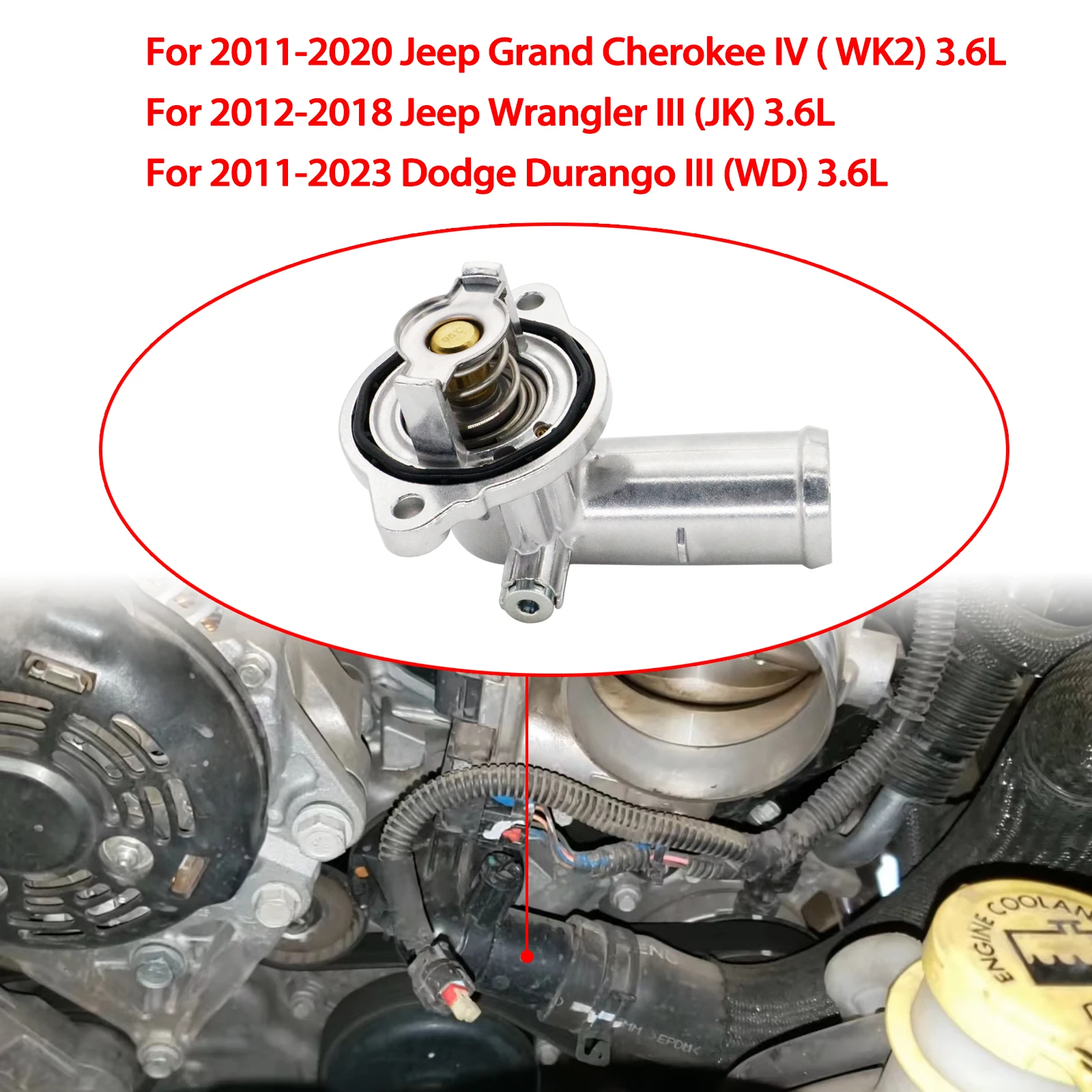
The thermostat controls the engine temperature by opening and closing. When it stays open, coolant flows constantly. This keeps the engine from warming up properly. A stuck-open thermostat is the most frequent cause of the P0128 code. Replacing the thermostat usually resolves the problem.
Low Coolant Levels
Coolant is essential for regulating engine temperature. Low coolant levels reduce its ability to heat the engine evenly. This can cause the temperature to stay low and trigger the P0128 code. Check coolant levels regularly and top off as needed to avoid this issue.
Faulty Coolant Temperature Sensor
The coolant temperature sensor (CTS) sends temperature data to the vehicle’s computer. If the sensor fails or has bad wiring, it may send wrong readings. The engine control module (ECM) then thinks the engine is cooler than it is. Testing and replacing the CTS can fix this problem.
Quick Diagnostic Tips
The Coolant Temperature Sensor (CTS) plays a key role in your Jeep Grand Cherokee’s engine performance. It measures the engine’s temperature and sends this data to the engine control module (ECM). When the CTS malfunctions, it can trigger the P0128 code, signaling that the engine is not reaching the proper temperature. Fixing CTS issues requires careful steps to ensure your vehicle runs smoothly again.
Testing The Sensor
Start by checking the CTS with a multimeter. Measure the sensor’s resistance at different temperatures. Compare the readings to the manufacturer’s specifications. Use an OBD-II scanner to watch live temperature data from the sensor. If the data is erratic or inconsistent, the sensor may be faulty. Testing helps avoid unnecessary replacements and pinpoints the issue accurately.
Replacing The Sensor
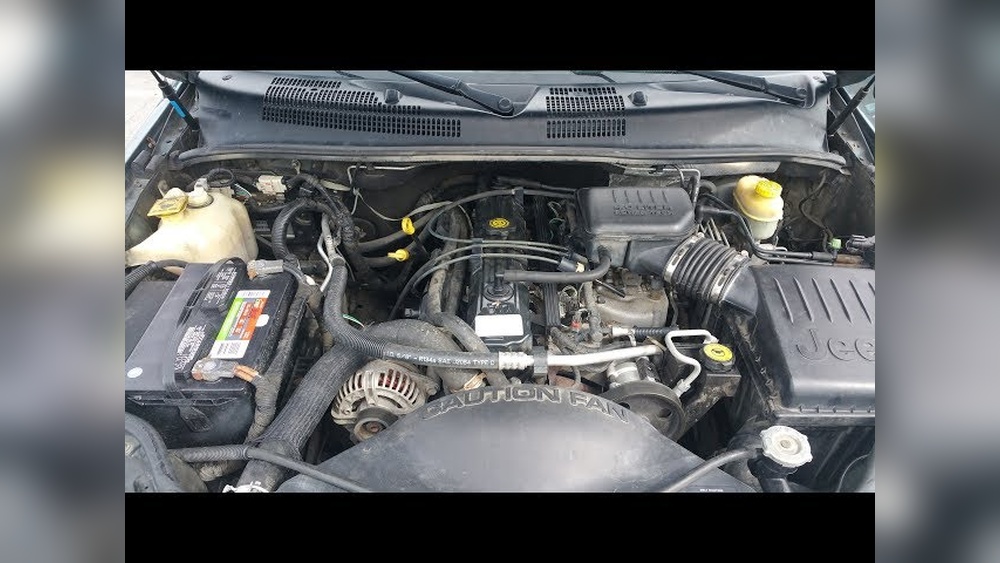
If testing shows the CTS is bad, remove the old sensor carefully. Locate it near the thermostat housing or engine block. Unscrew the sensor and disconnect the electrical connector. Install a new sensor, making sure it matches your Jeep’s model. Tighten it securely to prevent leaks. After replacement, clear any stored codes using a scan tool to reset the system.
Wiring Repairs
Faulty wiring can cause CTS errors too. Inspect the sensor’s wiring harness for damage or corrosion. Look for broken wires, loose connections, or melted insulation. Repair or replace damaged wires as needed. Use electrical tape or heat shrink tubing to protect repaired sections. Proper wiring ensures the sensor sends accurate data to the ECM and avoids P0128 errors.

Thermostat Replacement
Preventive care is key to avoiding the Jeep Grand Cherokee P0128 error code. This code signals the engine is not reaching its proper temperature fast enough. Taking simple steps helps keep your cooling system and thermostat in good shape. Regular attention avoids costly repairs and keeps your Jeep running smoothly.
Regular Coolant Checks
Check your coolant level often to prevent problems. Low coolant causes the engine to run too cool. Inspect the coolant for dirt or rust. Replace it if it looks dirty or old. Use the right coolant type recommended in your owner’s manual. Keep the radiator cap tight to avoid leaks.
Thermostat Longevity Tips
Replace the thermostat at regular intervals to avoid failure. A stuck-open thermostat causes the P0128 code. Avoid overheating by keeping the cooling system clean. Flush the coolant system every two years or 30,000 miles. Use quality parts to ensure the thermostat works correctly. Always follow the manufacturer’s installation steps carefully.
When To Seek Professional Help
Take your Jeep to a mechanic if the code stays after basic checks. Persistent P0128 can mean a faulty coolant temperature sensor or wiring issues. Strange engine behavior or overheating needs expert diagnosis. Professionals use scanners to read live data and find exact faults. Early diagnosis prevents engine damage and costly repairs.
Frequently Asked Questions
How Do I Fix A P0128 Engine Code?
Fix a P0128 code by replacing a stuck-open thermostat, checking coolant levels, and testing the coolant temperature sensor. Use an OBD-II scanner to confirm repairs and clear the code afterward.
Is It Safe To Drive A Jeep With A P0128 Code?
Driving a Jeep with a P0128 code is generally safe short-term. Fix the thermostat soon to avoid engine performance issues.
What Is The Most Common Cause Of P0128?
The most common cause of P0128 is a thermostat stuck open, preventing the engine from reaching optimal temperature.
How Long Can You Drive With A P0128 Code?
Driving with a P0128 code is possible but not recommended for more than a few days. It may cause poor fuel economy and engine damage. Promptly fix the underlying issue, usually a faulty thermostat, to avoid costly repairs and ensure proper engine temperature.
Conclusion
The Jeep Grand Cherokee P0128 code signals your engine isn’t warming up properly. A stuck-open thermostat often causes this issue. Low coolant levels or a faulty temperature sensor can also trigger the code. Using an OBD-II scanner helps diagnose the problem quickly.
Fixing the root cause restores your engine’s normal temperature. Regular checks keep your Jeep running smoothly and avoid bigger repairs. Addressing P0128 early saves time and money on maintenance. Keep your Grand Cherokee healthy by watching for this warning code.