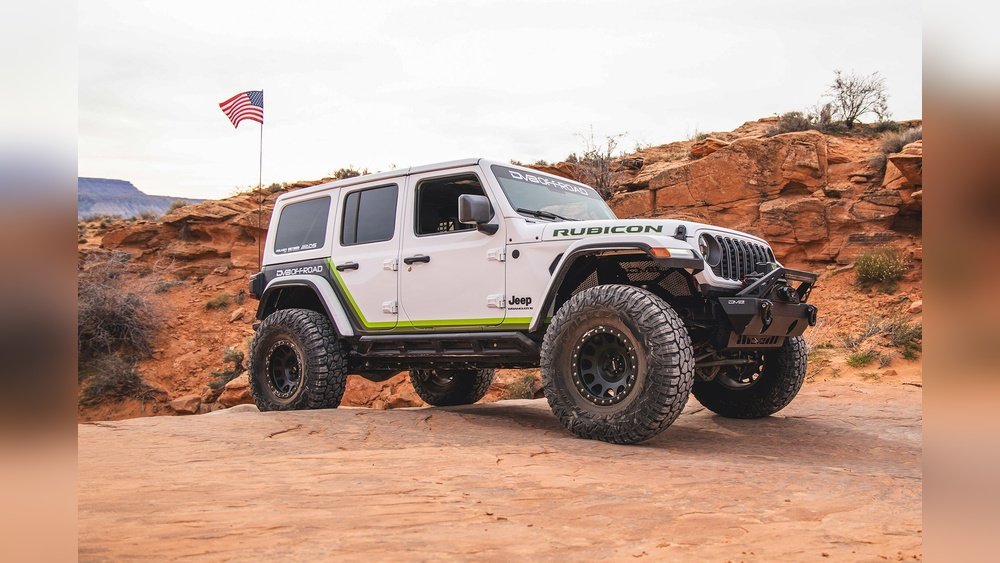
Owning a Jeep is more than just driving—it’s about adventure, freedom, and tackling tough roads. One special feature that sets Jeeps apart is 4WD (four-wheel drive).
If you’re new to this, learning how to use Jeep 4WD correctly can make your trips safer and more fun. This guide will help you understand the basics, avoid common mistakes, and get the most from your Jeep’s 4WD system.
Understanding Jeep 4wd Modes
Jeep offers different types of 4WD systems. Knowing which one your Jeep has is important because each works a bit differently. Here are the most common modes:
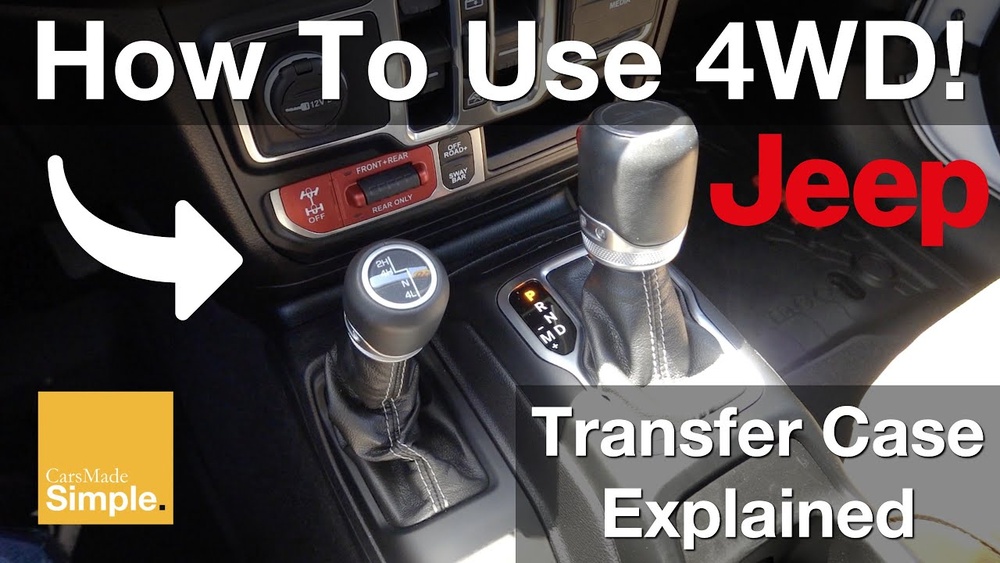
- 2H (Two-Wheel Drive High): Only the rear wheels get power. Use this for regular driving on dry roads.
- 4H (Four-Wheel Drive High): All four wheels get power. Best for snow, sand, or loose gravel.
- 4L (Four-Wheel Drive Low): All four wheels get power with extra torque. Use this for steep hills, deep mud, or slow, rough terrain.
Some Jeeps also have Auto 4WD or AWD (All-Wheel Drive), which automatically adjusts power to each wheel. But classic models like Wrangler, Cherokee, and Gladiator often use the manual modes above.
| Mode | When to Use | Speed Range |
|---|---|---|
| 2H | Normal roads, dry conditions | Up to highway speeds |
| 4H | Rain, snow, sand, gravel | Up to 55 mph |
| 4L | Rock crawling, mud, steep slopes | Below 25 mph |
How To Switch Jeep 4wd Modes
Switching between 2H, 4H, and 4L is simple, but you must do it correctly to avoid damage.
- 2H to 4H: You can shift while driving, but keep your speed below 55 mph. Simply pull the lever or turn the knob to 4H. The indicator on your dashboard will light up.
- 4H to 4L: Stop your Jeep completely. Shift the transmission to neutral. Then, move the lever or knob to 4L. Wait for the dashboard light before shifting back to drive.
Never shift into 4L while moving—this can damage the gears. Many beginners forget to stop and use neutral, which leads to grinding noises or warning lights.
| Shift Type | Required Action | Common Mistake |
|---|---|---|
| 2H to 4H | Shift below 55 mph | Shifting at high speed |
| 4H to 4L | Stop and shift to neutral | Shifting while moving |
When Should You Use Jeep 4wd?
Knowing when to use each mode will help you stay safe and protect your Jeep.
- Use 2H for everyday driving, city roads, and highways.
- Switch to 4H when the road is slippery from rain, snow, or gravel. It helps prevent sliding and gives better control.
- Use 4L for extreme conditions. This includes deep mud, rocky trails, or when climbing steep hills.
Avoid using 4WD on dry pavement. It can cause extra wear on tires and drivetrain. Many drivers think “more wheels” means “more safety” everywhere, but 4WD is meant for low traction situations.
Practical Tips For Jeep 4wd
- Check your owner’s manual for details about your Jeep model.
- Practice shifting modes in a safe area before heading into tough terrain.
- Listen for strange noises when switching modes. Grinding or clunking may mean you didn’t shift correctly.
- Don’t use 4L for speed. It’s designed for slow, controlled driving.
- Regularly maintain your 4WD system. Change fluids and check for leaks.
- Know your limits. 4WD helps, but it won’t make your Jeep unstoppable.
Many beginners miss that tire pressure affects traction. Lowering tire pressure slightly (but not too much) can help on sand or rocks. Always carry a tire gauge and air compressor.
Common Jeep 4wd Mistakes
Even experienced drivers sometimes make mistakes with 4WD. Here are a few to watch for:
- Using 4WD on dry roads: Leads to “binding,” which feels like jerky movement and can damage parts.
- Shifting to 4L at high speed: Risks breaking the transfer case.
- Forgetting to shift back to 2H after leaving rough terrain—this wastes fuel.
- Ignoring warning lights: Always check the dashboard for any alerts after switching modes.
If you’re unsure, stop and review your steps. It’s better to take a minute than risk costly repairs.
Jeep 4wd System Comparison
Jeeps come with different 4WD systems. Here’s a look at how they compare:
| Model | 4WD Type | Ease of Use | Best For |
|---|---|---|---|
| Wrangler | Part-time 4WD | Manual, simple | Off-road, trails |
| Grand Cherokee | Full-time 4WD | Automatic, easy | All-weather driving |
| Gladiator | Part-time 4WD | Manual, simple | Hauling, off-road |
Full-time systems are easier for beginners because the Jeep decides when to use 4WD. Part-time systems give you more control, but you must remember to switch modes manually.
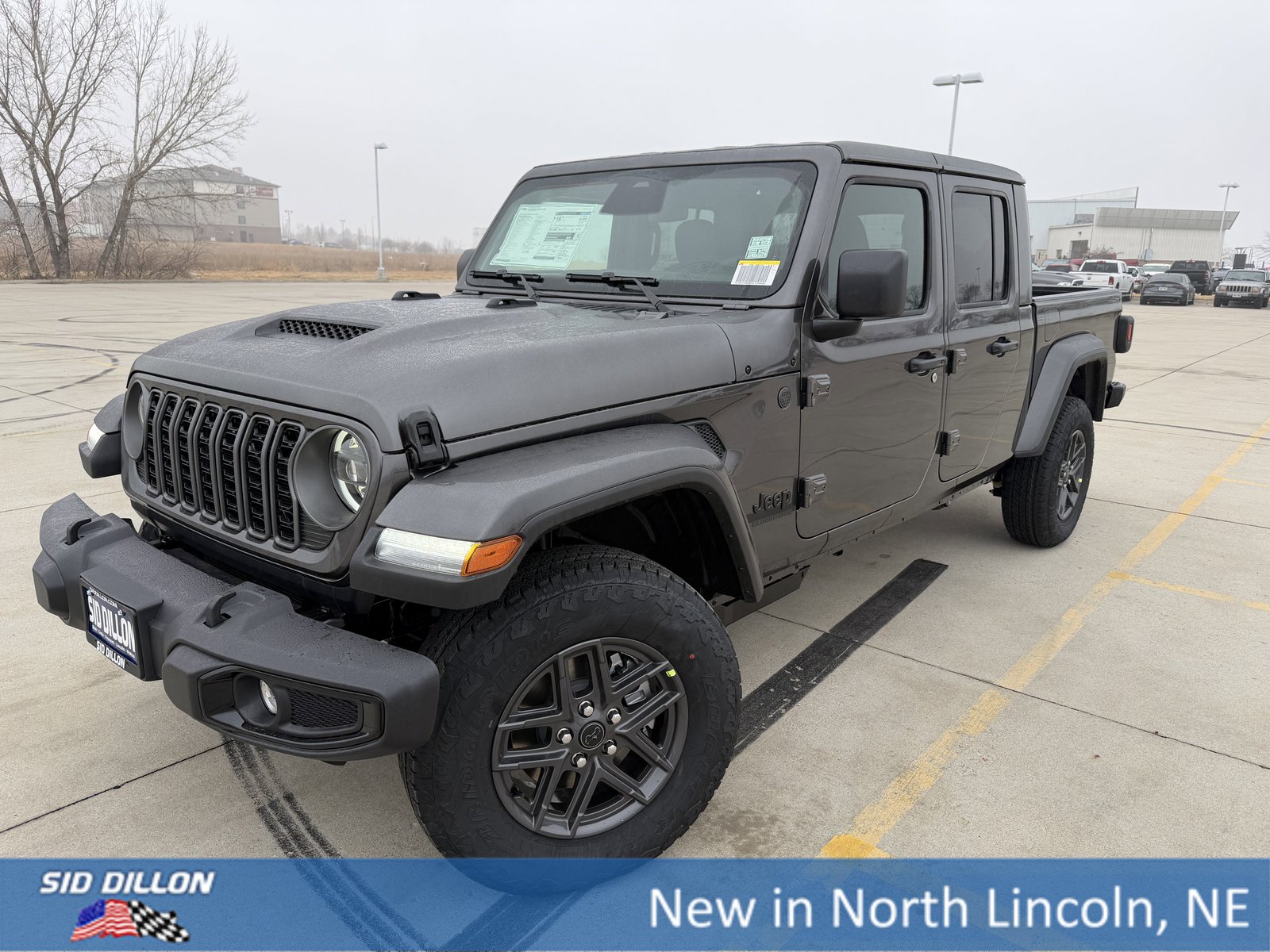
Real-world Example: Snowy Roads
Imagine you’re driving your Jeep Wrangler after a heavy snowstorm. The road is covered in slippery ice. You shift from 2H to 4H at a slow speed. Instantly, the Jeep feels more stable, and you avoid sliding. When you reach a clear road, you switch back to 2H to save fuel and reduce wear.
Many Jeep owners forget to switch back to 2H after snow, leading to unnecessary stress on the vehicle. Always remember to change modes as conditions improve.
Frequently Asked Questions
Can I Use Jeep 4wd All The Time?
No, you should only use 4WD when roads are slippery or for off-road driving. Using it all the time can cause extra wear and higher fuel use.
What Happens If I Shift To 4l While Moving?
Shifting to 4L while moving can damage your Jeep’s transfer case. Always stop and shift to neutral before engaging 4L.
How Do I Know If My Jeep 4wd Is Working?
Look for the 4WD indicator light on your dashboard. If it’s on, your Jeep is in 4WD mode. If you hear strange sounds or the light doesn’t come on, get your Jeep checked.
Is 4wd Better Than Awd?
AWD is easier for city driving and light snow. 4WD is better for tough conditions like mud, rocks, and deep snow. Each has its pros and cons. For more info, see Wikipedia.
Do I Need Special Tires For Jeep 4wd?
All-terrain tires work best for off-road and bad weather. Regular tires are fine for city driving, but they won’t grip as well in mud or snow. Always match your tires to your driving conditions.
Learning to use Jeep 4WD is not just about pushing a lever. It’s about understanding your vehicle, the road, and your own skills.
With practice and care, you’ll enjoy safer, smoother adventures whether you’re heading off-road or just facing bad weather.