If you’ve seen the P0172 code pop up on your Jeep’s dashboard, you’re probably wondering what it means and how it affects your ride. This trouble code signals that your engine is running too rich, which can lead to poor fuel economy, rough idling, and even engine damage if left unchecked.
You don’t have to be an expert to understand what’s going on or how to fix it. You’ll discover the common causes behind the P0172 Jeep code, the symptoms to watch for, and simple steps you can take to get your Jeep back to peak performance.
Keep reading to make sure your Jeep runs smoothly and efficiently every time you hit the road.
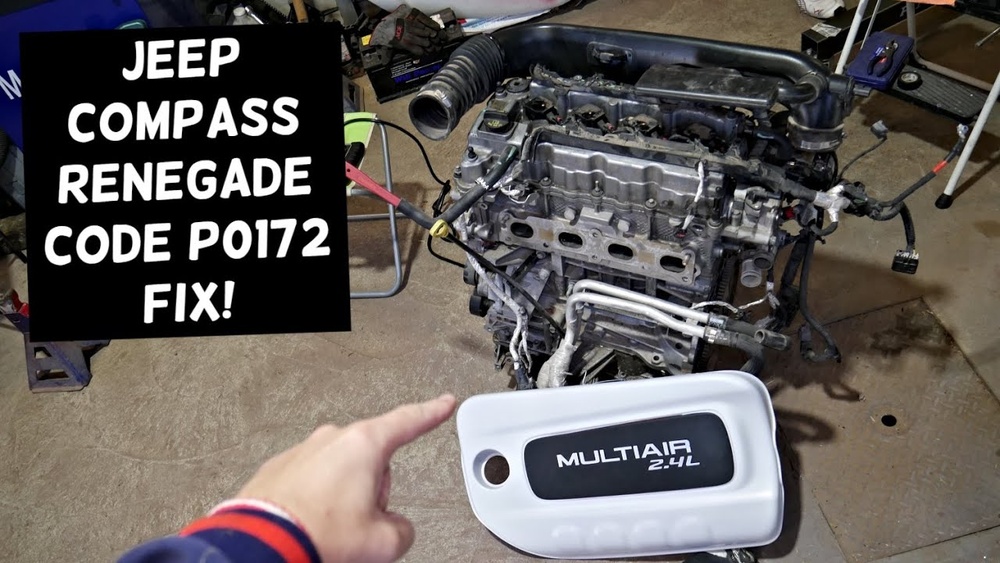
P0172 Code Basics
The P0172 code is a common issue for Jeep owners. It signals a problem with the engine’s fuel system. Understanding this code helps you spot issues early. It also guides you on what to check or fix. Below are the basics of the P0172 code and why it happens.
What P0172 Means
The P0172 code means the engine runs too rich. “Rich” means too much fuel and not enough air in the mix. The engine control module (ECM) detects this problem. It sets the P0172 code to warn you. This code often triggers the check engine light. The engine may run rough or use more fuel than usual.
Why Rich Fuel Mix Happens
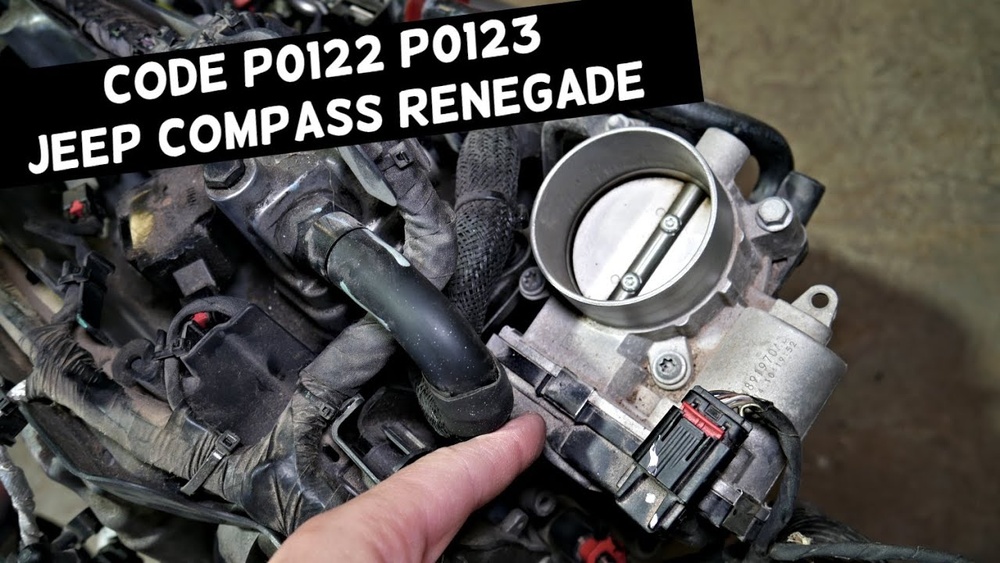
A rich fuel mix can happen for many reasons. A dirty or bad mass airflow sensor may send wrong air data. Leaking fuel injectors can add too much fuel into the engine. A faulty fuel pressure regulator can cause excess fuel pressure. Vacuum leaks or a clogged air filter may also affect air flow. These issues make the engine burn more fuel than needed.
Common Causes
The P0172 code in Jeep vehicles points to a rich fuel mixture problem. This means the engine gets too much fuel and not enough air. Several common issues can cause this problem. Understanding these can help diagnose and fix the code faster.
Faulty Map Sensor
The MAP sensor measures air pressure in the intake manifold. A bad sensor sends wrong data to the engine computer. This causes the engine to inject too much fuel. Dirt, wear, or electrical faults often damage the sensor. Replacing or cleaning it usually solves the issue.
Leaking Fuel Injectors
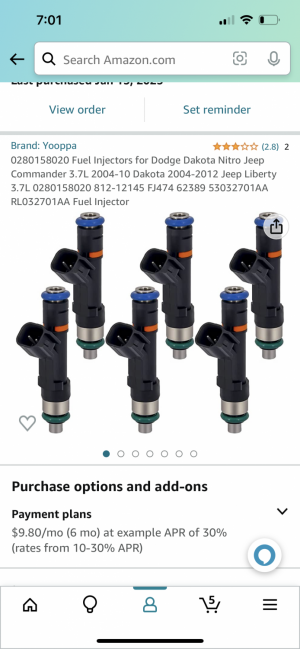
Fuel injectors spray fuel into the engine cylinders. If an injector leaks or sticks open, it adds extra fuel. This makes the engine run rich and triggers the P0172 code. Leaking injectors can cause rough idling and poor fuel economy. Repair or replace faulty injectors to fix the problem.
Fuel Pressure Issues
Fuel pressure must stay within set limits for proper engine function. A faulty fuel pressure regulator or pump can cause high pressure. This floods the engine with fuel, leading to a rich mixture. Testing fuel pressure helps identify if this is the cause. Fixing pressure issues restores balance to the fuel system.
Vacuum And Exhaust Leaks
Leaks in vacuum lines or exhaust systems affect engine air flow. These leaks confuse sensors about the air-to-fuel ratio. Sometimes, the engine adds more fuel to compensate. This causes a rich running condition and the P0172 code. Checking and sealing leaks can clear this problem quickly.
Symptoms To Watch For
The P0172 code in your Jeep signals a rich fuel mixture problem. Detecting symptoms early helps prevent bigger engine troubles. This section covers key signs to watch for, ensuring your Jeep runs smoothly.
Check Engine Light Alerts
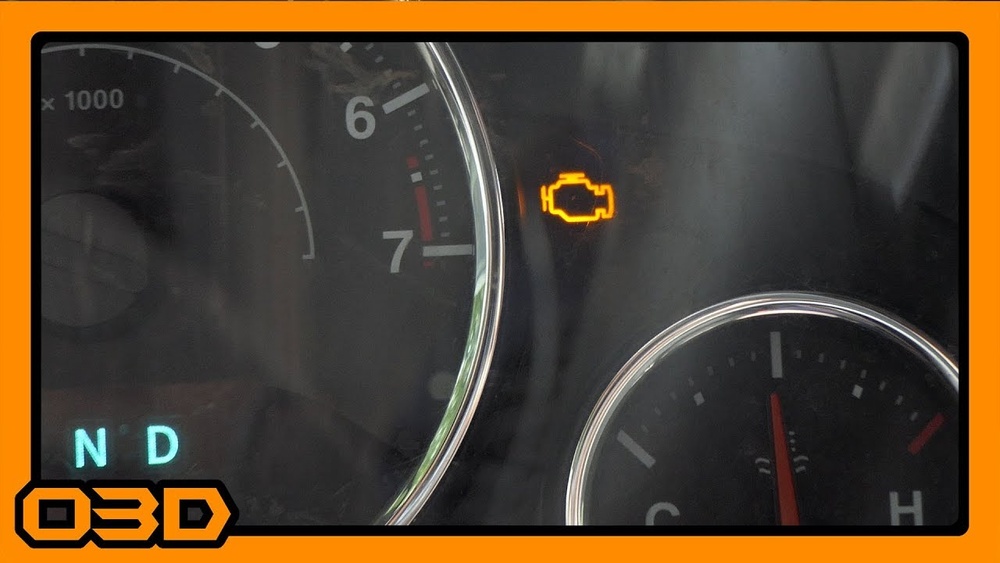
The check engine light often glows first. This warning means the engine control unit found a problem. Ignoring this alert can lead to more damage. A scan tool will confirm the P0172 code.
Black Smoke And Soot
Excess fuel causes black smoke from the exhaust. Soot buildup appears around the tailpipe. This indicates incomplete fuel burning. It can harm your engine and environment.
Fuel Economy Drops
Your Jeep may use more fuel than usual. The rich mixture wastes gas and lowers miles per gallon. Tracking fuel usage helps spot this issue early. Fixing it saves money at the pump.
Engine Rough Idle And Misfires
The engine might run rough or stall at idle. Misfires can cause shaking or jerking during driving. This happens when fuel and air do not mix right. Prompt attention keeps your Jeep reliable and safe.
Quick Fixes
Addressing the P0172 code on your Jeep can be straightforward with some quick fixes. These steps focus on common causes of a rich fuel mixture. They help restore balance to the engine’s air-fuel ratio without costly repairs.
Start by targeting the main parts that affect fuel and air flow. Each fix can improve performance and lower emissions. They are easy to try before visiting a mechanic.
Inspect And Clean Map Sensor
The MAP sensor measures air pressure in the intake manifold. Dirt or damage causes wrong readings. This leads the engine to inject too much fuel.
Remove the sensor carefully. Use a cleaner made for electronics to clean it. Avoid harsh chemicals that can harm the sensor. Reinstall it and clear the error code.
Test And Adjust Fuel Pressure
Fuel pressure that is too high floods the engine with fuel. A fuel pressure gauge helps check the levels. Compare your reading with Jeep’s specs.
Adjust the pressure regulator or replace it if faulty. Proper pressure ensures the right amount of fuel reaches the engine.
Clean Or Replace Injectors
Dirty or leaking injectors cause excess fuel delivery. Use a fuel injector cleaner additive to remove buildup. It improves spray patterns and fuel atomization.
If cleaning does not help, replace the faulty injectors. New injectors restore smooth engine operation and reduce fuel waste.
Check For Vacuum Leaks
Vacuum leaks let extra air enter the engine. This confuses the fuel control system. Listen for hissing sounds around hoses and gaskets.
Spray carburetor cleaner or soapy water on suspect areas. If engine speed changes, a leak is present. Replace cracked hoses and loose fittings to fix it.
Tools And Parts Needed
Fixing the P0172 code on a Jeep requires specific tools and parts. Having the right items helps diagnose and repair the issue quickly. Gathering everything before starting saves time and prevents frustration. Below are the main tools and parts you will need.
Diagnostic Tools
A good OBD-II scanner is essential. It reads the error codes and clears them after repair. Some scanners show live data from sensors. A multimeter helps test electrical parts and connections. Smoke machines can find vacuum leaks affecting fuel mixture. Basic hand tools like screwdrivers and wrenches are necessary for sensor removal.
Replacement Sensors And Injectors
The most common faulty parts include the MAP sensor. Replacing a bad MAP sensor often fixes the P0172 code. Fuel injectors may need replacement if stuck open or leaking. Use OEM or high-quality aftermarket parts for best results. Always check part compatibility with your Jeep model and year.
Cleaning Supplies
Cleaning can restore some sensors instead of replacing them. Use throttle body cleaner for the MAP sensor and air intake parts. Fuel injector cleaner additives help remove deposits inside injectors. A soft brush and clean cloth aid in gentle cleaning. Avoid harsh chemicals that can damage sensitive components.
Step-by-step Repair Guide
Fixing a P0172 code in your Jeep requires a clear, step-by-step approach. This guide helps you handle the problem safely and effectively. Follow these steps to find and solve the issue causing the code.
Diagnose The Issue
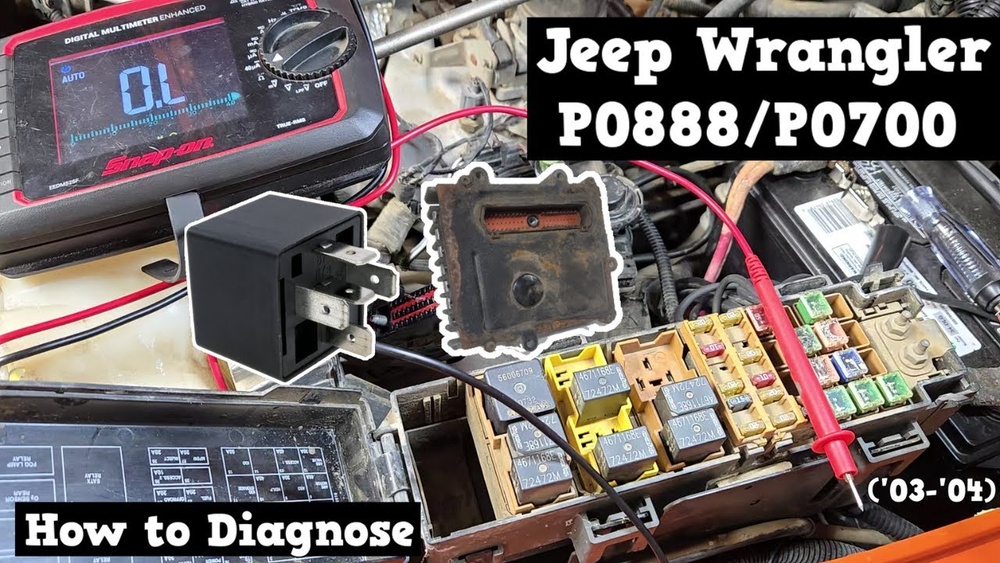
Start by scanning your Jeep’s computer for trouble codes. Confirm the P0172 code is present. Inspect the air intake system for leaks or blockages. Check the Mass Air Flow (MAF) and Manifold Absolute Pressure (MAP) sensors. Test fuel pressure with a gauge. Look for signs of leaking or stuck fuel injectors. Carefully examine vacuum lines for cracks or disconnections.
Replace Or Repair Components
Clean the MAF sensor gently using a sensor cleaner spray. Replace any faulty sensors if cleaning does not fix the issue. Fix or replace damaged vacuum hoses. Change fuel injectors that are leaking or stuck open. Replace the fuel pressure regulator if fuel pressure is too high. Use parts designed for your Jeep model. Follow manufacturer guidelines for each repair or replacement.
Reset Codes And Test Drive
Clear the trouble codes using an OBD-II scanner. Turn off the ignition and then start your Jeep. Take your vehicle for a test drive. Watch for the Check Engine Light to return. Monitor performance for rough idling or hesitation. Re-scan the computer after driving. Repeat repairs if the P0172 code reappears.
Preventing Future Issues
Preventing future issues with the P0172 Jeep code starts with simple steps. Keeping your engine running smoothly reduces costly repairs. Staying ahead helps maintain performance and fuel efficiency. A few habits protect your Jeep from common problems linked to this code.
Regular Maintenance Tips
Change your air filter every 12,000 miles or as needed. A clean filter helps the engine breathe properly. Replace spark plugs on schedule to ensure efficient combustion. Check fuel injectors for clogs or leaks. Inspect sensors like the MAP sensor regularly for faults. Use a trusted mechanic or follow your Jeep’s manual. Regular oil changes keep engine parts lubricated and clean. Address small issues quickly before they worsen.
Fuel Quality And Additives
Use high-quality fuel to avoid deposits and engine problems. Low-grade fuel can cause the engine to run rich. Add fuel system cleaners every few thousand miles. These help remove buildup in injectors and sensors. Avoid fuel with too many ethanol blends. Ethanol can cause corrosion and sensor errors. Always fill up at trusted gas stations. Good fuel protects your engine and lowers error risks.
Monitoring Engine Performance
Watch for changes in fuel economy or engine sound. Rough idling or hesitation may signal fuel mixture issues. Use an OBD-II scanner to check for trouble codes. Early detection of P0172 or related codes saves money. Pay attention to the check engine light and act fast. Keep a log of engine performance after maintenance. Regular monitoring helps catch problems before they grow.

Frequently Asked Questions
How Do I Fix A P0172 Code?
To fix a P0172 code, clean or replace the faulty MAP sensor. Check for leaking fuel injectors and test fuel pressure. Repair vacuum leaks and inspect the air intake system to restore proper fuel mixture and engine performance.
What Is The Most Common Cause Of P0172?
The most common cause of P0172 is a faulty or dirty Manifold Absolute Pressure (MAP) sensor sending incorrect air intake data.
Can A Dirty Air Filter Cause A P0172 Code?
A dirty air filter can reduce airflow but rarely causes a P0172 code. This code usually signals a rich fuel mixture.
Is System Too Rich Bank 1 Serious?
Yes, a Too Rich Bank 1 system can cause serious engine issues like poor fuel economy, rough idle, and increased emissions. Address it promptly to avoid damage.
Conclusion
The P0172 code signals a rich fuel mixture in your Jeep’s engine. Fixing it often means checking the MAP sensor, fuel injectors, and fuel pressure. Ignoring this issue may cause poor fuel economy and engine problems. Regular maintenance helps avoid these troubles.
Stay alert to symptoms like rough idle or black smoke. Simple checks can save you time and money. Keep your Jeep running smoothly and enjoy every drive.