If you drive a Jeep Cherokee, you probably love its strong build and off-road ability. But sometimes, the ride can feel rough, especially on city streets or highways.
Many Cherokee owners notice bumps, shakes, or loud road noise. If you want a smoother ride, there are smart ways to improve comfort without losing performance.
This guide covers practical tips, common mistakes, and helpful upgrades. You’ll learn how to make your Jeep Cherokee ride softer and quieter, no matter where you drive.
Understanding What Makes A Jeep Cherokee Ride Rough
The Jeep Cherokee is built for adventure. Its suspension is firm, tires are rugged, and the chassis is strong. These features help off-road, but can make city driving uncomfortable. The most common causes of rough rides include:
- Worn suspension parts like shocks and struts
- Old or stiff tires
- Incorrect tire pressure
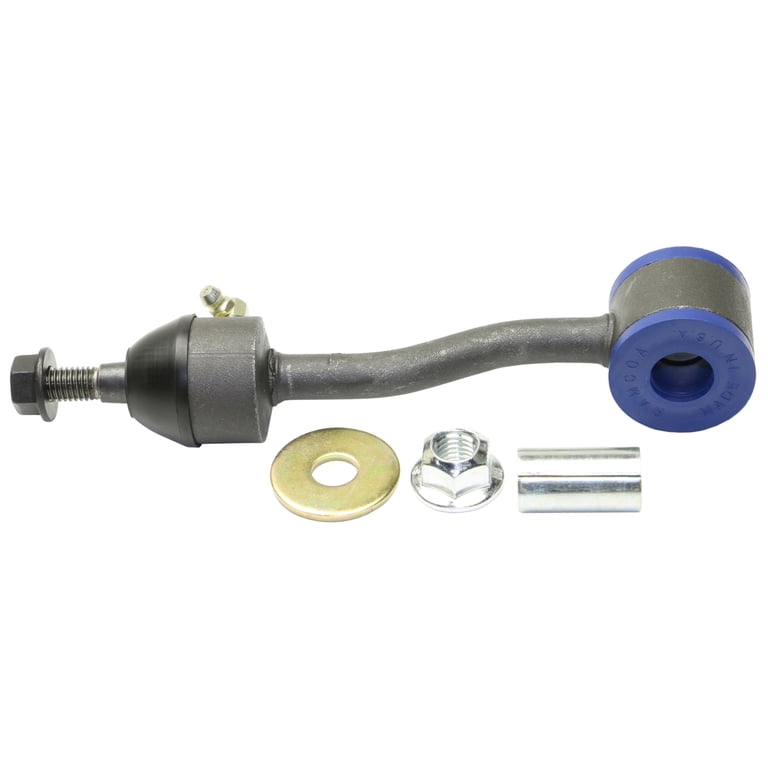
- Loose or damaged bushings
- Excessive road noise
Sometimes, even new Cherokees feel bumpy because their suspension is tuned for tough terrain. Understanding these factors is the first step to fixing the problem.
Key Upgrades And Fixes For A Smoother Ride
You don’t have to spend thousands of dollars or change your Jeep’s purpose. Small upgrades and smart maintenance can make a big difference.
1. Replace Worn Suspension Components
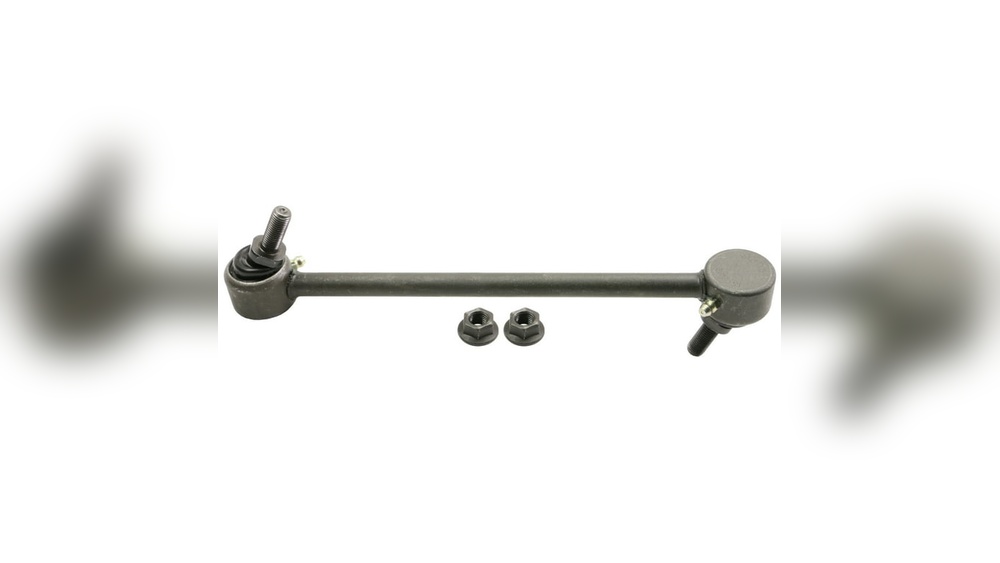
Shocks and struts absorb bumps. Over time, they wear out and lose effectiveness. Upgrading to high-quality aftermarket shocks made for comfort can soften the ride.
| Suspension Type | Ride Quality | Cost (Approx.) |
|---|---|---|
| OEM Standard | Firm | $250–$400 |
| Aftermarket Comfort | Softer | $350–$600 |
| Performance Off-Road | Very Firm | $500–$900 |
Tip: Always replace both sides at the same time. Mixing old and new parts reduces effectiveness.
2. Choose The Right Tires
Tires are the main contact between your Cherokee and the road. All-terrain tires are noisy and stiff, while touring tires are softer and quieter.
| Tire Type | Comfort Level | Noise Level | Price Range |
|---|---|---|---|
| All-Terrain | Low | High | $150–$300 |
| Touring | High | Low | $120–$250 |
| Performance | Medium | Medium | $180–$400 |
Tip: A tire with a taller sidewall absorbs bumps better. Look for tires with more rubber between the rim and the road.
3. Adjust Tire Pressure
Many drivers overlook tire pressure. Too much air makes the ride harsh; too little can cause safety issues. The recommended pressure for most Cherokees is 33–36 psi. Check your owner’s manual or the sticker inside the driver’s door.
Practical Insight: Lowering pressure by 2–3 psi below the max recommended can soften bumps, but don’t go under the minimum safe level.
4. Upgrade Bushings
Bushings are small rubber parts that cushion joints in the suspension. Over time, they dry out or crack, leading to extra vibration. Upgrading to polyurethane bushings can reduce noise and smooth out rough spots.
Non-Obvious Tip: Replacing bushings is often cheaper than changing the whole suspension and makes a big impact on ride comfort.
5. Add Sound Deadening Material
Road noise makes the ride feel harsher. Adding sound deadening mats under the carpet or inside doors can lower noise by up to 30%. Many Cherokee owners report their vehicle feels much smoother after this simple upgrade.
| Material | Noise Reduction | Cost |
|---|---|---|
| Basic Foam | 10–15% | $50–$100 |
| Premium Mats | 25–30% | $150–$300 |
Practical Advisor’s Tip: Focus first on the floor and doors—these areas let in most noise.
Maintenance Habits That Improve Ride Quality
Even with upgrades, simple habits keep your Cherokee comfortable.
- Rotate tires every 5,000–7,000 miles
- Check suspension for leaks or rust twice a year
- Keep tires balanced and aligned
- Clean and lubricate bushings yearly
Neglecting these steps can make expensive upgrades useless.
Common Mistakes To Avoid
Many drivers try to fix a rough ride but make mistakes that waste money or cause new problems.
- Overspending on off-road parts: If you drive mostly on paved roads, avoid heavy-duty off-road suspension.
- Mixing tire types: Using different tires can cause imbalance and extra vibration.
- Ignoring tire age: Even with good tread, old tires (over 5 years) can be stiff and noisy.
- Skipping professional alignment: DIY alignment may not fix steering or vibration issues.
Real-world Example: Smoother Ride With Smart Upgrades
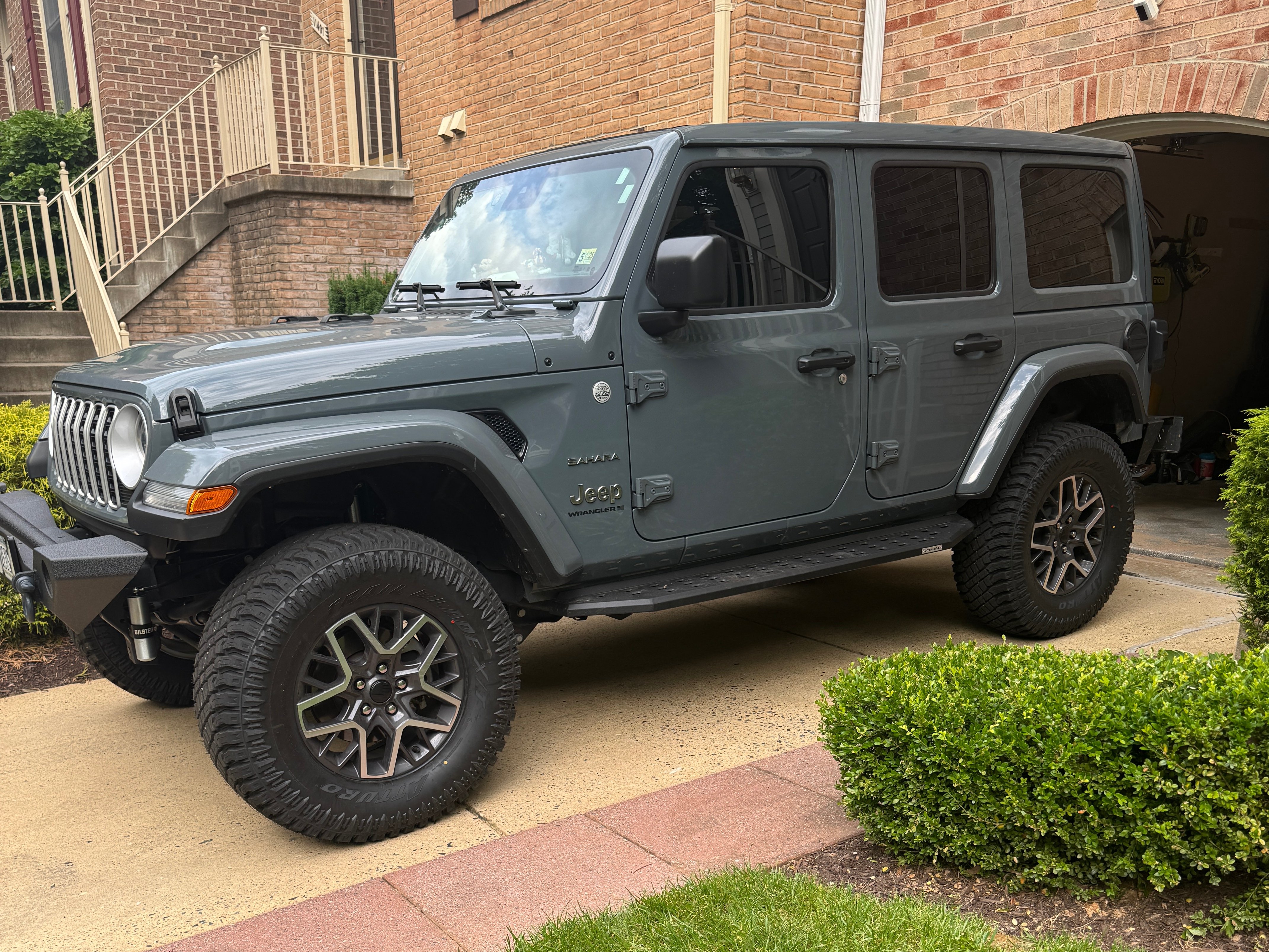
A Cherokee owner in California reported his SUV felt harsh and loud after five years. He switched from all-terrain tires to touring tires, replaced old shocks, and added premium sound mats. The result? A 25% drop in cabin noise and much softer handling on city roads. He spent about $750 total and avoided more expensive suspension kits.
Frequently Asked Questions
What Is The Best Tire For A Smoother Jeep Cherokee Ride?
Touring tires are best for comfort. They have softer rubber and taller sidewalls. This reduces bumps and lowers road noise.
How Often Should I Check My Suspension?
Inspect your suspension every 6 months or 10,000 miles. Look for leaks, rust, or broken parts. Early checks save money and prevent rough rides.
Can Lowering Tire Pressure Damage My Cherokee?
If you stay within the safe limits (usually 33–36 psi), lowering pressure by 2–3 psi is fine. Too low can cause tire wear or safety problems, so always check your manual.
Will Sound Deadening Mats Affect My Jeep’s Weight Or Performance?
No, the weight added is minimal (usually 10–20 lbs total). Mats won’t affect fuel economy or handling, but will make your cabin quieter.
Are Aftermarket Shocks Better Than Factory Ones?
Aftermarket comfort shocks often give a smoother ride than factory shocks. Choose brands known for quality and check reviews before buying. For more detailed specs, visit Consumer Reports.
Getting a smoother ride in your Jeep Cherokee is possible with smart upgrades and good habits. Focus on tires, suspension, and noise reduction.
Avoid common mistakes and check parts regularly. With these tips, your Cherokee will feel softer and quieter ready for any road ahead.