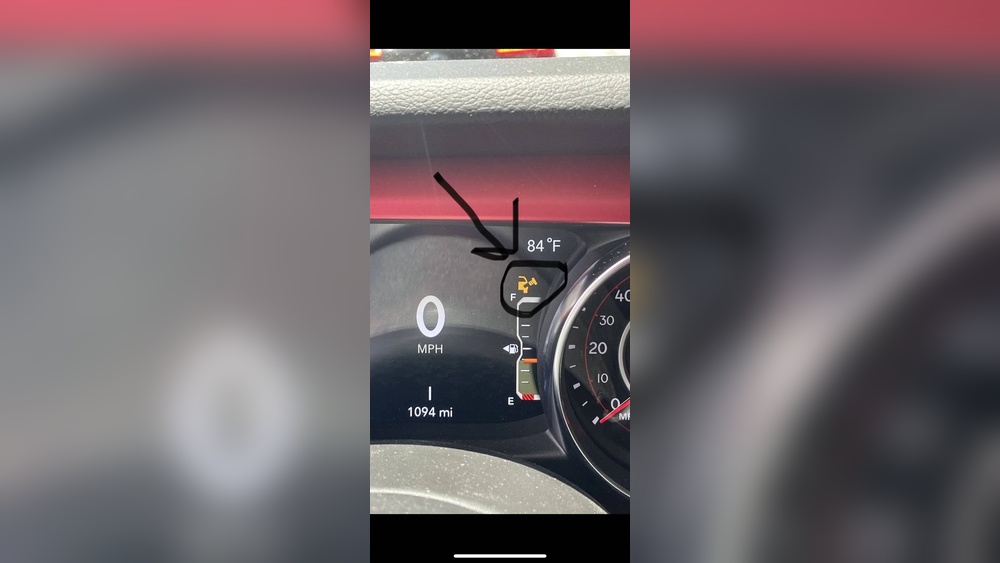
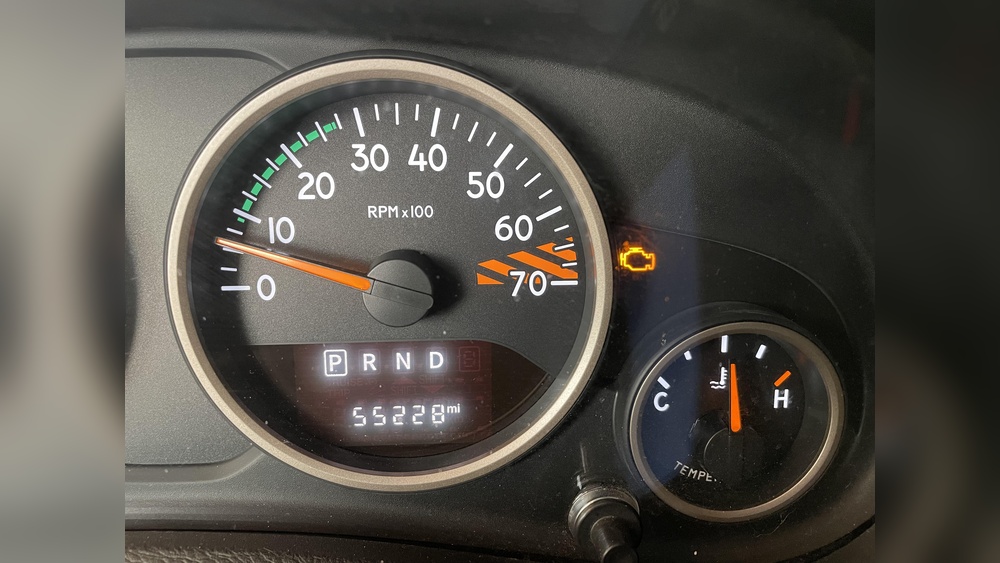
If the check engine light just came on in your Jeep Wrangler, you might be wondering what’s going on under the hood. That little warning can feel like a big red flag, but don’t panic.
Your Jeep’s computer has spotted something that needs attention, and understanding what it means is the first step to keeping your ride safe and reliable. Whether it’s a loose gas cap or something more serious, knowing how to check and respond to the light can save you time, money, and hassle down the road.
Keep reading, and you’ll learn how to quickly diagnose the issue, common reasons this light appears, and what you should do next to get back on the road with confidence.


Jeep Wrangler Check Engine Light Basics
The Jeep Wrangler check engine light is an important alert. It signals that the vehicle’s computer found a problem. Understanding this light helps you act fast and avoid bigger issues. Every Jeep owner should know the basics about this warning light.
The light may come on for many reasons. Some are simple, while others need professional help. Knowing how to check the codes can save time and money.
What The Light Means
The check engine light turns on when the Jeep’s computer detects a fault. This fault can be related to the engine, transmission, or emissions system. The light can be steady or blinking. A steady light means a minor issue. A blinking light means a serious problem that needs immediate attention.
Common causes include a loose gas cap, faulty spark plugs, or sensor issues. Ignoring the light may lead to poor performance or damage. The system uses sensors to monitor many parts of the vehicle. When one sensor reports a problem, the light comes on.
How To Retrieve Diagnostic Codes
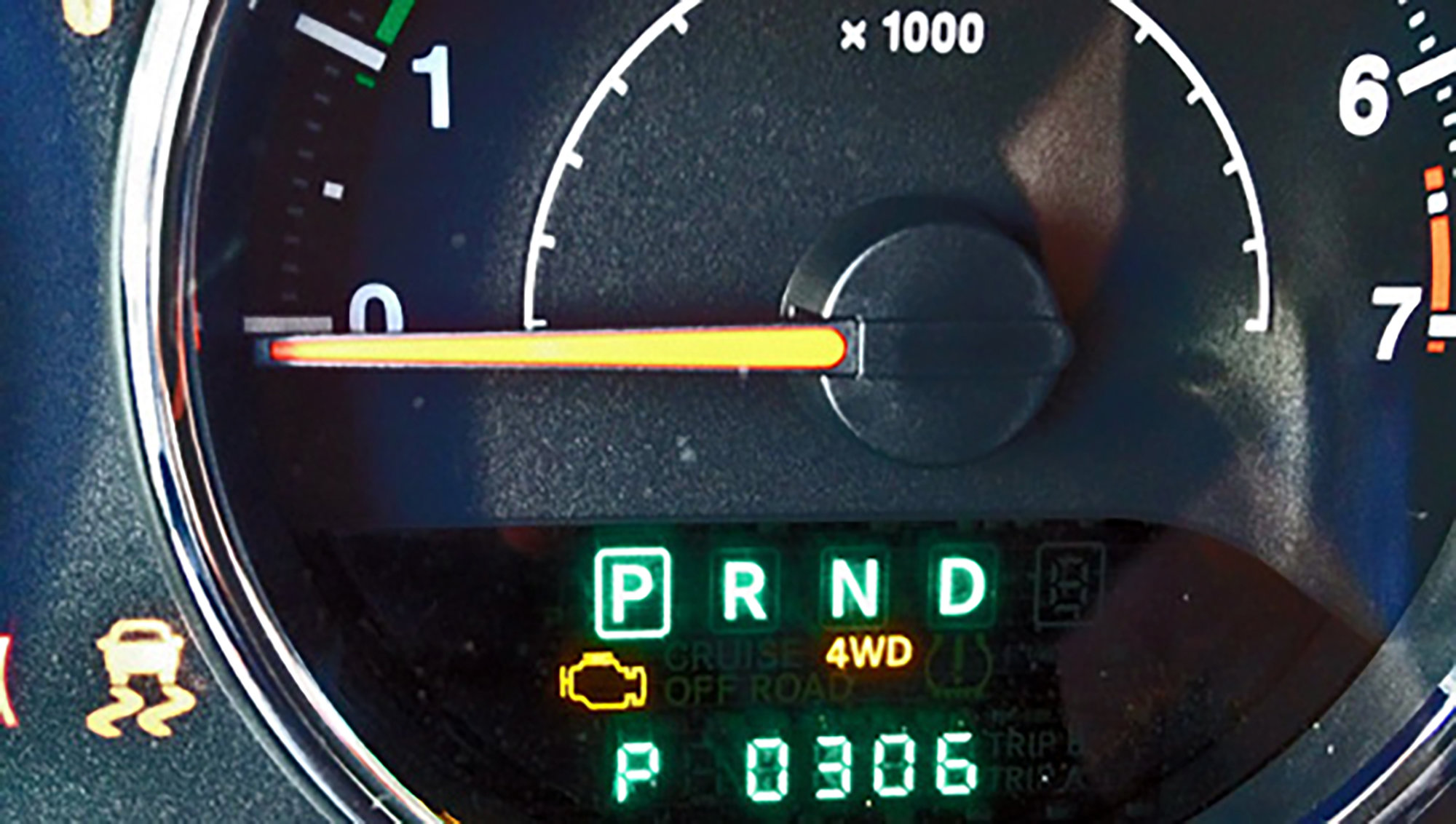
Many Jeep Wranglers allow code reading without special tools. Sit in the driver’s seat and close all doors. Insert the key into the ignition. Turn the key off to on three times quickly, ending in the on position. Do not start the engine.
The dashboard will display a code. This code tells you what part needs attention. Write down the code and look it up online or in the owner’s manual. This process helps identify the exact issue causing the check engine light.
For deeper checks, use an OBD-II scanner. These devices plug into a port under the dashboard. The scanner reads all stored codes and clears them after repair. Smartphone apps can also connect to these scanners via Bluetooth.
Common Causes For The Light
The check engine light in a Jeep Wrangler signals a problem detected by the vehicle’s computer. It helps alert drivers to issues that need attention. Understanding common causes can help you decide your next steps.
Many problems are easy to fix, while others need professional help. Here are some frequent reasons why the check engine light turns on.
Loose Or Damaged Gas Cap
A loose or damaged gas cap can cause fuel vapors to leak. This triggers the evaporative emissions system to detect a leak. Tightening or replacing the gas cap often resolves this issue quickly.
Faulty Oxygen Sensor
The oxygen sensor measures the amount of oxygen in the exhaust. A faulty sensor can lead to poor fuel economy and more emissions. Replacing a bad oxygen sensor restores proper engine performance.
Worn Spark Plugs Or Coils
Old spark plugs or coils cause engine misfires and rough idling. This can make the check engine light flash or stay on. Changing worn spark plugs or coils improves engine smoothness and fuel efficiency.
Bad Catalytic Converter
The catalytic converter reduces harmful emissions from the exhaust. A failing converter can cause poor engine performance and a check engine warning. Replacing a bad catalytic converter helps the engine run clean and smooth.
Engine Misfires
Engine misfires occur when fuel does not burn properly in the cylinders. This can trigger the check engine light and cause poor driving performance. Diagnosing and fixing the misfire source is key to solving the problem.
Quick Fixes To Try
The check engine light in your Jeep Wrangler can cause worry. It signals that the vehicle’s computer has found an issue. Some problems are simple and quick to fix. Trying these quick fixes can save time and money. They often clear the check engine light fast.
Tightening Or Replacing Gas Cap
A loose or damaged gas cap is a common reason for the light. The gas cap seals the fuel system to prevent vapor leaks. Check the cap by twisting it until it clicks firmly. If the cap is cracked or worn, replace it with a new one. After tightening or replacing, the light may turn off after a few drives.
Changing Spark Plugs
Old or dirty spark plugs cause misfires that trigger the check engine light. Spark plugs ignite the fuel-air mix in the engine cylinders. Inspect the plugs for wear or carbon buildup. Replace them if they look damaged or have not been changed for a long time. New spark plugs improve engine performance and may stop the light.
Cleaning Or Replacing Sensors
Sensors monitor engine functions and send data to the computer. Dirty or failing sensors can cause false error codes. Common sensors to check are oxygen sensors and mass airflow sensors. Clean sensor surfaces gently with a proper cleaner. Replace sensors that do not work after cleaning. Proper sensor function helps the engine run smoothly and can turn off the warning light.
Using An Obd-ii Scanner
Keeping the check engine light off in your Jeep Wrangler saves time and money. Regular care helps your vehicle run smoothly and avoids unexpected problems. Follow simple maintenance steps to keep the engine healthy and the light off.
Regular Oil And Filter Changes
Changing the oil and filter on time protects your engine parts. Old oil causes friction and wear, which may trigger the check engine light. Use the oil type recommended by Jeep for best results. Check the oil level often and top it up if low.
Scheduled Spark Plug Replacement
Spark plugs help your engine ignite the fuel-air mix. Worn or dirty spark plugs cause misfires and rough idling. Replace them as Jeep suggests in the owner’s manual. Good spark plugs improve fuel efficiency and prevent engine trouble codes.
Monitoring Emission System Health
The emission system controls harmful gases from the engine. Faulty parts here can turn on the check engine light. Keep sensors, hoses, and the gas cap in good shape. Regular inspections catch problems early and keep emissions low.
Frequently Asked Questions
Can I Drive My Jeep With The Engine Light On?
Driving your Jeep with the engine light on is risky. A steady light may allow limited driving. A flashing light means severe engine issues. Get your Jeep checked promptly to prevent costly damage and ensure safety.
What Can Cause A Check Engine Light To Come On In A Jeep Wrangler?
A Jeep Wrangler’s check engine light can come on due to a loose gas cap, faulty spark plugs, engine misfires, or oxygen sensor issues. It signals the onboard diagnostic system detected a problem requiring attention.
Can I Drive $1000 Miles With The Check Engine Light On?
Driving 1,000 miles with the check engine light on risks serious damage. Get your Jeep diagnosed promptly to avoid costly repairs.
How To Clear A Jeep Check Engine Light?
Turn the ignition key ON three times without starting the engine to display codes. Use an OBD-II scanner to read and clear the check engine light. Fix any detected issues before resetting the light to avoid recurring warnings.
Conclusion
The check engine light in your Jeep Wrangler warns you of a problem. Don’t ignore it or wait too long to act. Start by checking the gas cap; it’s often the cause. Use a scanner to read the error codes easily.
Address minor issues quickly to avoid costly repairs. Staying aware keeps your Jeep running smoothly and safely. Trust your instincts and take simple steps to fix the problem. Your Jeep will thank you with better performance and reliability.