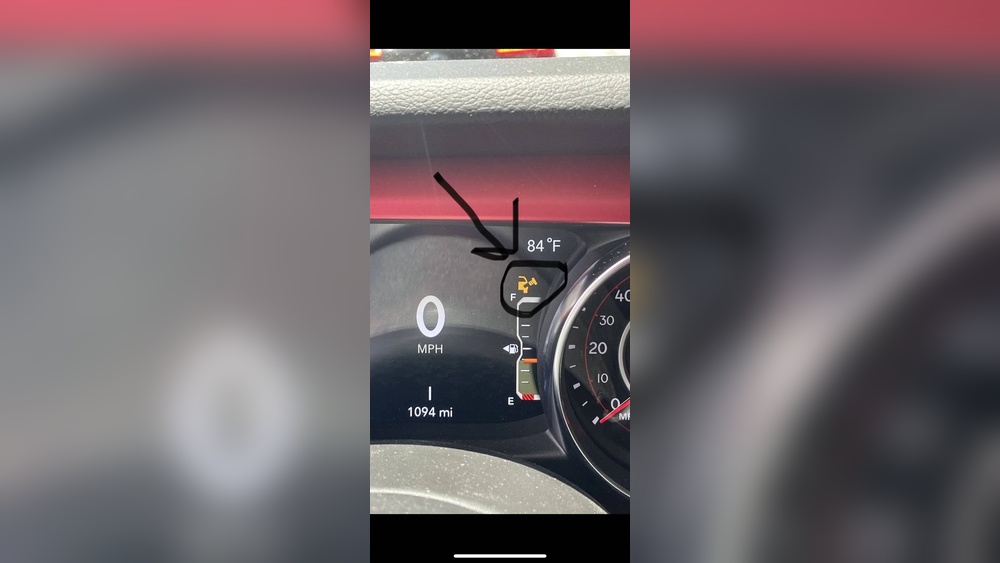
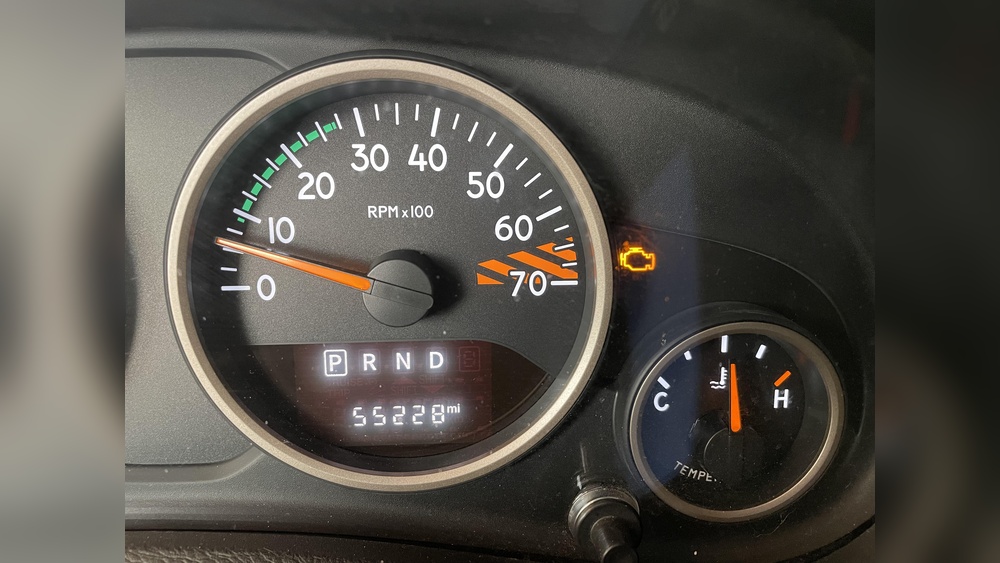
If you’ve noticed your Jeep Wrangler’s check engine light flickering on and your diagnostic tool points to the P0135 code, you’re probably wondering what it means and what to do next. This code signals an issue with the oxygen sensor heater circuit, which can affect your engine’s performance and fuel efficiency.
Don’t ignore it—understanding the P0135 Jeep Wrangler code will help you fix the problem quickly and get back on the road with confidence. Keep reading to learn what causes this code, how to diagnose it, and the best steps to take for a smooth-running Jeep.
P0135 Code Basics
The P0135 code in a Jeep Wrangler points to a problem with the oxygen sensor heater circuit. This code means the sensor’s heating element is not working correctly. The heater helps the sensor reach the right temperature quickly. Without it, the sensor cannot give accurate readings.
When the heating element fails, the engine control module detects this and sets the P0135 code. This code affects the vehicle’s emissions and fuel efficiency. Understanding the basics of this code helps in identifying and fixing the issue fast.
What Triggers P0135
The P0135 code triggers when the oxygen sensor heater does not work properly. This can happen because of a broken heater inside the sensor. Wiring problems like frayed or melted wires also cause this code. Corrosion in the sensor’s connector can lead to poor electrical contact. A blown fuse in the heater circuit may also cause this issue.
Symptoms In Jeep Wrangler
A common symptom is the check engine light turning on. The engine may run rough or idle unevenly. Fuel efficiency often drops when this code is active. You might notice poor acceleration or hesitation. The vehicle may also fail an emissions test. These symptoms signal it is time to check the oxygen sensor heater circuit.
Oxygen Sensor Role
The oxygen sensor plays a vital role in your Jeep Wrangler’s engine system. It measures the oxygen level in the exhaust gases. This data helps the engine control unit adjust the air-fuel mix. Proper adjustment improves fuel efficiency and lowers emissions. A faulty oxygen sensor can cause poor engine performance and increased pollution.
Heater Element Function
The oxygen sensor includes a heater element inside it. This heater warms the sensor quickly after the engine starts. Warm sensors give accurate readings faster. Without the heater, the sensor stays cold and slow to respond. The heater ensures the sensor works well in all weather conditions.
Impact On Engine Performance
A malfunctioning oxygen sensor affects engine power and fuel use. The engine may run too rich or too lean. This causes rough idling, hesitation, or stalling. Fuel consumption usually rises, wasting gas. The check engine light often turns on due to sensor errors. Fixing the sensor restores smooth engine operation.
Common Causes
Diagnosing the P0135 code on a Jeep Wrangler requires a clear and structured approach. This code indicates a problem with the oxygen sensor heater circuit. The heater helps the sensor reach operating temperature quickly, improving emissions control and fuel efficiency. Follow these diagnostic steps to identify and fix the issue effectively.
Using A Multimeter
Start by unplugging the oxygen sensor connector. Set the multimeter to measure resistance (ohms). Test the heater circuit wires on the sensor side. A good sensor shows low resistance, usually between 3 and 14 ohms. If the multimeter reads open or infinite resistance, the sensor heater is faulty and needs replacement.
Inspecting Wiring And Connectors
Examine the wiring harness connected to the oxygen sensor. Look for melted, frayed, or broken wires. Check connectors for corrosion or dirt buildup. Damaged wires or poor connections can disrupt the heater circuit. Repair or replace any faulty wiring to restore proper function.
Checking Relevant Fuses
Locate the fuse box in your Jeep Wrangler using the owner’s manual. Identify the fuse linked to the oxygen sensor heater circuit. Inspect the fuse for signs of damage or a blown filament. Replace the fuse if necessary with one of the same amperage rating. A blown fuse can cause the P0135 code to appear.

Diagnostic Steps
Preventive maintenance keeps your Jeep Wrangler running smoothly and avoids the P0135 error code. This code often points to issues with the oxygen sensor heater circuit. Taking simple, regular steps helps maintain sensor health and prevents costly repairs.
Routine care protects vital parts like sensors, wiring, and fuses. Proper attention reduces the chances of sensor failure and warning lights. Here are key maintenance tips to keep your Jeep’s oxygen sensor system in good shape.
Regular Sensor Inspections
Check the oxygen sensor regularly for signs of wear or damage. Look for cracks, dirt buildup, or corrosion on the sensor body. Clean sensors improve performance and reduce error codes. Replace sensors as recommended by Jeep’s maintenance schedule. Early detection stops small problems from growing.
Protecting Wiring Harness
Inspect wiring harnesses connected to the oxygen sensor often. Look for frayed wires, melted insulation, or loose connections. Damaged wiring can cause signal loss or heater failure. Use protective sleeves or clips to keep wires secure and away from hot parts. Good wiring helps maintain sensor function and prevents faults.
Fuse Box Care
Check the fuse box for blown or corroded fuses related to the oxygen sensor heater circuit. Replace any damaged fuses with the correct rating immediately. Keep the fuse box clean and dry to avoid electrical problems. Proper fuse care ensures the sensor heater receives the power it needs to work well.
Quick Repair Options
Driving with the P0135 code in your Jeep Wrangler means the oxygen sensor heater circuit is not working properly. This issue can affect your vehicle’s performance and safety. It is important to understand what happens when you drive with this code active. Knowing the risks helps you decide the best action to take.
Safety Considerations
The P0135 code does not usually cause immediate danger. Your Jeep will still drive, but some safety risks exist. Poor fuel mixture may cause rough idling or stalling. This can be risky in traffic or on busy roads. Pay attention to unusual engine behavior and be ready to pull over if needed. Avoid long drives until the problem is fixed. This reduces the chance of a breakdown in unsafe places.
Potential Engine Effects
The oxygen sensor heater helps the sensor work faster after starting. Without it, the sensor sends wrong signals to the engine computer. This leads to poor fuel efficiency and increased emissions. Your Jeep may use more gas than usual. Engine power can drop, and acceleration may feel weak. Over time, unburned fuel can damage the catalytic converter. Repairing the sensor heater promptly protects your engine and saves money.

Frequently Asked Questions
How Do I Fix Error Code P0135?
To fix error code P0135, test the oxygen sensor heater circuit for faults. Replace a faulty sensor, repair damaged wiring, and check related fuses. Use a multimeter to ensure proper resistance and continuity in the heater circuit.
Where Is The O2 Sensor Heater Circuit Bank 1 Sensor 1?
The O2 sensor heater circuit bank 1 sensor 1 is located on the engine’s exhaust manifold side. It monitors oxygen levels before the catalytic converter.
Can I Drive With A Bad Bank 2 Sensor 1?
Driving with a bad bank 2 sensor 1 can cause poor fuel economy and engine performance. It’s unsafe long-term. Repair soon.
What Are The Three Common Causes Of O2 Sensor Failure?
The three common causes of O2 sensor failure are a faulty sensor element, damaged wiring or connectors, and contamination from oil or fuel.
Conclusion
The P0135 code signals an issue with your Jeep Wrangler’s oxygen sensor heater. Fixing it quickly helps your engine run better and saves fuel. Check the sensor and wiring for damage or wear. Use a multimeter to test the sensor heater’s resistance.
Replacing a faulty sensor often clears the code and restores performance. Drive carefully until repairs are made to avoid further damage. Staying on top of this issue keeps your Jeep reliable and efficient. Regular maintenance prevents P0135 and other engine problems from slowing you down.