If you’re driving your 2013 Jeep Wrangler and notice the gas cap light flickering on your dashboard, you might be wondering what’s going on. It’s frustrating, especially when you’ve just filled up the tank and tightened the cap.
But this warning isn’t just about your gas cap being loose—it could signal a deeper issue with your vehicle’s evaporative emissions system. Understanding why this light comes on and how to fix it can save you time, money, and stress down the road.
Keep reading to learn what causes the gas cap light to activate, how to troubleshoot it yourself, and when it’s time to seek professional help to keep your Wrangler running smoothly.
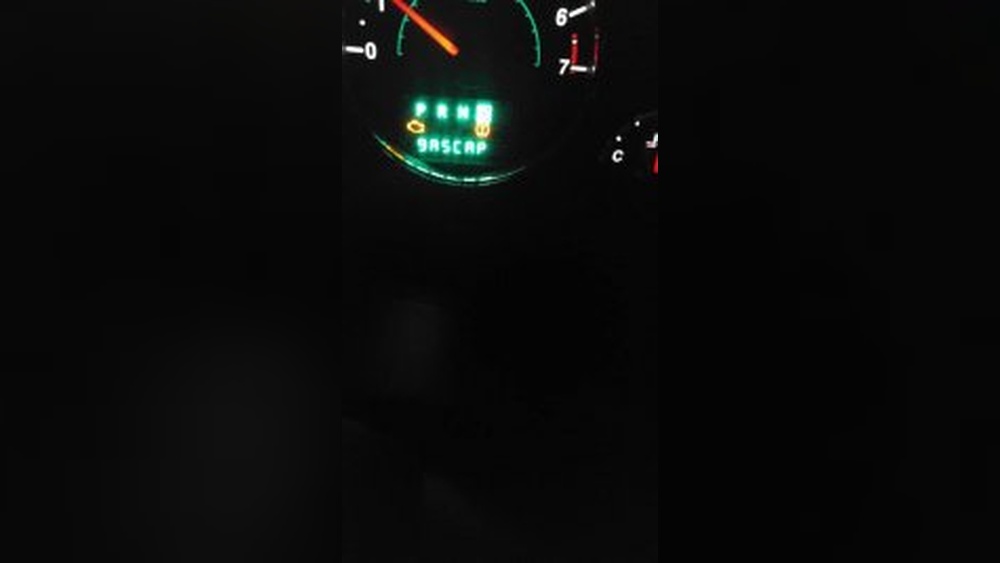
Gas Cap Light Causes
Signs of gas cap problems in a 2013 Jeep Wrangler often appear suddenly. These signs warn you about issues that can affect your vehicle’s performance. Paying attention to these signs helps avoid bigger repairs.
Gas cap problems mainly cause fuel system leaks. This affects emissions and can trigger warning lights. Recognizing these signs early keeps your Jeep running smoothly and saves money.
Check Engine Light Activation
The check engine light often turns on due to gas cap issues. A loose or damaged gas cap lets fuel vapors escape. This triggers the vehicle’s evaporative emissions system. The light stays on until the issue is fixed.
Resetting the light without fixing the gas cap will not work. The system detects leaks and alerts the driver. Always inspect the gas cap if the check engine light appears.
Fuel Smell Near Vehicle
A strong fuel smell around your Jeep signals a gas cap problem. Fuel vapors may leak from a loose or cracked cap. This smell is noticeable especially after refueling. It indicates that the fuel system is not sealed properly.
Ignoring this smell wastes fuel and harms the environment. Check the gas cap for damage or tightness to stop the leak.
Fuel Cap Warning Messages
Your Jeep’s dashboard may show a fuel cap warning message. This message appears if the gas cap is missing, loose, or faulty. It guides you to check and secure the gas cap. Some models display “Check Gas Cap” or similar alerts.
Do not ignore these warnings. They help prevent fuel system issues and maintain fuel efficiency. Always tighten or replace the gas cap after refueling.
Signs Of Gas Cap Problems
The gas cap light on a 2013 Jeep Wrangler often signals a problem with the fuel system seal. This warning usually points to a loose, damaged, or faulty gas cap. Fixing this issue can be simple and quick. Below are practical steps to address the gas cap light and keep your Jeep running smoothly.
Tightening Or Replacing The Gas Cap
Start by checking the gas cap for tightness. Turn it clockwise until it clicks several times. This ensures a proper seal. If the light stays on, inspect the cap for cracks or damage. Replace the gas cap if it looks worn out or broken. A new cap often solves the problem and stops the light from blinking.
Using Mopar Oem Gas Caps
Aftermarket gas caps may not fit perfectly on Jeep Wranglers. This can cause leaks and trigger the gas cap light. Use Mopar OEM gas caps designed specifically for your Jeep. These caps provide a better seal and match the original specifications. Installing an OEM cap reduces the chance of error messages and keeps the fuel system sealed tight.
Applying Lubricant To O-ring For Better Seal
The rubber O-ring on the gas cap helps create a tight seal. Over time, it can dry out and crack. Clean the O-ring and apply a small amount of silicone lubricant. This keeps the rubber soft and flexible. A well-lubricated O-ring seals better and prevents evaporative emissions leaks. Check the seal regularly to maintain proper function and avoid the gas cap light.
Inspecting The Gas Cap
Replacing the gas cap on a 2013 Jeep Wrangler often solves the gas cap light issue. Sometimes, the light stays on even after a new cap. This means the problem lies deeper in the EVAP system. The EVAP system controls fuel vapors and prevents leaks. A leak triggers the gas cap light, but the gas cap is not always the cause.
Checking other components can help find and fix the issue. Inspecting EVAP hoses, testing the purge valve, and replacing the EVAP System Integrity Module can resolve the problem. These steps require careful attention but are necessary to turn off the gas cap light.
Inspecting Evap Hoses
EVAP hoses carry fuel vapors from the gas tank to the engine. Cracks or holes in these hoses cause leaks. Check all hoses for damage or loose connections. Replace any hoses that look worn or cracked. Tighten loose clamps or fittings. A thorough inspection helps stop vapor leaks and clears the gas cap light.
Testing The Purge Valve
The purge valve controls vapor flow to the engine. A faulty valve may stay open or closed, causing leaks. Use a diagnostic tool to test the valve’s operation. Listen for clicking sounds or check for blockage. Replace the valve if it does not respond properly. Fixing the purge valve can solve gas cap light problems.
Replacing The Evap System Integrity Module
The EVAP System Integrity Module (ESIM) monitors system leaks. It is attached to the charcoal canister under the Jeep. A malfunctioning ESIM can falsely trigger the gas cap light. Remove the ESIM and test it with a scanner. Replace the module if it shows errors or fails testing. This part is affordable and often fixes stubborn gas cap light issues.
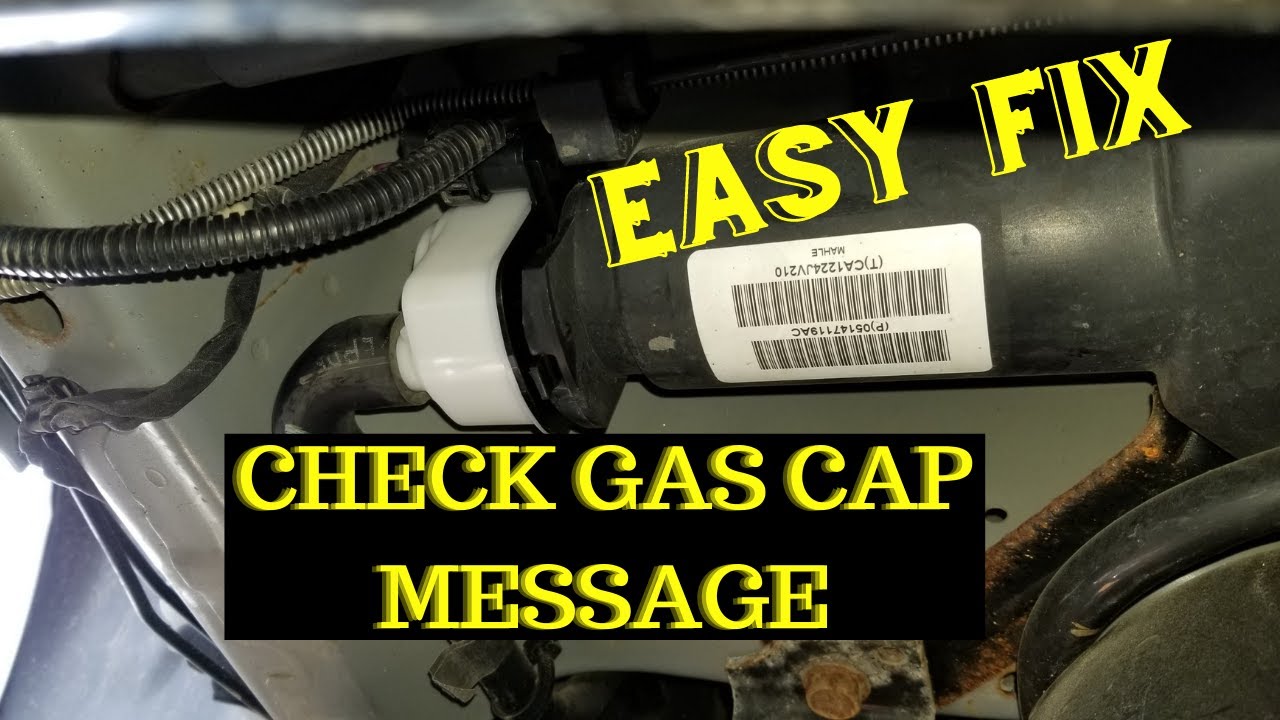
Fixes For Gas Cap Light
Resetting the gas cap light on a 2013 Jeep Wrangler is often a simple task. This light usually signals a problem with the fuel system’s seal. Fixing it might only require tightening or replacing the gas cap.
Understanding how to reset this warning can save time and prevent unnecessary repairs. The light can turn off automatically or may need a manual reset. Knowing both methods helps you handle the issue quickly and safely.
Driving Cycle For Automatic Reset
The gas cap light often resets itself after a driving cycle. This means the vehicle must run through a full start-to-stop operation. Drive your Jeep normally for about 50 to 100 miles. The system will check for leaks and seal integrity during this time.
If the gas cap is tight and sealed properly, the light should go off after this drive. Avoid turning off the engine too soon. This allows the onboard computer to complete its checks and clear the warning.
Manual Reset Methods
Sometimes the light stays on even after fixing the gas cap. In this case, a manual reset might be needed. Start by turning the ignition to the “On” position without starting the engine. Wait for the dashboard lights to appear.
Then turn the ignition off. Repeat this process three to four times. This can reset the onboard system and clear the error code.
If this does not work, disconnect the vehicle’s battery for about 15 minutes. This resets the vehicle’s computer system. Reconnect the battery and start the engine. The gas cap light should now be off.
When To Seek Professional Help
If the gas cap light remains on after resets, there may be a deeper issue. Problems with the EVAP system, like leaks or faulty sensors, can cause this. A mechanic can run a diagnostic test to find the exact problem.
Do not ignore the light for too long. A faulty EVAP system affects fuel efficiency and emissions. Professional help ensures your Jeep runs safely and meets environmental standards.

Frequently Asked Questions
Why Does My Jeep Wrangler Keep Saying Gas Cap?
Your Jeep Wrangler shows the “gas cap” warning due to a possible leak in the EVAP system. Check the gas cap’s seal for damage or dirt. Use a Mopar OEM gas cap for a proper seal. If the cap is fine, inspect EVAP hoses, purge valve, or ESIM module for leaks.
Why Does It Say Check Fuel Cap But The Cap Is There?
The “check fuel cap” message appears due to a leak in the EVAP system. The cap may be loose, damaged, or its seal worn. Clean the seal and filler neck, ensure the cap is tight, or replace with an OEM cap.
Other EVAP components might also cause this alert.
What Else Can Cause A Gas Cap Light To Come On?
A gas cap light can also come on due to EVAP system leaks, faulty purge valves, damaged hoses, or a malfunctioning ESIM module.
How To Reset Jeep Gas Cap?
Tighten the gas cap securely until it clicks several times. Drive for a few miles to reset the system. Replace the cap if the light stays on.
Conclusion
The gas cap light on a 2013 Jeep Wrangler signals a possible leak. Start by checking the gas cap seal for cracks or dirt. Use an original Mopar gas cap to ensure a proper fit. If the light stays on, the EVAP system may have a leak elsewhere.
Common parts to inspect include hoses, the purge valve, and the ESIM module. Regular checks can prevent bigger problems down the road. Stay attentive to warning lights for a safer driving experience.