If your Jeep Grand Cherokee’s check engine light just came on, you’re probably wondering what sensor triggered it—and what that means for your ride. That little warning light is your Jeep’s way of telling you something’s off under the hood.
It could be a simple sensor issue or a sign of a bigger problem that might affect your engine’s performance or fuel efficiency. Understanding which sensor is causing the alert can save you time, money, and headaches down the road.
Keep reading to find out the most common sensors that trigger the check engine light in your Jeep Grand Cherokee, what each one does, and how you can tackle the issue before it gets worse. This knowledge puts you in control of your Jeep’s health and keeps you safely on the road.
Common Sensors Triggering Check Engine Light
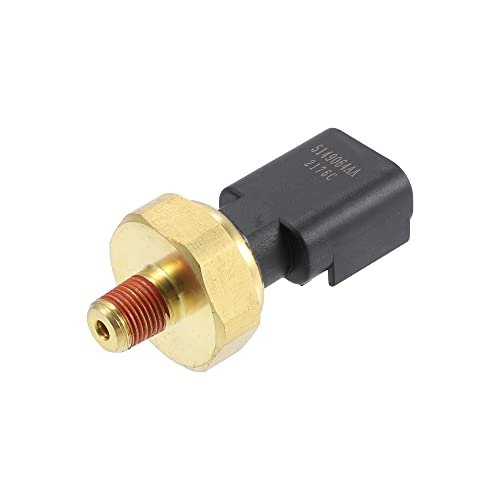
The check engine light on a Jeep Grand Cherokee often signals sensor problems. Sensors monitor engine performance and emissions. When a sensor detects an issue, it triggers the light. Understanding which sensors commonly cause this warning helps with quick diagnosis. Below are the main sensors that trigger the check engine light.
Oxygen Sensor Issues
The oxygen sensor measures exhaust gases to optimize fuel mixture. A faulty sensor can cause poor fuel economy and higher emissions.
It often triggers the check engine light. Replacing a bad oxygen sensor improves engine efficiency and reduces pollution.
Mass Airflow Sensor Problems
The mass airflow sensor tracks the amount of air entering the engine. If it fails, the engine may run rough or stall.
This sensor’s error is a common reason for the check engine light. Cleaning or replacing the sensor can restore smooth engine operation.
Throttle Position Sensor Faults
The throttle position sensor monitors the throttle’s angle for proper fuel delivery. A faulty sensor can cause hesitation or poor acceleration.
It often sets off the check engine light. Fixing this sensor improves throttle response and drivability.
Manifold Absolute Pressure Sensor Failures
The manifold absolute pressure sensor measures engine load by detecting air pressure. A bad sensor can lead to engine stalling or poor performance.
It frequently triggers the check engine light. Replacing the sensor helps maintain proper engine function.
Evaporative Emission System Sensors
These sensors detect fuel vapor leaks in the evaporative emission system. Faults can cause fuel odors or failed emissions tests.
They commonly cause the check engine light to appear. Repairing leaks or replacing sensors clears the warning and reduces pollution.
Symptoms Linked To Sensor Malfunctions
Sensors in the Jeep Grand Cherokee play a key role in monitoring engine health. When a sensor fails, the check engine light comes on.
This light warns drivers of possible issues. Sensor malfunctions affect how the engine runs.
They can cause several noticeable problems. Understanding these symptoms helps in early detection and repair.
Engine Performance Drops
A faulty sensor can reduce engine power. The Jeep may feel sluggish during acceleration.
Sudden hesitation or loss of power might occur. This happens because the engine control module gets wrong data.
The wrong data leads to poor engine timing and fuel delivery. Drivers may notice the vehicle struggles on hills or quick starts.
Increased Fuel Consumption
Malfunctioning sensors often cause the engine to burn more fuel. The engine control system may inject too much gas.
This wastes fuel and lowers miles per gallon. Drivers might see a sudden drop in fuel efficiency.
High fuel consumption is an early sign of sensor trouble. Paying attention to this can save money on gas.
Emission Test Failures
Sensor problems can increase harmful emissions. The oxygen sensor or mass airflow sensor often causes this.
When sensors fail, the engine runs rich or lean. This imbalance raises pollution levels from the exhaust.
Failed emissions tests may result from these sensor faults. Repairing sensors can help pass the emission inspection.
Rough Idling And Stalling
The Jeep may idle roughly or stall unexpectedly. Faulty sensors confuse the engine control module.
The engine may shake or cut off at stops. This makes driving unsafe and unpleasant.
Rough idling is a common sign of sensor failure. Immediate diagnosis and repair prevent further engine damage.
Diagnosing sensor-related codes in a Jeep Grand Cherokee helps pinpoint why the check engine light is on. Sensors monitor engine performance and send data to the vehicle’s computer.
When a sensor fails or sends bad data, the check engine light triggers.
Reading and understanding these codes reveals which sensor needs attention. This process saves time and money by focusing on the exact problem.
It also helps maintain your Jeep’s performance and fuel efficiency.
Using An Obd-ii Scanner
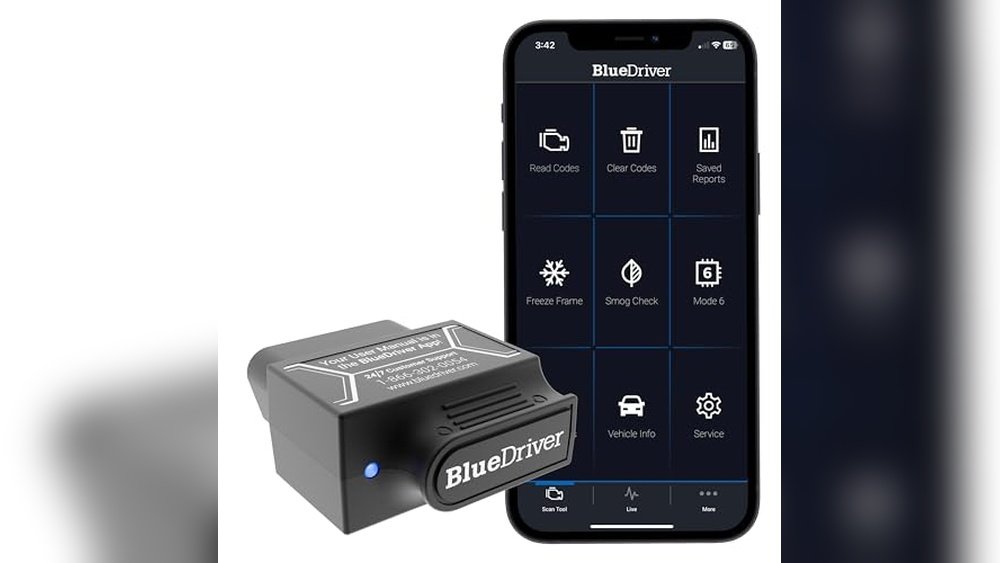
An OBD-II scanner connects to your Jeep’s diagnostic port. It reads stored trouble codes from the engine control module (ECM). These codes indicate specific sensor or system issues. Scanners vary from simple code readers to advanced tools that show live sensor data.
Most auto parts stores loan out scanners for free. Plug it in, turn the ignition on, and follow scanner instructions.
The device displays error codes linked to sensor malfunctions.
Interpreting Diagnostic Trouble Codes
Diagnostic trouble codes (DTCs) start with a letter, followed by four digits. The letter “P” means powertrain, including engine and transmission sensors.
Each code points to a specific sensor or system fault.
For example, code P0171 shows a lean fuel mixture, often caused by a faulty oxygen sensor. Understanding the code helps narrow down the sensor triggering the check engine light.
Use online databases or repair manuals to find clear explanations.
Common Sensor Codes For Jeep Grand Cherokee
Some sensors frequently cause the check engine light on Jeep Grand Cherokees. These include the oxygen sensor, mass airflow sensor, and manifold absolute pressure (MAP) sensor. Each sensor affects engine performance and emissions.
Oxygen sensor codes often start with P0130 to P0167. Mass airflow sensor issues appear as P0100 to P0104.
MAP sensor faults usually show codes like P0105 to P0110. Recognizing these common codes guides effective repairs.
Sensor Replacement And Repairs
Sensor replacement and repairs play a crucial role in maintaining your Jeep Grand Cherokee’s performance. Sensors monitor various engine functions and detect problems early.
Faulty sensors can cause the check engine light to turn on, signaling an issue. Timely replacement or repair of these sensors keeps your vehicle running smoothly and efficiently.
When To Replace Oxygen Sensors
Oxygen sensors measure the amount of oxygen in the exhaust gases. Worn sensors cause poor fuel economy and increased emissions.
Replace oxygen sensors every 60,000 to 90,000 miles or if the check engine light signals a problem. Symptoms like rough idling or engine hesitation also indicate a failing oxygen sensor.
Fixing Evap System Leaks
The EVAP system prevents fuel vapors from escaping into the air. Leaks in this system trigger the check engine light.
Common causes include cracked hoses or loose gas caps. Repairing or replacing damaged parts restores the system’s seal and stops the warning light from coming on.
Throttle Body Cleaning And Sensor Checks
The throttle body controls air entering the engine. Dirt buildup affects sensor readings and engine performance.
Cleaning the throttle body removes deposits and improves airflow. Checking sensors like the throttle position sensor ensures accurate data for smooth engine operation and prevents check engine light issues.
Resetting The Check Engine Light
Resetting the check engine light on your Jeep Grand Cherokee can clear warning signals after addressing sensor issues. It helps confirm that the problem no longer exists.
Resetting also allows the vehicle’s system to monitor performance anew.
There are different ways to reset the check engine light. Some methods require no special tools, while others need diagnostic equipment.
Knowing the right approach ensures the light resets correctly and safely.
Manual Reset Methods
One simple way to reset the check engine light is by disconnecting the battery. Remove the negative terminal for about 15 minutes.
This cuts power to the vehicle’s computer, clearing stored codes.
After reconnecting the battery, start the engine. The check engine light should turn off if the issue is resolved.
Another manual option is to use the ignition key method. Turn the key to the “on” position three times, leaving it on the last turn for a few seconds. This can reset some systems without tools.
Using Diagnostic Tools
Diagnostic tools provide a faster and more reliable reset. OBD-II scanners plug into the vehicle’s port under the dashboard.
These tools read error codes and clear them with a button press.
Scanning the codes first helps identify the exact sensor causing the issue. Clearing the codes after fixing the sensor stops the check engine light from returning.
Some scanners even offer live data to monitor sensor performance.
Precautions Before Resetting
Always check for actual problems before resetting the light. Clearing the code without fixing the sensor can hide serious issues.
The light will likely come back on soon after.
Resetting the light too often can confuse mechanics during diagnosis. Make sure the sensor fault is corrected first.
Also, avoid resetting the light while the engine is running to prevent errors.

Preventive Maintenance Tips
Preventive maintenance plays a key role in keeping your Jeep Grand Cherokee running smoothly. It helps avoid unexpected check engine light alerts caused by faulty sensors.
Taking simple steps can extend the life of your vehicle’s sensors and engine parts.
Regular care reduces the chance of sensor malfunctions. It also improves fuel efficiency and lowers repair costs.
The tips below focus on sensor health and emission systems to keep your Jeep in top shape.
Regular Sensor Inspections
Check sensors like the oxygen and MAP sensors often. Dirt or damage can cause false readings and trigger the check engine light.
Use a diagnostic tool or visit a trusted mechanic for sensor tests. Early detection helps prevent engine trouble.
Fuel Quality And Its Impact
Use high-quality fuel to protect sensors and engine parts. Poor fuel can cause deposits that harm sensors like the oxygen sensor.
Clean fuel helps maintain accurate sensor data and smooth engine performance. Avoid cheap or contaminated gas sources.
Keeping Emission Systems Healthy
Maintain parts like the catalytic converter and EGR valve. These systems work with sensors to control emissions and engine function.
Regular cleaning and checks prevent sensor errors and light alerts. A clean emission system keeps your Jeep eco-friendly and reliable.
Frequently Asked Questions
What Sensor Can Trigger A Check Engine Light?
Oxygen, mass airflow, MAP, and crankshaft sensors commonly trigger the check engine light. EVAP system leaks also cause it.
What Causes The Check Engine Light To Come On A Jeep Grand Cherokee?
The check engine light on a Jeep Grand Cherokee often triggers due to faulty oxygen sensors, EVAP leaks, or mass airflow sensor issues. Engine misfires, throttle body problems, or a failing MAP sensor can also cause the light to illuminate.
Does The Map Sensor Make The Check Engine Light Come On?
Yes, a faulty MAP sensor can trigger the check engine light. It signals engine performance issues requiring diagnosis and repair.
How To Reset Jeep Grand Cherokee Check Engine Light?
To reset the Jeep Grand Cherokee check engine light, disconnect the battery for 15 minutes or use an OBD-II scanner to clear codes.
Conclusion
The check engine light in a Jeep Grand Cherokee often signals sensor issues. Common triggers include the oxygen sensor, MAP sensor, and throttle position sensor.
These sensors monitor engine performance and emissions. Ignoring the light can cause bigger problems and higher repair costs.
Timely diagnosis helps keep your Jeep running smoothly. Regular maintenance and sensor checks improve vehicle reliability.
Understanding what triggers the light helps you act fast. Stay aware, and don’t delay fixing sensor problems.