The Jeep JKU Wrangler is a legendary off-road vehicle, known for its durability and capability. A crucial, yet often overlooked, component that keeps these beasts rolling is the wheel bearing.
These unsung heroes allow your wheels to spin freely while supporting the weight of your Jeep. When they start to fail, it’s not just an inconvenience; it can be a serious safety issue.
Understanding how Jeep JKU wheel bearings work, what signs of wear to look for, and how to maintain them is essential for any JKU owner who wants to keep their adventure going.
Understanding Jeep Jku Wheel Bearings
At its core, a wheel bearing is a set of steel balls or rollers held in a metal ring, called a race. This assembly sits inside the wheel hub, allowing the wheel to rotate with minimal friction.
For a Jeep JKU, which is built for rugged terrain, these bearings face significant stress.
They endure impacts from rocks, mud, water, and the constant forces of acceleration, braking, and turning, especially when off-roading.
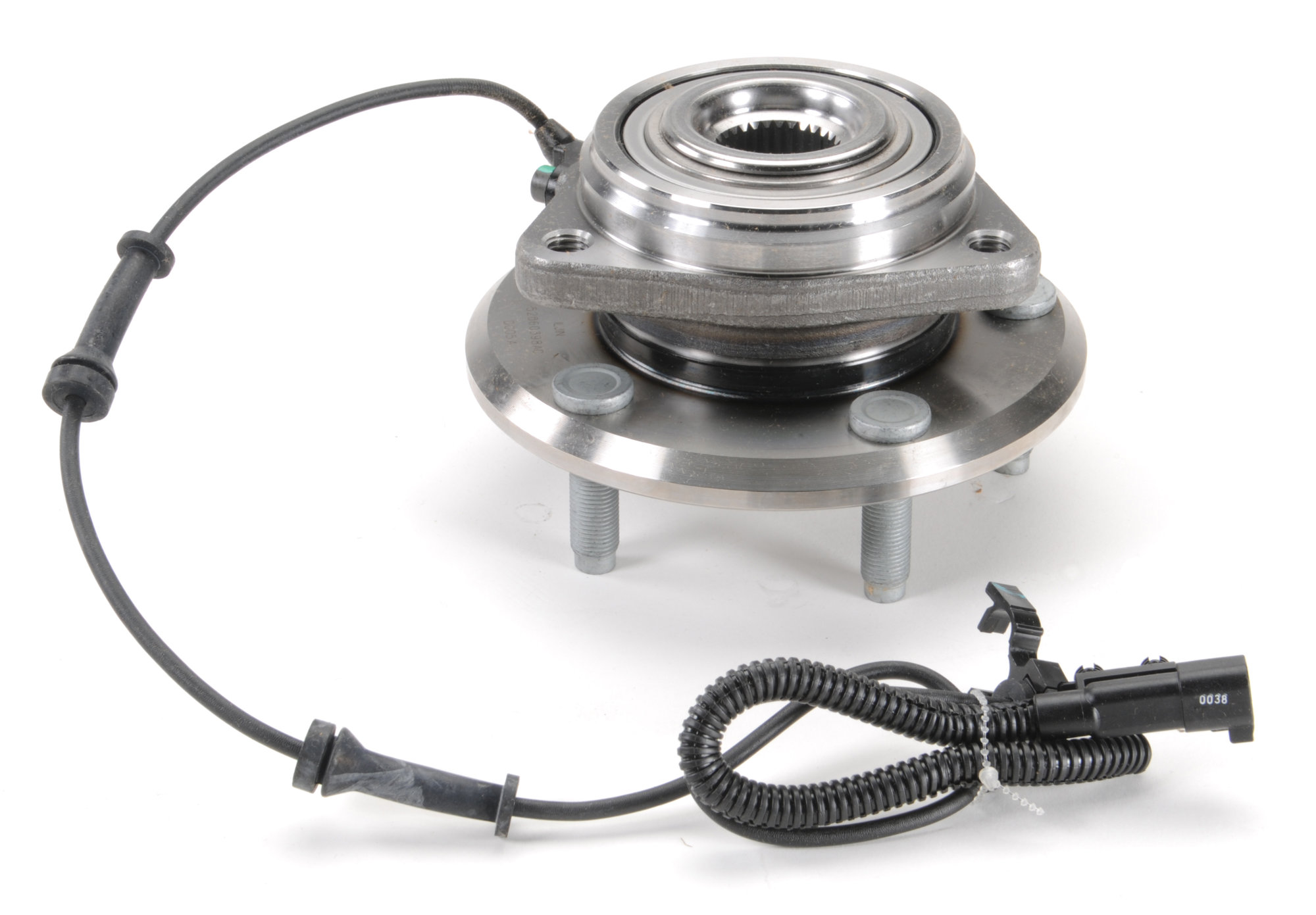
The JKU typically uses unitized wheel bearing assemblies. This means the bearing, hub, and sometimes even the ABS sensor are integrated into a single unit. This design simplifies installation compared to older, separate bearing and hub systems, but it also means that if one part of the unit fails, the entire assembly usually needs to be replaced. These units are bolted to the steering knuckle or the axle housing, depending on whether it’s a front or rear bearing.
Front Wheel Bearings Vs. Rear Wheel Bearings
While the basic function is the same, there are some differences between the front and rear wheel bearings on a JKU.
- Front Wheel Bearings: These are part of the Dana 30 solid front axle on most JKUs. They are critical for steering as well, as they are integrated into the hub assembly that attaches to the knuckle. Because the front wheels handle steering forces and are often subjected to more direct impact during off-road maneuvers, front bearings can sometimes wear out faster. They also need to accommodate the constant velocity (CV) joints of the 4WD system.
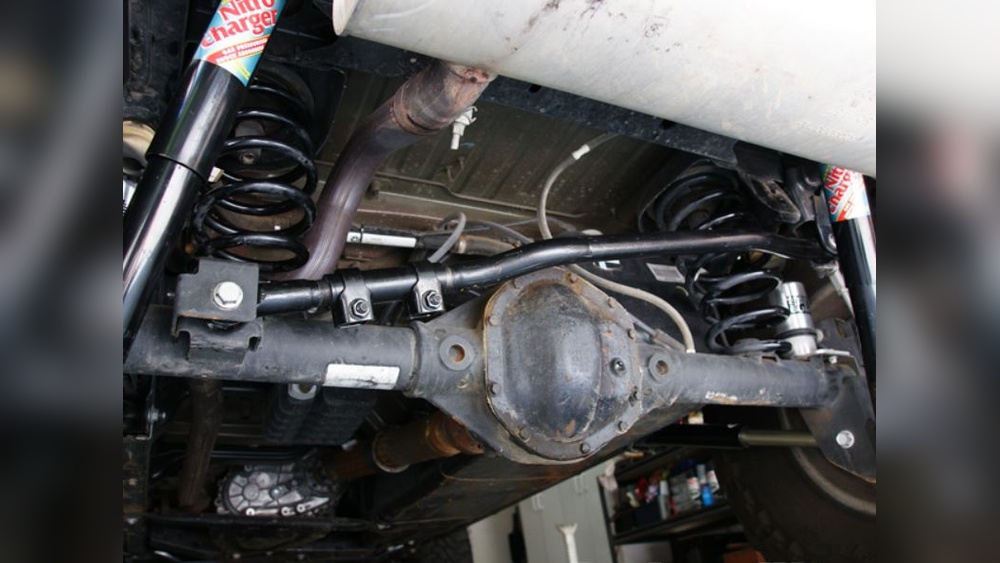
- Rear Wheel Bearings: These are typically found in the Dana 44 solid rear axle on JKUs. They primarily support the weight of the rear of the Jeep and handle the forces from acceleration and braking. While they don’t deal with steering forces, they still face immense stress from the trail.
The unitized nature of these bearings means a failure in one often requires replacing the entire hub assembly. This is a more complex repair than older, serviceable bearings, but it’s a standard design in modern vehicles, including the JKU.
Signs Of Failing Jeep Jku Wheel Bearings
Recognizing the symptoms of a failing wheel bearing is key to preventing a breakdown or a dangerous situation. The signs usually start subtly and become more pronounced as the bearing wears out.
Common Symptoms
- Humming or Grinding Noise: This is the most common indicator. As the bearing wears, the balls or rollers can become loose, creating a humming, growling, or grinding sound. This noise often changes with speed, getting louder as you accelerate. It might also change when you turn. If the noise gets louder when you turn left, the right-side bearing is likely failing, and vice versa. This is because turning shifts weight to the outside of the vehicle, putting more load on the outer bearing.
- Wobbly or Loose Steering: A severely worn bearing can cause the wheel to have excessive play. This might feel like your steering is loose or imprecise. You might notice the vehicle pulling slightly to one side, or the steering wheel might vibrate.
- Clicking or Popping Sounds: Sometimes, especially when turning, a failing bearing can make clicking or popping noises. This can sometimes be confused with CV joint issues, but if it’s more of a consistent grinding or humming that changes with speed, the bearing is a prime suspect.
- Overheating: In advanced stages, the friction from a failing bearing can cause it to overheat. You might be able to smell a burning odor or even feel excessive heat radiating from the wheel hub after driving. This is a serious sign and requires immediate attention.
- ABS or Traction Control Lights: The wheel speed sensor, which is often integrated into the wheel bearing assembly, can malfunction if the bearing is damaged or loose. This can cause your ABS or traction control warning lights to illuminate on the dashboard.
Differentiating From Other Issues
It’s important to note that some of these symptoms can overlap with other Jeep problems, such as worn ball joints, tie rod ends, or differential issues.
- Ball Joints: Worn ball joints often cause clunking noises, especially over bumps or when turning, and can lead to wandering steering. However, they typically don’t produce the consistent humming or grinding sound associated with wheel bearings.
- Tie Rod Ends: Worn tie rods can cause loose steering and uneven tire wear, but usually not the noise that points to a bearing.
- CV Joints: Front CV joints can make clicking noises, particularly during turns at speed, but this is usually a more distinct “click-click-click” than a general hum or grind.
Pro Tip: The most reliable way to diagnose a wheel bearing is to safely lift the Jeep off the ground and gently rock the wheel in and out at the 12 o’clock and 6 o’clock positions. Any noticeable play or looseness is a strong indicator of a bad bearing or worn ball joint. You can also try spinning the wheel by hand; a rough, noisy, or stiff rotation points to a bearing problem.

Causes Of Wheel Bearing Failure In Jkus
Jeep JKU wheel bearings are robust, but several factors can accelerate their wear and lead to premature failure.
Environmental Factors
- Off-Roading: This is arguably the biggest contributor for JKU owners. Driving through mud, water crossings, and over rocks puts immense stress on all drivetrain components, including wheel bearings. Water and grit can infiltrate the bearing seals, contaminating the grease and causing corrosion and wear.
- Salt and De-icing Chemicals: In regions where roads are treated with salt during winter, these chemicals can accelerate corrosion on bearing components and seals, leading to premature failure.
Mechanical Stress
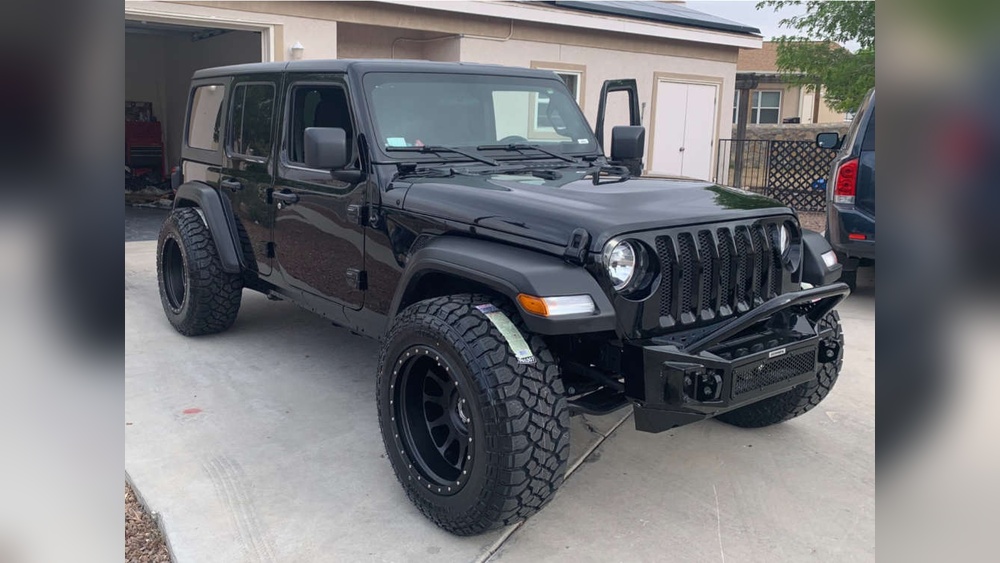
- Oversized Tires and Aggressive Driving: Larger, heavier tires increase the rotational mass and leverage acting on the wheel bearings. Combined with aggressive driving, especially during off-road events, this can put excessive strain on the bearings, leading to faster wear.
- Improper Lift Kits and Modifications: While many modifications enhance a JKU’s capability, some can negatively impact component longevity. Improperly installed lift kits or suspension components can alter suspension geometry, putting unusual stress on wheel bearings.
- Bent Axle Shafts or Knuckles: Severe impacts can bend axle shafts or steering knuckles. This misalignment can cause the wheel hub to spin unevenly, leading to rapid bearing wear.
- Accidents and Impacts: Even minor impacts with curbs or rocks can damage the bearing seals or races, initiating a failure process.
Maintenance Issues
- Lack of Lubrication (Less Common with Unitized Bearings): While unitized bearings are sealed and pre-lubricated, severe damage to the seal can allow grease to escape or contaminants to enter. If the bearing is exposed to water and dirt for extended periods without proper seal integrity, it will fail.
- Improper Installation: If a wheel bearing unit is installed incorrectly, such as being overtightened or improperly seated, it can lead to premature failure.
Replacing Jeep Jku Wheel Bearings
Replacing a JKU wheel bearing is a moderately difficult repair that often requires specialized tools. Because it’s a unitized assembly, the entire hub assembly is usually replaced.
Tools And Parts Needed
- New Wheel Bearing Hub Assembly: Ensure you get the correct part for your JKU’s year and axle (front or rear).
- Jack and Jack Stands: For safely lifting and supporting the Jeep.
- Lug Wrench or Impact Wrench: To remove lug nuts.
- Socket Set and Wrenches: Various sizes will be needed for hub bolts, brake caliper bolts, and other components. Common sizes include 13mm, 18mm, 19mm, and 21mm.
- Torque Wrench: Essential for tightening bolts to the manufacturer’s specifications.
- Breaker Bar: For stubborn bolts.
- Ball Joint Separator Tool: May be needed for front hubs.
- Hammer: For persuasion.
- Wire Brush: For cleaning mating surfaces.
- Anti-seize Compound: For reassembly.
- Brake Cleaner: For cleaning parts.
- Gloves and Safety Glasses: For protection.
Step-by-step Replacement Process (front Hub Example)
This is a general guide; always consult a service manual specific to your JKU model year for precise instructions.
- Loosen Lug Nuts: Before lifting the vehicle, slightly loosen the lug nuts on the wheel you’ll be working on.
- Jack Up the Jeep: Use a floor jack to lift the front of the Jeep and secure it with jack stands placed on the frame or axle.
- Remove Wheel: Finish removing the lug nuts and take off the wheel.
- Remove Brake Caliper and Rotor:
- Unbolt the brake caliper and hang it aside using a wire or bungee cord. Do not let it hang by the brake line.
- Remove the brake rotor. It might be held by a small screw or just be stuck on the hub due to rust. A few taps with a hammer might be needed.
- Disconnect ABS Sensor: Locate the ABS sensor wire and disconnect it from its harness. You may need to remove a small bolt holding it.
- Remove Hub Assembly Bolts: The hub assembly is held to the steering knuckle by several large bolts (often 3 or 4). These are typically on the back side of the knuckle. Use a breaker bar and the correct socket to remove them. These bolts can be very tight.
- Remove Old Hub Assembly: Once the bolts are out, the hub assembly should be free. It might require some prying or tapping with a hammer to release it from the knuckle. Be careful not to damage the knuckle.
- Clean Mating Surfaces: Thoroughly clean the mounting surface on the steering knuckle where the new hub will attach. Use a wire brush and brake cleaner to remove any rust or debris. This ensures a good seal and proper alignment.
- Install New Hub Assembly:
- Position the new hub assembly onto the knuckle.
- Start the hub assembly bolts by hand to avoid cross-threading.
- Tighten the bolts gradually and evenly. Crucially, these bolts must be torqued to the manufacturer’s specifications. Overtightening or undertightening can lead to premature failure. For JKU front hubs, this is typically around 150-180 lb-ft.
- Reconnect ABS Sensor: Reconnect the ABS sensor wire.
- Reinstall Brake Components:
- Place the brake rotor back onto the hub.
- Reinstall the brake caliper, torquing its mounting bolts to spec.
- Reinstall Wheel: Put the wheel back on and hand-tighten the lug nuts.
- Lower the Jeep: Lower the vehicle until the tire touches the ground, then torque the lug nuts to the manufacturer’s specification (typically around 100-120 lb-ft for a JKU) in a star pattern.
- Repeat for Other Side: Follow the same procedure for the other side if necessary.
Rear Wheel Bearing Replacement
The process for rear wheel bearings is similar but typically simpler as they are bolted directly to the axle housing, not a steering knuckle. The main difference is that you'll be working with the rear axle.
You’ll need to remove the differential cover and potentially the axle shaft to access the bearing retainer bolts in some designs, though many JKUs have a unit bearing that bolts directly to the axle housing flange.
Always verify the specific design for your JKU.
Pro Tip: When removing the old hub, inspect the knuckle or axle housing for any signs of damage or wear. If the mating surface is corroded or gouged, it can affect the seal of the new bearing. A wire brush and some patience can save you headaches later.
Maintenance And Longevity Tips
While unitized wheel bearings are sealed, there are still steps you can take to maximize their lifespan, especially for a vehicle like the JKU that’s often pushed to its limits.
Regular Inspections
- Listen for Noises: Make it a habit to listen for any unusual sounds, especially humming or grinding, during your drives. Pay attention to how the sound changes with speed and turning.
- Check for Play: Periodically, when you’re doing other maintenance like tire rotations, safely lift the Jeep and check for any looseness in the wheels by rocking them.
- Inspect Seals: If you’re doing any work near the wheel hubs, visually inspect the seals for any signs of damage or grease leakage.
Driving Habits
- Be Mindful Off-Road: While off-roading is the JKU’s forte, be aware of the impact of aggressive driving. Avoid hitting obstacles directly with the wheels if possible. Slow down for rough terrain.
- Thorough Washing After Off-Roading: After driving through mud or water, a thorough wash can help remove abrasive materials from around the wheel hubs and seals. Rinse them well, but avoid high-pressure washing directly at the seals, as this can force water past them.
Tire And Suspension Considerations
- Proper Tire Inflation: Ensure your tires are inflated to the correct pressure. Incorrect pressure can lead to uneven tire wear and put extra stress on suspension components.
- Balanced Tires: Properly balanced tires reduce vibrations that can be transmitted to the wheel bearings.
- Inspect Suspension: Regularly check your ball joints, tie rods, and other suspension components. If these are worn, they can cause misalignment and put added stress on the wheel bearings.
When To Replace
Don't wait for a bearing to fail completely. If you suspect a problem, it's best to replace it sooner rather than later.
A failing bearing can potentially seize up, causing damage to the steering knuckle or axle housing, which is a much more expensive repair.
Cost Of Replacement
The cost of replacing Jeep JKU wheel bearings can vary significantly based on whether you do it yourself or take it to a professional, and the quality of the parts used.
Parts Cost
- Aftermarket Hub Assemblies: You can find aftermarket Jeep JKU wheel bearing hub assemblies for anywhere from $80 to $200 per side. Brands like Timken, SKF, and Moog are generally considered reliable