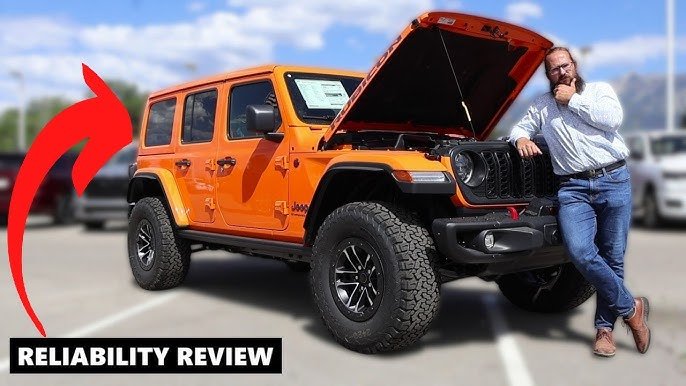
The Jeep Wrangler Unlimited Rubicon is already a legend in the off-road world. It’s built for adventure, ready to tackle tough trails and conquer obstacles.
But for some enthusiasts, factory specs just aren't enough. They want more capability, a more aggressive stance, and a look that screams “ready for anything.”
This is where huge wheels come into play, transforming an already formidable vehicle into an even more extreme off-road machine.
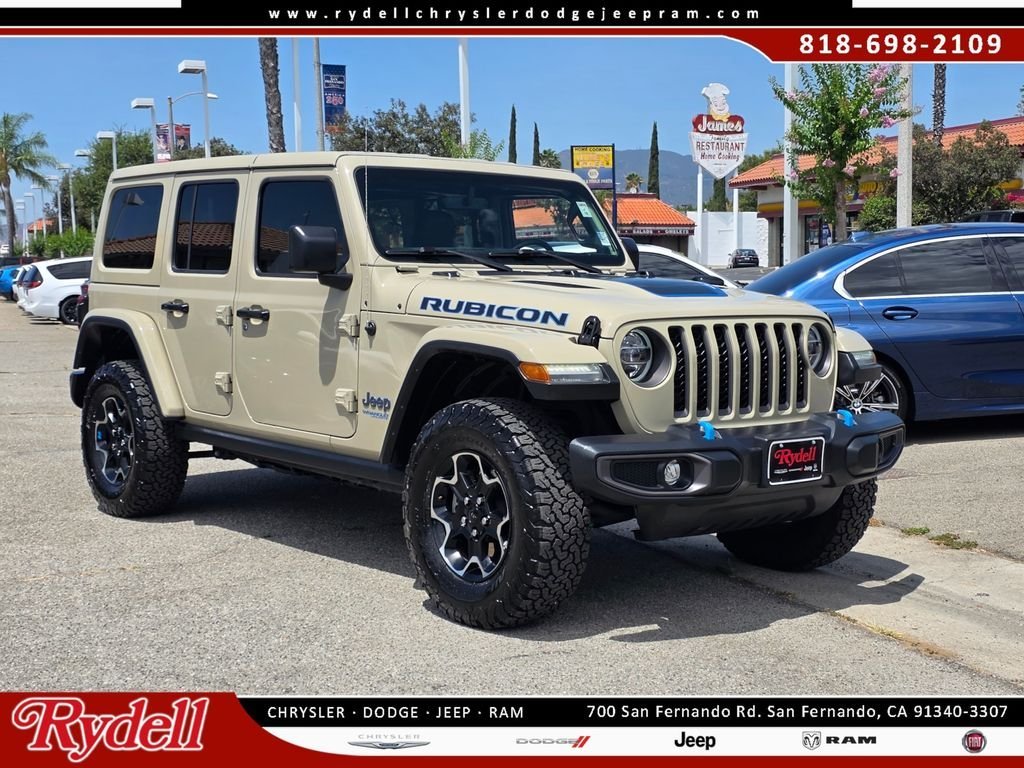
Fitting massive wheels and tires onto a Wrangler Rubicon Unlimited isn’t just about aesthetics; it’s a carefully considered modification that can significantly impact performance, handling, and the overall off-road experience. It involves understanding the vehicle’s limitations, the physics of larger tires, and the necessary supporting modifications.
This article will explore what makes a Jeep Wrangler Unlimited Rubicon with huge wheels such a sought-after build, covering the benefits, the challenges, the essential components, and what to consider if you’re thinking about going big.
The Allure Of Going Big: Why Huge Wheels On A Wrangler Rubicon?
The desire for larger wheels and tires on a Jeep Wrangler Rubicon Unlimited stems from a few key areas: enhanced off-road capability, improved aesthetics, and a sense of personalization.
Conquering Terrain With Bigger Tires
The most significant advantage of fitting huge wheels and tires to a Wrangler Rubicon is the improved off-road performance. Larger diameter tires offer several benefits:
- Increased Ground Clearance: The most obvious benefit is that a larger tire raises the entire vehicle. This means the differentials, transfer case, and underbody are further away from rocks, logs, and other trail hazards, reducing the risk of damage. Every inch gained in ground clearance is an inch less worry on the trail.
- Better Obstacle Negotiation: The increased diameter allows the tires to roll over obstacles more easily. Think of a large rock: a smaller tire might get hung up on it, while a larger tire can simply climb over it with less effort. This is due to a better approach and departure angle and the ability of the tire to conform to the terrain.
- Enhanced Traction: Larger tires, especially when paired with aggressive tread patterns, can provide a greater contact patch with the ground. This translates to better grip on various surfaces, whether it’s mud, rocks, or sand. The ability to air down larger tires further increases the contact patch, offering even more traction in challenging conditions.
- Smoother Ride on Rough Surfaces: While it might seem counterintuitive, larger tires can sometimes provide a smoother ride over rough terrain. Their larger volume of air and greater ability to absorb impacts can help smooth out the bumps and jolts that would be more pronounced with smaller tires.
The Visual Statement
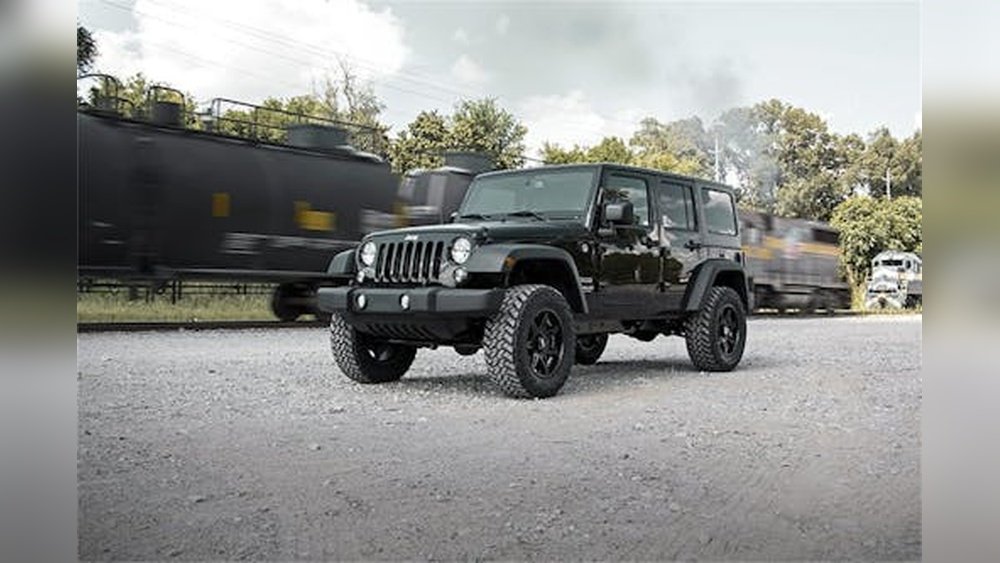
Beyond performance, there’s no denying the bold aesthetic that huge wheels and tires bring to a Jeep Wrangler Unlimited Rubicon. They give the vehicle an imposing, aggressive stance that signals its off-road prowess. This visual transformation is a significant part of the appeal for many owners. The sheer size of the tires fills the wheel wells, creating a look that is both functional and intimidating. It’s a statement that the vehicle is not just for show, but for serious adventure.
Personalization And Uniqueness
The Jeep community thrives on customization. Fitting huge wheels and tires is a popular way for owners to personalize their Wranglers and stand out from the crowd. It’s a modification that clearly communicates the owner’s passion for off-roading and their commitment to building a vehicle that meets their specific needs and desires.
The Practicalities: What You Need To Know Before Going Big
While the benefits are clear, fitting large wheels and tires to a Jeep Wrangler Unlimited Rubicon is not a simple bolt-on affair. It requires careful planning, investment, and understanding of the compromises involved.
Tire Size Considerations: The Numbers Game
When people talk about “huge wheels,” they usually refer to the overall tire diameter. Common sizes for heavily modified Wranglers can range from 35 inches up to 40 inches or even larger. The wheel size (the rim itself) is often 17 inches or 20 inches, but it’s the tire’s overall diameter that dictates most of the performance and clearance benefits.
- 35-inch tires: Often considered the entry point for significant off-road upgrades. They can sometimes fit with minimal modifications, but often benefit from a suspension lift.
- 37-inch tires: A popular choice for serious off-roaders. They require a suspension lift and often necessitate other upgrades like re-gearing and stronger axle components.
- 40-inch tires and above: This is where things get serious. These setups demand substantial modifications, including significant suspension lifts, fender modifications, stronger axles, and potentially drivetrain upgrades.
Wheel Size And Backspacing
The wheel diameter (rim size) is also important. While larger tires are the main focus, the wheel itself plays a role. Many Rubicon owners opt for 17-inch wheels. This size is popular because:
- Tire Availability: A wider range of aggressive off-road tires is available in 17-inch sizes.
- Sidewall Height: 17-inch wheels allow for a taller tire sidewall. A taller sidewall is crucial for off-roading as it allows the tire to flex and conform to the terrain, providing better traction and a more comfortable ride when aired down.
- Durability: 17-inch wheels are generally considered more robust for off-road use than larger diameter wheels.
Backspacing is another critical factor. It refers to the distance from the back of the wheel mounting surface to the outside edge of the wheel. For larger tires, you generally want less backspacing (or more offset) to help clear suspension components and allow the tires to turn without rubbing excessively.
The Necessity Of A Lift Kit
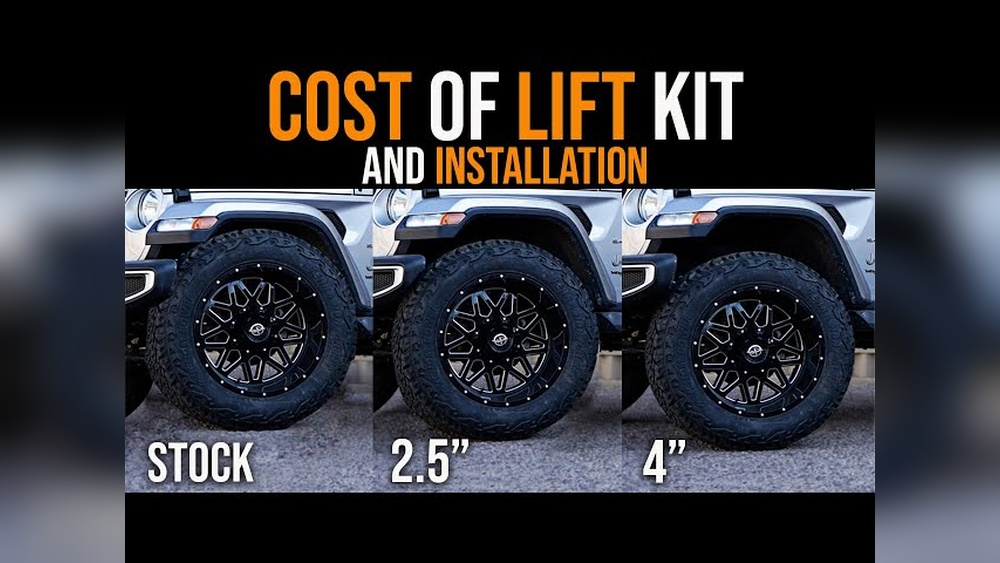
To accommodate larger tires and prevent them from rubbing on the fenders, body, and suspension components, a suspension lift kit is almost always required. The amount of lift needed depends directly on the tire size:
- 35-inch tires: Might require a 2-3 inch lift.
- 37-inch tires: Typically need a 3-4 inch lift.
- 40-inch tires and larger: Often require 4-6 inches of lift, or even more specialized suspension setups.
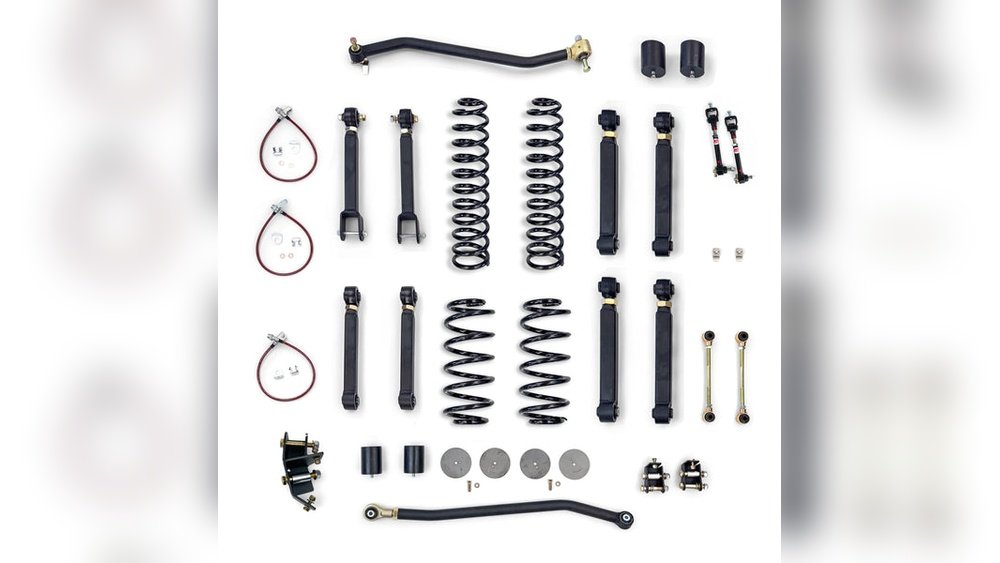
Lift kits come in various forms, including spacer lifts, budget boosts, and full long-arm suspension systems. For serious off-roading, a quality suspension system that replaces stock components offers better articulation, control, and durability than simple spacers.
Fender Modifications: Making Room
Even with a lift, larger tires can still rub on the fenders, especially during articulation (when the suspension is working over uneven terrain) or when turning. Many owners opt for aftermarket fenders (like flat-top fenders or high-clearance fenders) that provide more clearance. Some may even choose to cut and trim the stock fenders for a bit of extra room, though this is a less common approach for a clean build.
Essential Supporting Modifications For Huge Wheels
Simply putting big tires on a lifted Jeep isn’t enough. To maintain drivability, reliability, and safety, several supporting modifications are crucial.
Re-gearing The Axles: Restoring Drivability
One of the most significant impacts of larger tires is on the Jeep’s gearing. The Rubicon comes with a favorable gear ratio from the factory, designed to work with stock tire sizes. When you increase the tire diameter, the effective gear ratio becomes numerically lower, meaning the engine has to work harder to turn the larger tires. This results in:
- Loss of Power: The Jeep will feel sluggish, especially when accelerating from a stop or climbing hills.
- Increased Fuel Consumption: The engine will rev higher at cruising speeds, leading to worse mileage.
- Increased Drivetrain Strain: The engine and transmission will be under more stress.
To counteract this, re-gearing the axles is highly recommended, often essential, when moving up to 35-inch tires and mandatory for 37-inch and larger tires. Common gear ratios for larger tires include:
- 35-inch tires: 4.56 or 4.88
- 37-inch tires: 4.88 or 5.13
- 40-inch tires: 5.13 or even numerically higher ratios.
The specific ratio depends on the transmission (manual or automatic) and driving style. A qualified mechanic can help determine the best gear ratio for your setup.
This modification is critical for restoring proper drivability and reducing strain on the drivetrain.
Upgraded Steering Components: Handling The Load
Larger, heavier tires put significantly more stress on the steering system. The stock steering components, while robust for a stock Jeep, can become a weak point. Upgrading to heavy-duty steering components, such as tie rods, drag links, and steering stabilizers, is crucial for reliability and safety. These components are typically made from thicker steel and feature beefier joints to withstand the forces exerted by larger tires, especially on rough trails. A steering stabilizer helps dampen road shock and reduce steering wheel wobble, which can be more pronounced with larger tires.
Braking System Upgrades: Stopping Power
More mass and larger rolling diameters mean the Jeep will require more stopping power. While the Rubicon’s brakes are generally capable, fitting significantly larger tires can push them to their limits. Brake upgrades, such as performance brake pads, rotors, or even larger brake kits, can provide improved stopping performance and reduce brake fade, especially in demanding situations like descending steep grades. This is a safety feature that should not be overlooked.
Stronger Axles And Drivetrain Components
The Dana 44 axles found on the Rubicon are already considered strong for their class, but extremely large tires (40 inches and up) can put them under immense stress. For serious off-road use with very large tires, owners might consider upgrading axle shafts, C-ghousings, or even entire aftermarket axle assemblies. These upgrades provide increased strength and durability to handle the torque and forces associated with aggressive off-roading and larger tires. The transfer case and driveshafts can also be points of failure under extreme conditions and may require reinforcement or replacement.
The Importance Of The Right Wheel
When choosing wheels for a huge wheel setup, consider not just the size but also the material and construction. Strong, durable wheels are essential for off-road abuse. Many enthusiasts opt for forged aluminum or steel wheels designed for extreme conditions. The offset and backspacing are also critical for tire clearance and proper steering geometry.
Common Challenges And Compromises
While the benefits of huge wheels are compelling, there are undeniable challenges and compromises that come with such a significant modification.
On-road Driving Experience
- Handling: Larger tires, especially aggressive all-terrain or mud-terrain tires, can make the Jeep feel less precise on the road. They can contribute to a vaguer steering feel, increased road noise, and a tendency to follow road imperfections.
- Braking Performance: As mentioned, stopping distances can increase if the brakes aren’t upgraded.
- Fuel Economy: Expect a noticeable decrease in fuel efficiency. The larger, heavier tires require more energy to turn and often have more aggressive tread patterns that increase rolling resistance.
- Ride Comfort: While larger tires can smooth out very rough off-road terrain, they can sometimes make the on-road ride harsher, especially if the suspension is also stiffened to accommodate the tire size. Tire pressure also plays a significant role here.
Drivetrain Strain And Wear
Even with re-gearing, larger tires place additional stress on the entire drivetrain, transmission, transfer case, driveshafts, and axles. This can lead to accelerated wear and tear on components and a higher risk of breakage if the vehicle is subjected to extreme off-road abuse or if the modifications are not properly implemented.
Cost Of Modifications
Equipping a Jeep Wrangler Unlimited Rubicon with huge wheels and all the necessary supporting modifications is a significant financial investment. The cost can easily run into many thousands of dollars, encompassing:
- Tires: Large off-road tires are expensive.
- Wheels: Quality aftermarket wheels add to the cost.
- Lift Kit: A quality suspension lift can be several thousand dollars.
- Re-Gearing: This labor-intensive process is costly.
- Steering and Braking Upgrades: These add further expense.
- Fender Modifications: Aftermarket fenders or custom work.
- Installation Labor: If you’re not doing the work yourself, professional installation adds considerably to the total cost.
A complete build for 37-inch or 40-inch tires can easily cost $10,000 to $20,000 or more on top of the vehicle’s purchase price.
Potential For Rubbing And Clearance Issues
Despite lifts and fender modifications, tire rub can still be an issue, especially at full suspension compression or full steering lock. Fine-tuning adjustments, such as limiting steering travel or further fender trimming, might be necessary.
Legal And Regulatory Considerations
In some regions, there are legal limits on tire size and vehicle modifications. It’s essential to research local regulations regarding tire diameter, fender coverage, and suspension height to ensure your build is street-legal.
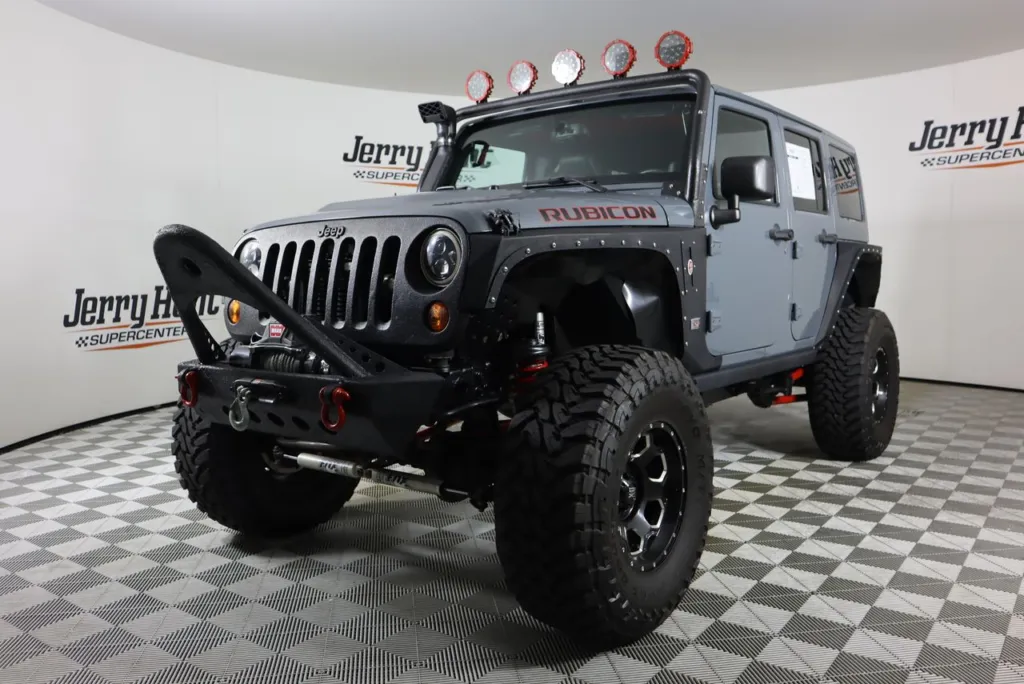
Real-world Examples And Popular Setups
The Jeep community is rich with examples of Wrangler Unlimited Rubicons sporting massive tires. Here are a couple of common, well-executed setups:
The 37-inch Tire Build
This is a very popular setup for those who want significant off-road capability without going to the extreme of 40-inch tires.
- Tires: 37×12.50R17 or similar. Brands like BFGoodrich KM3, Goodyear Wrangler MT/R, or Toyo Open Country R/T are common choices.
- Wheels: 17-inch wheels with 4.5-inch to 5-inch backspacing.
- Lift: A 3.5-inch to 4.5-inch suspension lift is typically required. This might include new springs, shocks, control arms, and track bars.
- Fenders: High-clearance fenders or aftermarket flat fenders are often used.
- Gearing: 4.88 or 5.13 gear ratios are highly recommended.
- Supporting Mods: Upgraded steering components, potentially stronger driveshafts.
This setup offers excellent off-road performance while maintaining reasonable on-road manners and drivability.
The 40-inch Tire Build
This is for the serious off-roader who demands maximum capability and isn’t afraid of the associated compromises and costs.
- Tires: 40×13.50R17 or similar. These are significantly larger and heavier.
- Wheels: 17-inch wheels, often with very low backspacing or negative