Transforming Your Jeep Wrangler With 20×12 Wheels: A Comprehensive Guide
The Jeep Wrangler is more than just a vehicle; it's a symbol of freedom, adventure, and rugged capability. For many owners, the desire to customize their Wrangler goes beyond stock options, with wheel and tire upgrades being one of the most popular modifications.
Among these, 20×12 wheels have emerged as a bold choice, offering a dramatic visual statement and potential performance benefits. However, fitting such large wheels onto a Wrangler isn't as simple as a direct swap.
It involves careful consideration of fitment, suspension, gearing, and more. This guide will explore everything you need to know about equipping your Jeep Wrangler with 20×12 wheels, from the aesthetic appeal to the practical implications.
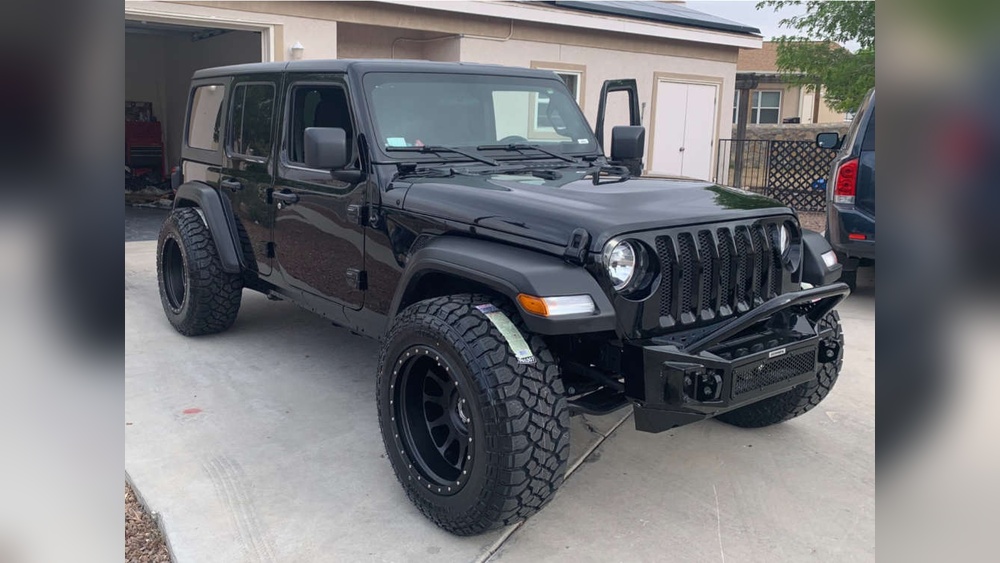
When you think about customizing a Jeep Wrangler, the first things that often come to mind are lifted suspensions and oversized tires. The goal is usually to achieve a more aggressive stance and enhance off-road performance. The choice of wheels plays a pivotal role in this transformation. While many opt for more modest wheel sizes like 17 or 18 inches, the allure of 20×12 wheels lies in their sheer presence. These wheels, with their wider stance and larger diameter, can fundamentally change the look and feel of your Wrangler. They offer a canvas for aggressive tire treads and can make your Jeep stand out in any crowd, whether you’re navigating city streets or tackling challenging trails.
However, the journey to fitting 20×12 wheels on a Jeep Wrangler is not without its challenges. It requires a deep dive into the technical aspects of vehicle modification.
Understanding offset, backspacing, tire size, suspension lift, fender clearance, and potential impacts on drivability are crucial.
This isn't a modification for the faint of heart or for those seeking a simple bolt-on upgrade. It demands research, planning, and often, significant investment in supporting modifications.
This article aims to provide a thorough understanding of what's involved, helping you make informed decisions for your Wrangler build.
Understanding Wheel Specifications: 20×12 Explained
Before diving into the specifics of fitting 20×12 wheels on a Wrangler, it’s important to understand what those numbers mean. The “20” refers to the wheel diameter in inches, and the “12” refers to the wheel width in inches. A 20-inch diameter means the wheel itself measures 20 inches from one outer edge to the other. The 12-inch width indicates the distance between the inner mounting surfaces where the tire bead seats.
This combination of a large diameter and significant width creates a wheel that is substantially larger and wider than the stock wheels on most Jeep Wranglers. Stock Wranglers typically come with wheels in the 17 or 18-inch diameter range and widths of around 7.
5 to 9 inches. The 20×12 setup, therefore, represents a considerable jump in both size and footprint.
This wider stance can offer benefits like improved stability and a more aggressive look, but it also introduces complexities related to fitment and suspension geometry.
Why Choose 20×12 Wheels For Your Jeep Wrangler?
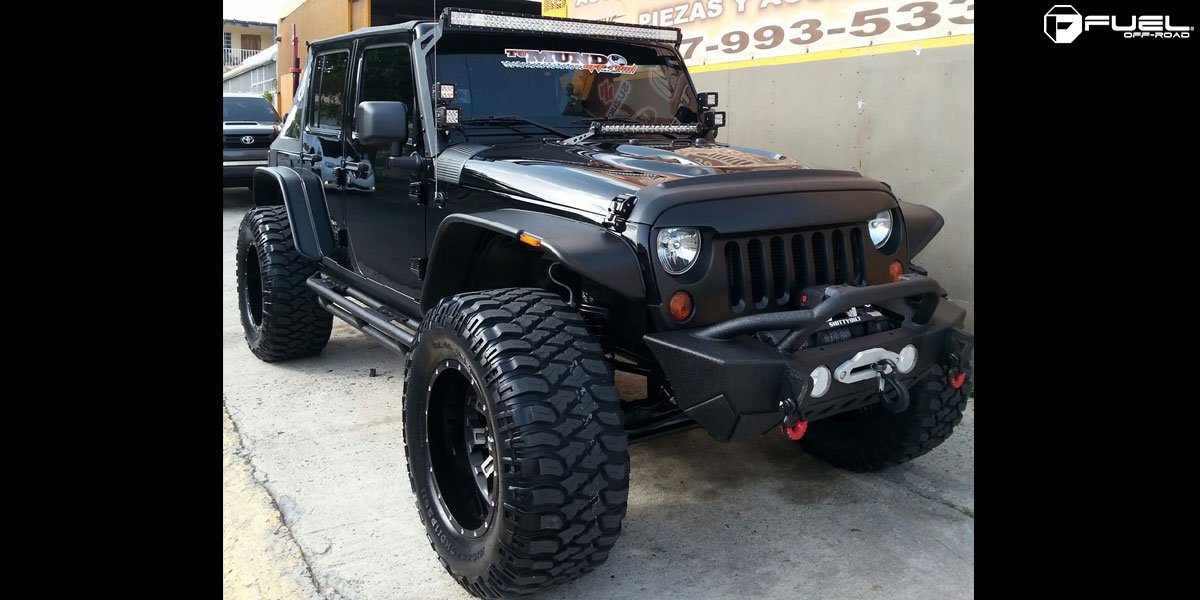
The primary motivation for many Wrangler owners to choose 20×12 wheels is undeniably aesthetics. These wheels provide a dramatic visual upgrade, giving the Jeep a powerful, commanding presence. The sheer size and width fill out the wheel wells, creating a more aggressive and imposing stance that many enthusiasts crave. They are often paired with wide, aggressive tires, further enhancing the rugged look.
Beyond looks, there are potential functional advantages, particularly for off-roading. A wider wheel, when paired with a suitable tire, can offer a larger contact patch with the ground. This can translate to improved traction on certain terrains, especially when aired down for off-road use. The wider stance can also contribute to increased stability, particularly when cornering or traversing uneven landscapes. However, it’s crucial to note that these benefits are highly dependent on the tire choice and the overall suspension setup.
For some, the choice of 20×12 wheels is also about personalization and making a unique statement. It's a way to stand out from the crowd and build a Wrangler that truly reflects the owner's style and vision.
While the practicalities are significant, the desire to create a one-of-a-kind vehicle is a powerful driver for many modifications.
Key Considerations Before Installation
Fitting 20×12 wheels onto a Jeep Wrangler is a significant undertaking that requires careful planning. Simply bolting them on is rarely an option without addressing several critical factors.
Tire Size And Type
The tire that goes on a 20×12 wheel is just as important, if not more so, than the wheel itself. For a 20×12 wheel, you'll typically be looking at tire sizes like 33×12.
50R20, 35×12. 50R20, or even larger. The "12.
50″ indicates the tire’s width in inches, which perfectly matches the wheel width.
- Tread Pattern: Consider your primary use. All-terrain (AT) tires offer a balance for daily driving and light off-roading, while mud-terrain (MT) tires excel in extreme conditions but can be noisy and less comfortable on pavement. Hybrid tires offer a compromise.
- Load Rating: Ensure the tires have an appropriate load rating for the weight of your Wrangler, especially if you’ve added aftermarket bumpers, winches, or other heavy accessories.
- Tire Diameter: The overall diameter of the tire is critical for clearance and gearing. Larger tires (e.g., 35 inches or more) will significantly impact your speedometer, odometer, and engine performance.
Suspension Lift Requirements
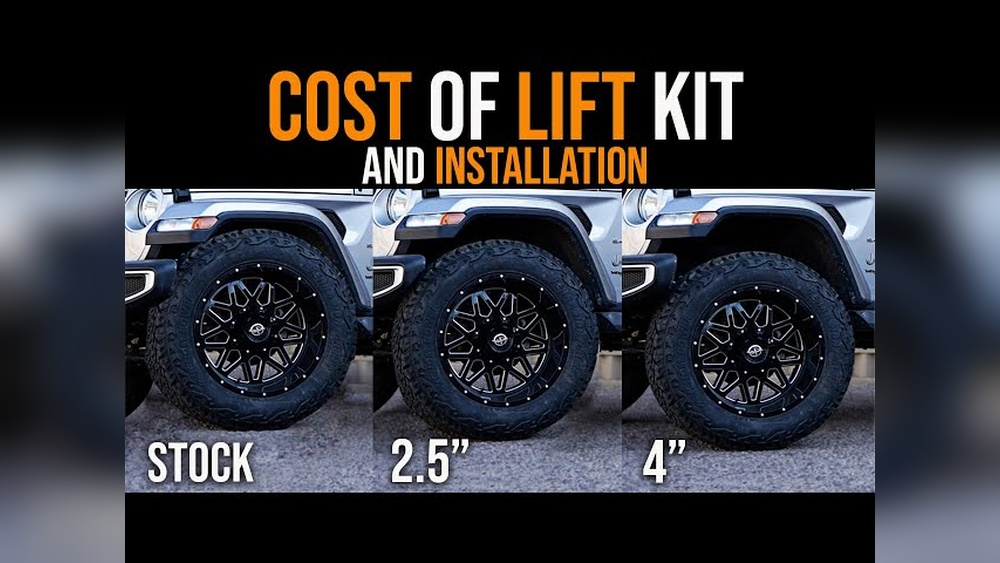
To accommodate the larger diameter and wider stance of 20×12 wheels and associated tires, a suspension lift is almost always necessary. The amount of lift required depends on the tire size you choose.
- 3-4 Inch Lift: Often sufficient for 33-inch tires, providing adequate clearance for moderate off-roading.
- 4.5-6 Inch Lift: Generally needed for 35-inch tires and larger, offering more aggressive articulation and clearance for extreme terrain.
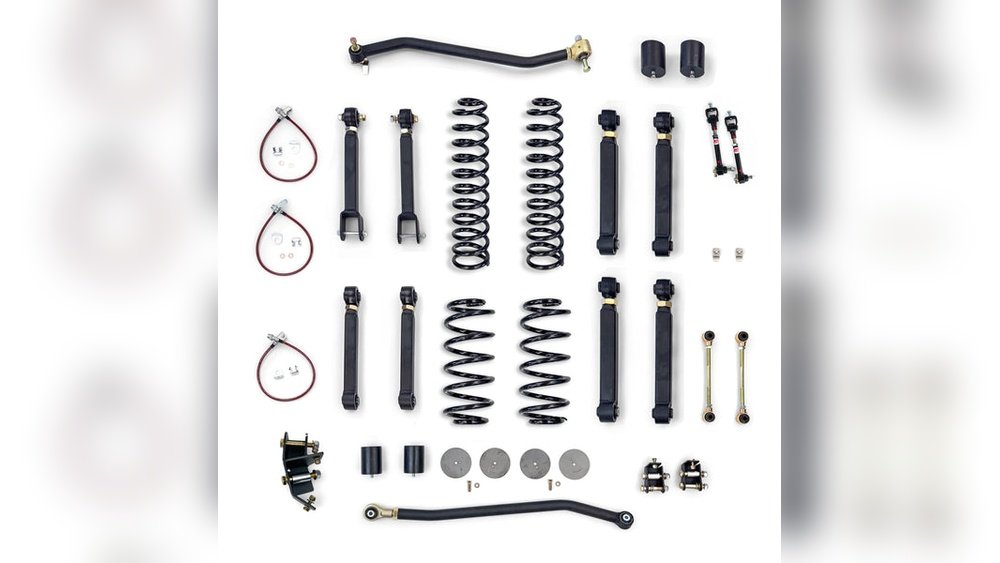
A lift kit doesn’t just raise the body; it also involves components like lifted springs, shocks, control arms, and sometimes, track bars and sway bar links, to maintain proper suspension geometry and drivability.
Fender Flares And Body Modifications
Even with a lift, the wider tires on 20×12 wheels can extend beyond the factory fender flares. This can lead to tire rub against the fenders, especially during suspension articulation.
- Aftermarket Fender Flares: Wider aftermarket fender flares are often installed to cover the extended tire width and comply with local regulations regarding tire coverage. Options range from bolt-on styles to more integrated designs.
- Rubbing Issues: Without proper clearance, you’ll experience rubbing, particularly when turning the steering wheel or when the suspension compresses. This can damage the tires, fenders, and even the suspension components. In some cases, cutting or trimming of the fenders might be necessary for maximum clearance.
Offset And Backspacing
These two terms are crucial for wheel fitment and describe how the wheel mounts to the hub.
- Offset: Measures the distance from the wheel’s mounting surface to the centerline of the wheel.
- Positive Offset: Mounting surface is closer to the outside of the wheel.
- Negative Offset: Mounting surface is closer to the inside of the wheel.
- For 20×12 wheels, a significant negative offset (e.g., -44mm, -51mm) is common. This pushes the wheel and tire further out from the suspension components, contributing to the aggressive stance but also increasing the risk of rubbing on fenders and body panels.
- Backspacing: Measures the distance from the rear of the wheel mounting surface to the outer lip of the wheel.
- A lower backspacing (e.g., 4.5 inches for a 12-inch wide wheel) means the wheel sits further out.
Understanding these specifications is vital to avoid clearance issues with brake calipers, suspension arms, and the vehicle’s body. A wheel with too little backspacing or too much negative offset can cause interference.
Gearing And Drivetrain
Larger, heavier tires like those typically mounted on 20×12 wheels significantly increase the rotational mass and overall diameter. This puts a much greater strain on your Jeep’s drivetrain, especially the axles and differential gears.
- Loss of Power: You’ll likely experience a noticeable loss of acceleration and power. The engine will have to work harder to turn the larger tires.
- Increased Fuel Consumption: Expect a significant drop in your MPG.
- Re-gearing: To compensate for larger tires and restore lost performance, re-gearing your differentials is often recommended or even necessary. For 35-inch tires, switching from stock 3.73 gears to 4.56 or 4.88 gears is common. For 37-inch tires or larger, even lower ratios might be considered. This is a costly but often essential modification for drivability.
Steering Components
The increased leverage and stress placed on the steering system by wider tires, especially during off-road maneuvers, can accelerate wear on steering components.
- Tie Rods and Drag Links: These parts are subjected to greater forces, potentially leading to premature wear or failure if not upgraded.
- Steering Box: The steering box can also experience increased strain.
- Steering Stabilizer: While not always strictly necessary, an upgraded steering stabilizer can help dampen steering wheel shimmy and improve steering feel, especially with larger tires.
Braking System
Larger tires increase the overall weight of the vehicle and require more force to stop. While the stock brakes on many Wranglers are robust, the added mass and leverage from significantly larger tires can reduce braking efficiency.
- Brake Fade: Under heavy use, especially downhill, you might experience brake fade more readily.
- Upgraded Brakes: For extreme off-roading or if you frequently carry heavy loads, consider upgrading to a big brake kit for improved stopping power and heat dissipation.
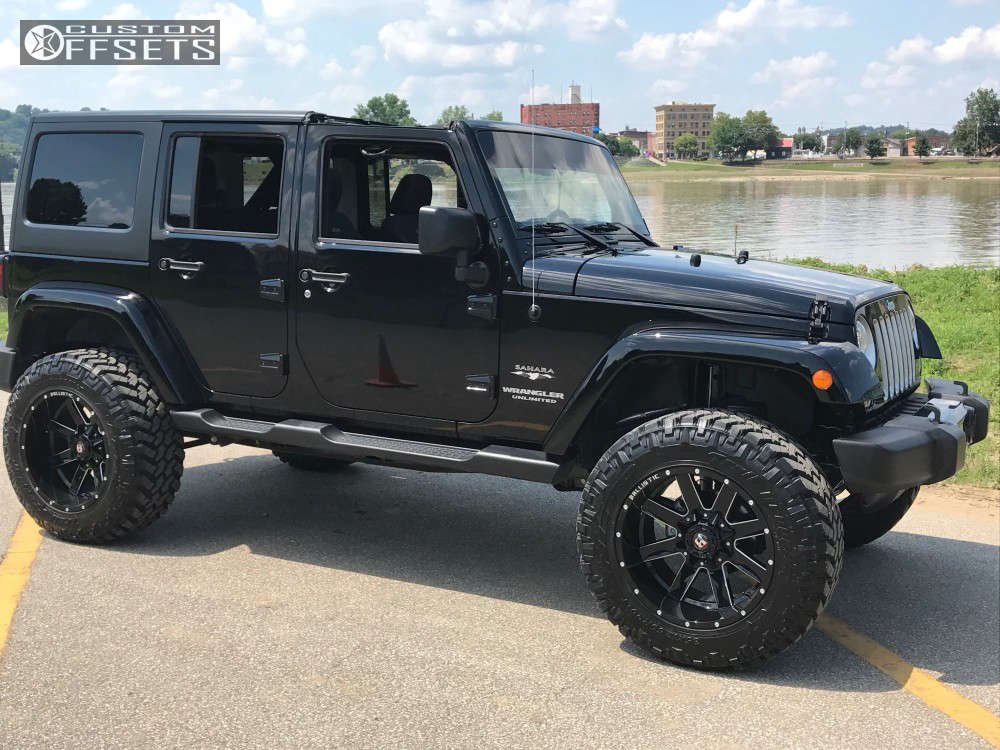
Popular 20×12 Wheel Options For Jeep Wranglers
The aftermarket offers a vast array of 20×12 wheels designed to fit Jeep Wranglers. These wheels come in various styles, materials, and finishes to suit different tastes and performance needs. Here are some popular categories and considerations:
1. Beadlock Vs. Beadlock-capable Wheels
- True Beadlock Wheels: These wheels physically clamp the tire bead to the rim, allowing for extremely low tire pressures off-road without the tire coming off the wheel. They offer maximum traction and protection for the wheel itself. However, they are often heavier, more expensive, and may not be street legal in all areas.
- Beadlock-Capable Wheels: These wheels have the appearance of beadlocks but use a simulated ring. They offer a similar aesthetic but without the functional clamping mechanism of true beadlocks. They are generally lighter and more affordable.
2. Material And Construction
- Cast Aluminum: The most common type. They are relatively affordable, come in many designs, and are suitable for most applications. However, they can be more susceptible to damage from severe impacts compared to forged wheels.
- Forged Aluminum: Lighter and stronger than cast aluminum. Forged wheels are made by heating and compressing aluminum, resulting in a denser, more durable structure. They are ideal for extreme off-roading where durability is paramount, but they come with a significantly higher price tag.
3. Finishes And Styles
- Satin Black: A timeless and popular choice, offering a rugged, stealthy look that complements any Wrangler color.
- Gloss Black: Provides a more polished, premium appearance.
- Machined Face with Black Accents: Combines a machined metal look on the face with black pockets, offering a multi-dimensional aesthetic.
- Chrome: A classic, flashy option, though less common on modern off-road builds due to its susceptibility to scratching and corrosion.
- Two-Tone Finishes: Combinations of different colors and textures to create a unique visual impact.
4. Reputable Brands
Several manufacturers specialize in high-quality wheels for Jeeps. Some well-regarded brands include:
- Fuel Off-Road: Known for aggressive designs and a wide range of options.
- இனது ( இனது ) : Offers durable wheels with a focus on off-road performance.
- Method Race Wheels: Popular for their robust construction and motorsport-inspired designs.
- Vision Wheel: Provides a broad selection of styles at various price points.
- Affordable Offroad: A brand focusing on value and rugged designs.
When selecting a brand, research their reputation for durability, customer service, and specific fitment for your Wrangler model.
Fitment Guide: Wrangler Jk, Jl, And Jt
The specific Jeep Wrangler generation (JK, JL, or Gladiator JT) can influence the exact fitment of 20×12 wheels. While the core principles remain the same, there are subtle differences in suspension geometry and available clearance.
Jeep Wrangler Jk (2007-2018)
The JK platform is a popular choice for modifications.
- Common Lift: Typically requires at least a 3-4 inch lift for 33-inch tires, and a 4.5-6 inch lift for 35-inch tires on 20×12 wheels.
- Offset: Negative offsets like -44mm or -51mm are common to achieve the desired stance and clear suspension components.
- Clearance: Be mindful of the pinch seam in the front fender well and the sway bar links. Trimming or a high-clearance fender might be needed.
Jeep Wrangler Jl (2018-present)
The JL generation introduced some design changes, including a slightly different suspension setup.
- Common Lift: Similar lift requirements to the JK, depending on tire size. Some JL owners report slightly better factory clearance than the JK.
- Offset: Negative offsets are still the norm for 20×12 wheels.
- Rubicon Specifics: Rubicon models often have slightly different suspension components that might affect clearance.
Jeep Gladiator Jt (2020-present)
The Gladiator is a pickup truck based on the JL platform, meaning it shares many similarities in terms of modifications.
- Common Lift: Similar lift requirements as the JL for comparable tire sizes.
- Offset: Negative offsets are standard for 20×12 wheels on the JT.
- Payload and Towing: Consider the impact of larger wheels and tires on the JT’s payload and towing capacity, especially if