The 20×10 Fuel D531 Hostage Black Wheels are a popular choice for Jeep owners looking to upgrade their vehicle's appearance and performance. These wheels offer a bold, aggressive look that complements the rugged nature of Jeeps.
But beyond aesthetics, understanding their specifications and compatibility is crucial for a successful upgrade. This guide will explore everything you need to know about the 20×10 Fuel D531 Hostage Black Wheels for your Jeep, from their design and features to fitment considerations and potential benefits.
Understanding The Fuel D531 Hostage Wheel Design
The Fuel D531 Hostage is a standout design in the Fuel Off-Road lineup, known for its distinctive, multi-spoke pattern. The “Hostage” name evokes a sense of raw, untamed power, which is reflected in the wheel’s aggressive styling.
Key Design Elements
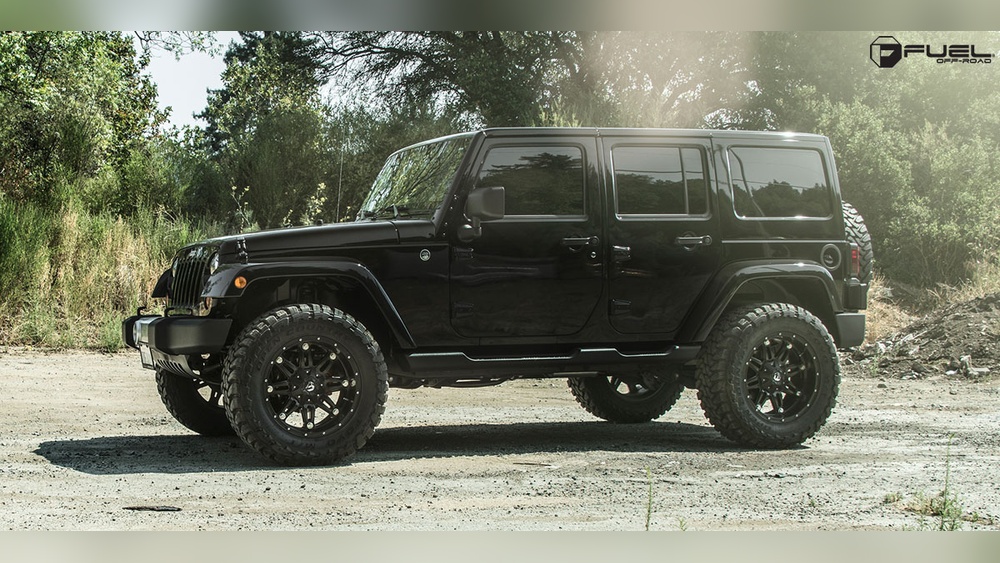
The Fuel D531 Hostage features a deep lip and a complex spoke design that gives it a commanding presence. The spokes are often sculpted with sharp angles and cutouts, creating a dynamic look that changes as you view the wheel from different angles. This intricate design is not just for show; it also helps to reduce the overall weight of the wheel while maintaining structural integrity. The black finish is a popular choice, offering a sleek and menacing appearance that pairs well with various Jeep paint colors, from classic black and white to vibrant reds and blues. Many variants also include machined accents on the lip or spoke edges, adding a touch of contrast and highlighting the wheel’s aggressive lines. This combination of deep dish, intricate spokes, and a dark finish makes the D531 Hostage a statement piece for any Jeep.
Material And Construction
Fuel Off-Road wheels, including the D531 Hostage, are typically constructed using one-piece cast aluminum. This manufacturing process involves pouring molten aluminum into a mold under high pressure. This method results in a strong, durable wheel that is also relatively lightweight compared to steel wheels. The use of aluminum is essential for off-road vehicles, as it helps to reduce unsprung weight, which can improve handling, acceleration, and braking performance. The casting process allows for intricate designs like those found on the Hostage, while ensuring the wheel can withstand the rigors of off-road driving, including impacts from rocks, potholes, and other terrain challenges. The quality of the casting and the alloy composition are critical factors in the wheel’s longevity and ability to perform under stress.
Specifications Of The 20×10 Fuel D531 Hostage Black Wheels
When considering wheels, the specifications are paramount. For the 20×10 Fuel D531 Hostage Black Wheels, the size and offset play a significant role in how they will fit and perform on your Jeep.
Wheel Size: 20×10
The “20×10” designation tells us two key pieces of information:
- 20-inch Diameter: This refers to the overall size of the wheel from one edge to the opposite edge. A 20-inch diameter is a popular size for trucks and SUVs, offering a balance between a large visual presence and the ability to accommodate substantial tire sidewalls for off-road use. Larger diameter wheels generally provide a more aggressive stance and can accommodate larger brake systems.
- 10-inch Width: This indicates the width of the wheel, measured from the inner bead seat to the opposite inner bead seat. A 10-inch wide wheel is considered quite wide. This width allows for the mounting of wider tires, which can increase the tire’s contact patch with the ground. A larger contact patch can improve traction, stability, and load-carrying capacity. However, a wider wheel also requires careful consideration of tire size and potential fitment issues, such as rubbing against suspension components or fenders.
Offset And Backspacing
Offset and backspacing are critical measurements that determine how far the wheel sits inward or outward from the hub mounting surface. These measurements significantly impact tire clearance and the overall stance of the vehicle.
- Offset: This is the distance from the wheel’s mounting surface to the centerline of the wheel. Wheels can have positive, zero, or negative offset. For the 20×10 Fuel D531 Hostage, these wheels typically come with a negative offset, often around -12mm to -19mm. A negative offset pushes the wheel further out from the vehicle’s hub, creating a wider, more aggressive stance. This is a common characteristic for off-road wheels designed to accommodate larger tires and improve clearance.
- Backspacing: This is the distance from the back of the wheel mounting flange to the outer edge of the wheel lip. It’s another way to measure how the wheel sits relative to the vehicle. A lower backspacing measurement (which corresponds to a more negative offset) means the wheel will sit further out. For a 20×10 wheel with a -12mm offset, the backspacing is typically around 4.5 inches. A backspacing of 4.5 inches is common for aggressive off-road applications, allowing for more clearance for wider tires and suspension components.
Understanding these measurements is crucial because incorrect offset or backspacing can lead to:
- Tire Rubbing: Tires may rub against fenders, suspension arms, or body panels, especially during turns or when the suspension is compressed.
- Steering Issues: Improper offset can affect steering geometry and potentially lead to premature wear on steering and suspension components.
- Aesthetic Imbalance: The wheels might not sit flush, leading to an awkward or undesirable look.
A common example of a specification for this wheel is 20×10 with a -12mm offset. This configuration is widely popular for Jeeps seeking a pronounced stance.

Fitment Considerations For Jeep Models
The 20×10 Fuel D531 Hostage Black Wheels are designed to fit a range of Jeep models, but specific fitment depends on the Jeep’s year, model, and any existing modifications.
Common Jeep Fitments
These wheels are frequently installed on popular Jeep models such as:
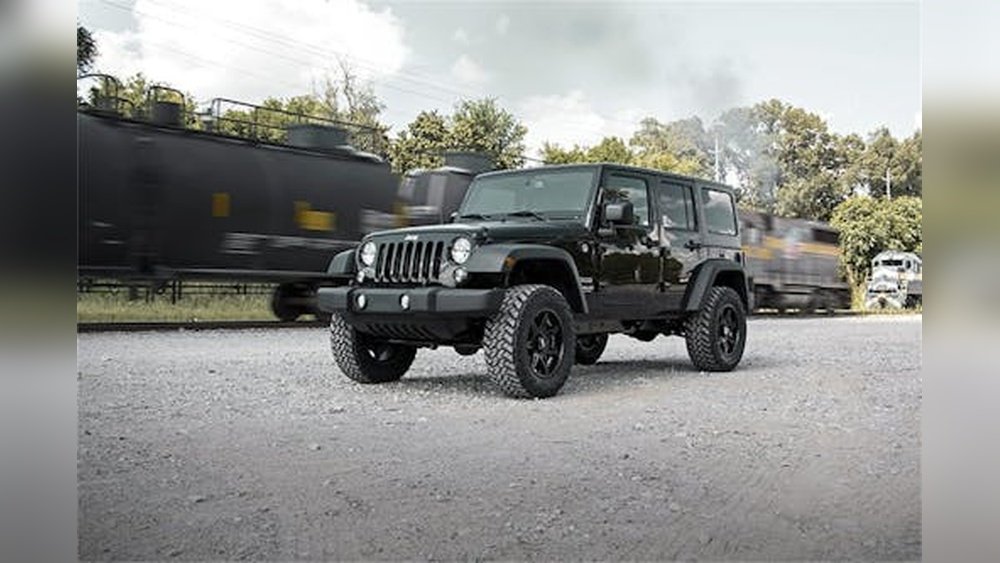
- Jeep Wrangler (JK/JL): The Wrangler, in its JK (2007-2018) and JL (2018-present) generations, is a prime candidate for the D531 Hostage wheels. Due to their off-road nature, Wranglers often have the suspension and fender clearance to accommodate wider wheels and tires.
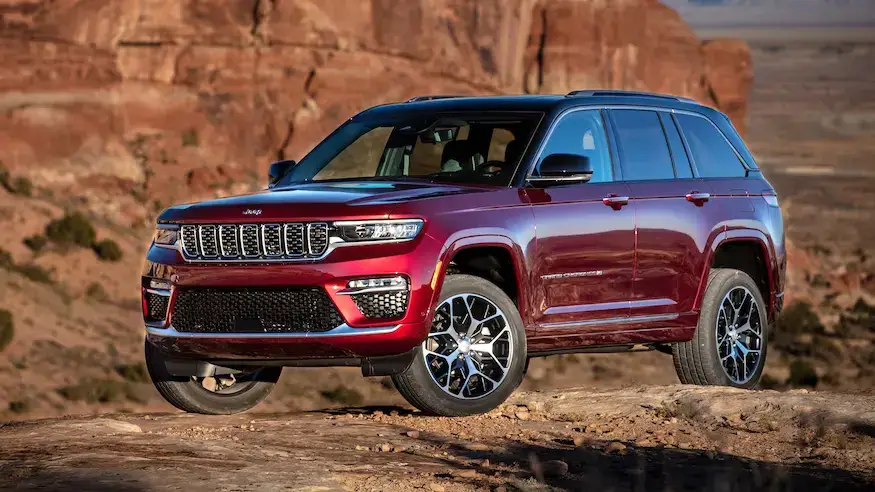
- Jeep Grand Cherokee (WK2): The WK2 Grand Cherokee (2011-2026) can also fit these wheels, though it might require more careful consideration of tire size and potential leveling or lift kits to avoid rubbing, especially on models with air suspension.
- Jeep Gladiator (JT): As a truck variant of the Wrangler, the JT Gladiator offers ample space for larger wheel and tire setups, making the 20×10 D531 Hostage a suitable option.
Tire Size And Lift Requirements
Mounting 20×10 wheels often necessitates specific tire sizes and may require suspension modifications.
- Tire Size: For a 20×10 wheel, common tire sizes for Jeeps include 33-inch, 35-inch, or even 37-inch diameter tires. For example, a 35×12.50R20 tire is a popular choice. The 12.50-inch width is well-suited for a 10-inch wide rim. When choosing tires, ensure they are rated for off-road use if that’s your intention.
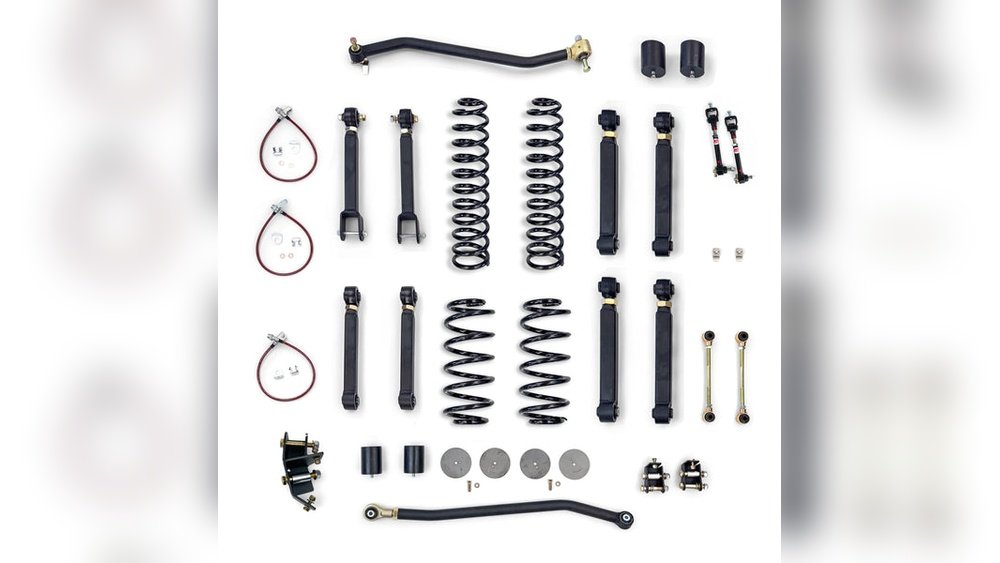
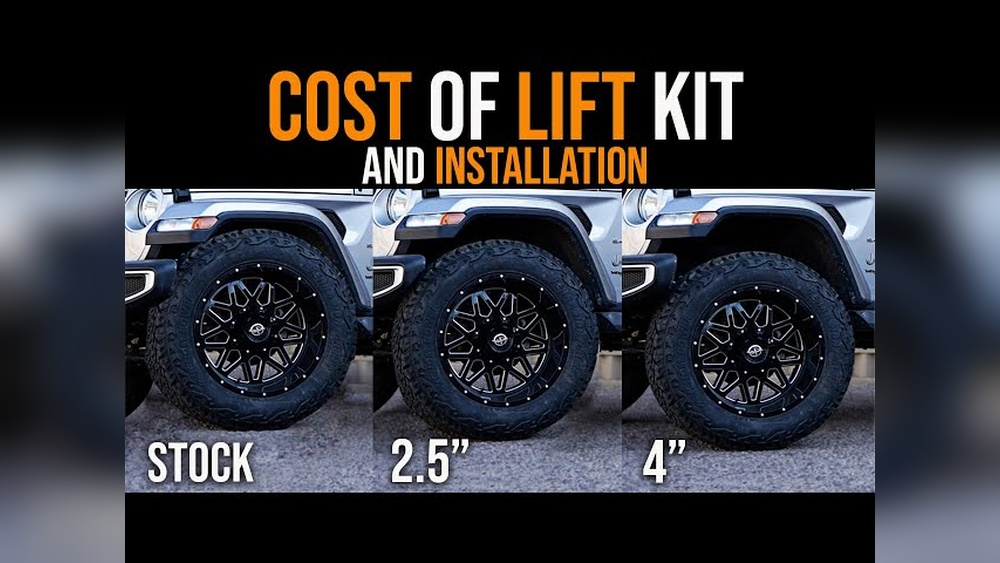
- Lift Kits: To clear larger tires (typically 33 inches and above) on most Jeep models, a lift kit is often required. The amount of lift needed varies by tire size and the specific Jeep model. For 35-inch tires on a JK or JL Wrangler, a 2.5-inch to 3.5-inch lift is common. Without adequate lift, the tires can rub significantly against the fenders, especially when turning or encountering uneven terrain.
- Fender Flares: Even with a lift, wider tires mounted on 20×10 wheels might extend beyond the factory fender flares. In many states, tire coverage laws require tires to be covered by the fender flares. Aftermarket fender flares or “Bushwacker” style flares are a popular solution.
Bolt Pattern And Hub Bore
Ensuring the correct bolt pattern and hub bore is essential for proper wheel installation and safety.
- Bolt Pattern: Most Jeep Wranglers, Gladiators, and Grand Cherokees use a 5×5 inch (5x127mm) bolt pattern. The Fuel D531 Hostage wheels are readily available in this common Jeep bolt pattern. It’s crucial to verify this specification for your specific Jeep model and year.
- Hub Bore: This is the diameter of the center hole on the wheel, which fits over the vehicle’s hub. While many aftermarket wheels come with a universal hub bore that is larger than the Jeep’s hub, using hub-centric rings is highly recommended. These rings fill the gap between the wheel’s hub bore and the vehicle’s hub, ensuring the wheel is perfectly centered. This reduces vibrations at higher speeds and prevents stress on the wheel studs and lug nuts.
Benefits Of Upgrading To 20×10 Fuel D531 Hostage Wheels
Upgrading to these Fuel wheels offers several advantages for Jeep owners, both in terms of aesthetics and potential performance.
Enhanced Aesthetics And Stance
The most immediate benefit of installing the 20×10 Fuel D531 Hostage Black Wheels is the dramatic improvement in the Jeep’s visual appeal. The large 20-inch diameter combined with the aggressive 10-inch width, especially with a negative offset, pushes the wheels outward. This creates a wider, more muscular stance that is characteristic of modified off-road vehicles. The bold, multi-spoke design of the Hostage wheel adds a layer of sophistication and aggression, making the Jeep stand out from stock models. The black finish is versatile and enhances the rugged look, complementing various Jeep colors and accessories. This visual transformation is a primary motivation for many owners choosing this wheel.
Improved Off-road Capability
While primarily an aesthetic upgrade, the 20×10 wheel size can contribute to off-road performance when paired with appropriate tires.
- Wider Tire Compatibility: The 10-inch width allows for the mounting of wider tires. Wider tires offer a larger contact patch, which can translate to better traction on loose surfaces like dirt, mud, and sand. This enhanced grip is invaluable when navigating challenging off-road trails.
- Tire Profile: Combined with a 20-inch wheel, owners can still choose tires with a reasonable sidewall height (e.g., 35-inch tires have a sidewall height of about 8.75 inches, calculated as 35 inches * 0.50). A slightly taller sidewall provides more flexibility and cushioning over rough terrain, absorbing impacts better than a very low-profile tire. This can improve ride comfort off-road and reduce the risk of wheel damage from sharp impacts.
- Clearance: The wider stance created by the negative offset can also provide better clearance for suspension components, potentially allowing for more articulation off-road.
Durability And Strength
Fuel Off-Road is known for producing durable wheels designed to withstand demanding conditions. The one-piece cast aluminum construction of the D531 Hostage is engineered for strength. This means the wheels are built to handle the stresses of daily driving, including potholes and rough roads, as well as the more extreme impacts encountered during off-road excursions. The black finish is typically a multi-stage powder coating, designed to resist chipping, scratching, and corrosion, maintaining the wheel’s appearance over time.

Potential Downsides And What To Watch For
While the 20×10 Fuel D531 Hostage Black Wheels offer significant benefits, there are also potential drawbacks and considerations that potential buyers should be aware of.
Increased Cost
Upgrading wheels, especially to a premium brand like Fuel Off-Road and a larger size like 20 inches, represents a significant investment. The cost of a set of four 20×10 Fuel D531 Hostage wheels can range from $1,200 to $1,800 or more, depending on the retailer and any ongoing promotions. This initial cost does not include the price of new tires, which can add another $1,000 to $2,000 or more for a set of off-road capable tires. Furthermore, the potential need for a lift kit, new lug nuts, and professional installation can further increase the overall expense.
Ride Quality And Fuel Economy
Changing to larger and wider wheels can impact the Jeep’s ride quality and fuel efficiency.
- Ride Quality: Larger diameter wheels often necessitate tires with shorter sidewalls (relative to the overall diameter). While a 20-inch wheel with a 35-inch tire still has a decent sidewall, very low-profile tires on larger wheels can lead to a harsher ride on pavement, as there is less rubber and air cushion to absorb road imperfections. The increased weight of larger wheels and tires can also contribute to a less refined ride.
- Fuel Economy: Heavier wheels and tires increase the unsprung weight of the vehicle. This requires more energy for the engine to accelerate and maintain speed, leading to a reduction in fuel economy. Additionally, wider tires can increase rolling resistance, further impacting MPG. Owners might see a decrease of 1-3 MPG or more, depending on the specific tire and wheel combination and driving habits.
Potential For Rubbing And Need For Modifications
As mentioned earlier, fitting 20×10 wheels with aggressive tires on a Jeep often requires modifications. Without proper planning, you might experience tire rubbing against fenders, the frame, or suspension components. This can happen during turns, when braking, or when the suspension compresses. To avoid this, most Jeep owners will need to install:
- A lift kit (typically 2.5 inches or more).
- Aftermarket fender flares to cover the wider tire track.
- In some cases, minor trimming of the plastic fender liners or bumpers might be necessary.
These additional modifications add to the complexity and cost of the wheel upgrade.
Increased Maintenance And Wear
The wider track and potential for aggressive off-road use associated with these wheels can also lead to increased wear on certain vehicle components.
- Suspension and Steering Components: The increased leverage on the wheel bearings, ball joints, and steering components due to wider wheels and tires can lead to accelerated wear. This is particularly true if the Jeep is frequently used for aggressive off-roading.
- Brake Clearance: While 20-inch wheels generally offer good brake clearance, it’s always wise to ensure your