The Jeep Wrangler track bar is a crucial component for your vehicle's steering and handling. It connects the solid front axle to the frame, keeping the axle centered under the Jeep.
When this part wears out or becomes damaged, it can lead to a range of problems, from vague steering to dangerous instability. Understanding the Jeep Wrangler track bar replacement cost is essential for any owner looking to maintain their vehicle's safety and performance.
This guide will break down all the factors influencing the cost, the signs of a bad track bar, and what to expect during the replacement process.
Why Your Jeep Wrangler Needs A Track Bar
The Jeep Wrangler, especially models equipped with solid front axles, relies heavily on its track bar (also known as a Panhard rod) for proper alignment and stability. Unlike independent front suspension systems that have built-in steering and locating mechanisms, a solid axle needs an external link to prevent excessive side-to-side movement.
This link is the track bar.
How The Track Bar Works
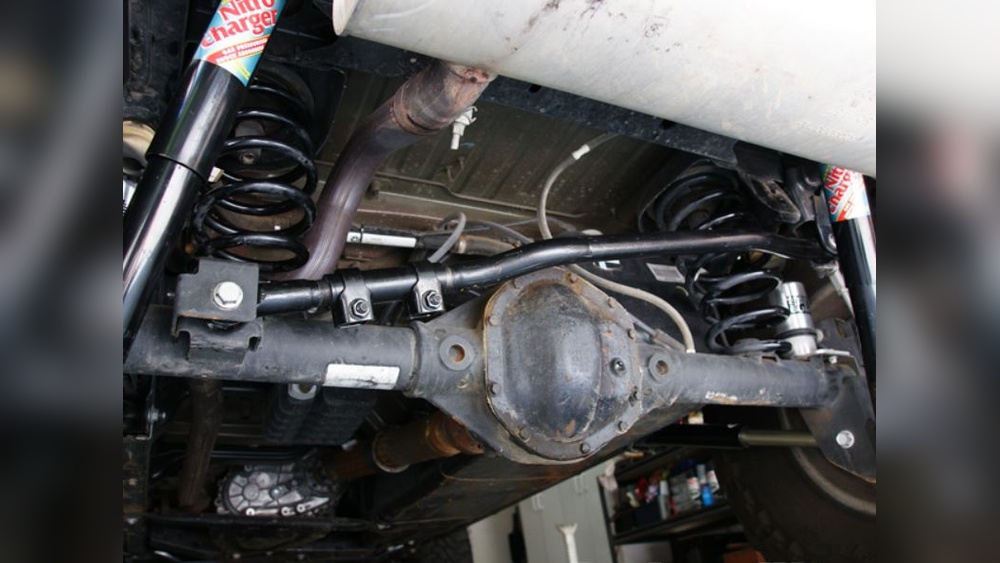
The track bar is essentially a sturdy metal rod with a joint or bushing at each end. One end attaches to the axle, and the other attaches to the vehicle's frame.
When the suspension moves up and down, or when you turn the steering wheel, the track bar guides the axle, ensuring it stays centered beneath the Jeep.
This is vital for maintaining predictable handling and preventing the tires from rubbing against the fenders or other components.
Common Issues Leading To Replacement
Over time, the bushings or joints at the ends of the track bar can wear out. This wear is often accelerated by off-roading, harsh driving conditions, or simply the age of the vehicle. Symptoms of a worn track bar can include:
- Wandering or loose steering: The Jeep may feel like it’s drifting or floating, requiring constant steering corrections.
- Clunking or rattling noises: You might hear noises, especially when turning or going over bumps, that seem to come from the front end.
- Uneven tire wear: The axle not being centered can cause tires to scrub, leading to premature and uneven wear patterns.
- Death wobble: This is a violent shaking of the steering wheel and front end, often triggered by hitting a bump at speed. While multiple suspension components can contribute, a worn track bar is a frequent culprit.
- Poor alignment: Even after a professional alignment, the steering wheel might not be straight, or the vehicle may pull to one side.
Factors Affecting Jeep Wrangler Track Bar Replacement Cost
The cost to replace a Jeep Wrangler track bar is not a fixed number. Several variables come into play, influencing the final price you’ll pay. These include the cost of the part itself, labor rates, the specific Jeep Wrangler model and year, and whether you opt for OEM or aftermarket parts.
Part Costs: Oem Vs. Aftermarket
The track bar replacement cost for parts can vary significantly.
- OEM (Original Equipment Manufacturer) Parts: These are parts made by or for Jeep. They are designed to meet the original specifications of your Wrangler. Generally, OEM parts are more expensive but offer guaranteed fitment and quality that matches the original. For a Jeep Wrangler track bar, an OEM part might cost anywhere from $100 to $300.
- Aftermarket Parts: These parts are made by third-party manufacturers. The aftermarket offers a wide range of options, from budget-friendly replacements to high-performance, heavy-duty track bars designed for off-road use. Aftermarket track bars can range from $50 to $400 or even more, depending on the brand, materials, and features. Some aftermarket track bars are adjustable, allowing for fine-tuning alignment, especially after installing a lift kit.
Labor Costs
Labor is often the most significant part of the Jeep Wrangler track bar replacement cost. The complexity of the job and the hourly rates of the mechanic will determine this.
- Mechanic’s Hourly Rate: This varies by geographic location and the type of shop. Dealerships typically have higher labor rates than independent mechanics. Independent shops specializing in Jeeps or off-road vehicles might charge more due to their expertise but can also be more efficient. Hourly rates can range from $75 to $150+ per hour.
- Time Required for Replacement: Replacing a track bar is generally considered a moderate job. It involves lifting the Jeep, removing the wheels, unbolting the old track bar, and bolting in the new one. It might also require some adjustments to ensure the axle is centered. Most shops estimate this job to take between 1.5 to 3 hours.
Jeep Wrangler Model And Year
Different Jeep Wrangler generations and models can have slightly different track bar designs or mounting points. Older models might have simpler designs, while newer ones, especially those with advanced suspension systems or specific off-road packages, could be more complex.
For example, replacing a track bar on a stock JK Wrangler might be straightforward, but if you have a significant lift kit installed, the process could be more involved, potentially requiring adjustable track bars or additional modifications.
Additional Parts And Services
Sometimes, when replacing a track bar, other related components might show signs of wear and should be replaced simultaneously. This could include:
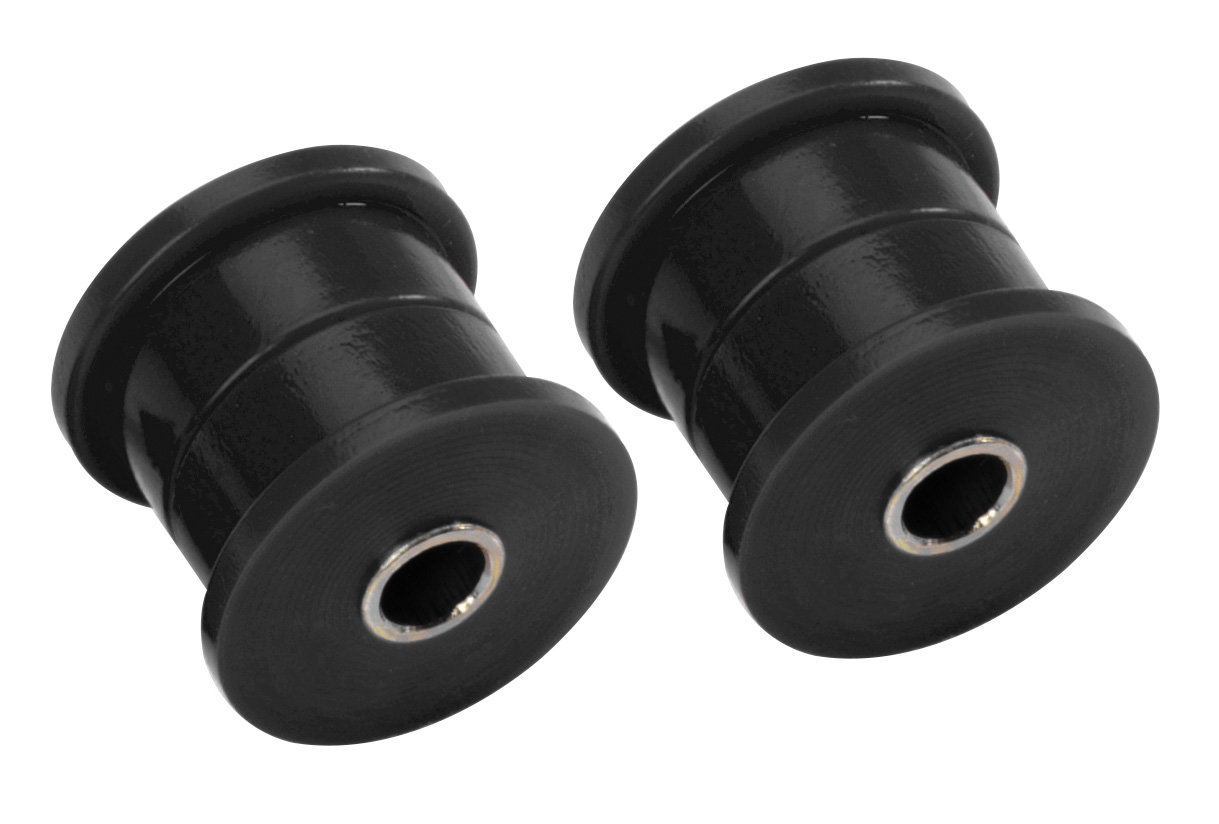
- Track Bar Bushings: If you’re not replacing the entire track bar assembly, you might only need to replace the worn bushings. These are significantly cheaper than a full track bar but require pressing out the old ones and pressing in new ones, which can be labor-intensive.
- Sway Bar Links: These are often replaced at the same time, as they are part of the front suspension and can also wear out.
- Alignment: After replacing a track bar, it’s highly recommended to get a wheel alignment. This ensures the steering wheel is centered and the vehicle tracks straight. An alignment typically costs between $75 and $150.

Estimated Total Cost For Track Bar Replacement
Considering all the factors above, we can estimate the total Jeep Wrangler track bar replacement cost.
Breakdown Of Estimated Costs
Let’s look at a typical scenario for a Jeep Wrangler track bar replacement:
- Part Cost: $100 (aftermarket) to $300 (OEM)
- Labor Cost: 1.5 to 3 hours at $75-$150/hour = $112.50 to $450
- Alignment (Recommended): $75 to $150
Total Estimated Cost Range:
- Low End (DIY or budget aftermarket parts): If you’re comfortable doing the work yourself and use a basic aftermarket track bar, your cost might be just the price of the part ($50-$150).
- Mid-Range (Independent shop, aftermarket parts): With a quality aftermarket track bar and labor at an independent shop, you could expect to pay $200 to $600. Adding an alignment would push this to $275 to $750.
- High End (Dealership, OEM parts): Using OEM parts and having the work done at a dealership, the cost could range from $350 to $750+ for the track bar and labor alone. Including an alignment, the total could reach $425 to $900.
It’s crucial to get quotes from multiple reputable shops to compare prices and ensure you’re getting a fair deal.
Cost Comparison: Front Vs. Rear Track Bar
Most Jeep Wranglers have both a front and a rear track bar. The replacement process and cost are generally similar for both.
However, some modifications, like aftermarket suspension components or specific lift kits, might make one easier or harder to access than the other.
Always confirm with your mechanic which track bar needs replacement and if both are recommended.
Signs Of A Failing Track Bar In Detail
Recognizing the symptoms of a failing track bar is key to preventing further damage and ensuring safety. Beyond the general descriptions, here’s a deeper look at what to watch for.
Steering Wheel Play And Vagueness
A healthy track bar provides a direct connection between your steering input and the axle’s position. When the bushings or joints are worn, there’s excessive play in the system. This means you can turn the steering wheel a few degrees before the front wheels actually respond. This makes the steering feel disconnected and vague, requiring constant small adjustments to keep the Jeep going straight. It’s particularly noticeable at highway speeds, where small inaccuracies can feel amplified.
Clunking And Rattling Noises
The clunking sound is often the most direct indicator of a loose track bar. As the axle shifts side-to-side due to worn bushings, the track bar can make contact with its mounting points or other chassis components. You might hear a distinct clunk when:
- Turning the steering wheel from lock to lock.
- Accelerating or decelerating.
- Going over bumps or uneven surfaces.
This noise can sometimes be mistaken for other suspension issues, like worn ball joints or tie rods, which is why a thorough inspection is important.
Tire Wear Patterns
A misaligned axle due to a faulty track bar will cause your tires to drag or scrub sideways as you drive. This leads to specific tire wear patterns:
- Feathering: The edges of the tire tread blocks will feel smooth in one direction and jagged in the other.
- Cupping: Irregular worn spots appear around the circumference of the tire.
If you notice these patterns, especially on the front tires, and your alignment readings are out of spec, a track bar issue should be high on your suspect list.
The Dreaded “death Wobble”
This is perhaps the most alarming symptom. Death wobble is a high-speed oscillation or shaking of the steering wheel and front end that can occur suddenly, often after hitting a bump, pothole, or even just a road imperfection. It feels like the steering wheel is violently shaking back and forth, making the vehicle extremely difficult to control. While several components can contribute to death wobble (including steering stabilizers, ball joints, and tire balance), a severely worn or improperly installed track bar is a very common trigger. If you experience death wobble, pull over safely as soon as possible and have your vehicle inspected immediately.
Alignment Issues
Even after a professional wheel alignment, if your steering wheel is not centered when driving straight, or if the vehicle continues to pull to one side, a worn track bar could be the culprit. An alignment machine measures the angles of your wheels relative to each other and the road, but it relies on the suspension components, including the track bar, to hold the axle in its correct position.
If the track bar allows the axle to shift, the alignment will be compromised, and the problem will likely return quickly.
The Track Bar Replacement Process
Understanding the steps involved in replacing a track bar can help you appreciate the labor costs and decide if it’s a DIY job for you.
Step-by-step Replacement Guide (general)
- Preparation: Park the Jeep on a level surface. Engage the parking brake and block the rear wheels. Loosen the lug nuts on the front wheels.
- Lifting the Vehicle: Use a reliable jack and jack stands to safely lift the front of the Jeep. Ensure the jack stands are placed on strong frame points.
- Removing Wheels: Fully remove the front wheels to gain access to the track bar and axle.
- Locating the Track Bar: The track bar is a large metal bar running diagonally from the frame on one side to the axle on the other.
- Unbolting the Track Bar: You’ll need to unbolt both ends of the track bar. This often requires significant force, as the bolts can be tight and corroded. Sometimes, the bolts need to be cut off if they are seized.
- Removing the Old Track Bar: Once unbolted, the old track bar can be removed. It might require some prying or wiggling.
- Installing the New Track Bar: Position the new track bar and bolt it into place. Ensure the bushings are correctly seated. Tighten the bolts to the manufacturer’s specified torque. If you have an adjustable track bar, you’ll need to set it to the correct length to center the axle.
- Reinstalling Wheels: Put the wheels back on and tighten the lug nuts.
- Lowering the Vehicle: Carefully lower the Jeep off the jack stands.
- Final Tightening: With the vehicle’s weight on the ground, fully tighten the lug nuts.
- Wheel Alignment: Take the Jeep to a qualified shop for a professional wheel alignment.
Tools And Equipment Needed
- Floor jack and jack stands
- Socket set and wrenches (metric and standard, depending on model year)
- Torque wrench
- Breaker bar (for stubborn bolts)
- Penetrating oil (like PB Blaster)
- Possibly a pickle fork or ball joint separator
- Safety glasses and gloves
- Wheel chocks
Diy Vs. Professional Installation
- DIY: If you have a good set of tools, mechanical aptitude, and are comfortable working under your vehicle, replacing a track bar can be a rewarding DIY project. It can save you significant labor costs. However, ensure you have a safe way to support the vehicle and that you torque all fasteners correctly. An improper installation can be dangerous.
- Professional: For most people, taking their Jeep to a qualified mechanic or Jeep specialist is the safer and more reliable option. They have the specialized tools, experience, and lifts to perform the job efficiently and correctly. This ensures the job is done right the first time and reduces the risk of errors.
Choosing The Right Track Bar For Your Jeep Wrangler
The type of track bar you choose can impact performance, durability, and even the Jeep Wrangler track bar replacement cost.
Understanding Different Types
- Stock Replacement: These are designed to be direct replacements for your original track bar. They are a good choice if you have a stock suspension and want to restore factory handling.
- Adjustable Track Bars: These are highly recommended for Jeeps with lift kits. A lift kit changes the geometry of the suspension, and a stock track bar will no longer center the axle correctly. Adjustable track bars allow you to fine-tune the axle position, ensuring proper alignment and preventing tire rubbing. They are typically more expensive but offer better performance and adjustability.
- Heavy-Duty/Aftermarket Track Bars: Many aftermarket manufacturers offer reinforced track bars made from stronger materials, with upgraded bushings or heim joints. These are ideal for off-road enthusiasts who put their Jeeps through rigorous use. They offer increased durability and can better withstand the stresses of off-roading.
What To Consider When Buying
- Lift Height: If your Wrangler has a lift kit, you must get an adjustable track bar or one specifically designed for your lift height. Failure to do so will result in an off-center axle.
- Driving Conditions: For daily