Jeep Wrangler Eclipse Sun Shade Installation: Easy Steps For Perfect Fit
The sun can be a great companion on a drive, especially when you’re cruising in your Jeep Wrangler with the top off. But too much sun can make your vehicle’s interior incredibly hot, fade your dashboard, and even become uncomfortable for passengers.
That’s where a Jeep Wrangler eclipse sun shade comes in. These shades are designed to block harmful UV rays and significantly reduce interior temperatures, making your Jeep a more pleasant place to be, even on the hottest days.
Installing a sun shade might seem straightforward, but getting that perfect fit is key to its effectiveness. A shade that sags, doesn’t cover the entire windshield, or is difficult to secure can be more of a hassle than a help. This guide will walk you through the easy steps to install your Jeep Wrangler eclipse sun shade, ensuring it fits snugly and provides maximum protection. We’ll cover everything from choosing the right shade to the final securing steps, with tips to avoid common pitfalls. Whether you have a two-door or a four-door JK, JL, or older model, these instructions will help you achieve a professional-looking and highly functional installation.
Why You Need A Sun Shade For Your Jeep Wrangler
Before diving into the installation, let’s quickly touch upon why a sun shade is an essential accessory for any Jeep Wrangler owner. Beyond just keeping the interior cooler, these shades offer several benefits that protect your investment and enhance your driving experience.
The relentless sun emits ultraviolet (UV) rays. These rays are not just about making things hot; they actively degrade materials over time. Your Jeep’s dashboard, made of plastic and vinyl, can crack, warp, and fade. Upholstery, whether fabric or leather, can become brittle and discolored. Even the paint on your dashboard can be affected. A good quality sun shade acts as a protective barrier, significantly slowing down this aging process.
Furthermore, the heat buildup inside a vehicle parked in the sun can be extreme. A Jeep Wrangler, with its large glass surfaces, can become an oven. This intense heat not only makes the initial entry into your vehicle an unpleasant shock but can also damage sensitive electronics like your stereo system or navigation devices. A sun shade can reduce interior temperatures by as much as 20-30 degrees Fahrenheit, making a huge difference.
Finally, there’s the comfort factor. Imagine getting into a car that feels like a sauna. A sun shade makes your Jeep more inviting and comfortable, allowing you to enjoy your ride from the moment you open the door. It also helps maintain the resale value of your Jeep by preserving the interior condition.
Types Of Jeep Wrangler Sun Shades
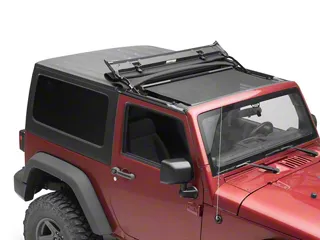
Jeep Wrangler sun shades come in various forms, each with its own installation method and benefits. Understanding these differences can help you choose the best option for your needs.
Mesh Or Fabric Shades
These are the most common types. They are typically made from a durable mesh or a solid fabric material.
They are often designed to fit the exact dimensions of your Wrangler’s windshield. Some are foldable, while others might roll up.
- Pros: Lightweight, effective at blocking sun, relatively inexpensive, easy to store.
- Cons: Can sometimes sag if not secured properly, may reduce visibility slightly when in place.
- Installation: Usually involves folding or rolling the shade to fit, then securing it with built-in straps, Velcro, or by tucking it into the edges of the windshield frame.
Custom-molded Shades
These shades are often made from a more rigid material, sometimes with a reflective coating. They are designed to precisely match the contours of the Wrangler windshield.
- Pros: Excellent fit, often very effective at reflecting heat, durable.
- Cons: Can be bulkier to store, might be more expensive.
- Installation: Typically involves unfolding the shade and carefully pressing it into place against the windshield. They often have a snug fit that holds them in position.
Roll-up Shades
Similar to mesh shades, but specifically designed to roll up neatly for storage. They often come with a strap to keep them rolled.
- Pros: Convenient for storage, easy to deploy.
- Cons: The rolling mechanism can sometimes be a weak point, may not offer the same rigid fit as molded shades.
- Installation: Unroll the shade and position it. Securing methods vary, often involving Velcro or elastic straps.
Retractable Shades (less Common For Windshields)
While more common for side windows, some specialized retractable shades exist for windshields. These are usually integrated into the vehicle or a more complex accessory.
- Pros: Very convenient, can be deployed or retracted quickly.
- Cons: Expensive, complex installation, potential for mechanical failure.
- Installation: Often requires professional fitting or significant modification.
For the purpose of this guide, we will focus on the mesh and custom-molded shades, as these are the most popular and DIY-friendly options for Jeep Wrangler owners.
Preparing For Installation
Before you start attaching your new sun shade, a little preparation goes a long way. This ensures a smooth process and a better final fit.
First, unpack your sun shade. Carefully remove it from its packaging and lay it out flat. Check for any damage that might have occurred during shipping. Most shades are designed to be folded or rolled for shipping, so unfold or unroll it gently.
Next, identify the correct orientation. Sun shades are designed to fit a specific way. Usually, the side with the reflective coating (if it has one) or the side with any logos or branding should face outwards, towards the sun. The inner side, which faces your dashboard, is often a plain black or dark color. If your shade has straps or Velcro, note where they are located and how they are intended to be used.
Clean your windshield. While not strictly necessary for the shade’s function, a clean windshield offers a better surface for any adhesive elements (like Velcro) to stick to, and it’s just good practice. Use a good quality glass cleaner and a microfiber cloth to ensure the inside of your windshield is free of dust and grime.
Gather your tools. For most sun shades, you won’t need many tools. You might need:
- A microfiber cloth for cleaning.
- Possibly a small screwdriver or trim tool if your shade involves attaching any clips or Velcro strips to the A-pillar or dashboard.
- Your owner’s manual for your Jeep, in case you need to consult it for specific trim removal or clip locations.
Finally, check the fitment guide that came with your sun shade. Ensure it’s for your specific Jeep Wrangler model year and configuration (e.g., 2-door vs. 4-door). Manufacturers often provide specific instructions or diagrams that might be slightly different from generic advice.
Easy Steps For Installing Your Jeep Wrangler Sun Shade
Now, let’s get to the installation. We’ll break this down into logical steps that apply to most common sun shade types.
Step 1: Position The Shade
Begin by unfolding or unrolling your sun shade. Hold it up against the inside of your windshield.
Determine the correct orientation, typically, the reflective side faces outwards.
Gently place the top edge of the shade against the headliner or the top of the windshield frame. Let the shade hang down.
At this point, it might not look perfect, and that’s okay. The goal is to get it roughly in place.
Step 2: Align The Edges
This is where the perfect fit starts to take shape. Carefully align the sides of the sun shade with the edges of your windshield.
- For custom-molded shades: These should naturally want to sit flush against the glass and the dashboard. You might need to gently press them into place, especially around the curves.
- For mesh or fabric shades: You’ll likely need to tuck the edges of the shade into the gap between the windshield glass and the dashboard, or the A-pillar trim. Work your way around, ensuring the shade is as taut and wrinkle-free as possible. Start at the top corners and work your way down.
Pro Tip: If your shade has a specific shape designed to accommodate your rearview mirror, make sure that area is positioned correctly. Some shades have a cutout or a flap for the mirror.
Step 3: Secure The Shade
This is the most crucial step for ensuring your sun shade stays put and doesn’t sag. The securing method will vary depending on the type of shade you have.
Common Securing Methods:
- Velcro Straps: Many shades come with Velcro straps that attach to the sun visors or the A-pillar.
- On Visors: Unfold the visor and wrap the Velcro strap around it, then secure it tightly. Refold the visor. Repeat for both visors if applicable.
- On A-Pillars: Some shades have Velcro strips that adhere to the A-pillar trim. You might need to peel off the backing from an adhesive Velcro strip and press it firmly onto the designated spot on your A-pillar. Ensure the surface is clean for good adhesion. Then, attach the corresponding Velcro strip on the shade to it.
- Built-in Elastic or Straps: Some shades have integrated elastic bands or straps that loop around the rearview mirror or hook onto designated points.
- Rearview Mirror: If your shade has a loop for the mirror, carefully guide the shade around the mirror base and secure the loop.
- Hook Points: Some Jeeps have small hook points built into the A-pillar or dashboard. Your shade might have corresponding loops to attach.
- Tucking and Tension: For many mesh shades, the primary securing method is simply tucking the edges firmly into the windshield frame. The tension created by the snug fit helps hold it in place. Ensure there are no loose edges that can sag or allow sun to sneak in.
- Suction Cups (Less Common): While less common for windshield shades, some might use suction cups. Ensure the glass is clean and the cups are pressed firmly to create a seal.
Important Note: Don’t overtighten straps to the point where they might damage your headliner or visors. The goal is a snug, secure fit, not a strained one.
Step 4: Final Adjustments And Checks
Once the shade is secured, take a step back and look at it.
- Check for gaps: Are there any significant gaps around the edges where sunlight can enter? If so, try to tuck the edges further or adjust the straps.
- Check for sagging: Does the shade droop in the middle? If so, you might need to adjust the tension on the straps or re-tuck the edges more firmly.
- Visibility: While the shade is up, check your forward visibility. Most shades are designed not to obstruct your view significantly, but ensure you can still see clearly.
- Mirror Clearance: Make sure the shade isn’t pressing awkwardly against your rearview mirror or other dashboard components.
In my experience, the key to a perfect fit often lies in taking your time during the tucking and securing phases. Gently pulling the shade taut as you work around the edges makes a big difference.
Specific Considerations For Jeep Wrangler Models
While the general steps above apply to most Jeep Wranglers, there are minor variations depending on the model year and configuration.
Jeep Wrangler Jk (2007-2018)
The JK generation has a familiar windshield shape. Most aftermarket shades are designed to fit both the 2-door and 4-door models.
Pay attention to the A-pillar trim, as some shades might have Velcro that adheres here. Ensure the trim is clean and dry for the best adhesion.
The visors in the JK are also common anchor points for securing straps.
Jeep Wrangler Jl (2018-present)
The JL generation features a slightly updated interior design. The windshield dimensions are similar, but the dashboard and A-pillar trim might differ slightly. When installing a shade for a JL, ensure it’s specifically listed as compatible. The securing points, like visors and A-pillar areas, are generally robust, but double-check any instructions for specific JL mounting points. Some JL owners find that shades with a more rigid frame offer a superior fit due to the JL’s slightly more complex dashboard contours.
4-door Vs. 2-door Models
While the windshield itself is the same size for both 2-door and 4-door Wranglers of the same generation, the overall vehicle length can sometimes influence how easily a shade is handled or stored. The installation process, however, remains identical.

Maintaining Your Sun Shade
To ensure your sun shade continues to provide optimal protection and fit for years to come, proper maintenance is important.
Cleaning:
Most mesh or fabric sun shades can be cleaned with mild soap and water. Use a soft cloth or sponge to wipe them down. Avoid harsh chemicals or abrasive cleaners, which can damage the material or the reflective coating. Rinse thoroughly and allow the shade to air dry completely before storing or reinstalling it. Never put a sun shade in a washing machine or dryer.
Storage:
When not in use, store your sun shade properly to prevent damage and maintain its shape.
- Foldable Shades: Fold them neatly along their designed creases. Avoid sharp or excessive folding that could crack the material.
- Rollable Shades: Roll them up evenly and secure them with the attached strap. Store them in a place where they won’t be crushed or punctured.
- Where to Store: Many Wrangler owners find a spot behind the rear seats or in the cargo area works well. Some shades come with a storage bag, which is ideal for keeping them clean and protected.
Inspection:
Periodically inspect your sun shade for signs of wear and tear, such as rips, fraying edges, or deteriorating Velcro. Also, check the securing mechanisms (straps, hooks, Velcro) to ensure they are still in good condition.
A damaged shade may not fit properly or provide adequate protection.
Common Installation Mistakes And How To Avoid Them
Even with easy steps, some common mistakes can lead to a less-than-perfect fit or reduced effectiveness.
- Wrong Orientation: Installing the shade inside out. This means the reflective side faces the interior, reducing its effectiveness and potentially looking odd. Always double-check which side faces out.
- Insufficient Tucking: Not tucking the edges of the shade firmly into the windshield frame. This leads to sagging and allows sun to enter around the edges. Be diligent about tucking all around.
- Improper Strap Adjustment: Straps that are too loose won’t hold the shade securely, leading to sagging. Straps that are too tight can damage the headliner or visors. Adjust for a snug, not strained, fit.
- Ignoring the Mirror: Not properly accommodating the rearview mirror. This can cause the shade to bunch up or not sit flat. **Use any cutouts or flaps designed for the mirror