Seeing the Electronic Throttle Control warning light on your Jeep’s dashboard can be confusing and even alarming. You might wonder what it means, if your Jeep is safe to drive, or how much it will cost to fix.
This warning light isn’t just a minor alert—it signals a problem with your vehicle’s throttle system, which directly affects your Jeep’s acceleration and engine performance. You’ll discover the common causes behind this warning light, easy troubleshooting steps you can try, and when it’s time to get professional help.
Keep reading to take control of your Jeep’s electronic throttle system and avoid unexpected breakdowns.

Electronic Throttle Control Light Meaning
The Electronic Throttle Control warning light on a Jeep signals an issue with the vehicle’s acceleration system. It may cause rough idling, reduced power, or stalling. Prompt attention helps avoid further engine problems and ensures safe driving.
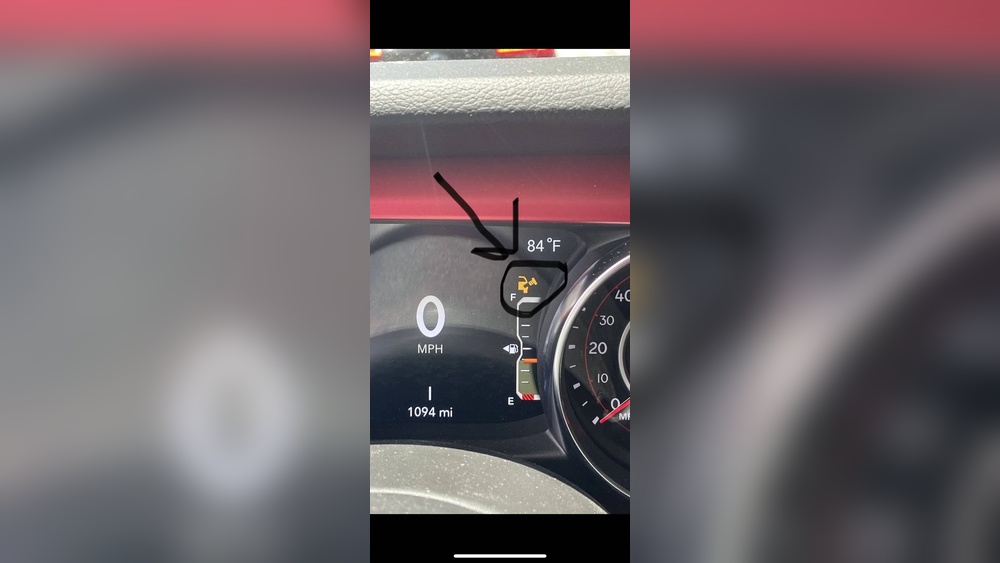
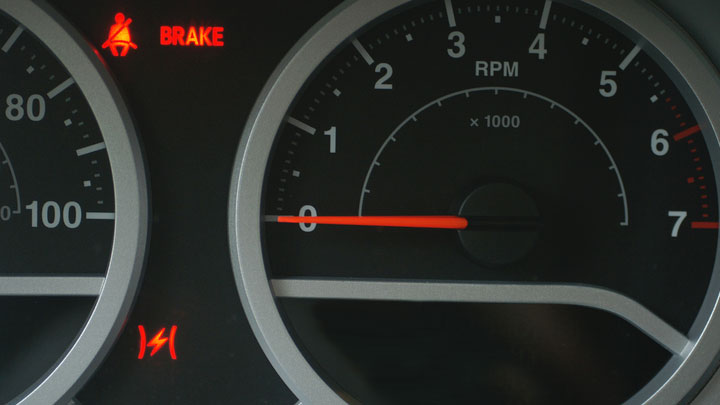
The Electronic Throttle Control (ETC) warning light on a Jeep signals a problem in the acceleration system. It looks like a lightning bolt between two curved lines on the dashboard. When this light appears, the vehicle may experience rough idling or a loss of power.
The ETC system manages the throttle electronically instead of using a direct cable. It connects the gas pedal to the engine’s throttle body through sensors and a computer module. When the system detects an issue, the warning light turns on.
This light may also mean the Jeep has entered “limp mode.” Limp mode limits engine power to protect the vehicle from further damage. In this state, the Jeep might feel sluggish or stall unexpectedly.
Common Causes Of The Electronic Throttle Control Light
- Dirty Throttle Body: Carbon buildup can make the throttle valve stick.
- Faulty Sensors: Bad Accelerator Pedal Position (APP) or Throttle Position Sensors (TPS) send wrong signals.
- Stuck Thermostat: Some Jeep models trigger the light if the engine doesn’t reach proper temperature.
Immediate Troubleshooting Steps
- Clean the Throttle Body: Use approved cleaner to remove carbon deposits.
- Inspect Fuses: Check under-hood fuse box for blown fuses linked to the powertrain or ETC system.
If the light flashes or the Jeep enters limp mode, drive slowly to a service center. Delayed acceleration means the vehicle needs professional attention soon.
Common Causes
The Electronic Throttle Control (ETC) warning light on a Jeep signals issues with the throttle system. This light can appear due to various reasons. Understanding common causes helps in quick diagnosis and repair. Here are some frequent problems that trigger the ETC warning.
Dirty Throttle Body
Carbon and dirt buildup can block the throttle body’s movement. The throttle butterfly valve may stick or fail to respond. This causes irregular airflow and affects engine performance. Cleaning the throttle body often resolves this issue.
Faulty Sensors
The throttle system depends on sensors like the Accelerator Pedal Position (APP) and Throttle Position Sensor (TPS). These sensors send signals to the engine control module. Faulty or damaged sensors can send wrong data. This confuses the system and triggers the warning light.
Stuck Thermostat
Some Jeep models use the thermostat to regulate engine temperature. A stuck thermostat keeps the engine from warming up properly. This can cause the ETC warning light to turn on. Fixing or replacing the thermostat usually clears the problem.
Symptoms To Watch For
The Electronic Throttle Control (ETC) warning light in your Jeep signals a problem with the throttle system. Recognizing the symptoms early helps prevent further damage. Watch for signs that show the throttle is not working correctly. These clues give you a chance to get repairs done quickly.
Rough Idling
Your Jeep may idle unevenly or shake when stopped. The engine speed can fluctuate unexpectedly. This happens because the throttle body cannot control air flow properly. You might notice the RPMs jumping up and down. Rough idling often means the throttle plate is sticking or sensors are failing.
Limp Mode Activation
The Jeep may suddenly lose power and drive slowly. This safety mode limits engine output to protect the vehicle. Limp mode activates when the ETC system detects a serious fault. You will feel a big drop in acceleration. The warning light usually flashes during limp mode to alert you.
Engine Stalling
The engine could stall while driving or at a stop. This happens if the throttle does not open correctly. Stalling may occur without warning, making it dangerous on the road. A stuck throttle or bad sensor can cause the engine to shut off. If stalling happens, get your Jeep checked immediately.
Immediate Troubleshooting
The Electronic Throttle Control warning light signals an issue with your Jeep’s acceleration system. Immediate troubleshooting can help prevent further damage and keep you safe on the road. Quick checks and simple fixes might solve the problem before it worsens.
Throttle Body Cleaning
Carbon and dirt can build up inside the throttle body. This buildup causes the throttle plate to stick, triggering the warning light. Remove the air intake tube carefully. Spray a throttle body cleaner inside to remove grime. Clean the throttle plate and surrounding areas thoroughly. Let it dry before reassembling. This simple step can restore smooth throttle operation.
Fuse Inspection
Blown fuses can disrupt the electronic throttle control system. Open the under-hood fuse box and check each fuse. Look for any that appear burnt or broken. Replace any damaged fuses with the exact type and rating. A faulty fuse can cause communication errors in the throttle system. Regular fuse checks help maintain proper electrical flow.
Driving Precautions
When the ETC warning light flashes, the Jeep may enter limp mode. This reduces engine power to protect the vehicle. Drive cautiously to avoid sudden acceleration or braking. Keep your speed low and maintain safe distances. Head to the nearest repair shop or service center. Prompt action helps prevent engine stalling or further damage.
Sensor And Component Checks
Checking the sensors and components is essential when the Electronic Throttle Control warning light appears on your Jeep. These parts send important signals to the engine control system. Faulty sensors or malfunctioning components can cause the warning light to turn on. Careful inspection helps find the exact issue quickly.
Accelerator Pedal Position Sensor
The Accelerator Pedal Position sensor measures how far you press the gas pedal. It sends this data to the engine control module. If the sensor fails, the engine may not respond properly. A faulty sensor can cause the ETC warning light to activate. Testing or replacing this sensor often solves the problem.
Throttle Position Sensor
The Throttle Position sensor monitors the throttle valve’s angle. It helps control the amount of air entering the engine. When this sensor gives wrong information, the engine may stall or lose power. The ETC warning light signals the need to check this sensor. Cleaning or replacement can restore normal function.
Thermostat Function
The thermostat regulates engine temperature by controlling coolant flow. A stuck thermostat keeps the engine from reaching the right temperature. This can trigger the ETC warning light on some Jeep models. Inspecting the thermostat ensures the engine warms up properly. Replacing a faulty thermostat can clear the warning light.
Resetting The Warning Light
Resetting the Electronic Throttle Control warning light on your Jeep can restore normal driving conditions. The warning light stays on if the system detects a fault. Resetting clears the light after fixing the issue. Sometimes, resetting also helps the system relearn proper throttle behavior.
This process can be done manually or with tools. Follow specific steps to avoid further problems. Always ensure your Jeep is safely parked and the engine is off before starting.
Throttle Relearn Procedure
The throttle relearn procedure helps the vehicle adapt to throttle changes. It resets the throttle position sensor and idle settings. Start by turning the ignition key to the “ON” position without starting the engine. Wait about 10 seconds, then turn the key off for 5 seconds.
Repeat this cycle three times. On the third cycle, start the engine and let it idle for about 5 minutes. Avoid pressing the gas pedal during this time. This allows the throttle body to calibrate correctly and may turn off the warning light.
Using Obd-ii Scanner
An OBD-II scanner can read and clear trouble codes from your Jeep’s computer. Plug the scanner into the vehicle’s diagnostic port, usually under the dashboard. Turn the ignition to “ON” but do not start the engine.
Follow the scanner’s instructions to read the trouble codes. Write down any codes for reference. Then, use the scanner to clear the codes. This action resets the Electronic Throttle Control warning light.
After clearing, start the engine and check if the warning light turns off. Some issues may need professional diagnosis if the light returns. The OBD-II scanner makes resetting faster and more precise than manual methods.
When To Visit A Mechanic
The Electronic Throttle Control warning light on your Jeep signals a problem with the throttle system. Knowing when to visit a mechanic can save you from bigger repairs. Some issues need immediate professional attention to keep your Jeep safe and running smoothly.
Persistent Warning Light
If the warning light stays on after restarting your Jeep, it means the issue is ongoing. Do not ignore this sign. A persistent light shows the throttle control is not working properly. This can affect your vehicle’s acceleration and fuel efficiency. Visiting a mechanic will help diagnose the exact cause and prevent further damage.
Severe Performance Issues
Experiencing poor engine performance or reduced power is a serious concern. The Jeep may enter limp mode, limiting speed and acceleration. Engine stalling or rough idling also indicates a severe throttle problem. These symptoms require immediate mechanical inspection. Driving with these issues can be dangerous and cause costly repairs later.

Cost Of Repairs
Repair costs for the Electronic Throttle Control warning light on a Jeep vary widely. The price depends on the root cause and the parts involved. Some issues require simple cleaning, while others need sensor or thermostat replacements. Understanding the potential costs helps plan your budget effectively.
Throttle Body Cleaning Costs
Cleaning the throttle body is often the first step. This service removes carbon buildup that causes sticking. It usually costs between $50 and $150. Labor charges depend on the mechanic’s hourly rate. Cleaning can restore smooth throttle operation without replacing parts.
Sensor Replacement Expenses
Faulty sensors, like the Accelerator Pedal Position or Throttle Position sensor, often trigger the warning light. Replacing these sensors costs between $100 and $300. Parts range from $50 to $150 each. Labor fees vary but expect about one hour of work. Sensor replacement improves communication with the engine control module.
Thermostat Repair Costs
A stuck thermostat may cause the throttle control warning light on some Jeep models. Replacing the thermostat typically costs between $150 and $350. This includes parts and labor. The thermostat ensures proper engine temperature, which affects throttle operation. Repairing it helps avoid engine overheating and warning light issues.
Preventive Maintenance Tips
Preventive maintenance plays a key role in keeping the Electronic Throttle Control system in good shape. Small actions can stop the warning light from appearing and keep your Jeep running smoothly. Regular care helps avoid costly repairs and improves your vehicle’s reliability.
Regular Throttle Body Cleaning
Cleaning the throttle body removes dirt and carbon buildup. These deposits can make the throttle plate stick, causing the warning light to turn on. Use a throttle body cleaner and a soft brush to clean gently. Do this every 30,000 miles or as needed. Clean throttle bodies keep air flowing freely, helping the engine perform well.
Battery Health
A weak battery can affect the electronic throttle system’s sensors and controls. Check your battery regularly for corrosion and charge levels. Replace old batteries to keep voltage stable. Proper battery health ensures the throttle system gets the power it needs to work right.
Scheduled Sensor Checks
Sensors like the Accelerator Pedal Position and Throttle Position sensors send signals to the engine control unit. Faulty sensors cause wrong data and can trigger the warning light. Have these sensors checked during routine service visits. Early detection of sensor issues prevents bigger problems in the throttle control system.

Frequently Asked Questions
Can I Drive With An Electronic Throttle Control Warning?
Driving with an Electronic Throttle Control warning is risky. Expect reduced power or stalling. Visit a mechanic promptly.
How Much Does It Cost To Fix Etc.?
Fixing the Electronic Throttle Control (ETC) warning light on a Jeep typically costs between $150 and $600. Costs vary based on parts, labor, and issue severity. Cleaning the throttle body may cost less, while sensor or throttle body replacements are pricier.
Always get a professional diagnosis first.
How Do I Fix My Electronic Throttle Control Light?
Clean the throttle body and check for blown fuses. Inspect sensors and replace a faulty thermostat if needed. Use an OBD scanner to reset the system or visit a mechanic for a throttle relearn. Drive cautiously if the light flashes or the vehicle enters limp mode.
What Does The Throttle Control Warning Light Mean On A Jeep?
The throttle control warning light on a Jeep signals a problem with the electronic throttle system. It may cause reduced power, rough idling, or engine stalling. Common causes include a dirty throttle body, faulty sensors, or a stuck thermostat. Drive cautiously and seek service promptly.
Conclusion
The Electronic Throttle Control warning light in your Jeep signals an issue with acceleration. It can cause poor engine performance or reduced power. Cleaning the throttle body often helps fix the problem. Check sensors and fuses too, as they might be faulty.
If the light flashes or the Jeep enters limp mode, drive cautiously. Seek professional service quickly to avoid further damage. Staying aware and acting fast can keep your Jeep running smoothly and safely.