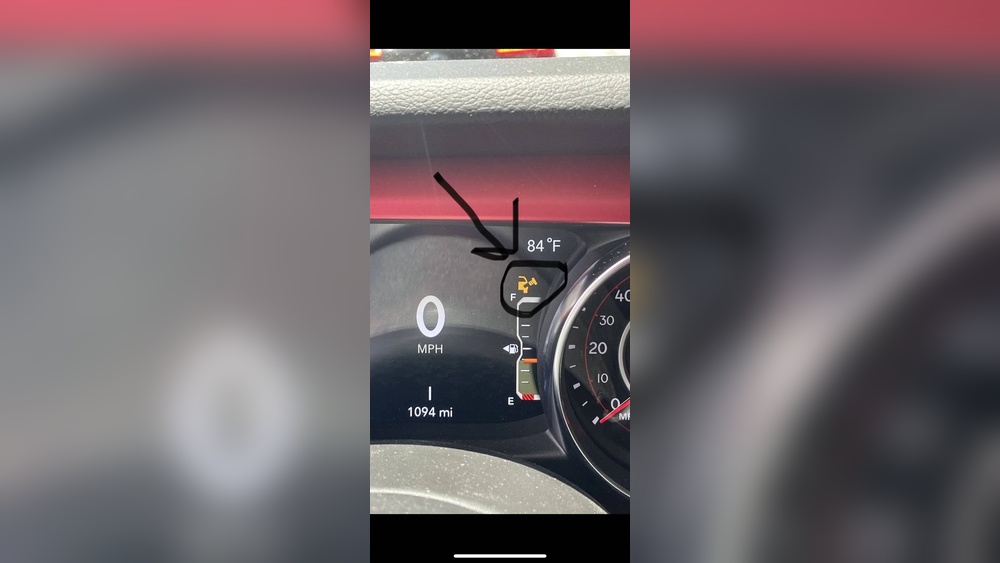
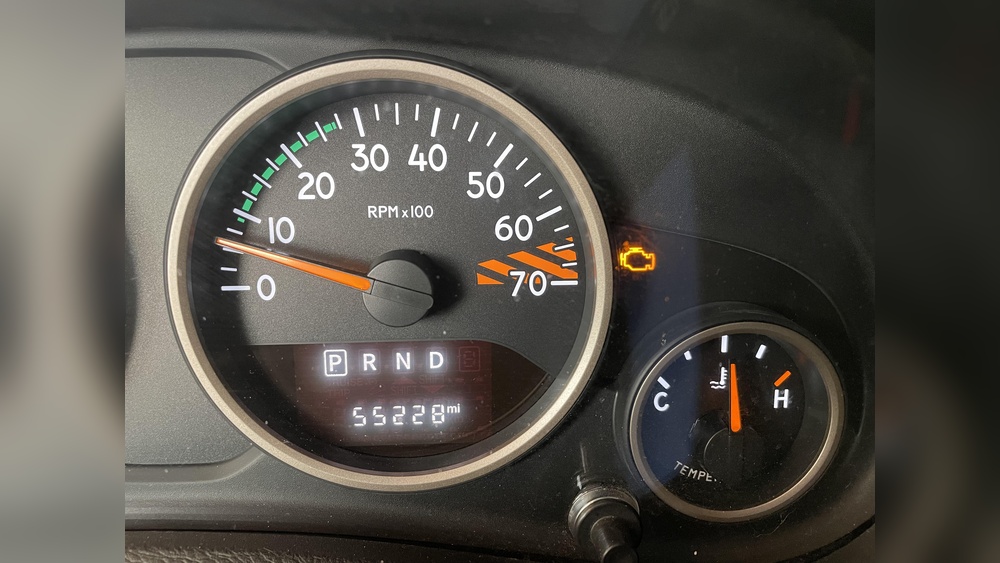
If your 2019 Jeep Wrangler’s check engine light just popped on, you’re probably wondering what it means and what you should do next. That little warning can feel alarming, but don’t panic.
The check engine light is your Jeep’s way of telling you that something isn’t quite right—whether it’s a simple fix like a loose gas cap or a sign of a bigger issue under the hood. Understanding why your Wrangler’s light is on and how to check for problems can save you time, money, and stress.
You’ll learn easy ways to diagnose the cause, what common issues trigger the light, and when it’s safe to keep driving. Keep reading to take control and get your Jeep back on the road with confidence.

Common Causes
The check engine light in a 2019 Jeep Wrangler often signals an issue under the hood. It alerts you that the onboard system has found a problem in the engine, emissions, or other key parts. Understanding common causes helps you act fast and avoid bigger issues. Some causes are simple, while others need a mechanic’s help.
Loose Or Faulty Gas Cap
A loose or damaged gas cap is a top reason for the check engine light. It allows fuel vapors to escape, triggering the warning. Tightening or replacing the cap often solves the problem. This fix is quick and easy, with no special tools needed.
Oxygen Sensor Issues
The oxygen sensor checks the exhaust gases to keep the engine running clean. A failing sensor sends wrong data to the computer. This causes poor fuel economy and higher emissions. Replacing a bad oxygen sensor restores engine efficiency and clears the light.
Ignition Misfires
Misfires happen when the engine’s cylinders don’t fire properly. This can cause rough running and trigger the check engine light. Causes include worn spark plugs or damaged ignition coils. Ignition misfires can damage your engine if left unchecked.
Faulty Spark Plugs And Coils
Spark plugs ignite the air-fuel mix in the engine. Coils send power to the plugs. When either fails, the engine runs poorly. This leads to misfires and triggers the check engine light. Regular replacement of plugs and coils keeps the engine smooth.
Emissions System Problems
Problems in the emissions system often cause the check engine light. These include issues with the catalytic converter or exhaust gas recirculation valve. Faulty parts cause the vehicle to pollute more and fail emissions tests. Repairing these parts restores proper function and turns off the light.

Immediate Diy Checks
The 2019 Jeep Wrangler check engine light can signal various issues. Some problems are simple and easy to check yourself. Performing immediate DIY checks helps identify minor faults. These checks save time and prevent unnecessary visits to the mechanic. Below are three quick steps to start with.
Inspect Gas Cap Tightness
Loose or damaged gas caps often cause the check engine light. Make sure the gas cap clicks tightly when you close it. A loose cap can let fuel vapors escape, triggering the warning. If the cap looks cracked or worn, replace it with a new one. After securing the cap, drive for a while to see if the light turns off.
Check For Visible Hose Damage
Look under the hood for any cracked or disconnected hoses. Vacuum or fuel hoses can wear out or break over time. Damaged hoses affect engine performance and cause sensor errors. Replace any hoses that look dry, cracked, or loose. Tighten clamps and connections to avoid leaks. This simple check can clear the engine light in some cases.
Monitor Engine Performance
Pay attention to how your Jeep runs after the light appears. Notice any rough idling, stalling, or loss of power. These signs can point to ignition or fuel system problems. If the engine runs smoothly, the issue might be minor. However, if performance drops, you might need professional help. Tracking these symptoms helps narrow down the cause of the warning light.
Retrieving Trouble Codes
When the check engine light illuminates on your 2019 Jeep Wrangler, the first step is to retrieve the trouble codes. These codes reveal which part of the vehicle is causing an issue. Knowing the codes helps you understand the problem and decide on the next steps.
Retrieving trouble codes can be simple and does not always require professional tools. You can use an OBD-II scanner or check codes manually. After getting the codes, interpreting them is key to fixing the problem quickly.
Using Obd-ii Scanner
An OBD-II scanner plugs into the Jeep’s diagnostic port, usually under the dashboard. Once connected, turn the ignition to the ON position without starting the engine. The scanner will communicate with the vehicle’s computer and display error codes.
This tool reads all stored codes and helps clear them after repairs. Scanners vary in price and features but even basic models provide essential information. Using a scanner saves time and avoids guesswork.
Reading Codes Without A Scanner
You can also read trouble codes without a scanner by using the Jeep’s built-in system. Insert the key and turn it to the ON position, but do not start the engine. Then, cycle the key ON and OFF a few times quickly.
The codes will flash on the dashboard or odometer display as a sequence of lights or numbers. Write down these codes carefully. This method is free and useful if you don’t have access to a scanner.
Interpreting Error Codes
Each trouble code starts with a letter followed by four digits. The letter shows the system: P for powertrain, B for body, C for chassis, and U for network. The digits pinpoint the exact problem.
For example, P0301 means a misfire in cylinder 1. Searching the code online or in a repair manual explains what the code means. Understanding codes helps you decide if a quick fix or professional help is needed.
Quick Fixes
The check engine light on a 2019 Jeep Wrangler can be alarming. Often, the problem behind it is simple and fixable at home. Quick fixes save time and avoid costly repairs. These easy steps can help turn off the warning light and get your Jeep back on the road.
Replacing A Snapped Hose
A snapped or cracked hose can cause engine issues and trigger the check engine light. Check the vacuum hoses and coolant lines for any visible damage. Replace any broken hoses with new ones. This repair is straightforward and can stop leaks that affect engine performance.
Tightening Or Replacing Gas Cap
A loose or damaged gas cap often causes the check engine light to come on. The gas cap keeps fuel vapors contained. Remove the cap and tighten it until it clicks. If it is cracked or worn, replace it with a new cap. This simple fix often resets the light quickly.
Swapping Faulty Spark Plugs
Bad spark plugs cause misfires and poor engine running. Check your spark plugs for wear or damage. Replace old or fouled plugs with new ones. Fresh spark plugs help the engine run smoothly and can turn off the check engine light caused by ignition problems.
Resetting The Check Engine Light
After repairs, the check engine light may stay on. Use an OBD-II scanner to clear the error codes and reset the light. If you do not have a scanner, disconnect the battery for about 15 minutes. This can reset the vehicle’s computer and turn off the light. Drive your Jeep to see if the light returns.
When To See A Professional
Knowing when to see a professional for your 2019 Jeep Wrangler’s check engine light is crucial. Some issues are simple and can be fixed at home. Others need expert attention to avoid bigger problems. This section helps you decide when to visit a mechanic.
Persistent Check Engine Light
A check engine light that stays on after basic checks means trouble. It signals a problem that won’t go away on its own. Persistent lights often point to deeper engine or sensor issues. Visit a professional to diagnose the exact cause quickly.
Complex Engine Or Transmission Issues
Sometimes, the check engine light means complex engine or transmission problems. These systems are complicated and need special tools to fix. Attempting repairs without knowledge may cause more damage. A skilled technician has the right equipment to handle these issues safely.
Emissions Test Failures
Failing an emissions test may trigger the check engine light. This means your Jeep is releasing more pollutants than allowed. A professional can find and fix the emission system faults. Fixing these problems keeps your Jeep legal and better for the environment.
Driving With The Light On
Seeing the check engine light on your 2019 Jeep Wrangler can cause worry. It means the vehicle’s computer found an issue. Driving with this light on requires caution. You need to understand how serious the problem might be and how to respond safely.
Assessing Severity
Not all check engine lights mean urgent trouble. A steady light often signals a minor problem. A flashing light usually points to a severe issue. This might damage the engine or emissions system quickly. Listen for strange noises or notice poor performance. These signs can help judge the problem’s seriousness.
Safe Driving Tips
Drive gently if the light is steady. Avoid heavy acceleration or towing. Keep engine speed low and avoid steep hills. Check fuel cap tightness as it can trigger the light. Reduce driving distance and speed to limit damage. Watch gauges for overheating or low oil pressure. Plan to have your Jeep checked soon.
When To Stop Driving
Stop immediately if the light flashes or the Jeep runs rough. Engine knocking or loss of power means serious trouble. Pull over safely and turn off the engine. Continuing to drive can cause major damage or breakdown. Call for roadside assistance or tow the vehicle to a repair shop. Early action can save costly repairs.
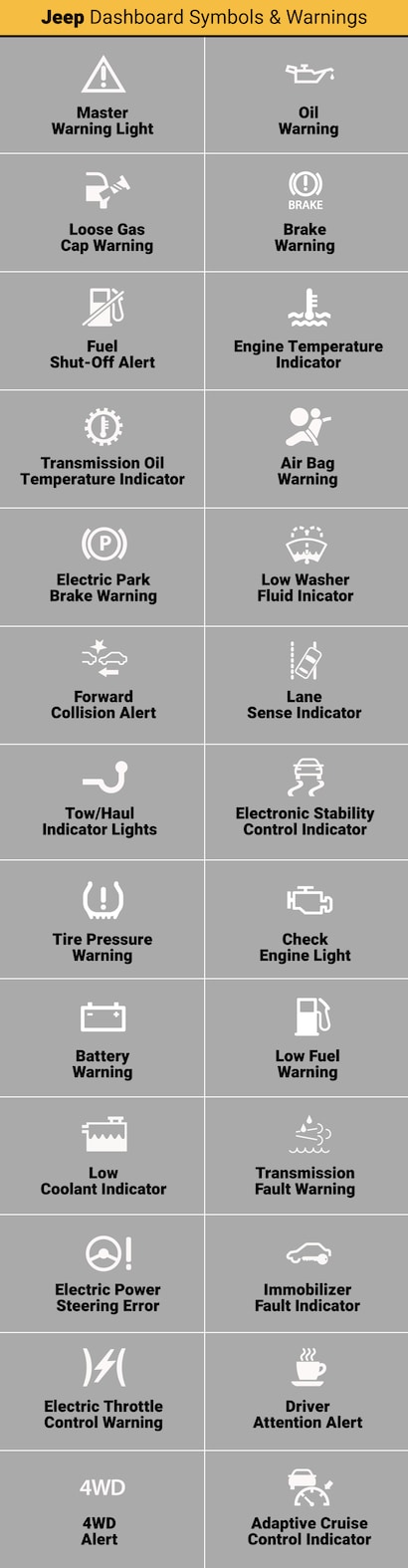
Frequently Asked Questions
What Is The Most Common Check Engine Light On A Jeep Wrangler?
The most common Jeep Wrangler check engine light indicates issues like a loose gas cap, failing oxygen sensor, or ignition coil problems.
How Serious Is A Solid Check Engine Light?
A solid check engine light signals a detected engine or emissions problem. It can indicate serious issues needing prompt attention. Avoid driving long distances until a diagnostic check identifies the exact cause. Addressing it early prevents costly repairs and ensures vehicle safety and performance.
How To Reset Check Engine Light On A 2019 Jeep Wrangler?
To reset the check engine light on a 2019 Jeep Wrangler, use an OBD-II scanner to clear codes. Alternatively, disconnect the battery for 15 minutes to reset the system. Ensure any issues causing the light are fixed before resetting to prevent recurrence.
Can I Still Drive My Car If The Check Engine Light Just Came On?
You can drive briefly if the check engine light just came on. Avoid heavy acceleration and get the car checked soon to prevent damage.
Conclusion
The 2019 Jeep Wrangler check engine light warns about engine or emission issues. Simple checks like tightening the gas cap can help. Reading the trouble codes gives clues to the problem. Some causes need expert care, such as oxygen sensor or ignition faults.
Don’t ignore the light, as it protects your vehicle’s health. Early action keeps your Jeep running smoothly and safely. Stay calm, check codes, and fix problems quickly to avoid bigger repairs.