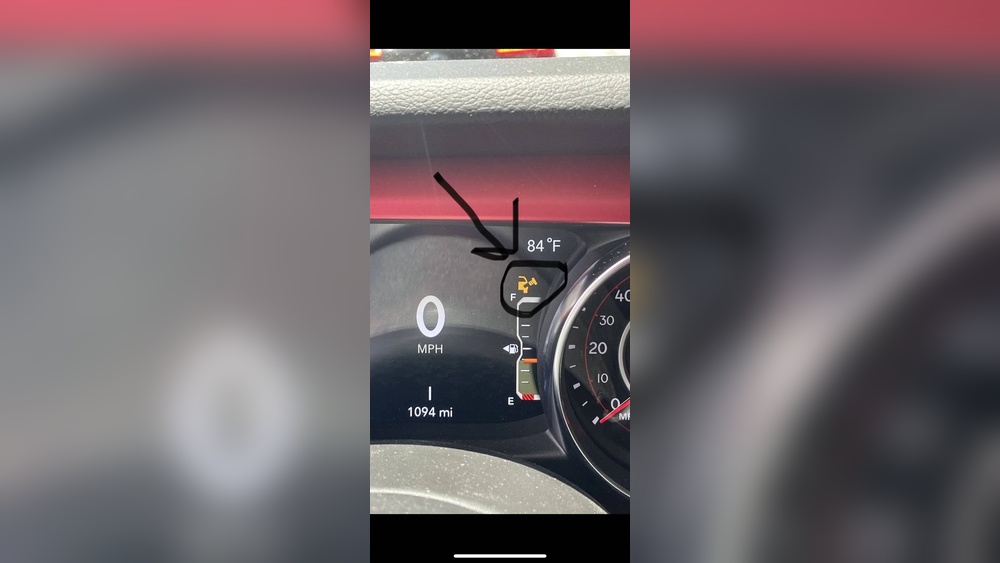
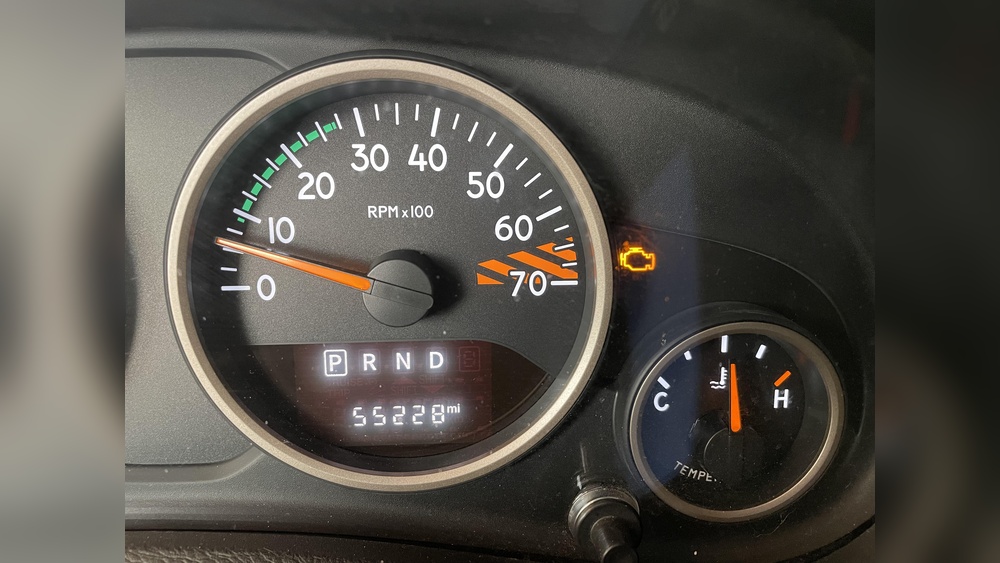
If your Jeep’s Check Engine Light just came on and the code reads P0700, you’re probably wondering what it means and what to do next. This code signals that your Transmission Control Module (TCM) has detected a problem with your transmission system.
Ignoring it could lead to rough shifting, poor performance, or worse—costly repairs. But don’t worry, understanding the common causes and how to diagnose P0700 can save you time and money. Keep reading to learn exactly what triggers this code, how to spot the warning signs, and the simple steps you can take to get your Jeep shifting smoothly again.

P0700 Code Basics
The P0700 code signals a transmission control system issue in your Jeep. This code activates the Check Engine Light to alert you. Understanding the basics helps you know what is happening under the hood. It points to a problem detected by the Transmission Control Module (TCM).

This code does not reveal the exact fault. Instead, it shows that the TCM found an error in the transmission system. Proper diagnosis requires reading the specific transmission codes with a scan tool. P0700 acts like a warning flag for transmission troubles.
What Triggers P0700
The P0700 code triggers when the TCM detects a transmission fault. Common causes include low or dirty transmission fluid. Faulty sensors or solenoids inside the transmission can also trigger it. Wiring problems like loose or damaged connectors often cause signal loss. Sometimes, the TCM itself may have an internal failure or cracked solder joints.
Transmission slipping, delayed shifting, or erratic gear changes often accompany this code. The system may enter limp mode to protect the transmission from damage. Detecting these triggers early helps prevent costly repairs.
Role Of The Transmission Control Module
The Transmission Control Module monitors transmission performance constantly. It uses sensors to check speed, fluid pressure, and gear position. The TCM controls shift timing and solenoid activation for smooth gear changes. When it detects a problem, it stores a fault code and turns on the Check Engine Light.
This module communicates with the vehicle’s main computer to regulate transmission functions. It protects the transmission by limiting operation under faulty conditions. Repairing or replacing a bad TCM is crucial for restoring normal transmission behavior.
Common Jeep Causes
The Jeep DTC P0700 code signals a problem with the transmission control system. This code appears when the Transmission Control Module (TCM) detects an issue. Several common causes can trigger this code in Jeep vehicles. Understanding these causes helps in identifying the right fix quickly.
Low Or Contaminated Transmission Fluid
Transmission fluid plays a key role in smooth shifting. Low fluid levels can cause poor pressure, leading to shifting problems. Contaminated or old fluid loses its effectiveness and can damage transmission parts. Checking and replacing the fluid helps prevent the P0700 code.
Faulty Transmission Control Module
The TCM is the brain of the transmission system. A faulty TCM can misread signals or fail to send commands. This may happen due to internal failures or cracked solder joints. Replacing or repairing the TCM often resolves the code.
Sensor And Solenoid Issues
Sensors and solenoids control transmission functions like gear changes. Malfunctioning output shaft speed sensors or transmission range sensors cause errors. Defective shift solenoids may prevent proper gear engagement. Testing these parts ensures accurate diagnosis and repair.
Wiring And Connector Problems
Wiring connects the TCM to transmission parts. Damaged, corroded, or loose wires disrupt communication. Connectors can also become dirty or loose over time. Inspecting and repairing wiring and connectors restores proper signal flow and clears the code.
Symptoms To Watch For
The Jeep DTC P0700 code signals a transmission control system problem. Recognizing symptoms early helps avoid costly repairs. Watch closely for signs that your transmission may be failing. These symptoms often appear before the transmission completely breaks down.
Warning Lights And Alerts
The most common sign is the Check Engine Light turning on. Sometimes, a Transmission Warning Light also appears. These lights indicate the Transmission Control Module found a fault. Ignoring these alerts can lead to severe transmission damage. The lights may blink or stay on steadily. Always take these warnings seriously and check your vehicle promptly.
Shifting Problems And Transmission Behavior
Shifting issues are another key symptom of the P0700 code. You may notice harsh, delayed, or erratic shifts between gears. The transmission might slip or hesitate when changing gears. Sometimes, it stays stuck in one gear or shifts unexpectedly. These problems affect how smoothly your Jeep drives. Poor shifting can also cause a burning smell or strange noises. Address shifting problems quickly to prevent further damage.
Step-by-step Diagnosis
Diagnosing Jeep DTC P0700 requires a clear, step-by-step approach. This code signals a transmission control issue. Proper diagnosis helps avoid costly repairs. Follow each step carefully to identify the root cause. Start with simple checks and move to detailed tests. This method saves time and ensures accuracy.
Checking Transmission Fluid Condition
Begin by checking the transmission fluid. Warm the engine to normal temperature. Use the dipstick to remove some fluid. Look at the fluid’s color and smell. Healthy fluid is bright red or pink. Dark or burnt-smelling fluid signals trouble. Low fluid levels can cause shifting problems. Add fluid only if it matches the correct type. Dirty fluid often means a filter change is needed.
Inspecting Wiring And Connectors
Next, examine the wiring and connectors near the transmission. Look for broken, loose, or corroded wires. Check the connectors for dirt or damage. Clean connectors with electrical cleaner if dirty. Tighten any loose connections you find. Damaged wiring can cause signal loss. Replace wires or connectors if heavily damaged. This step prevents false codes and transmission issues.
Testing Sensors And Solenoids
Test the transmission sensors and solenoids for proper function. Common sensors include speed and range sensors. Use a multimeter to check sensor resistance and voltage. Inspect solenoids for sticking or failure. Faulty sensors send wrong data to the TCM. Replace any sensor or solenoid that fails testing. This ensures smooth shifting and transmission control.
Using A Scan Tool For Codes
Finally, connect a scan tool to your Jeep’s OBD-II port. Read stored transmission codes besides P0700. These codes provide detailed fault information. Clear codes after repair and test drive the vehicle. Monitor for code return or new issues. A scan tool helps confirm diagnosis and repair success. Keep the tool handy for ongoing transmission health checks.
Effective Repair Tips
The Jeep DTC P0700 indicates a transmission control issue. Quick and effective repair can prevent further damage. Focus on key areas to restore smooth driving and avoid costly repairs.
Fluid And Filter Replacement
Check the transmission fluid level first. Low or dirty fluid causes shifting problems. Replace the fluid if it looks dark or smells burnt. Change the filter to remove dirt and debris. Clean fluid and a new filter improve transmission health.
Fixing Wiring And Connectors
Inspect all wiring near the transmission. Look for broken, loose, or corroded wires. Clean dirty connectors to ensure good contact. Secure any loose wires to avoid signal loss. Proper wiring fixes many transmission errors.
Replacing Faulty Sensors Or Solenoids
Faulty sensors can send wrong signals to the control module. Test output shaft speed sensors and shift solenoids. Replace any sensor or solenoid that fails testing. New parts help the transmission shift correctly and smoothly.
Resetting The Transmission Control Module
Resetting the TCM clears error codes and resets settings. Disconnect the battery for a few minutes. Reconnect and start the Jeep to reset the module. This step can fix minor software glitches causing the P0700 code.

Preventing Future Issues
Preventing future issues with your Jeep’s transmission system helps you avoid costly repairs. Simple care steps keep the transmission healthy and extend its life. Early attention to fluid, wiring, and inspections stops problems before they start.
Regular Fluid Maintenance
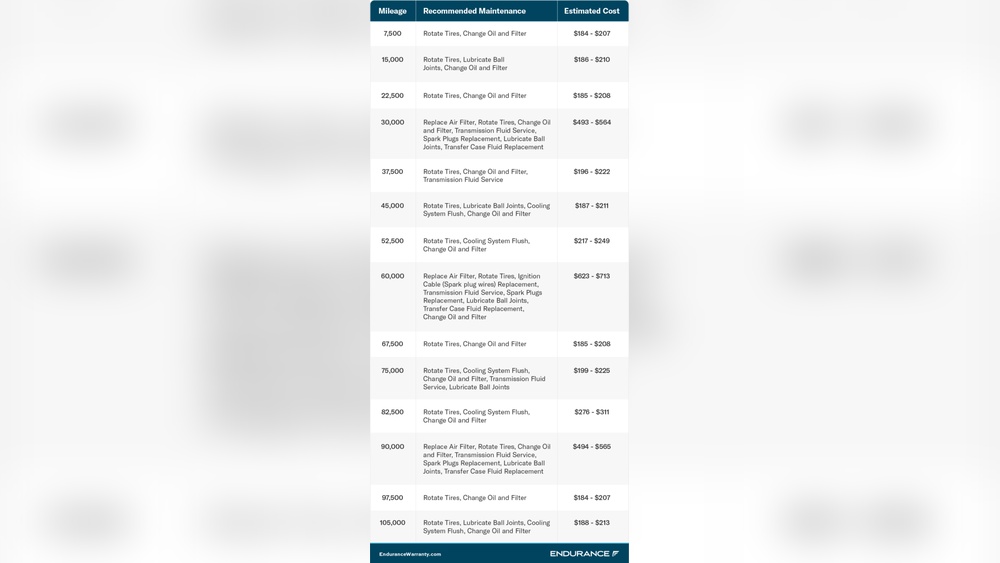
Transmission fluid lubricates and cools moving parts. Check the fluid level often and add more if it is low. Use the correct type of fluid recommended by Jeep. Change the fluid and filter according to the service schedule. Clean fluid helps the transmission work smoothly and avoid damage.
Protecting Wiring Harnesses
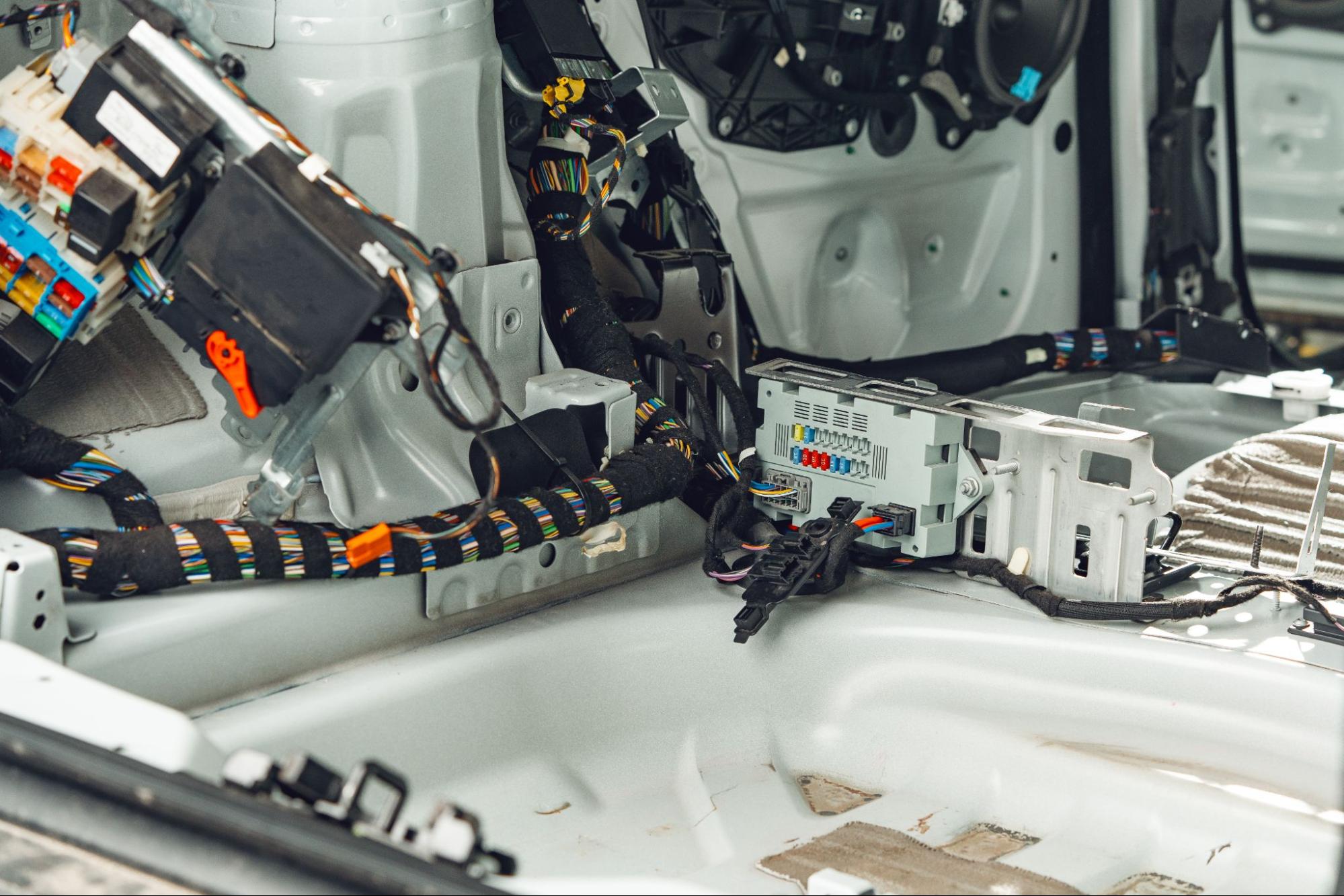
Wiring carries signals between the transmission and control module. Check wires for damage, corrosion, or loose connections. Secure wiring harnesses to prevent rubbing or pulling. Clean connectors to ensure good contact. Well-maintained wiring stops errors and keeps the transmission working well.
Routine Transmission Inspections
Have a mechanic inspect the transmission regularly. They can spot early signs of wear or leaks. Inspections include checking fluid condition, wiring, sensors, and solenoids. Early fixes prevent bigger problems and keep your Jeep shifting properly. Routine checks save money and stress over time.
When To Seek Professional Help
Knowing when to seek professional help for Jeep DTC P0700 can save you time and money. Some problems require expert attention beyond basic checks. Early intervention prevents bigger damage and costly repairs. Recognize the signs that demand a professional mechanic.
Complex Electronic Faults
The P0700 code signals issues with the transmission control system. Electronic faults inside the Transmission Control Module (TCM) can be complex. These faults often need specialized diagnostic equipment. Simple DIY fixes rarely resolve such problems. Professionals use advanced tools to pinpoint electronic failures accurately.
Major Transmission Repairs
Some transmission problems cause serious damage. Worn clutches or broken gears need expert repair. Major repairs involve disassembling the transmission. Such tasks require skill and experience. Attempting these repairs without knowledge can worsen the issue. Trust a certified mechanic for major transmission work.
Diagnostic Tools And Expertise
Professional mechanics have diagnostic tools that read detailed fault codes. These tools reveal hidden problems in the transmission system. They also test sensors, solenoids, and wiring thoroughly. Expertise allows them to interpret data correctly. This ensures the right repair strategy for your Jeep.
Frequently Asked Questions
How To Fix Transmission Code P0700?
To fix transmission code P0700, check and top off transmission fluid. Inspect and repair damaged wiring or connectors. Test and replace faulty sensors or solenoids. Reset the Transmission Control Module if needed. Seek professional help if the problem persists.
What Is The Most Common Reason For The Code P0700?
The most common reason for code P0700 is a Transmission Control Module (TCM) malfunction. It signals a transmission-related issue needing attention.
How Much To Fix Code P0700?
Fixing code P0700 typically costs between $150 and $600. Costs vary by issue severity and labor rates.
Does P0700 Always Mean A New Transmission?
P0700 signals a transmission control module fault, not always a new transmission. Issues often involve sensors, wiring, or fluid problems.
Conclusion
The Jeep DTC P0700 code signals transmission trouble. Checking fluid levels and wiring helps find issues fast. Fixing sensors or replacing faulty parts restores smooth shifting. Ignoring the code may cause more damage and costly repairs. Staying aware keeps your Jeep running safely and reliably.
Regular maintenance prevents unexpected problems on the road. Trust your vehicle’s signals to avoid bigger headaches later.