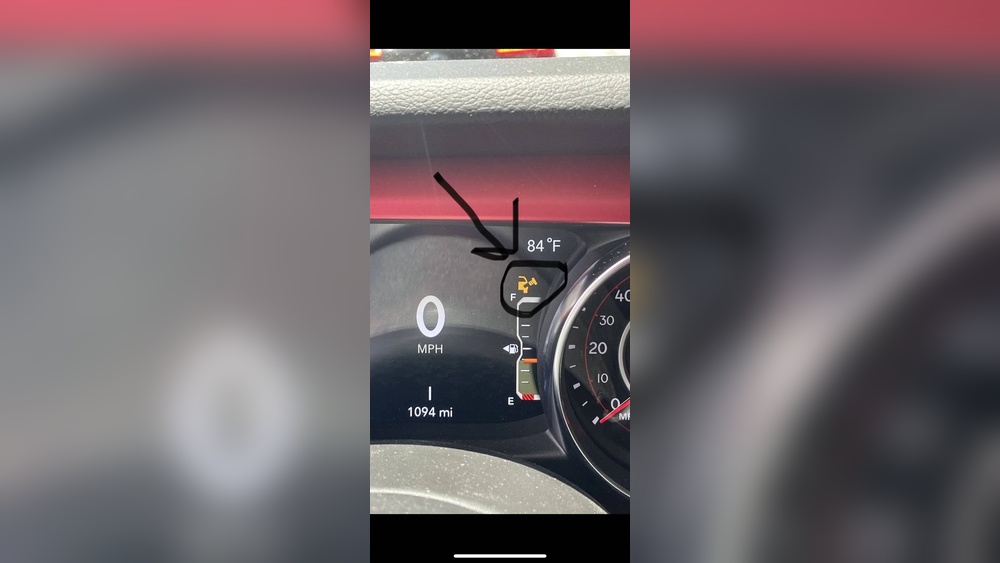
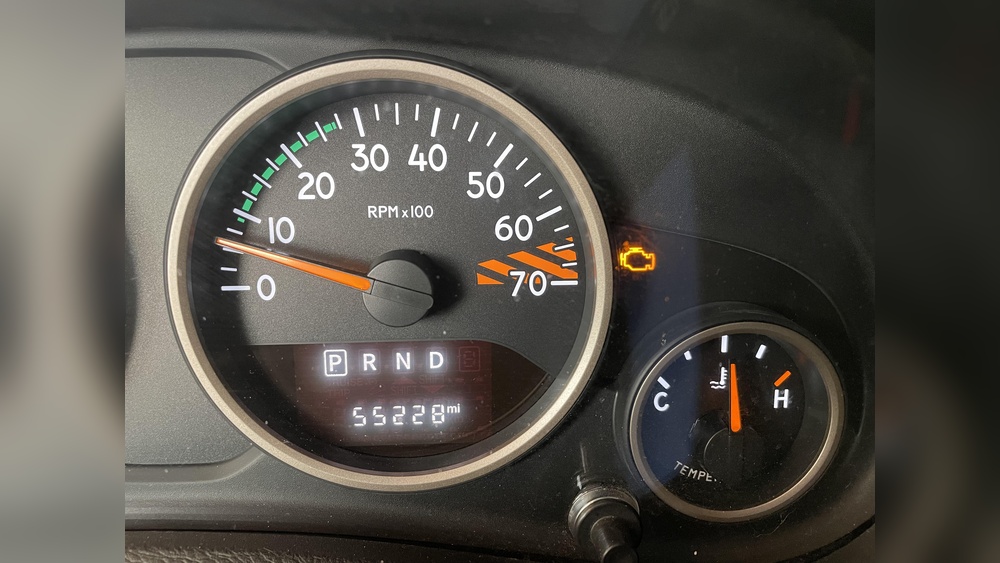
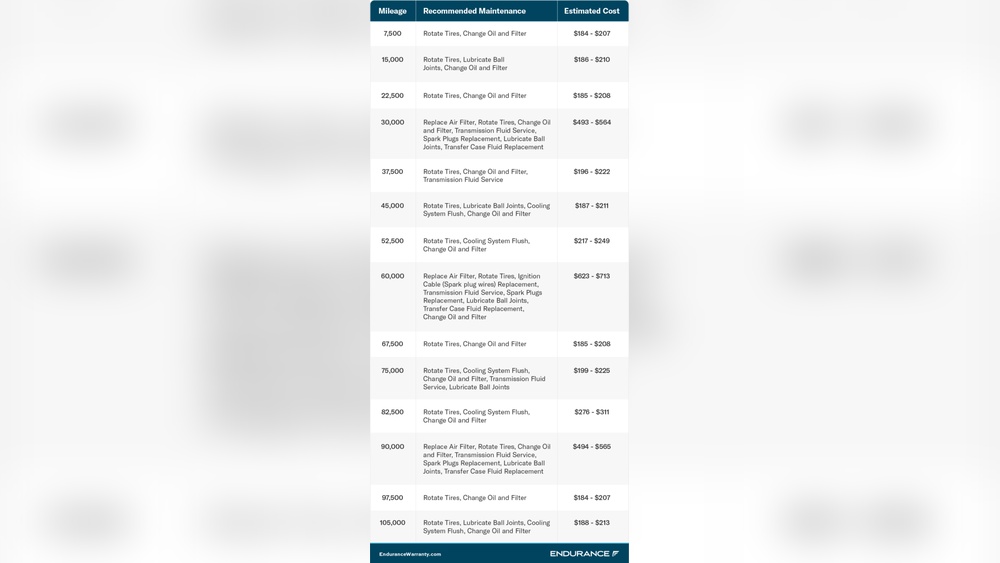
If you’ve ever seen the P2181 code pop up on your Jeep’s dashboard, you know it can be confusing and frustrating. This code points to a problem with your engine’s cooling system, and ignoring it could lead to bigger issues down the road.
But don’t worry—you’re in the right place to understand exactly what P2181 means, why it happens, and what you can do to fix it. Keep reading to learn how to keep your Jeep running smoothly and avoid costly repairs. Your Jeep deserves the best care, and so do you.

P2181 Code And Jeep Engines
The P2181 code is a common issue for Jeep owners. It signals a problem with the engine’s coolant temperature sensor. This sensor plays a key role in managing engine temperature. When it fails, the engine control module (ECM) cannot get accurate temperature data. This causes the P2181 code to appear in Jeep engines.
Jeep engines rely on precise temperature readings to run smoothly. The P2181 code indicates the sensor reports a temperature that is too low or too high. This confuses the engine’s fuel and ignition systems. Recognizing this code early helps prevent bigger engine problems.
What Triggers P2181
The P2181 code triggers when the engine coolant temperature sensor shows a temperature below the normal range. This often happens during warm-up or steady driving. A stuck thermostat or a faulty sensor usually causes this. Wiring issues or poor connections can also trigger the code. Dirt or corrosion on the sensor may affect its readings too.
Impact On Engine Performance
When the P2181 code activates, the engine may run rich or lean. This leads to rough idling and poor fuel economy. The engine might hesitate or stall during acceleration. Cold starts can become difficult or uneven. Long-term driving with this code can damage the engine and reduce its lifespan.
Coolant Temperature Sensor Role
The coolant temperature sensor plays a vital role in your Jeep’s engine health. It monitors the engine’s temperature by measuring the coolant’s heat. The sensor sends this data to the engine control unit (ECU). The ECU uses this information to adjust the fuel injection and ignition timing. This helps the engine run efficiently and prevents overheating.
Without accurate temperature readings, the engine may consume more fuel or run too hot. This can cause damage over time. The sensor also helps control the cooling fans and temperature gauge on your dashboard. It ensures your Jeep stays within a safe operating temperature range.
Sensor Location And Function
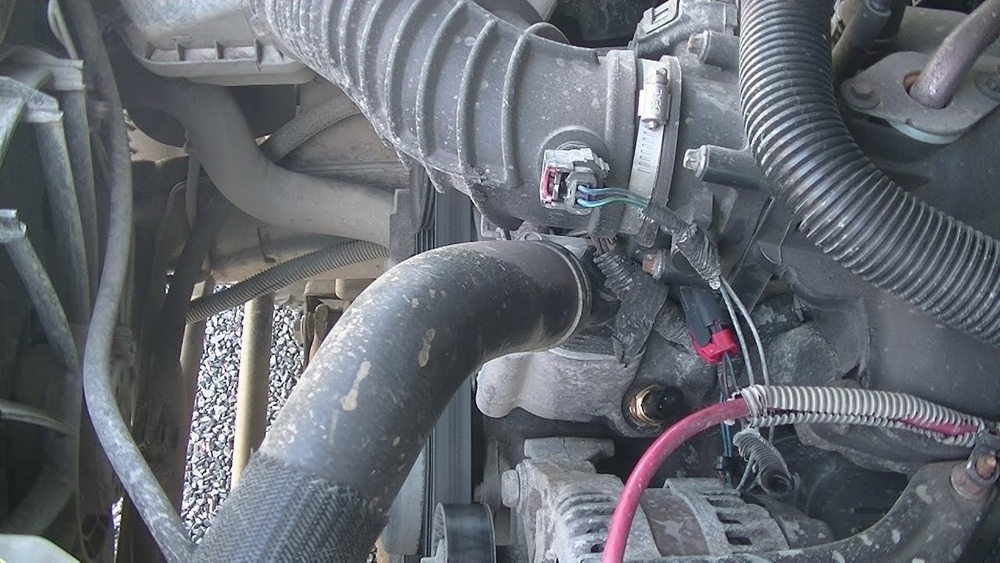
The coolant temperature sensor is usually located near the thermostat housing. This position allows it to measure the temperature of the coolant as it leaves the engine. In most Jeep models, it sits on the cylinder head or engine block. The sensor detects temperature changes and sends a voltage signal to the ECU.
The ECU reads this voltage to understand the engine’s current temperature. If the engine is cold, the ECU enriches the fuel mixture for smooth startup. When the engine warms up, the ECU leans out the mixture to save fuel. The sensor also helps control the radiator fan to keep the engine cool.
Common Sensor Failures
Coolant temperature sensors can fail due to age or exposure to heat and coolant. A common failure is a short circuit or open circuit inside the sensor. This causes wrong temperature readings or no signal to the ECU. Faulty sensors may lead to poor fuel economy or rough idling.
Symptoms of sensor failure include fluctuating temperature gauge readings and the check engine light turning on. The engine may run too rich or too lean, causing performance issues. Sometimes, the cooling fan may run constantly or not at all. Replacing a faulty sensor restores proper engine temperature control.
Thermostat Issues And Effects
The thermostat plays a key role in managing your Jeep’s engine temperature. When it malfunctions, the engine can face serious problems. Thermostat issues often trigger the P2181 Jeep trouble code. This section explains common thermostat problems and their effects.
Symptoms Of A Faulty Thermostat
A faulty thermostat causes several noticeable symptoms. The engine temperature gauge may jump up and down or stay too low. The heater inside the cabin might blow cold air instead of warm. You might see the Check Engine Light come on. These signs indicate the thermostat may be stuck open or closed.
How Thermostat Affects Engine Temperature
The thermostat regulates coolant flow to keep the engine at the right temperature. When stuck open, coolant flows constantly, making the engine run too cold. This lowers fuel efficiency and causes rough running. If stuck closed, the engine overheats quickly. Overheating can cause severe engine damage. Proper thermostat function is vital for engine health and performance.
Diagnosing The P2181 Code
The P2181 code in a Jeep signals a problem with the cooling system’s temperature sensor. This error can cause poor engine performance and affect fuel efficiency. Diagnosing this code quickly helps avoid further damage to the engine.
Understanding the cause requires accurate tools and a clear process. Testing the sensor and related parts reveals if replacement or repair is necessary. Below are the key steps and tools to diagnose the P2181 code effectively.
Tools For Troubleshooting
A good scan tool or OBD-II reader is essential to read the P2181 code. This device provides live data from the engine control unit. A multimeter helps check the sensor’s electrical resistance and voltage. Basic hand tools like screwdrivers and wrenches are needed to access the sensor. A repair manual or guide specific to the Jeep model helps identify sensor location and specifications.
Step-by-step Diagnostic Process
Start by connecting the scan tool to the vehicle’s diagnostic port. Read the trouble codes and note any related codes. Check the engine coolant temperature sensor wiring for damage or corrosion. Use the multimeter to test the sensor’s resistance against the manual’s specifications. Inspect the thermostat and coolant level to rule out other issues. Clear the codes and run the engine to see if the P2181 returns. Replace the sensor if tests show it is faulty or out of range.
Thermostat Replacement Tips
Replacing the thermostat in your Jeep can solve common engine temperature problems. A faulty thermostat often causes the P2181 error code. Proper replacement helps keep your engine running smoothly. Follow these simple tips to ensure a successful thermostat swap.
Choosing The Right Thermostat
Pick a thermostat designed specifically for your Jeep model. Check the temperature rating matches your engine’s needs. Use OEM parts or high-quality aftermarket options. Avoid cheap thermostats that can fail quickly. A correct thermostat maintains proper engine temperature and prevents overheating.
Installation Best Practices
Drain the coolant before removing the old thermostat to avoid spills. Clean the housing thoroughly to remove old gasket material. Use a new gasket or sealant to prevent leaks. Tighten bolts evenly and to the manufacturer’s torque specs. Refill the cooling system with fresh coolant and bleed air properly. Start the engine and check for leaks and correct temperature readings.
Cooling System Maintenance
Maintaining the cooling system in your Jeep is vital to keep the engine running smoothly. The cooling system controls engine temperature and prevents overheating. Regular maintenance avoids costly repairs and engine damage.
Simple steps like checking coolant levels and cleaning parts help the cooling system work well. Proper care extends your Jeep’s life and improves performance on the road.
Checking Coolant Levels
Check coolant levels when the engine is cold. Open the hood and locate the coolant reservoir. The level should be between the “Min” and “Max” marks. Low coolant can cause the engine to overheat.
Use the right coolant type recommended for your Jeep. Avoid mixing different coolants. Top off the reservoir if the level is low. Watch for leaks or puddles under your vehicle.
Cleaning And Inspecting Components
Inspect the radiator, hoses, and clamps for damage or wear. Dirt and debris can block airflow and reduce cooling. Clean the radiator fins gently with a soft brush or compressed air.
Check hoses for cracks or leaks. Replace any worn or damaged parts promptly. A clean and sound cooling system keeps your Jeep running at the right temperature.
Addressing Evap System Leaks
The P2181 Jeep code often points to issues in the EVAP system. Leaks in this system cause fuel vapors to escape. This impacts engine performance and triggers the check engine light. Addressing EVAP system leaks is crucial for smooth driving. It helps maintain fuel efficiency and reduces harmful emissions.
Common Leak Points In Jeep
Leaks usually occur at specific spots in the EVAP system. The gas cap is the most frequent leak point. A loose or damaged cap lets vapors escape easily. Other common leak areas include the charcoal canister and purge valve. Cracked or worn hoses also cause leaks. These points need regular inspection to prevent EVAP issues.
Repairing Pcv Tubing And Grommets
PCV tubing and grommets often develop cracks or wear out. This creates small leaks that affect the EVAP system. Replacing damaged tubing restores the seal and stops vapor loss. Grommets can become brittle and crack over time. Swapping out old grommets ensures tight connections. Proper repair keeps the system airtight and engine running well.
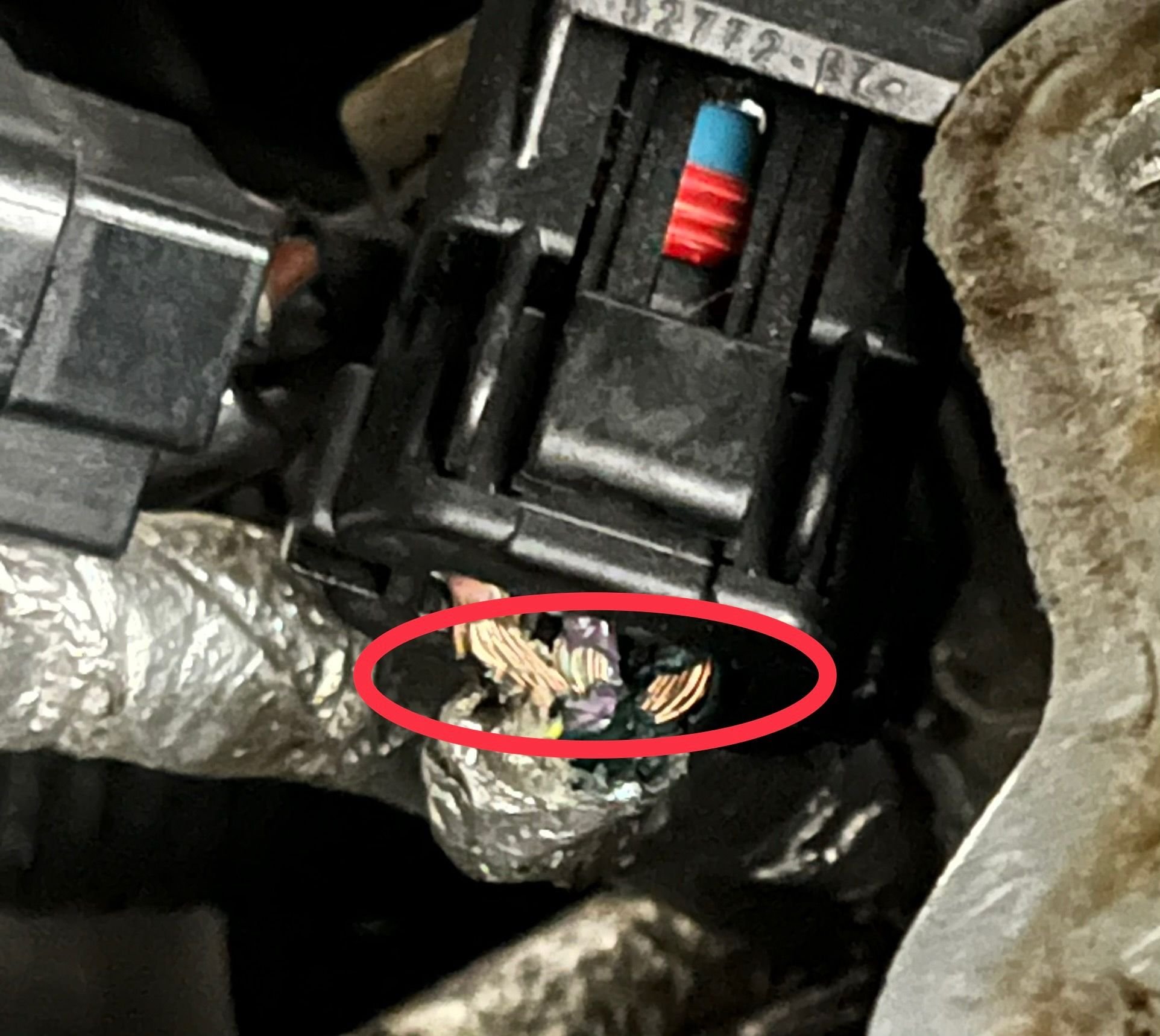
Handling Engine Temperature Fluctuations
Engine temperature fluctuations in your Jeep can affect performance and comfort. Managing these changes helps avoid engine damage and keeps your ride smooth. Understanding how to spot and handle issues is crucial for Jeep owners. This section covers key points to monitor and maintain engine temperature.
Identifying Temperature Gauge Issues
The temperature gauge shows your engine’s heat level. Sudden jumps or drops mean a problem. A stuck thermostat often causes false readings. Sensor faults can also send wrong signals to the gauge. Watch for erratic needle movement or overheating warnings. These signs point to the need for inspection or repair.
Cabin Heater Performance And Engine Health
The cabin heater depends on engine heat. If the heater blows cold air, the engine may not warm up properly. A thermostat stuck open lets coolant flow too much, lowering engine temperature. This affects heater output and fuel efficiency. Checking heater performance helps detect temperature control issues early. Proper engine heat keeps your Jeep reliable and comfortable.
Preventing Head Gasket Damage
Preventing head gasket damage in your Jeep is essential for keeping your engine healthy. The head gasket seals the engine block and cylinder head, stopping leaks and maintaining pressure. Damage to this gasket can lead to costly repairs and poor engine performance. Detecting problems early helps avoid serious issues and extends your Jeep’s life.
Signs Of Head Gasket Failure
Watch for white smoke from the exhaust. This often means coolant is burning in the engine. Overheating is another clear sign. The engine temperature rises quickly and stays high. You may notice coolant loss without visible leaks. The engine may run rough or misfire. Look for milky oil, which shows coolant mixing with oil.
Early Interventions
Check your coolant level regularly and top it off if low. Keep an eye on the temperature gauge for sudden changes. Fix overheating issues immediately to prevent gasket damage. Replace old or worn hoses and clamps to stop leaks. Use the right coolant and change it as recommended. Have a mechanic inspect your engine if you see any warning signs.
Boosting Engine Performance Post-fix
Fixing the P2181 code in your Jeep is just the first step. To truly boost engine performance, you must focus on key areas that keep your vehicle running smoothly. Proper care and attention after the fix can improve power, fuel efficiency, and engine life. Small actions make a big difference in how your Jeep performs daily.
Optimizing Cooling Efficiency
The cooling system controls your engine’s temperature. A well-functioning cooling system prevents overheating and helps your engine run at the right temperature. Check the thermostat for proper operation. Replace it if stuck open or closed. Ensure coolant levels are full and clean. Flush the cooling system regularly to remove buildup. Inspect hoses and radiator for leaks or damage. A healthy cooling system supports steady engine performance and avoids P2181 code returns.
Maintaining Sensor Accuracy
Engine sensors provide critical data for performance. The coolant temperature sensor must send correct readings to the engine control unit. Dirt, corrosion, or wiring issues can affect sensor accuracy. Clean sensor connectors and inspect wires often. Replace faulty sensors promptly. Use a multimeter to test sensor resistance. Accurate sensors help manage fuel delivery and ignition timing. Keeping sensors in good shape keeps your Jeep running efficiently and reduces engine trouble codes.
Conclusion
The P2181 code in your Jeep points to a cooling system issue. Fixing it helps your engine run at the right temperature. Watch for signs like the check engine light or temperature changes. Replacing a faulty thermostat often solves the problem.
Regular checks keep your Jeep safe and efficient. Don’t ignore warning signs to avoid bigger repairs later. Stay on top of maintenance to enjoy smooth Jeep rides every time.