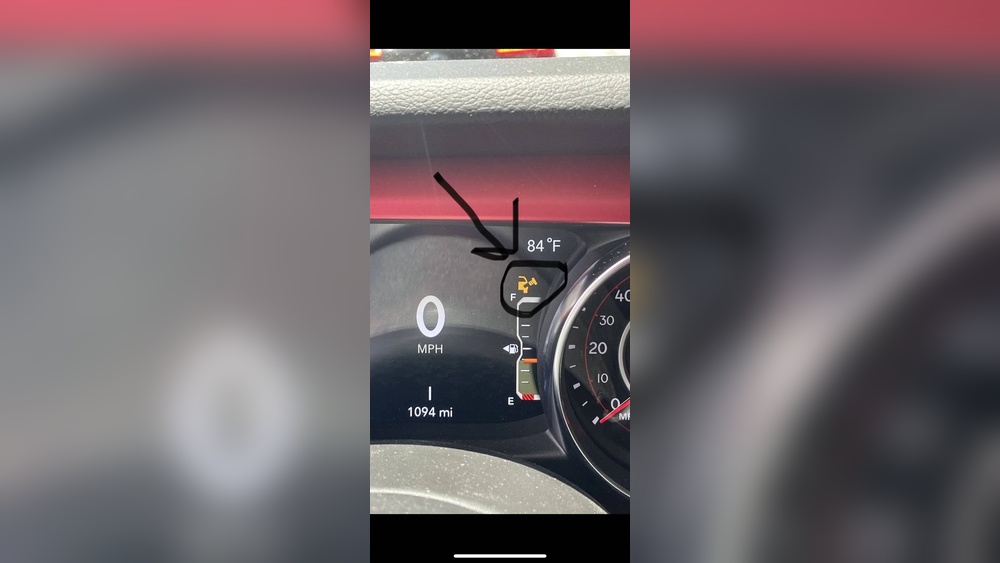
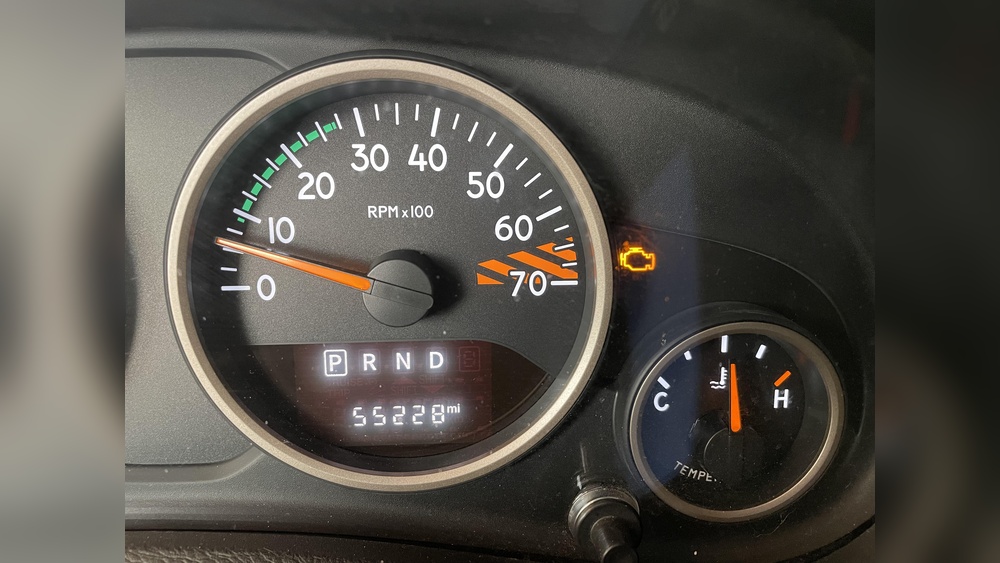
If you’ve ever seen the P0456 code pop up on your Jeep’s dashboard, you might be wondering what it means and how serious it is. This code points to a small leak in your vehicle’s EVAP system, which handles fuel vapor emissions.
While it might sound technical, understanding this code is crucial because ignoring it can lead to bigger problems down the road. You’ll learn exactly what triggers the P0456 Jeep code, how to spot common causes, and simple steps you can take to fix it yourself or know when to call a pro.
Keep reading to protect your Jeep and keep it running smoothly.
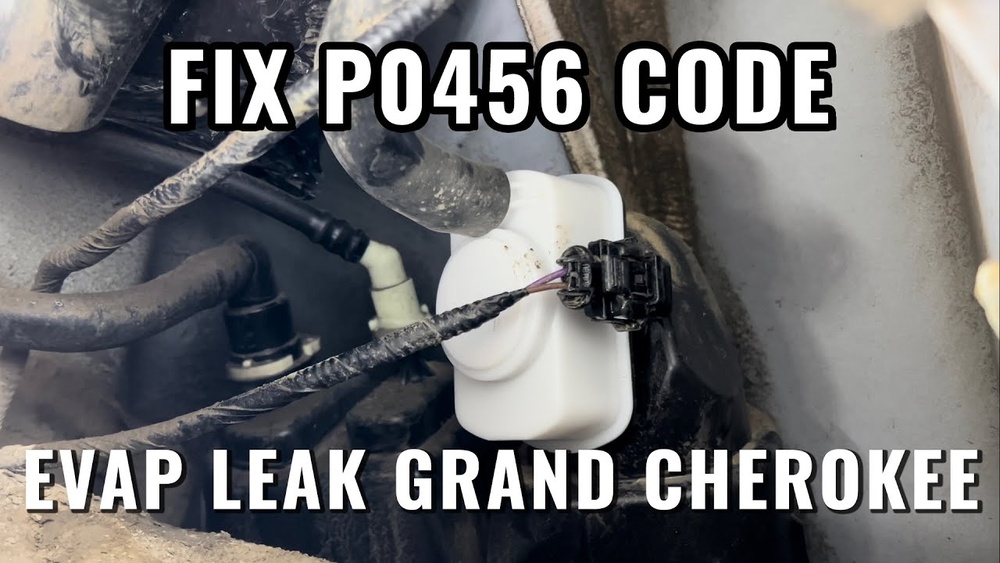
P0456 Code Basics
The P0456 code is a common diagnostic trouble code for Jeep vehicles. It signals a small leak in the EVAP (Evaporative Emission Control) system. This system stops fuel vapors from escaping into the air. Understanding the basics of this code helps Jeep owners catch issues early. Fixing the problem can save money and reduce harmful emissions.
What Triggers P0456
The most frequent cause is a loose or faulty gas cap. Dirt, cracks, or worn seals on the cap can let vapors escape. Small cracks or holes in EVAP hoses also trigger this code. Sometimes, a bad purge valve or vent solenoid causes leaks. The vehicle’s computer detects these leaks and stores the P0456 code.
Symptoms To Watch For
The Check Engine Light often turns on with this code. A strong smell of gasoline around the vehicle is common. Fuel economy may drop slightly. Some drivers notice rough idling or hesitation during acceleration. Usually, the car runs normally, so symptoms can be subtle.
Why It Matters
Even a small EVAP leak can harm the environment. Fuel vapors contribute to air pollution and smog. Ignoring this code can cause failed emissions tests. Over time, leaks may worsen and cause more damage. Early repair keeps your Jeep running clean and efficient.
Common Causes
The P0456 Jeep code signals a small leak in the evaporative emission control system. This system prevents fuel vapors from escaping into the air. Several parts can cause this code to appear. Most problems stem from simple issues. Identifying the cause helps fix the problem quickly and cheaply.
Faulty Gas Cap
A gas cap that is loose or damaged often causes the P0456 code. The rubber seal inside the cap can dry out or crack over time. Dirt and grime can also prevent a tight seal. This lets fuel vapors escape, triggering the error code. Checking the gas cap is the easiest first step.
Cracked Evap Hoses
EVAP hoses carry fuel vapors from the tank to the engine. These rubber hoses can crack, break, or loosen. Heat and age wear them down. A small crack or hole lets vapors leak out. Inspecting the hoses for damage is important. Replacing cracked hoses stops the leak.
Bad Purge Valve
The purge valve controls vapor flow from the EVAP system to the engine. If it sticks open or fails, vapors escape. A bad valve causes the P0456 code. Testing the valve function finds this issue. Swapping out a faulty purge valve fixes the leak.
Leaking Canister
The charcoal canister stores fuel vapors before burning them. It can develop cracks or holes. Damage comes from age or impact. A leaking canister lets vapors escape into the air. Checking the canister for cracks is key. Replacing a damaged canister solves the problem.
Diy Inspection Tips
DIY inspection is a great way to spot problems causing the P0456 Jeep code. This code means there is a small leak in the EVAP system. The EVAP system stops fuel vapors from escaping. Checking some simple parts can save time and money. Here are easy steps to inspect your Jeep yourself.
Checking The Gas Cap
Start with the gas cap. A loose or damaged gas cap often triggers the P0456 code. Remove the cap and check the rubber seal. Look for cracks, dirt, or wear. Clean the seal with a cloth if dirty. Tighten the gas cap firmly when closing. If the cap is cracked or worn, replace it. A good seal is key to preventing leaks.
Inspecting Hoses And Connections
Next, check the EVAP hoses under the hood and near the fuel tank. These hoses carry fuel vapors to the canister. Look for cracks, holes, or loose connections. Gently squeeze the hoses to check for brittleness. Replace any damaged or brittle hoses. Make sure all clamps and fittings are tight. A small crack can cause the P0456 code.
Spotting Canister Issues
The charcoal canister stores fuel vapors before they are sent to the engine. Inspect the canister for cracks or damage. Check the connections to the canister for tightness. Look for any signs of fuel or vapor leaks around the canister. If you see damage, the canister may need replacement. A faulty canister can cause leaks and trigger the code.
Quick Fixes
Fixing the P0456 Jeep code often starts with simple, quick steps. These fixes save time and money. They target common causes of small EVAP leaks. Many Jeep owners find these methods effective. Follow these easy repairs to clear the code fast.
Replacing The Gas Cap
A loose or damaged gas cap can trigger the P0456 code. The rubber seal may dry out or crack. Remove the old cap and inspect it carefully. Replace it with a new, tight-fitting gas cap. This fix often resolves the leak and resets the code.
Repairing Or Swapping Hoses
Check EVAP system hoses for cracks or loose connections. These rubber hoses degrade with heat and age. Swap out any damaged or worn hoses you find. Secure all hose clamps and fittings tightly. This stops vapor leaks and helps clear the error code.
Cleaning Or Replacing The Purge Valve
The purge valve controls fuel vapor flow. Dirt or faults can cause it to stick open. Remove the valve and clean it with an appropriate cleaner. If cleaning does not help, replace the valve with a new one. This repair restores proper vapor control and fixes the P0456 code.
When To Seek Help
Knowing when to seek help for a P0456 Jeep code is key to avoiding bigger problems. This code means there is a small leak in the EVAP system. Some fixes are simple, but others need expert skills and tools. Understanding the signs that require professional help can save time and money.
Complex Repairs
Some EVAP leaks are hard to find and fix. Parts like the fuel tank, canister, or valves may need replacement. These repairs need special tools and knowledge. Attempting these fixes without experience can cause more damage. It is best to call a mechanic for complex repairs.
Using Smoke Tests
Smoke tests help locate tiny leaks in the EVAP system. A machine pumps smoke into the system to find where it escapes. This test is safe and accurate. Mechanics use smoke tests to spot leaks that are invisible to the eye. If your Jeep shows a P0456 code, a smoke test can find the exact leak.
Professional Diagnostics
Professional diagnostics use computers to read error codes and sensor data. Mechanics can check the whole EVAP system quickly. They can tell if a sensor or valve is faulty. This helps avoid unnecessary parts replacement. Professional diagnostics provide clear answers and guide the repair process.
Preventive Care
Preventive care plays a crucial role in avoiding the P0456 Jeep code. This code signals a small leak in the EVAP system. Keeping the system well-maintained reduces the risk of leaks. Regular attention to key components helps your Jeep run smoothly. It also saves money on repairs and prevents emissions problems. Below are essential steps to maintain your EVAP system and fuel components.
Regular Evap System Checks
Check the EVAP system often for cracks and loose parts. Inspect hoses, connectors, and the gas cap seal. Use a flashlight to spot damage or wear. Replace any damaged hoses or seals quickly. Clean the gas cap threads to ensure a tight fit. Small leaks often start in these easy-to-overlook areas. Catching problems early avoids triggering the P0456 code.
Maintaining Fuel System Components
Keep the fuel system clean and well-maintained. Use quality fuel to reduce residue buildup. Change the fuel filter as recommended by Jeep. Check the purge valve and vent solenoid for proper function. Replace faulty parts immediately to prevent leaks. A well-maintained fuel system lowers the chance of EVAP leaks. Regular service ensures all components work together smoothly.
Tips For Avoiding Future Leaks
Always tighten the gas cap until it clicks several times. Avoid over-tightening, which can damage the seal. Park your Jeep in a shaded area to prevent hose cracking. Inspect the EVAP system after off-road trips or rough drives. Use diagnostic tools to scan for codes regularly. Promptly address any warning lights or unusual smells. These habits help keep your Jeep’s EVAP system leak-free.
Conclusion
The P0456 Jeep code points to a small EVAP system leak. Check the gas cap first; a loose or damaged cap often causes this issue. Inspect EVAP hoses and valves for cracks or damage next. Fixing these problems early helps keep your Jeep running smoothly.
Don’t ignore the warning light; it can affect fuel efficiency. Regular checks save time and money in the long run. Understanding this code helps you maintain your Jeep better. Keep your vehicle safe and avoid costly repairs by addressing leaks promptly.