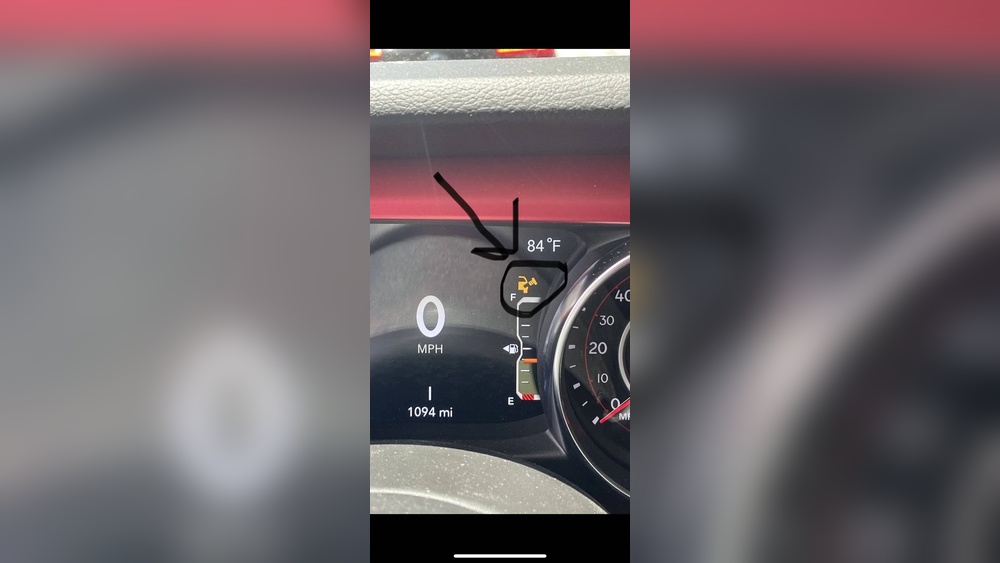
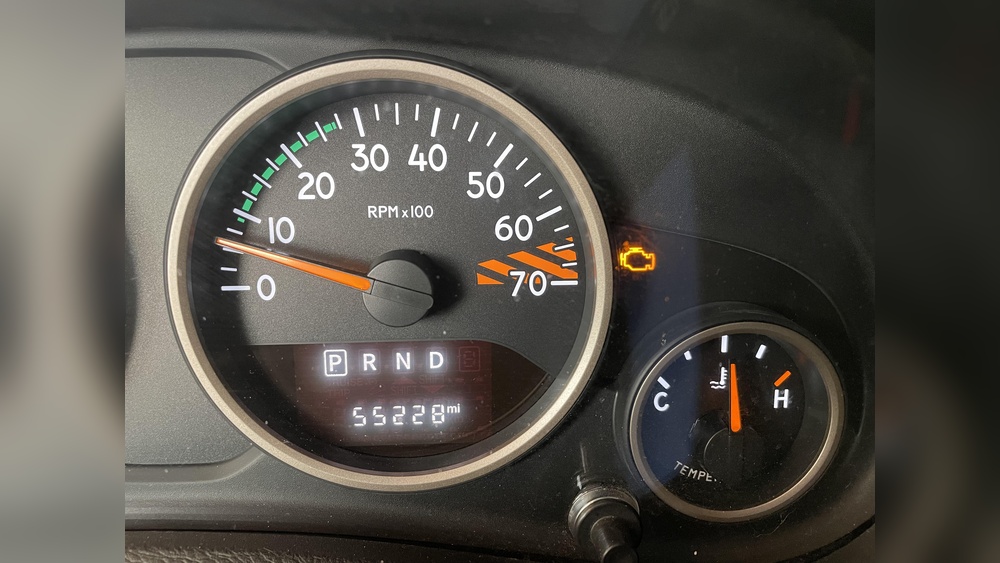
If the check engine light just popped on in your Jeep Grand Cherokee, you might be feeling a mix of confusion and concern. What does it mean?
Is it serious? Can you keep driving? That little light is your Jeep’s way of telling you that something isn’t quite right under the hood. But don’t panic—it doesn’t always mean a major problem. You’ll discover what triggers that warning light, how to quickly diagnose the issue, and what steps you should take next to keep your Jeep running smoothly and safely.
Understanding your check engine light can save you time, money, and stress—so keep reading to learn exactly what to do when that light turns on.

Common Causes
When the check engine light in your Jeep Grand Cherokee comes on, quick self-checks can help spot simple issues fast. These easy steps often save time and money. They help you decide if professional help is needed right away.
Tightening The Gas Cap
A loose gas cap often triggers the check engine light. Stop the car and twist the cap until it clicks firmly. This seals the fuel system and stops leaks. After tightening, drive a few miles. The light may turn off by itself.
Checking Oil Levels
Low oil can cause engine problems and illuminate the warning light. Park on a level surface and turn off the engine. Pull out the dipstick, wipe it clean, and reinsert it fully. Pull it out again and check the oil level. Add oil if the level is low.
Visual Engine Inspection
Open the hood and look for obvious issues. Check for loose or broken wires, cracked hoses, or leaks. Look around the engine for dirt or damage. Fixing visible problems might stop the warning light. If unsure, take notes and visit a mechanic.

Signs Of Serious Problems
Simple fixes often solve the Jeep Grand Cherokee check engine light issue. These quick solutions save time and money. Most fixes require basic tools and little experience.
Replacing The Gas Cap
A loose or damaged gas cap can trigger the check engine light. Remove the cap and inspect it for cracks or wear. Replace it with a new one if needed. Tighten the cap until you hear a click. Drive for a few miles to see if the light turns off.
Changing Spark Plugs
Worn spark plugs cause poor engine performance and engine light warnings. Locate the spark plugs under the hood. Remove the old plugs using a spark plug socket. Install new plugs that match your Jeep’s specifications. This simple step often clears the engine light.
Cleaning Or Replacing Sensors
Dirty or faulty sensors affect engine functions and trigger the light. Common sensors include oxygen sensors and mass airflow sensors. Use a sensor cleaner spray to clean them gently. Replace sensors if cleaning does not help. This can improve engine performance and turn off the light.
Quick Self-checks
Preventive maintenance helps keep your Jeep Grand Cherokee running smoothly. It reduces the chances of the check engine light turning on. Simple regular care can avoid costly repairs and keep your engine healthy. Follow these tips to maintain your vehicle well and catch issues early.
Regular Oil Changes
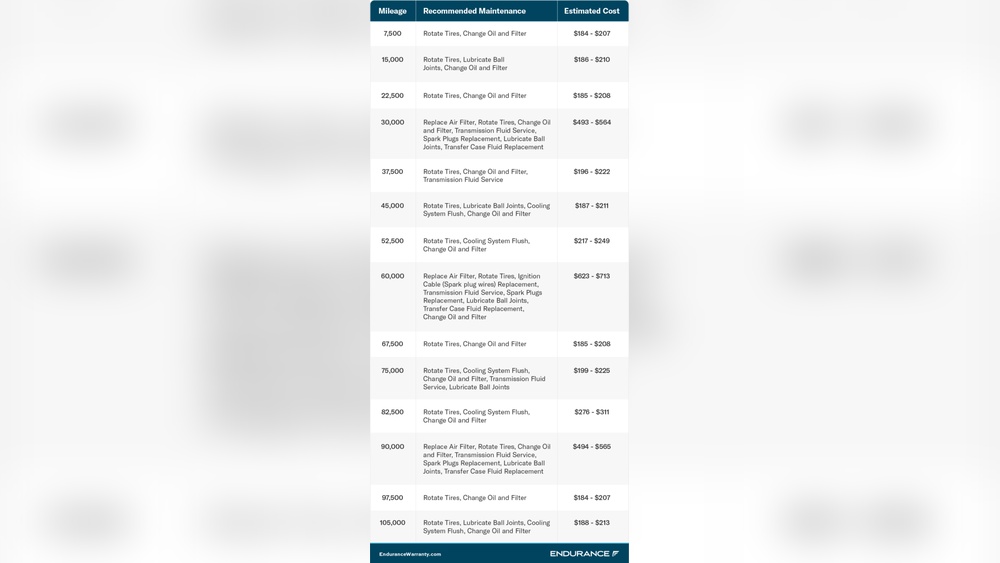
Changing the oil regularly keeps the engine parts lubricated. Clean oil prevents friction and wear inside the engine. Old oil can cause the engine to overheat or fail. Check your owner’s manual for the right oil change schedule. Using the correct oil type also helps the engine run efficiently.
Scheduled Tune-ups
Tune-ups check and replace worn parts like spark plugs and filters. They ensure the engine burns fuel properly. Poor fuel burning can trigger the check engine light. Regular tune-ups improve fuel economy and reduce emissions. Schedule them according to your Jeep’s maintenance guide.
Checking Emission Systems
The emission system controls harmful gases released by your Jeep. Faulty parts here often cause the check engine light to appear. Inspect components like oxygen sensors and catalytic converters regularly. Keeping these parts in good shape helps your vehicle pass emissions tests. It also protects the environment and your engine’s health.
Conclusion
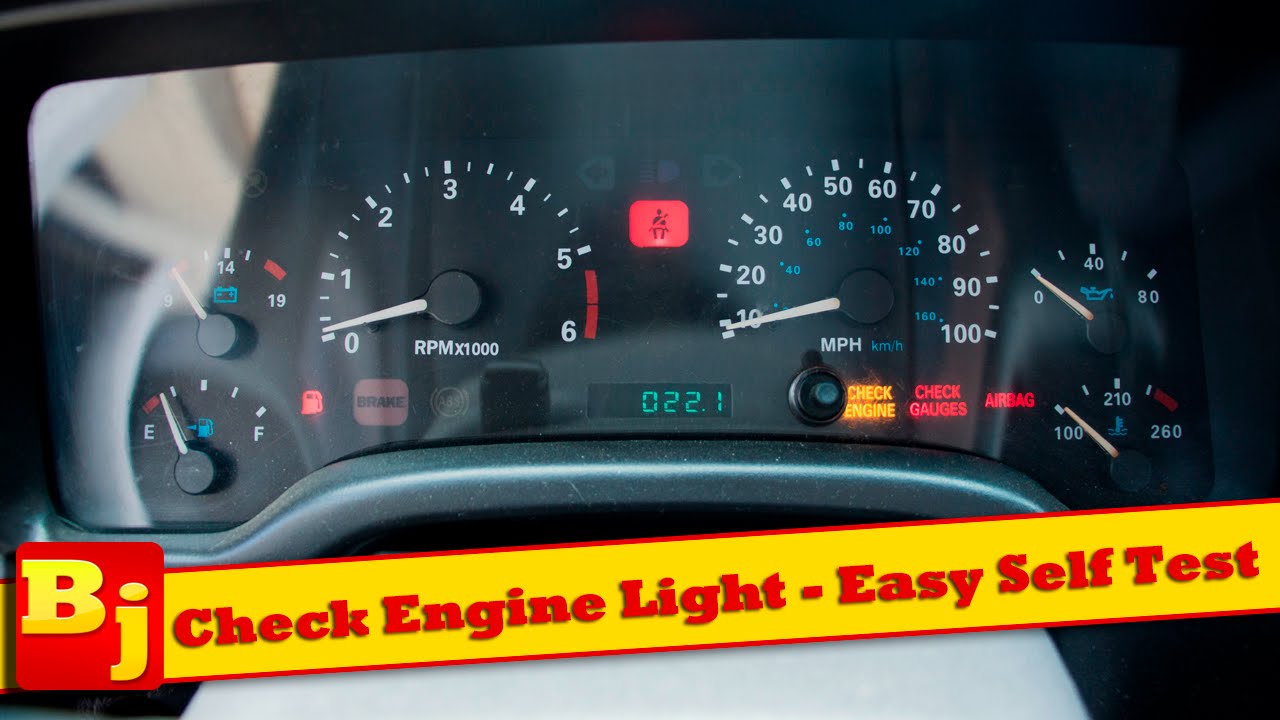
The Jeep Grand Cherokee check engine light warns of engine or system issues. Don’t ignore it, as small problems can grow costly. Start by checking simple things like the gas cap. Use a scanner or visit a parts store to read error codes.
A flashing light means stop driving and get help immediately. Regular checks keep your Jeep running safely and smoothly. Stay alert to protect your vehicle and avoid expensive repairs.