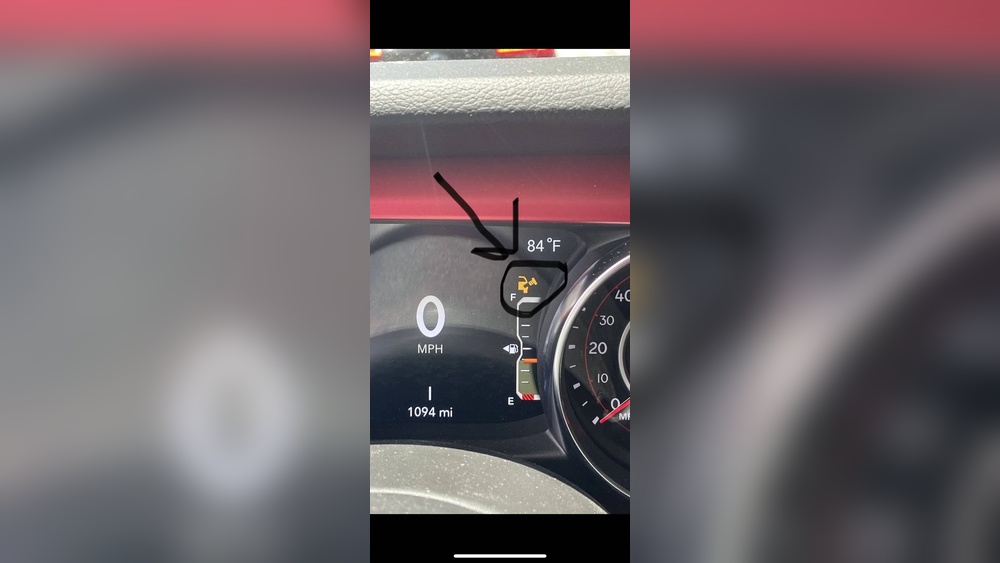
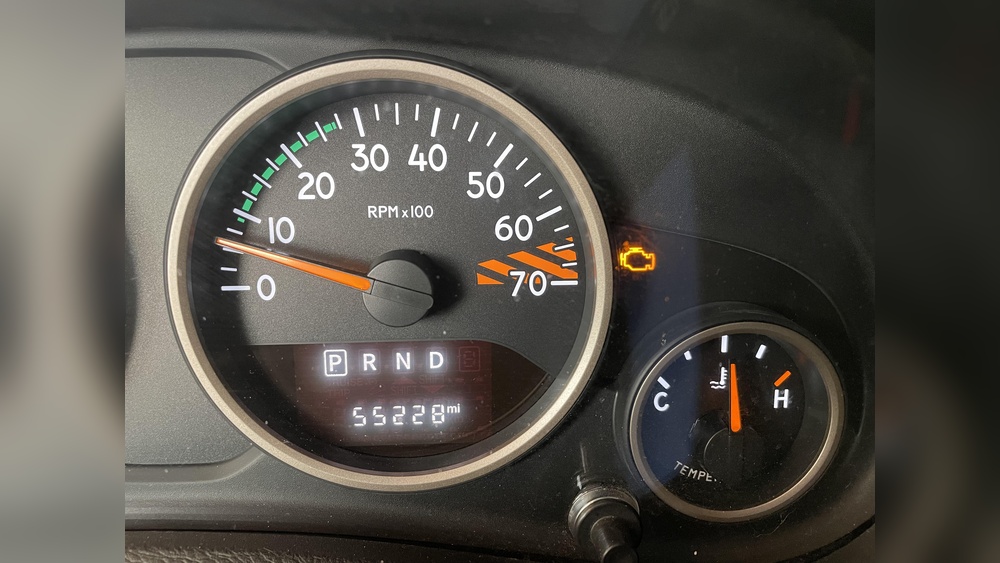
If you’ve seen the Jeep P2098 code pop up on your dashboard, you’re probably wondering what it means and how it affects your ride. This code signals a lean condition in your Jeep’s engine, which can lead to performance problems if left unchecked.
Understanding what causes P2098 and how to fix it can save you time, money, and stress. You’ll learn exactly what triggers this code, the symptoms to watch for, and practical steps you can take to get your Jeep running smoothly again.
Keep reading to take control of your Jeep’s health and avoid costly repairs down the road.

What Triggers Code P2098
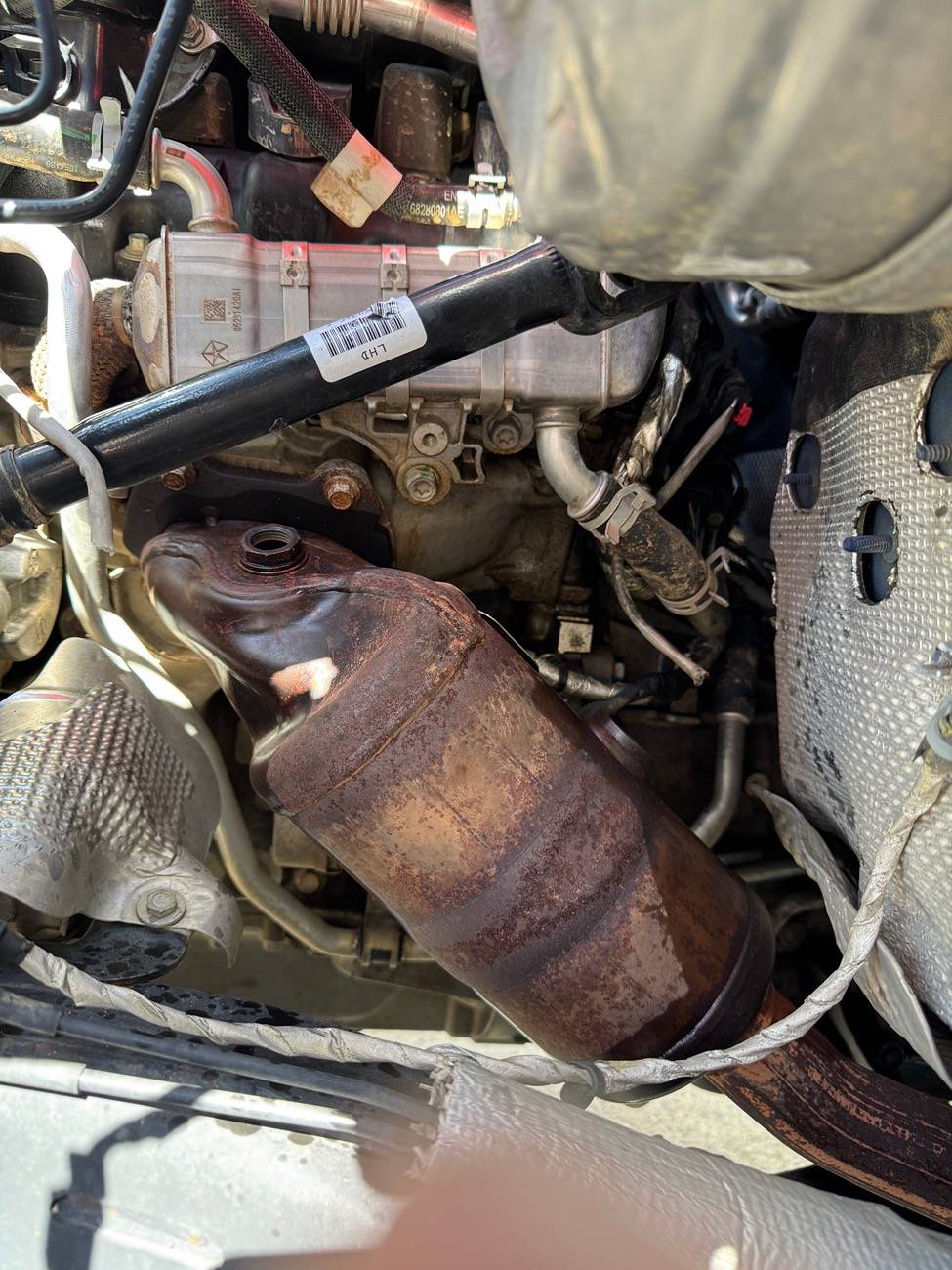
The Jeep P2098 code signals a lean condition in the post-catalytic converter area. This means the engine control module detects too much oxygen in the exhaust. Several issues can trigger this code. Understanding these triggers helps diagnose and fix the problem quickly.
Fuel Delivery Problems
Fuel delivery issues often cause the P2098 code. A clogged fuel filter restricts fuel flow to the engine. A failing fuel pump may not provide enough fuel pressure. Leaking or dirty fuel injectors can also disrupt the fuel mixture. These problems lead to a lean air-fuel ratio, causing the code to appear.
Exhaust System Leaks
Leaks in the exhaust system can let extra air enter after the catalytic converter. This unmetered air causes the oxygen sensor to detect a lean condition. Common leak points include gasket areas and exhaust pipes. Even small leaks can trigger the P2098 code and affect engine performance.
Sensor Malfunctions
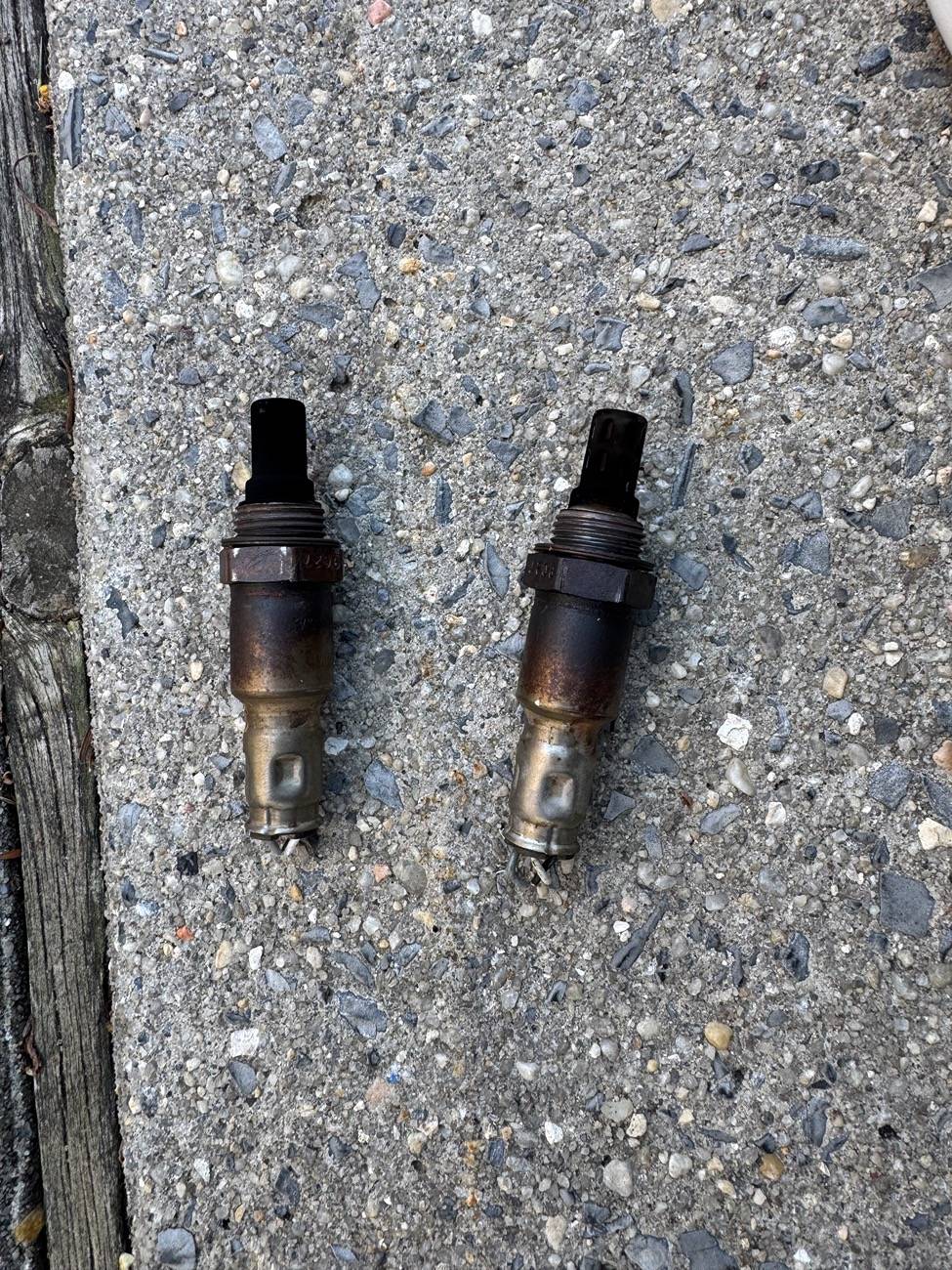
The oxygen sensor itself might malfunction and send wrong signals. Wiring issues such as broken or corroded wires can interrupt sensor signals. Sensor contamination or age can reduce accuracy. If the sensor does not receive proper voltage or grounding, it may cause the code to set.
Signs Of Exhaust System Trouble
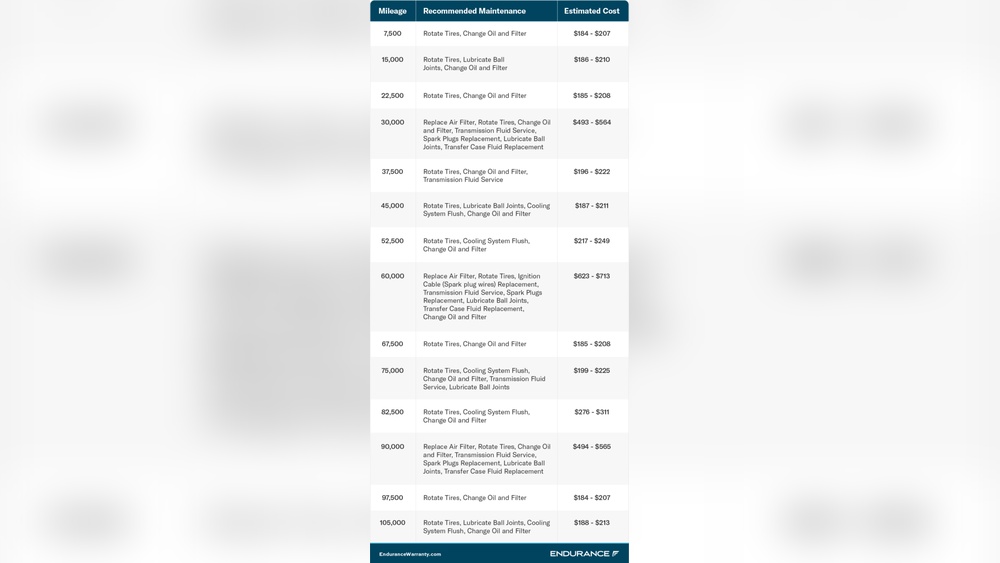
Preventive maintenance keeps your Jeep running smoothly and avoids costly repairs. Regular checks help spot issues early and maintain engine health. Follow these simple tips to prevent the P2098 code from appearing again.
Regular Fuel System Checks
Check the fuel pump and fuel filter often. A clogged filter reduces fuel flow and causes engine problems. Inspect fuel injectors for leaks or dirt. Clean or replace them as needed. Keep fuel pressure within the recommended range to ensure proper engine function.
Exhaust System Inspections
Look for leaks or damage in the exhaust system. Small leaks let extra oxygen enter and cause the P2098 code. Check exhaust gaskets and pipes for cracks or holes. Repair any issues quickly to avoid further engine trouble.
Sensor Cleaning And Upkeep
Clean oxygen sensors carefully using sensor-safe sprays. Dirt and carbon buildup affect sensor accuracy. Inspect wiring and connectors for damage or corrosion. Replace faulty sensors to keep your engine control unit working correctly.

Conclusion
The Jeep P2098 code signals a lean fuel condition. It often means your engine gets too much air or not enough fuel. Check the fuel system, injectors, and any leaks carefully. Fixing these issues helps your Jeep run smoothly again.
Regular maintenance prevents this code from returning. Stay alert to symptoms like rough idling or poor acceleration. Taking quick action protects your engine and saves money. Understanding P2098 keeps your Jeep reliable and safe on the road.