If you’ve just seen the P219A code pop up on your Jeep’s dashboard, you’re probably wondering what it means and what you need to do next. This code isn’t just a random error—it points to a specific issue that could affect how your Jeep runs and how it handles fuel efficiency.
Understanding P219A will help you take the right steps to fix the problem quickly, saving you time and money. You’ll get clear answers about what causes the Jeep P219A code, how to spot the signs, and the best ways to solve it so your ride stays smooth and reliable.
Keep reading to get your Jeep back in top shape!
What P219a Means
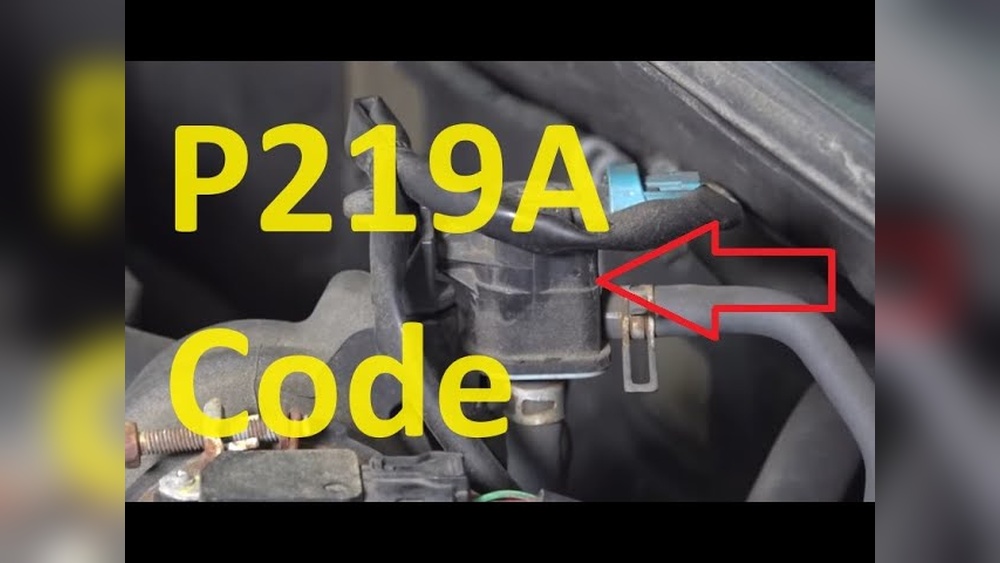
The P219A code is a common trouble code for Jeep vehicles. It signals a problem with the oxygen sensor readings. These sensors help the engine control system keep the fuel mixture balanced. When the code appears, it means the engine is running too rich or too lean on bank 1, sensor 1.
Understanding this code helps you diagnose engine issues faster. It points to an air-fuel imbalance that can affect your Jeep’s performance. The code does not say which part is exactly broken but shows an oxygen sensor is sensing unexpected values.
P219a Error Code Explained
P219A stands for “Oxygen Sensor Signal Biased/Stuck Rich (Bank 1, Sensor 1).” This means the sensor detects too much fuel in the exhaust. The engine might burn more fuel than needed. This causes poor fuel economy and higher emissions.
Why Oxygen Sensors Matter
Oxygen sensors monitor the air and fuel mixture inside the engine. They send signals to the engine computer to adjust fuel flow. Proper sensor function keeps your Jeep running smoothly and cleanly. A faulty sensor can cause rough idling and engine hesitation.
Common Causes Of P219a
Several issues can trigger the P219A code. Common causes include vacuum leaks, exhaust leaks, or a bad oxygen sensor. Fuel system problems and faulty wiring can also cause this error. A misfire might trigger it without showing a specific misfire code.
Common Causes
The Jeep P219A code points to an oxygen sensor imbalance. This code often signals an issue but does not specify the exact cause. Several common problems can trigger this code. Understanding these helps in accurate diagnosis and repair.
Oxygen Sensor Issues
Faulty oxygen sensors cause incorrect air-fuel readings. Sensors may become dirty or worn out over time. This leads to wrong signals sent to the engine control unit. Replacing or cleaning sensors often resolves this issue.
Exhaust Leaks
Leaks in the exhaust system let outside air enter the exhaust stream. This confuses oxygen sensors and causes false readings. Small cracks or loose connections in the exhaust manifold are common sources. Fixing leaks restores proper sensor function.
Vacuum Leaks
Vacuum leaks allow extra air into the engine intake. This affects the air-fuel mixture and oxygen sensor readings. Common causes include cracked hoses or bad gaskets. Checking and replacing damaged parts corrects this problem.
Misfires Without Codes
Engines may misfire without triggering a code. Misfires upset the air-fuel balance and can cause P219A. Tracking live misfire data helps identify this issue. Addressing misfires usually clears the oxygen sensor imbalance.
Symptoms To Watch For
Watching for symptoms of the Jeep P219A code can save you from costly repairs. This code indicates an issue with the engine’s air-fuel mixture. Early signs help catch the problem before it worsens. Below are key symptoms to observe.
Check Engine Light
The check engine light often comes on with the P219A code. It signals a problem with the oxygen sensor or air-fuel ratio. Ignoring this light may lead to engine damage. Use a scanner to read the exact code quickly.
Engine Performance Problems
Your Jeep may run rough or hesitate during acceleration. The engine might stall or misfire at times. These performance issues show the engine is not burning fuel correctly. Pay attention to any unusual engine sounds or vibrations.
Fuel Efficiency Drops
You may notice your Jeep uses more fuel than usual. A faulty oxygen sensor can cause incorrect fuel delivery. This leads to higher fuel consumption and more trips to the gas station. Tracking your mileage helps spot this problem early.
Tools Needed For Diagnosis
Diagnosing the Jeep P219A code requires specific tools. These tools help identify the root cause of the problem accurately. Proper tools save time and avoid unnecessary repairs.
Obd-ii Scanner
An OBD-II scanner reads trouble codes from the vehicle’s computer. It shows the exact code P219A and other related codes. This tool helps monitor live sensor data and freeze frame info. Many scanners are affordable and easy to use. Choose one with real-time data and graphing features for better diagnosis.
Smoke Machine
A smoke machine detects vacuum and exhaust leaks. It pumps smoke into the system to reveal leaks visually. This is important because leaks often cause the P219A code. Finding leaks early prevents further engine damage. Smoke machines are useful for testing intake manifold gaskets and vacuum lines.
Basic Hand Tools
Basic hand tools include screwdrivers, pliers, and wrenches. These tools help remove parts and check connections. Tighten or replace faulty vacuum hoses or gaskets. A good flashlight is also helpful for inspecting hard-to-see areas. Keep these tools handy for a thorough and effective diagnosis.
Step-by-step Diagnosis
Diagnosing the Jeep P219A code requires a careful approach to find the root cause. This code points to an imbalance in the air-fuel mixture. The exact issue might not be clear at first. Follow these steps closely to spot the problem and fix it.
Scan For Trouble Codes
Start by using an OBD-II scanner to read the trouble codes. This helps confirm the P219A code and checks for other related errors. Multiple codes may point to a broader issue. Note down all codes for further reference.
Inspect Vacuum Lines And Gaskets
Look for cracks, breaks, or loose connections in vacuum lines. Check gaskets around the intake manifold for leaks. Damaged lines or gaskets can cause unmetered air to enter. This disrupts the air-fuel ratio and triggers the code.
Check Exhaust System For Leaks
Examine the exhaust manifold and pipes for any leaks or holes. Leaks let extra air enter the exhaust stream, confusing oxygen sensors. Use a smoke test or listen for hissing sounds. Fix any leaks to restore sensor accuracy.
Monitor Live Data For Misfires
Use a scan tool to watch live engine data, focusing on misfire counts. Misfires often cause the P219A code but might not show as separate codes. Look for inconsistent RPM or fuel trims. Address misfires by checking spark plugs and ignition coils.
Fixing Vacuum Leaks
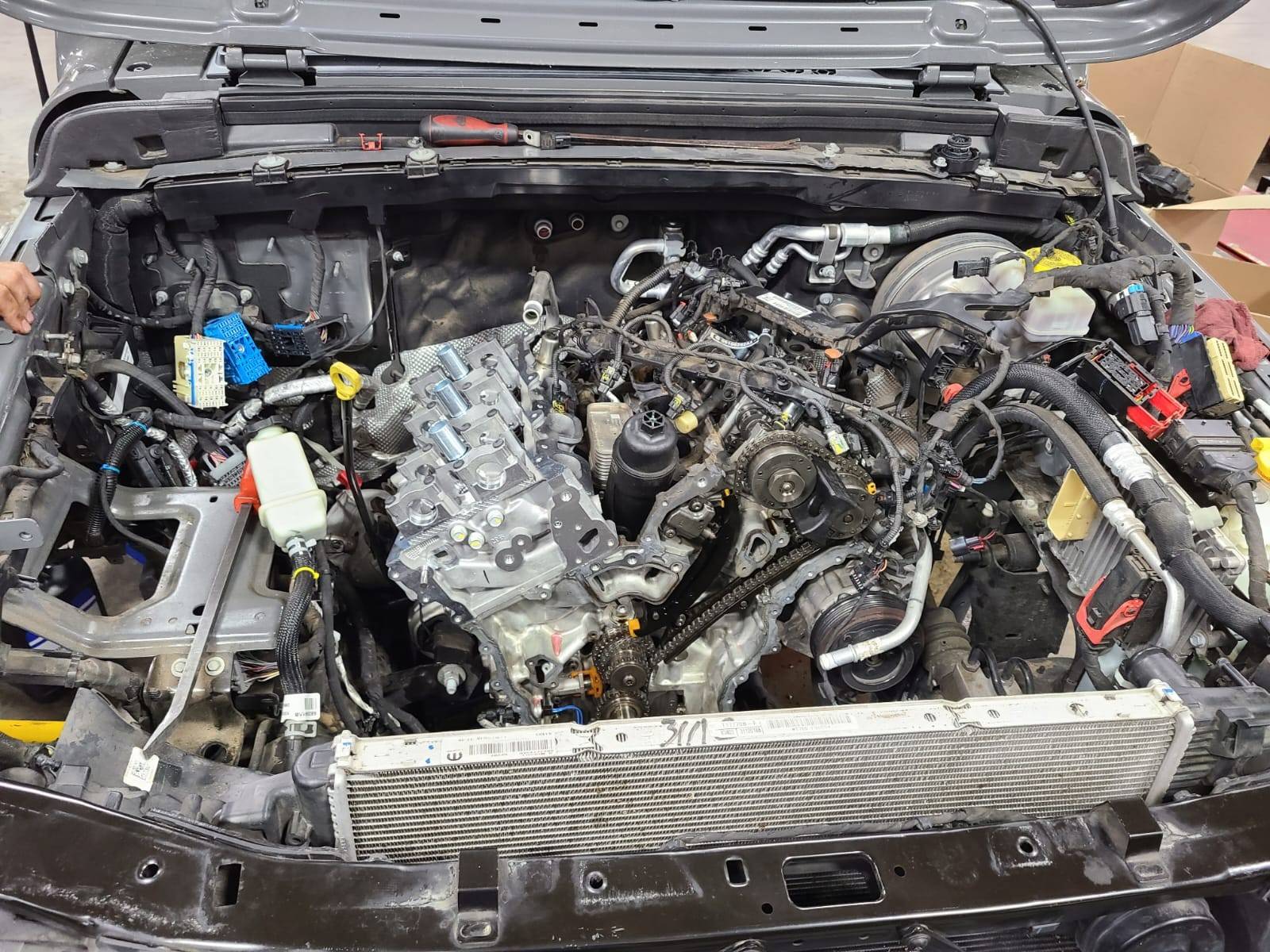
Vacuum leaks can cause the Jeep P219A code to appear and affect engine performance. Fixing these leaks restores proper air-fuel balance and improves engine function. A careful check and repair of vacuum lines help solve this issue quickly.
Locating Leaks
Start by inspecting vacuum hoses connected to the intake manifold. Look for cracks, holes, or loose connections. Use a smoke machine or spray soapy water to find escaping air. Listen for hissing sounds around the engine bay. Pinpoint the exact spot to target repairs.
Replacing Damaged Hoses
Remove any cracked or worn hoses causing the leak. Cut or disconnect the faulty hose carefully. Replace it with new vacuum tubing of the same size and material. Secure all connections with clamps or zip ties. Ensure no gaps remain to prevent future leaks.
Sealing Gaskets
Check intake manifold gaskets for damage or wear. Remove the old gasket and clean the surface thoroughly. Apply a new gasket or sealant recommended for your Jeep model. Reassemble parts tightly to avoid air escaping. Proper sealing stops vacuum leaks and stabilizes engine operation.
Repairing Exhaust Leaks
Repairing exhaust leaks in a Jeep P219A is essential for proper engine performance. Exhaust leaks can cause wrong readings from oxygen sensors. This leads to poor fuel efficiency and higher emissions. Fixing these leaks helps restore engine balance and smooth operation.
Start by finding the exact points where exhaust gases escape. Then, replace worn or damaged parts. Finally, make sure all seals are tight to prevent future leaks.
Identifying Leak Points
Check the exhaust manifold and pipes for cracks or holes. Listen for unusual hissing or popping sounds while the engine runs. Use a smoke test or soapy water to spot escaping gases. Focus on joints, clamps, and gaskets, as these are common leak sites.
Replacing Exhaust Components
Remove any rusted or broken sections carefully. Use OEM parts designed for your Jeep model. Replace gaskets and clamps along with pipes if damaged. Tighten all bolts to the manufacturer’s specifications. Avoid using temporary fixes like tape or sealant alone.
Ensuring Proper Seals
Apply new gaskets at all connection points. Check that clamps hold pipes firmly without gaps. Use high-temperature sealants if recommended by the manufacturer. Double-check for leaks after repairs by running the engine and inspecting again. Proper sealing prevents future exhaust issues and keeps the system efficient.
Oxygen Sensor Maintenance
Maintaining the oxygen sensor in your Jeep is key to keeping the engine healthy. The oxygen sensor monitors the air-fuel mixture and helps reduce emissions. Proper care prevents error codes like P219A and improves fuel efficiency. Regular checks keep the sensor working well for longer.
Testing Sensor Function
Use a scan tool to check the sensor’s voltage output. It should fluctuate between 0.1 to 0.9 volts. A steady reading may mean the sensor is faulty. You can also test resistance with a multimeter. Follow your Jeep’s manual for exact values. Testing helps spot problems early.
Cleaning Vs. Replacing
Cleaning can remove dirt and deposits from the sensor surface. Use a special oxygen sensor cleaner, not harsh chemicals. Sometimes cleaning restores sensor function. But often, replacement is better for long-term reliability. Sensors wear out over time and lose accuracy.
Proper Installation Tips
Always use anti-seize compound on the sensor threads. This prevents damage during future removal. Tighten the sensor by hand first, then use a torque wrench. Avoid over-tightening, which can crack the sensor. Connect wiring securely to avoid loose contacts.
Handling Misfires
Handling misfires in your Jeep is key to keeping the engine running smoothly. Misfires cause rough idling, poor fuel economy, and engine damage over time. Identifying and fixing the root cause helps avoid costly repairs.
Focus on reading live engine data and inspecting key components. Each step narrows down the cause of the misfire. This approach saves time and ensures your Jeep runs at its best.
Reading Active Misfire Data
Use an OBD-II scanner to read active misfire data. This tool shows which cylinder is misfiring and how often. Look for patterns in the data to find the problem area. Clear the codes and test drive to see if misfires return. This helps confirm the diagnosis.
Checking Spark Plugs And Coils
Inspect spark plugs for wear, cracks, or carbon buildup. Replace any plugs that look damaged or old. Check ignition coils for cracks or signs of damage. Swap coils between cylinders to see if the misfire moves. Faulty coils cause weak sparks and misfires. Replace bad coils promptly.
Fuel System Inspection
Check the fuel injectors for clogs or leaks. Dirty injectors can cause uneven fuel delivery and misfires. Clean or replace injectors as needed. Inspect the fuel filter and fuel pump for proper operation. Low fuel pressure leads to lean conditions and misfires. Fix any fuel issues to restore smooth engine performance.
Frequently Asked Questions
How Do I Fix The P219a Code?
Fix the P219A code by inspecting and repairing vacuum leaks, exhaust leaks, and faulty oxygen sensors. Check for misfires and replace damaged gaskets or hoses. Clear the code after repairs and retest to ensure the issue is resolved.
What Is The Code P219a On A Jeep Jl?
The P219A code on a Jeep JL signals an oxygen sensor imbalance, often caused by exhaust leaks or vacuum issues. Check for intake manifold and vacuum line leaks, plus misfires that may not show separate codes. Fixing leaks usually resolves this error.
What Can Cause A P219a Code And All Cylinders To Misfire?
A P219A code and all-cylinder misfire often result from vacuum leaks, faulty oxygen sensors, or exhaust leaks. Check intake manifold gaskets, vacuum lines, and exhaust for leaks. Misfires may also stem from ignition or fuel system issues causing an oxygen sensor imbalance.
What Are Common Symptoms Of P219a?
Common symptoms of P219A include a check engine light, rough engine idle, poor fuel economy, hesitation during acceleration, and possible engine misfire.
Conclusion
The Jeep P219A code points to an oxygen sensor imbalance issue. This can cause rough running or poor fuel economy. Checking for exhaust leaks and vacuum issues helps find the root cause. Fixing hoses or gaskets often clears the problem.
Use a scanner to monitor misfire data for better diagnosis. Taking timely action keeps your Jeep running smoothly and saves repair costs. Stay attentive to warning lights and address issues early for a safer drive.