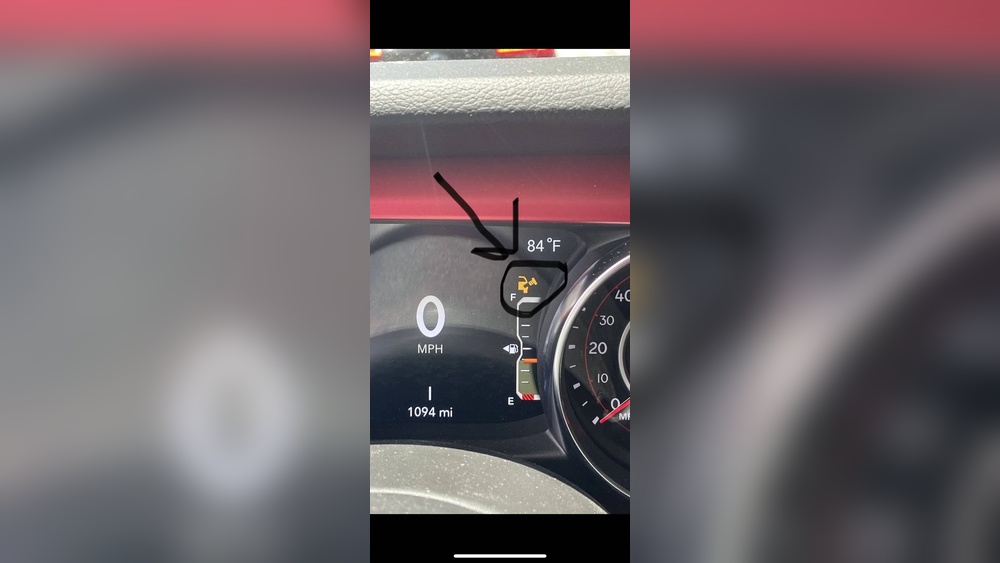
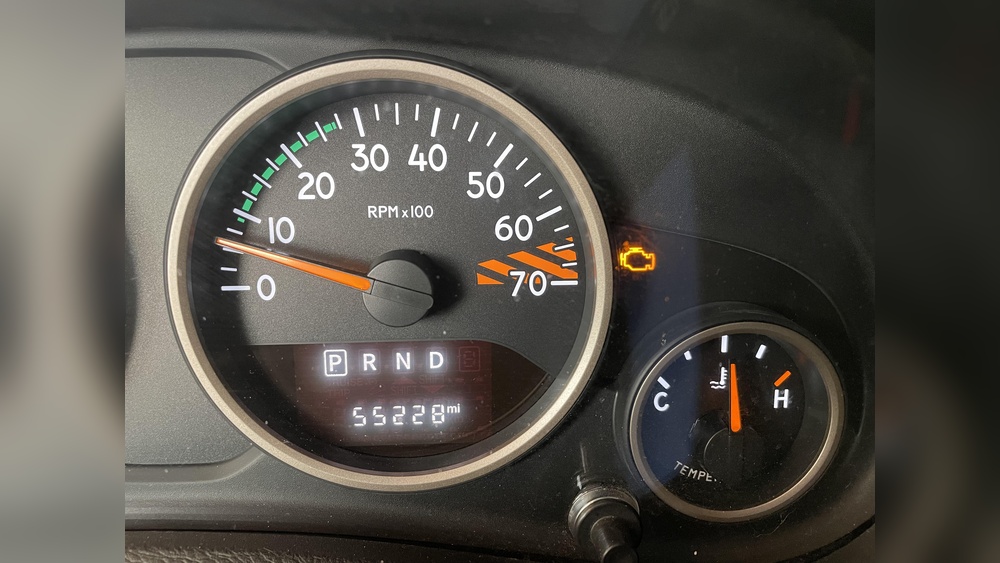
If you’ve seen the P0171 code pop up on your Jeep Grand Cherokee, you’re likely wondering what it means and how to fix it. This code signals that your engine is running too lean, which means there’s too much air and not enough fuel in the mix.
Ignoring it can lead to poor performance, reduced fuel efficiency, and even engine damage. You’ll learn the most common causes behind P0171, simple steps you can take to diagnose the issue, and practical solutions to get your Jeep back on the road smoothly.
Keep reading to find out exactly what you need to know to tackle this problem with confidence.


Causes Of P0171 Code
The P0171 code on a Jeep Grand Cherokee signals a lean condition in the engine. This means the engine gets too much air and not enough fuel. Many factors can cause this imbalance. Identifying the root cause is crucial to fix the problem and avoid damage.
Fuel Delivery Problems
Fuel delivery issues often cause the P0171 code. A clogged fuel filter blocks fuel flow to the engine. A weak fuel pump cannot supply enough fuel pressure. Dirty or failing fuel injectors also reduce fuel delivery. These problems lead to a lean air-fuel mixture.
Map And Maf Sensor Issues
The MAP sensor measures intake air pressure while the MAF sensor measures airflow. If either sensor gets dirty or malfunctions, they send wrong data to the engine control unit. This causes incorrect fuel adjustments, triggering the P0171 code. Cleaning or replacing these sensors often resolves the issue.
Vacuum Leaks
Vacuum leaks let extra air enter the engine without passing through the sensors. This extra air causes a lean condition. Common leak points include intake manifold gaskets, PCV hoses, and air ducts. A hissing sound may indicate a leak. Smoke tests help locate leaks accurately.
Loose Or Missing Oil Cap
The oil filler cap seals the engine’s crankcase. A loose or missing cap creates an unmetered vacuum leak. This lets air enter the engine, causing the lean condition. Tightening or replacing the oil cap is a simple fix for this problem.
Exhaust Gasket Leaks
Leaking exhaust gaskets near the cylinder head can affect oxygen sensor readings. This causes the engine control unit to miscalculate the air-fuel ratio. The result is a lean condition and the P0171 code. Replacing the faulty gasket can restore proper sensor function.
Diagnosing Lean Condition
Diagnosing a lean condition in a Jeep Grand Cherokee with a P0171 code requires careful inspection. This issue means the engine runs with too much air and not enough fuel. It can cause poor performance and trigger the Check Engine Light. Pinpointing the cause helps restore proper engine function and avoid further damage.
Listening For Vacuum Leaks
Start by listening for vacuum leaks around the engine. Use a mechanic’s stethoscope or a long screwdriver placed near intake hoses and gaskets. A hissing or sucking sound often indicates a leak. Check the intake manifold, PCV hoses, and air ducts carefully. Even small leaks can cause a lean condition.
Performing A Smoke Test
A smoke test helps find hidden vacuum leaks. Connect a smoke machine to the intake system. The smoke will escape through cracks or broken seals. Look for smoke coming from intake gaskets or vacuum lines. This test is simple and very effective for spotting leaks that are hard to hear.
Checking Fuel Pressure
Low fuel pressure can cause a lean mixture. Use a fuel pressure gauge on the fuel rail. Compare readings to the Jeep’s specifications. A weak fuel pump, clogged filter, or failing injectors may reduce pressure. Fixing fuel delivery issues often clears the P0171 code and restores engine power.
Inspecting The Map Sensor
The MAP sensor measures air pressure inside the intake manifold. Dirt or oil can block its port, causing wrong readings. Remove the sensor and clean it with approved MAP sensor cleaner. Check for cracks or damage. A faulty MAP sensor often triggers lean condition codes. Proper inspection ensures accurate air-fuel mixture data.
Fixing Fuel Delivery Issues
Fixing fuel delivery issues is crucial to resolving the P0171 code on a Jeep Grand Cherokee. This code signals a lean condition, meaning the engine gets too little fuel. Fuel delivery problems often cause this lean condition. Addressing these issues helps restore proper engine performance and fuel efficiency. The following steps focus on key fuel system parts that may cause trouble.
Replacing Fuel Filters
A clogged fuel filter restricts fuel flow to the engine. Replace the fuel filter regularly to avoid this problem. A clean filter ensures enough fuel reaches the injectors. Locate the filter along the fuel line and swap it out with a new one. This simple step often fixes lean code problems.
Testing And Replacing Fuel Pump
The fuel pump pushes fuel from the tank to the engine. A weak or failing pump cannot supply enough fuel pressure. Test the fuel pump using a fuel pressure gauge. Compare the reading to the Jeep’s specifications. Replace the pump if the pressure is low or inconsistent. This repair restores proper fuel delivery and engine performance.
Cleaning Or Replacing Fuel Injectors
Dirty or faulty fuel injectors spray uneven fuel amounts. Cleaning injectors removes buildup that blocks fuel flow. Use a fuel injector cleaner or remove injectors for deep cleaning. Replace injectors that do not work properly after cleaning. Proper injector function balances the air-fuel mix and stops lean codes.

Cleaning And Replacing Sensors
Cleaning and replacing sensors plays a key role in fixing the P0171 code on a Jeep Grand Cherokee. The sensors monitor air and fuel flow to keep the engine running smoothly. Dirt or damage can cause wrong readings and trigger the code.
Taking care of these sensors often clears errors and improves performance. Some sensors can be cleaned safely, while others need replacement. Knowing the right steps helps avoid extra costs and keeps the Jeep reliable.
Cleaning The Map Sensor
The MAP sensor measures air pressure in the intake manifold. Dirt or oil buildup can block its port and cause wrong data. Use a special MAP sensor cleaner spray for safe cleaning.
Remove the sensor carefully from the engine. Spray the cleaner on the sensor’s tip and let it dry completely. Avoid touching the sensor’s delicate parts with your fingers or tools. Reinstall the sensor once dry.
This cleaning removes grime that affects sensor accuracy. It may fix the P0171 code if the sensor was dirty. Always handle the sensor gently to prevent damage.
Replacing Faulty Sensors
Sensors that stay faulty after cleaning need replacement. A bad sensor sends incorrect signals to the engine computer. This causes the system to add too much fuel, triggering P0171.
Find the exact replacement sensor for your Jeep Grand Cherokee model. Disconnect the battery before removing the old sensor. Unplug the sensor connector and remove it from its mount.
Install the new sensor by reversing the removal steps. Make sure connections are secure. Reset the engine codes with a scanner to clear the error. Replacing sensors restores proper engine function and stops the P0171 code.
Addressing Vacuum Leaks
Using OEM Jeep parts ensures your Jeep Grand Cherokee runs smoothly and reliably. Genuine parts fit perfectly and meet Jeep’s quality standards. They help fix the P0171 code effectively by addressing the root cause. Avoid cheap aftermarket parts that may fail quickly or cause more problems.
OEM parts last longer and protect your engine. They keep your vehicle’s performance intact. This approach reduces the chance of repeated repairs. Choose OEM parts to maintain your Jeep’s value and safety.
Finding Replacement Gaskets And Sensors
Replacement gaskets and sensors are common fixes for the P0171 code. The intake manifold gasket often leaks and causes vacuum issues. Oxygen sensors and MAP sensors also wear out over time. Using OEM gaskets and sensors guarantees proper sealing and accurate readings.
OEM sensors match your Jeep’s specifications exactly. They deliver precise air-fuel mixture data to the engine computer. This helps clear the P0171 code and improves fuel efficiency. Always replace these parts with genuine OEM versions for best results.
Ordering From Mopar Estore
Mopar eStore is the official source for OEM Jeep parts. It offers a wide range of gaskets, sensors, and other components. The site is easy to navigate and provides detailed part descriptions. You can enter your Jeep Grand Cherokee’s year and model to find exact matches.
Ordering from Mopar eStore ensures you receive authentic parts fast. Their customer support can assist with part selection. Using Mopar parts protects your Jeep’s warranty and performance. Trust Mopar eStore for reliable and original Jeep replacements.
Using Oem Jeep Parts
Knowing when to seek professional help for a P0171 code in your Jeep Grand Cherokee is crucial. This code signals a lean fuel mixture, which can harm your engine if ignored. Some fixes you can try yourself, but others need expert care. Recognizing the limits of DIY repairs keeps your vehicle safe and saves money in the long run.
Limits Of Diy Fixes
Simple tasks like checking for loose gas caps or cleaning sensors you can do at home. You may also spot obvious vacuum leaks or replace air filters on your own. Complex problems like faulty fuel injectors or damaged sensors need special tools and knowledge. Guesswork can lead to wrong repairs and more damage. Trust your skills but know when a problem is beyond your reach.
Finding A Trusted Mechanic
Choose a mechanic with experience in Jeep Grand Cherokees and fuel system issues. Check reviews and ask for recommendations from friends or online groups. Make sure the shop uses quality parts and offers a clear diagnosis. A good mechanic explains the problem and repair options in simple terms. This helps you make the right decision for your vehicle’s health.
Conclusion
The P0171 code on a Jeep Grand Cherokee signals a lean fuel condition. Common causes include vacuum leaks, dirty sensors, or fuel delivery problems. Regular checks help catch issues early and keep the engine running smoothly. Simple fixes like cleaning sensors or checking fuel pressure often resolve the problem.
Staying attentive to symptoms prevents bigger repairs later. Maintaining your Jeep ensures better performance and longer engine life.