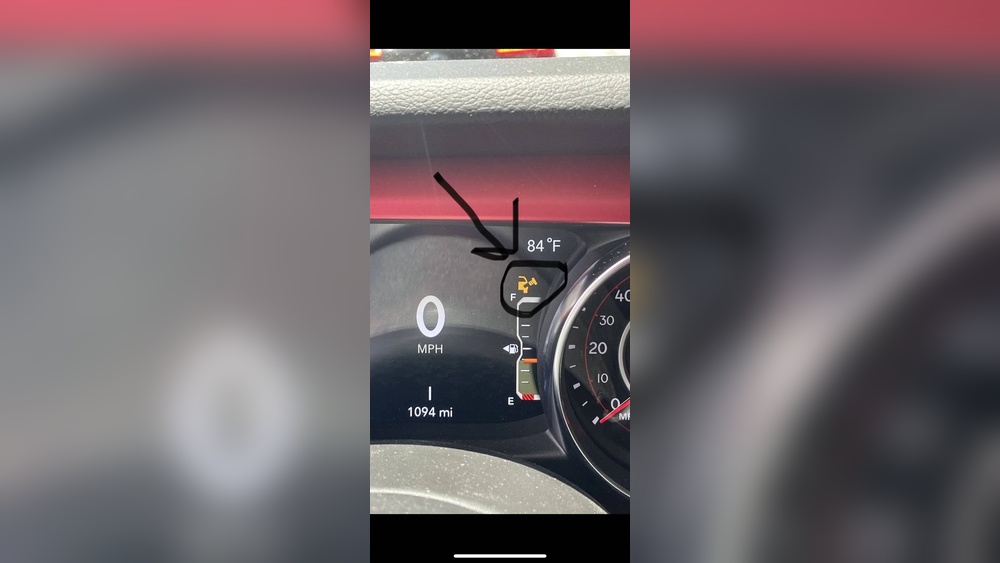
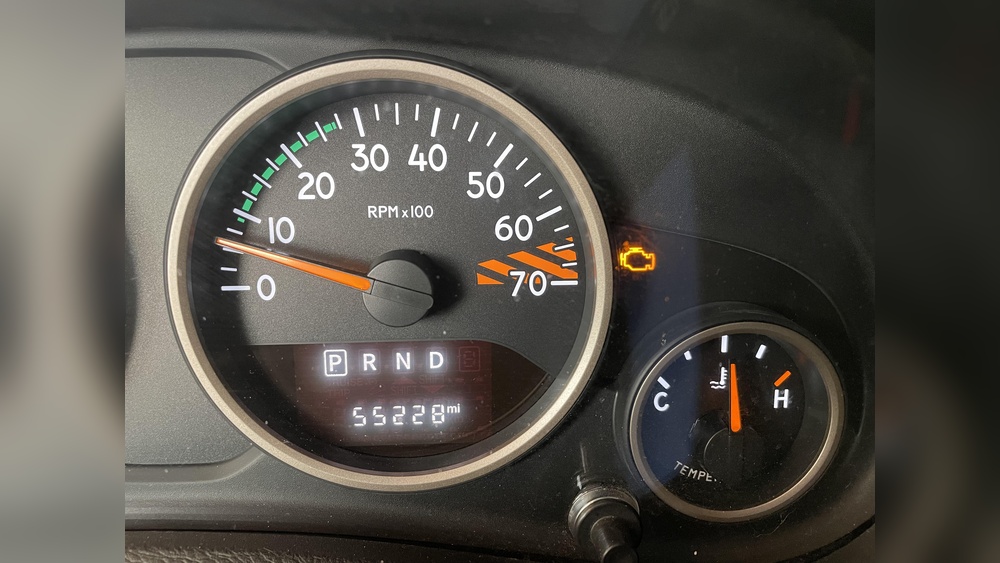
If you’ve just seen the P456 code pop up on your Jeep’s dashboard, you’re probably wondering what it means and how serious it is. This code points to an issue with your vehicle’s EVAP system, which controls fuel vapors and keeps emissions in check.
Ignoring it could lead to wasted fuel, failed emissions tests, or even damage to your Jeep’s engine over time. But don’t worry—you’re in the right place to learn exactly what causes the P456 code, how to spot the problem, and what steps you can take to fix it quickly and affordably.
Keep reading to take control of your Jeep’s health and avoid costly repairs down the road.
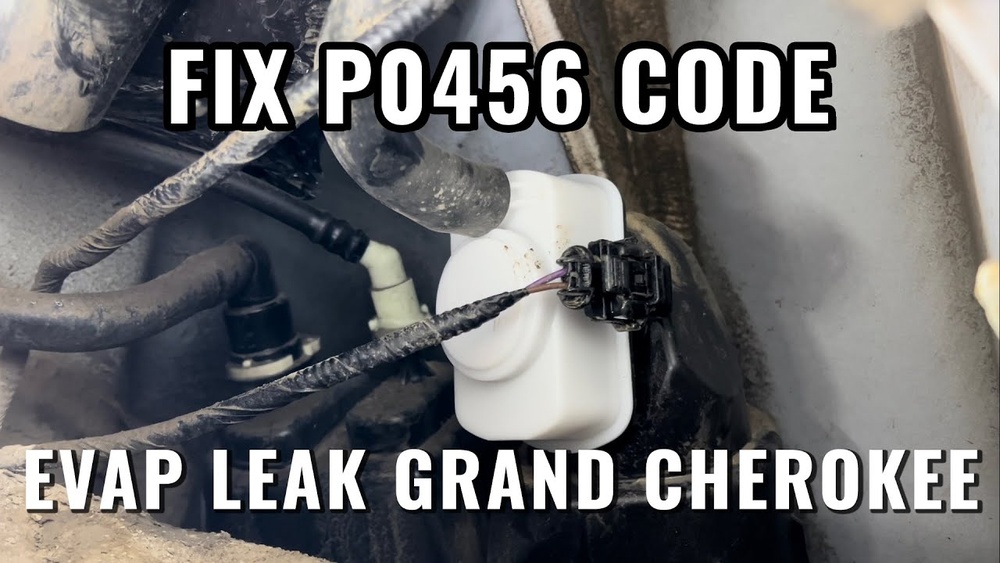
P456 Code Basics
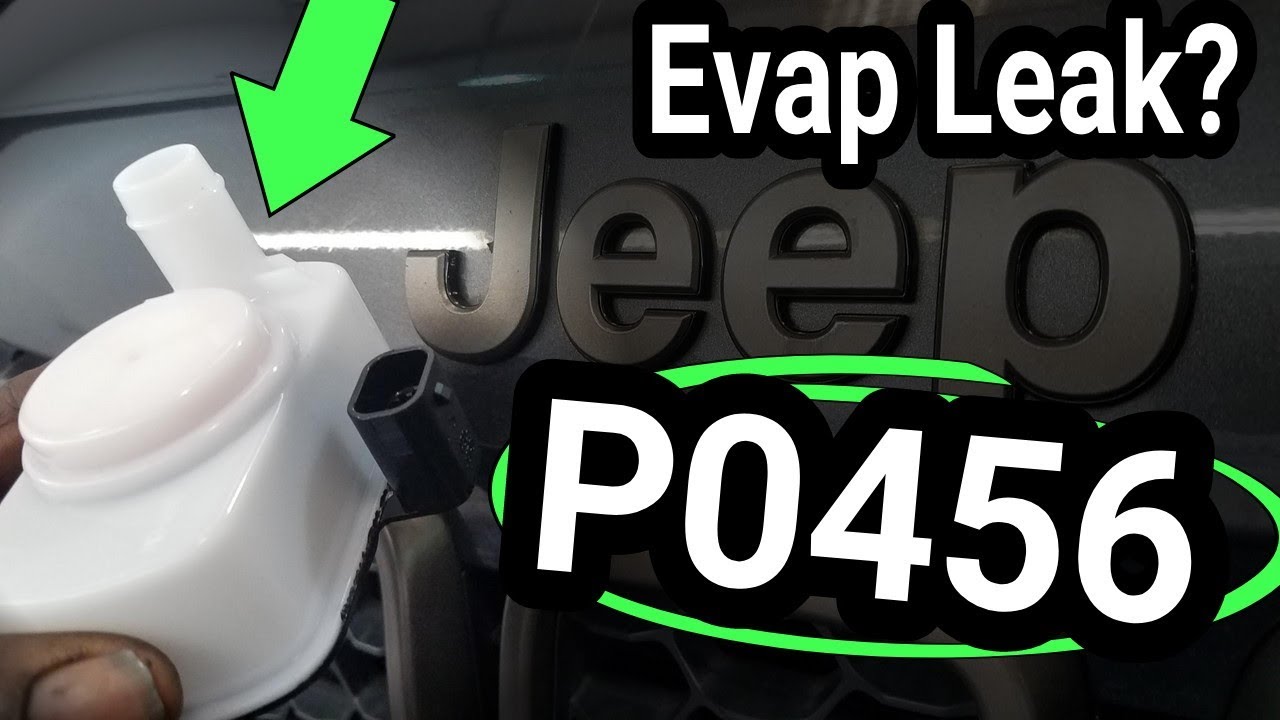
The P456 code in Jeep vehicles signals a problem with the EVAP system. This system controls fuel vapors to reduce pollution. Understanding the basics of the P456 code helps with quick diagnosis and repair. It points to a small leak in the EVAP system that needs attention.
Detecting this code early can prevent bigger issues. The check engine light usually turns on when the code appears. Knowing the causes and symptoms aids Jeep owners in maintaining their vehicles properly.
What Triggers The Code
The P456 code triggers when the EVAP system senses a small leak. Common causes include a faulty or loose gas cap. The rubber seal on the cap may crack or dry out over time. EVAP hoses can also crack or come loose, causing vapor leaks. A bad purge valve or solenoid that sticks open might trigger the code as well.
The system runs a test and detects if fuel vapors escape. Even a tiny leak can cause the code to appear. Dirt or damage in the EVAP system parts often lead to the problem. The onboard computer monitors pressure and vapor flow constantly.
Common Symptoms
The most common symptom is the check engine light on the dashboard. You may also notice a slight fuel smell near the vehicle. The engine might run rough or have trouble starting in some cases. Fuel efficiency may drop due to the leaking vapors. Sometimes, no obvious symptoms appear aside from the warning light.
Ignoring the P456 code can lead to failed emissions tests. Early repair keeps the Jeep running clean and efficient. Regular checks of the gas cap and hoses help prevent this issue.
Frequent Causes
Quick visual checks are the first step in diagnosing a P456 code on your Jeep. These simple inspections can save time and money before deeper repairs start. Start with a clear view under the hood and around the fuel system. Spotting visible issues early helps guide your next move.
Inspecting For Leaks
Look closely for any signs of fuel or vapor leaks. Check around the fuel tank, fuel lines, and the EVAP canister. Wet spots, stains, or a strong fuel smell are clear clues. Leaks often cause the P456 error code and need fixing to pass emissions tests.
Checking Hose Connections
Hoses in the EVAP system can loosen or crack over time. Examine each hose carefully. Make sure all clamps are tight and hoses fit snugly on their fittings. Any loose or damaged hose can cause vacuum leaks, triggering the P456 code.
Examining Valve Functionality
Valves control the flow of fuel vapors in the EVAP system. Check valves for any visible damage or blockage. Press the valve to see if it moves freely. A stuck or broken valve can cause system errors and reduce engine performance.
Conclusion
The P456 code in a Jeep points to an EVAP system leak. Common causes include a loose gas cap or cracked hoses. Fixing it quickly helps keep your Jeep running well. Regular checks prevent bigger problems later. Knowing what to look for saves time and money.
Stay aware of these signs for a smoother drive.