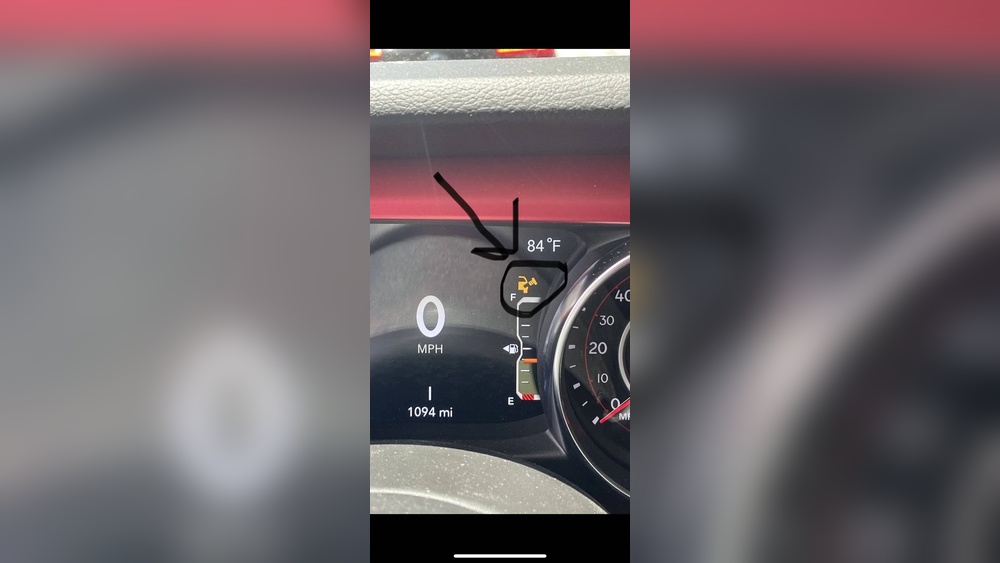
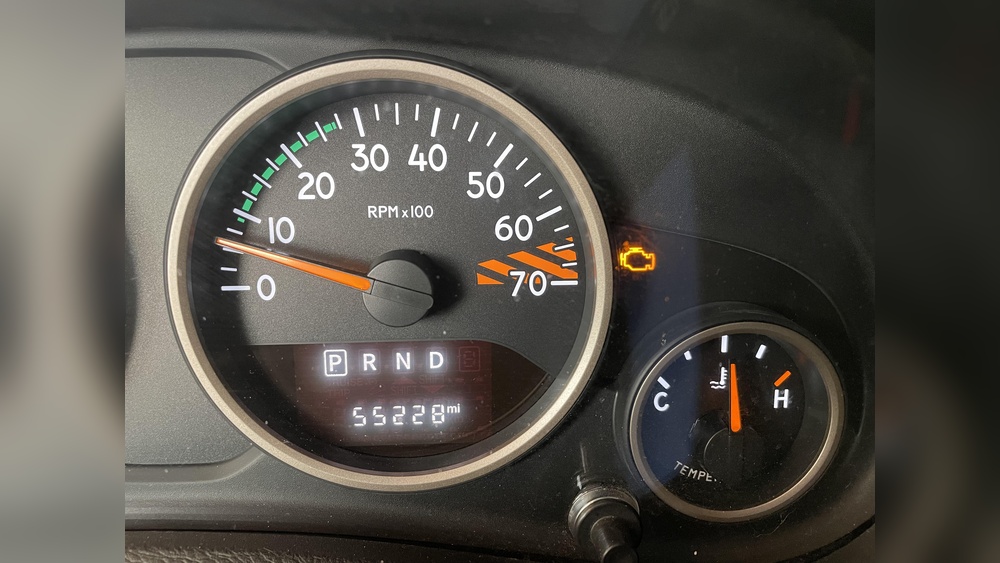
If you’ve ever seen the PO455 code pop up on your Jeep’s dashboard, you know it can be frustrating. This code points to a problem with your vehicle’s evaporative emission system, which helps keep harmful fuel vapors from escaping into the air.
But what exactly does PO455 mean for your Jeep, and how can you fix it without breaking the bank or spending hours at the mechanic? You’ll discover the common causes behind this code, simple steps to diagnose the issue, and practical solutions to get your Jeep running clean and smooth again.
Keep reading to take control of your ride and avoid costly repairs down the road.
Common Causes
The PO455 code on a Jeep signals a large leak in the EVAP system. This system controls fuel vapors and stops them from escaping into the air. Several common issues cause this code to appear.
Identifying the root cause helps fix the problem quickly. Each part of the EVAP system plays a role in keeping the system sealed. Small damages or loose parts can trigger the PO455 code.
Leaking Vacuum Hoses
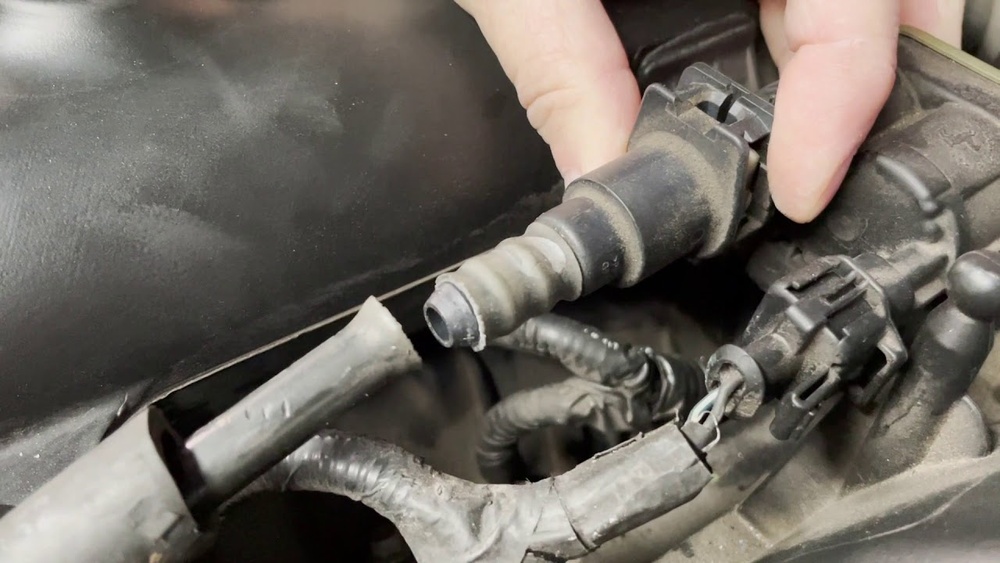
Vacuum hoses carry vapors within the EVAP system. Over time, these rubber or plastic hoses can crack or disconnect. A leak here lets fuel vapors escape, causing the code. Inspect hoses for splits or loose ends.
Faulty Vent Valve
The vent valve lets fresh air enter the EVAP system. If it sticks open, it causes a large leak. This valve failure triggers the PO455 code. Testing and replacing the valve often solves the issue.
Cracked Canister Or Fuel Tank
The charcoal canister stores fuel vapors. Physical damage to this canister or the fuel tank creates leaks. Cracks or breaks let vapors escape freely. Check these parts for visible damage or cracks.
Loose Or Missing Gas Cap
A common and easy cause is a loose or missing gas cap. The cap seals the fuel system. Without a proper seal, vapors escape, triggering the code. Tighten or replace the gas cap to clear the error.
Quick Inspection Tips
Performing a quick inspection can help identify issues causing the P0455 code in your Jeep. This code signals a large leak in the EVAP (Evaporative Emission Control) system. Checking a few key parts can save time and money. Focus on the hoses, purge valve, and gas cap seal. These areas often cause leaks and are easy to inspect.
Checking Evap Hoses
Start by examining the EVAP hoses under the hood. These rubber or plastic hoses connect various components of the EVAP system. Look closely for cracks, splits, or loose ends. Feel the hoses for soft spots or brittleness. Damaged or disconnected hoses let fuel vapors escape, triggering the P0455 code. Replace any hose that looks worn or broken.
Inspecting The Purge Valve
The purge valve controls when fuel vapors leave the charcoal canister. Find it near the engine intake manifold. Check for cracks or damage to the valve housing. Disconnect the electrical connector and vacuum lines carefully. Shake the valve gently; it should move freely but not rattle excessively. A stuck or faulty purge valve causes leaks. Swap it out if it fails this check.
Examining The Gas Cap Seal
The gas cap seal keeps the fuel system airtight. Remove the gas cap and inspect the rubber seal around it. Look for cracks, tears, or dirt buildup. A damaged or loose gas cap seal lets vapors escape. Clean the seal and the cap’s locking area. Replace the gas cap if the seal shows wear or damage. Tighten it firmly after reinstalling to ensure a good seal.
Simple Repair Steps
Fixing the P0455 code on your Jeep can be straightforward. This code signals a large leak in the EVAP system. Simple repairs often solve the issue quickly. These steps involve checking key parts like the purge valve, hoses, and gas cap. Each part plays a role in sealing fuel vapors. Proper repair helps reduce emissions and avoids failed smog tests.
Replacing The Purge Valve
Start by locating the purge valve near the engine intake. Disconnect the electrical connector and vacuum lines. Unscrew the old valve carefully. Fit a new purge valve in place. Reconnect all hoses and the electrical plug. This part controls vapor flow and often causes leaks. Replacing it usually clears the P0455 code fast.
Fixing Or Replacing Hoses
Inspect all EVAP hoses closely. Look for cracks, splits, or loose ends. Damaged hoses let vapors escape and trigger the code. Remove bad hoses and replace them with new ones. Ensure all connections are tight and secure. Good hose condition is key to stopping leaks. This fix prevents fuel smell and emissions issues.
Tightening Or Replacing Gas Cap
Check the gas cap for tightness and damage. A loose or broken cap causes vapor leaks easily. Screw the cap on firmly until it clicks. Replace the cap if it is cracked or worn out. A proper seal keeps fuel vapors inside the tank. Fixing the gas cap is the quickest repair for the P0455 code.

Impact On Driving
Fixing the Po455 code on a Jeep requires the right tools and resources. These help you check, test, and replace parts effectively. Having basic tools and reliable guides saves time and avoids mistakes.
Some tools are essential for any Jeep owner. Others can make the job easier. Online guides and community forums offer advice and step-by-step help. Videos show the process clearly.
Basic Tools Needed
A basic set of hand tools is necessary. This includes screwdrivers, pliers, and socket wrenches. A multimeter helps test electrical parts. A vacuum gauge can check for leaks in the EVAP system. A code reader or OBD-II scanner lets you read and clear error codes quickly.
Helpful Online Guides
Many websites offer clear guides on fixing the Po455 code. These guides list symptoms, causes, and fixes. Step-by-step instructions show how to inspect hoses and valves. Some guides include pictures or diagrams to make understanding easier. Use simple, trusted sites for accurate information.
Community Forums And Videos
Jeep forums are full of users sharing their experiences. You can ask questions and get advice from Jeep owners. Videos on YouTube give visual help for repairs. Watching someone else fix the problem helps build confidence. Join active forums for updated tips and tricks.

Conclusion
The PO455 code signals a large EVAP system leak in your Jeep. Check the gas cap first—it often causes this issue. Inspect hoses and valves for cracks or disconnections next. Fixing these problems helps your Jeep run cleaner and pass emissions tests.
Driving with this code is usually safe but not ideal. Timely repairs keep your vehicle efficient and reduce pollution. Understanding the PO455 code helps you maintain your Jeep well.