If your Jeep Patriot is overheating, you might feel worried and frustrated. Overheating is a common problem for many vehicles, but the Patriot has a few issues that owners should pay close attention to.
Ignoring an overheating engine can lead to expensive damage or even engine failure. Whether you are a new driver or have owned your Patriot for years, knowing the causes, solutions, and ways to prevent overheating is essential.
Why Your Jeep Patriot Is Overheating
A Jeep Patriot may overheat for several reasons. Some causes are simple, while others require more work to fix. Common culprits include:
- Low coolant levels
- Faulty thermostat
- Broken radiator fan
- Clogged radiator
- Leaking water pump
- Bad head gasket
Sometimes, the problem is a mix of these issues. For example, a small coolant leak can turn into a big problem if not noticed quickly. The Patriot, especially models from 2007–2015, is known for thermostat and cooling fan problems.
Common Signs Of Overheating
You do not need to be a car expert to spot overheating. Look for these warning signs:
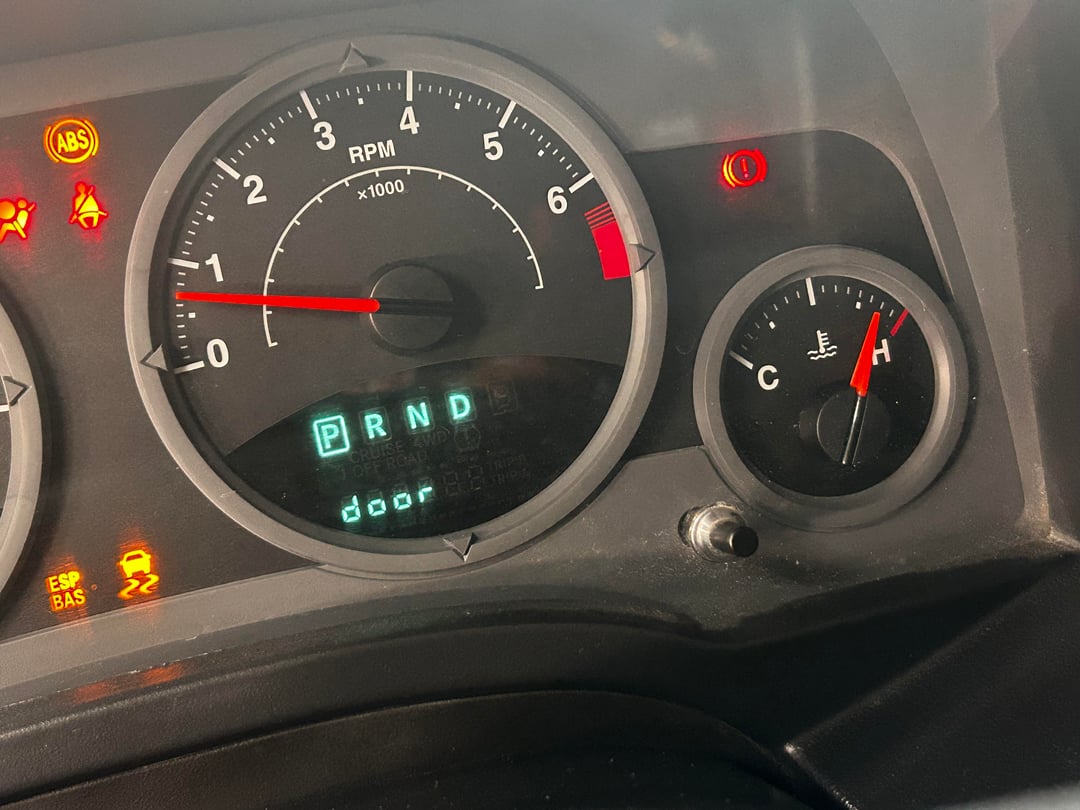
- Temperature gauge in the red zone
- Steam or smoke from under the hood
- Sweet smell (coolant)
- Coolant warning light
- Ticking or knocking noises
- Poor engine performance
If you notice two or more of these signs together, stop driving and let the engine cool down. Driving with an overheating engine can cause a cracked head gasket or warped cylinder head, leading to repairs that cost thousands.
Diagnosing The Cause
Finding out why your Jeep Patriot is overheating requires a step-by-step approach. Here’s a helpful comparison of the most common causes and what to check first:
| Possible Cause | How to Check | Cost to Fix (Estimate) |
|---|---|---|
| Low Coolant | Check reservoir level | $20–$50 |
| Thermostat Failure | Check if upper radiator hose gets hot | $100–$250 |
| Radiator Fan Not Working | Listen for fan at idle and when hot | $200–$500 |
| Leaking Water Pump | Look for puddles under engine | $300–$800 |
| Clogged Radiator | Check for rusty or dirty coolant | $150–$400 |
Most overheating cases are due to simple things like low coolant or a stuck thermostat. However, if the engine is still hot after basic checks, a deeper issue may exist.
Fixing Overheating Problems
Solving overheating in your Jeep Patriot starts with the right repairs. Here’s what you should do, step by step:
- Let the engine cool down before touching anything. Hot coolant can cause burns.
- Check coolant level. If it’s low, top up with the correct mix (50/50 water and antifreeze). Only open the cap when the engine is cool.
- Inspect for leaks under the car and around the radiator, hoses, and water pump.
- Test the radiator fan. Start the engine, let it warm up, and see if the fan turns on when hot.
- Replace the thermostat if the upper radiator hose stays cool after the engine heats up.
- Flush the radiator if coolant is dirty or rusty.
- Check the heater core. If the cabin heater blows cold, the core may be clogged.
If these steps do not fix the problem, a mechanic should test for a blown head gasket. This is a common hidden issue on higher-mileage Patriots.
Preventing Future Overheating
Prevention is always better than repair. Simple habits can keep your Jeep Patriot’s cooling system healthy:
- Check coolant level every month
- Inspect hoses and belts for cracks or leaks every oil change
- Replace coolant every 2–3 years (or 30,000 miles)
- Clean debris from the front of the radiator
- Listen for odd noises from the water pump
It’s easy to forget these steps, but skipping them can lead to surprise breakdowns on hot days or long trips.
Real-world Example: 2012 Jeep Patriot
A 2012 Jeep Patriot owner noticed the temperature gauge creeping higher during city driving. The fan was not turning on at idle. After checking, the owner found a blown radiator fan fuse. Replacing the fuse fixed the problem immediately. This shows how a small electrical part can stop the whole cooling system.
Jeep Patriot Cooling System Specs
Here’s a quick look at key cooling system details for most Jeep Patriot models:
| Component | Specification |
|---|---|
| Coolant Capacity | 7.4 quarts (7.0 liters) |
| Coolant Type | HOAT (Hybrid Organic Acid Technology) |
| Thermostat Opening Temp | 195°F (90°C) |
| Radiator Fan Activation | Approx. 220°F (104°C) |
Using the wrong coolant type or mixing different coolants can cause blockages and damage.
Non-obvious Insights
Many owners focus on the radiator and coolant but forget about the radiator cap. A weak or faulty cap can cause coolant to boil at a lower temperature, leading to overheating even if everything else is working. Also, air pockets trapped after a coolant change can cause overheating. Always “burp” the system by running the engine with the heater on high and the radiator cap off (when cool), to let trapped air escape.
Some drivers overlook the cabin heater. If the heater suddenly stops blowing hot air when the engine is hot, this often signals a coolant flow problem, not a heater core issue.
When To Seek Professional Help
If the above checks and fixes do not solve your Jeep Patriot overheating problem, or if you see white smoke from the exhaust, contact a certified mechanic. Overheating can destroy an engine within minutes if ignored.
For more in-depth details about cooling systems, the Wikipedia Cooling System page offers a technical explanation.
Frequently Asked Questions
<!– wp:rank-math/faq-block {"questions":[{"id":"faq-question-c3b1d7998ce6","title":"Why Does My Jeep Patriot Overheat Only In Traffic?","content":"This often points to a faulty radiator fan or a bad fan relay. In traffic, airflow drops, so the fan must work harder to keep things cool.
“,”visible”:true},{“id”:”faq-question-f5219c0fbd02″,”title”:”Can I Use Water Instead Of Coolant In An Emergency?”,”content”:”Yes, but only short-term. Water alone does not protect against rust or freezing. Replace with proper coolant as soon as possible.
“,”visible”:true},{“id”:”faq-question-67bf5e2837e2″,”title”:”How Much Does It Cost To Fix Overheating In A Jeep Patriot?”,”content”:”Simple fixes like coolant top-off may cost $30. More serious repairs, like a new water pump or head gasket, can cost $500–$2,000.
“,”visible”:true},{“id”:”faq-question-4264fdd91e5e”,”title”:”Is It Safe To Drive My Patriot If It’s Overheating?”,”content”:”No. Driving while overheating can warp the cylinder head or blow the head gasket, making repairs much more expensive.
“,”visible”:true},{“id”:”faq-question-687d7a74321e”,”title”:”How Often Should I Change My Jeep Patriot’s Coolant?”,”content”:”Change your coolant every 2–3 years or every 30,000 miles for best results. This helps avoid corrosion and blockages.
Taking quick action and regular checks can keep your Jeep Patriot running smoothly for years. Overheating is serious, but with smart maintenance, you can avoid most problems before they start.
“,”visible”:true}]} –>Why Does My Jeep Patriot Overheat Only In Traffic?
This often points to a faulty radiator fan or a bad fan relay. In traffic, airflow drops, so the fan must work harder to keep things cool.
Can I Use Water Instead Of Coolant In An Emergency?
Yes, but only short-term. Water alone does not protect against rust or freezing. Replace with proper coolant as soon as possible.
How Much Does It Cost To Fix Overheating In A Jeep Patriot?
Simple fixes like coolant top-off may cost $30. More serious repairs, like a new water pump or head gasket, can cost $500–$2,000.
Is It Safe To Drive My Patriot If It’s Overheating?
No. Driving while overheating can warp the cylinder head or blow the head gasket, making repairs much more expensive.
How Often Should I Change My Jeep Patriot’s Coolant?
Change your coolant every 2–3 years or every 30,000 miles for best results. This helps avoid corrosion and blockages.
Taking quick action and regular checks can keep your Jeep Patriot running smoothly for years. Overheating is serious, but with smart maintenance, you can avoid most problems before they start.