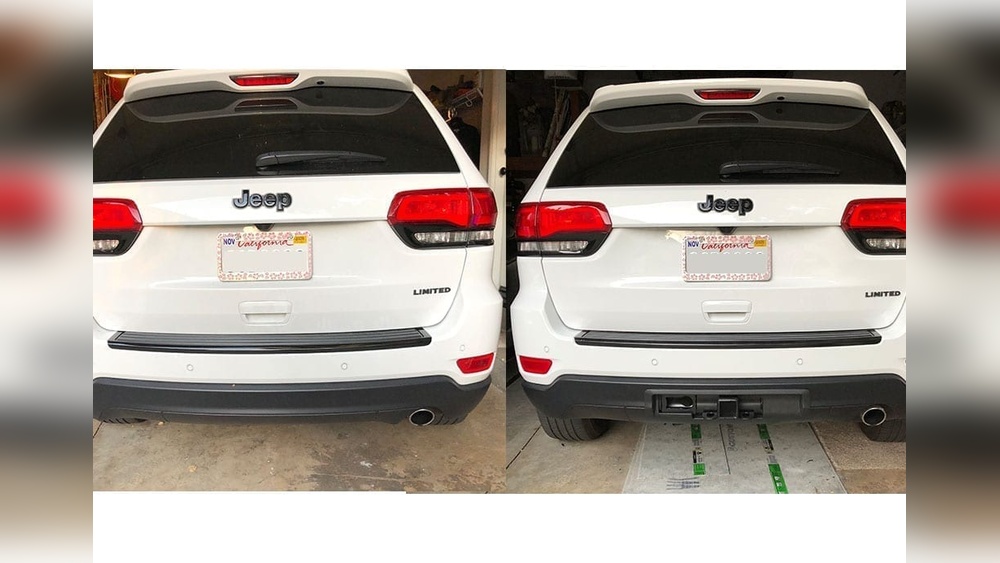
Installing a trailer hitch on your Jeep Grand Cherokee opens up new possibilities for towing boats, campers, or cargo carriers. Many owners think the process is complicated, but with the right preparation, it’s straightforward.
This guide breaks down every step, from choosing the correct hitch to tips for safe towing. Whether you’re a first-time installer or just need a refresher, you’ll find clear instructions and useful advice to make your Jeep ready for the road.
Understanding Trailer Hitch Types For Jeep Grand Cherokee
Before you start, it’s important to know the different types of trailer hitches available. The right choice depends on your towing needs and your Jeep’s model year.
| Hitch Type | Towing Capacity | Best For |
|---|---|---|
| Class III | Up to 5,000 lbs | Small trailers, bike racks |
| Class IV | Up to 7,500 lbs | Boats, campers |
| Class V | Up to 10,000 lbs | Heavy equipment |
Most Grand Cherokees are compatible with Class III or Class IV hitches. Always check your owner’s manual for exact towing limits. Using the wrong hitch can cause damage or unsafe towing.
Preparing For Trailer Hitch Installation
Proper preparation saves time and avoids mistakes. Here’s what you’ll need:
- Trailer hitch kit (with mounting hardware)
- Socket wrench set
- Torque wrench
- Safety glasses
- Jack and stands (optional for extra clearance)
- Penetrating oil (for rusty bolts)
Check your Jeep’s underside for any rust or damage. Clean the area where the hitch will attach. This step helps bolts fit tightly and prevents future issues.
Comparing Oem Vs Aftermarket Hitches
Choosing between OEM (original equipment manufacturer) and aftermarket hitches is a common question. Here’s a quick comparison:
| Feature | OEM | Aftermarket |
|---|---|---|
| Fit | Guaranteed | Varies |
| Price | Higher | Lower |
| Warranty | Usually included | Depends on brand |
OEM hitches are more expensive but offer perfect fit and factory warranty. Aftermarket hitches can save money, but quality varies. Always read reviews and check the fit for your Jeep’s model.

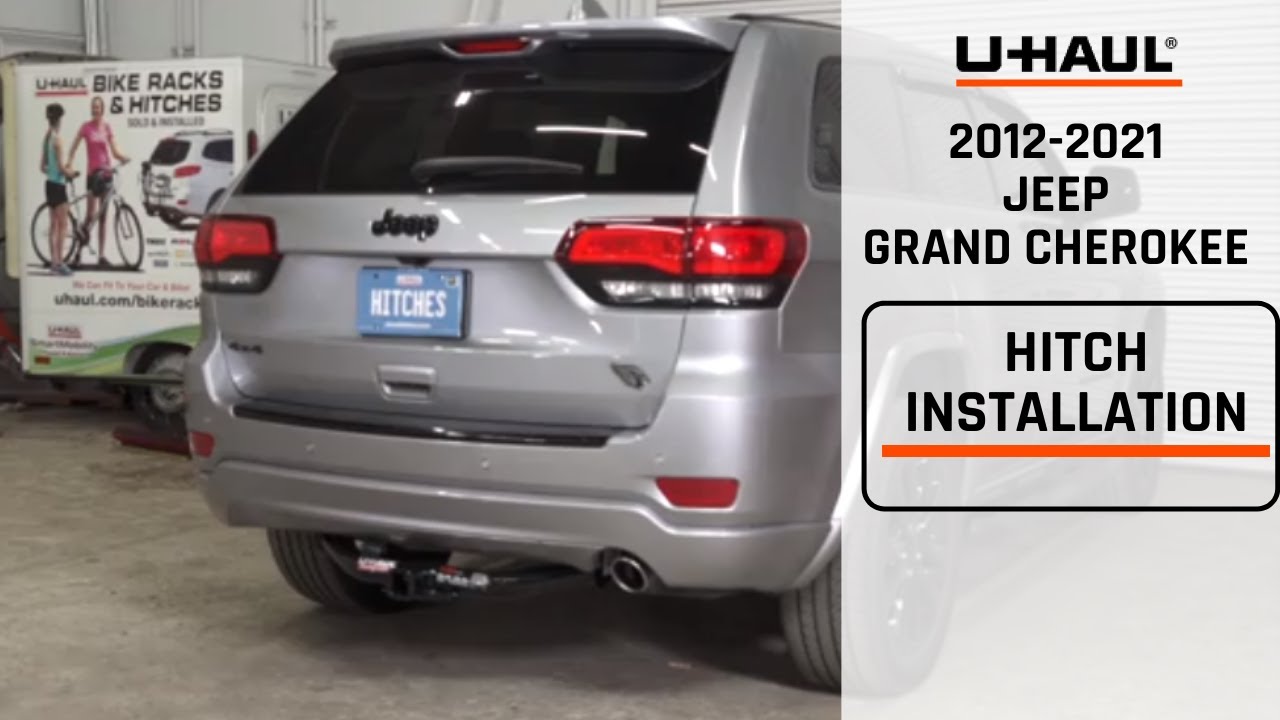
Step-by-step Trailer Hitch Installation
Installing a hitch is a task many can do at home in about 1–2 hours. Here’s how:
- Park and Prepare: Place your Jeep on a flat surface. Turn off the engine and set the parking brake.
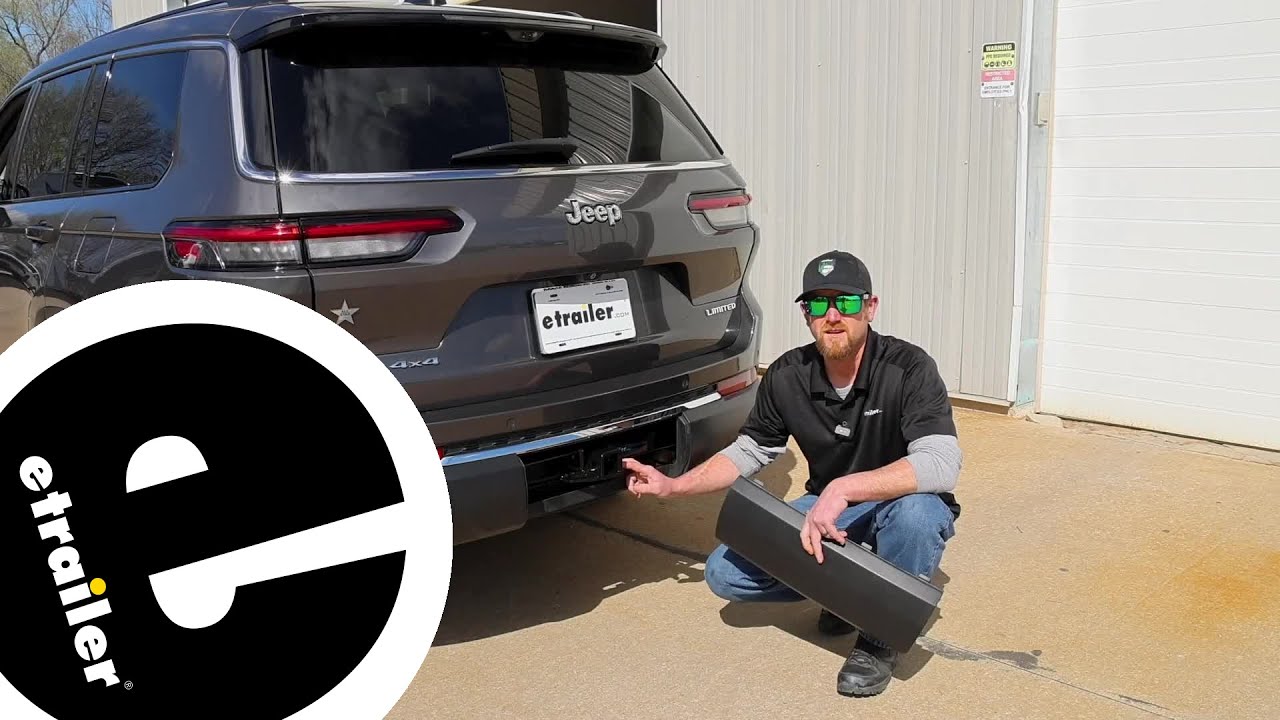
- Remove Rear Bolts: Some models have bolts or plastic plugs where the hitch mounts. Use a socket wrench and penetrating oil if bolts are rusty.
- Position the Hitch: Lift the hitch into place. It’s easier with a helper, but you can use a jack to hold it.
- Insert Bolts: Secure the hitch with supplied bolts. Always start bolts by hand to avoid cross-threading.
- Tighten Bolts: Use a torque wrench to tighten bolts to the recommended specs. Over-tightening can damage the frame.
- Install Wiring: If your trailer needs lights, connect the wiring harness. Most kits include plug-and-play connectors.
- Check Everything: Inspect all bolts and connections. Wiggle the hitch gently to ensure it’s secure.
Practical Tips For A Smooth Installation
- Pre-fit the hitch before final tightening to ensure alignment.
- Check for exhaust interference; some hitches sit close to the muffler.
- Use anti-seize compound on bolts to prevent future rust.
- Double-check torque specs in your Jeep’s manual; don’t guess.
Many beginners miss that some Jeep Grand Cherokee models have hidden mounting points behind the bumper. This detail can cause confusion and delays if not noticed early.
Safety Checks And Towing Advice
After installation, safety is your top priority. Here’s what to look for:
- Inspect Hitch and Wiring: Test trailer lights and check for loose bolts.
- Know Your Limits: Never exceed your Jeep’s towing capacity. Overloading risks accidents and damages your vehicle.
- Use Safety Chains: Always attach chains between trailer and Jeep. They act as backup if the hitch fails.
- Check Tire Pressure: Towing adds weight, so tires need proper pressure.
- Test Brakes: Extra weight affects braking. Consider a trailer brake controller for heavy loads.
Example: Towing A Medium Trailer
A 2026 Grand Cherokee with a Class IV hitch can tow up to 7,200 lbs. For a 3,000 lb camper, you’re well within limits. But adding cargo and passengers can push you closer to max capacity—always calculate total weight.
Common Mistakes To Avoid
Most installation errors come from rushing or skipping instructions. Here are mistakes to watch out for:
- Wrong hitch size: Don’t assume all Grand Cherokees use the same hitch.
- Ignoring torque specs: Loose bolts can cause accidents.
- Skipping wiring: Without proper wiring, trailer lights won’t work.
- Not checking fit: Aftermarket hitches sometimes require minor adjustments.
Another issue beginners miss: some newer Grand Cherokee models have sensors near the bumper that can be blocked by the hitch. Always check for interference.
Cost And Time Estimates
Trailer hitch kits for the Jeep Grand Cherokee range from $150 to $350. Professional installation usually costs $100–$250. DIY installation is cheaper but takes more time.
| Method | Cost | Time |
|---|---|---|
| DIY | $150–$350 (kit) | 1–2 hours |
| Professional | $250–$600 (kit + labor) | 30–60 minutes |
If you’re unsure about wiring or torque specs, hiring a professional is a smart move.
Frequently Asked Questions
<!– wp:rank-math/faq-block {"questions":[{"id":"faq-question-eff8e99a11ec","title":"What Size Hitch Does My Jeep Grand Cherokee Need?","content":"Most Grand Cherokees use a 2-inch receiver (Class III or IV). Always check your owner’s manual for the exact size.
“,”visible”:true},{“id”:”faq-question-aaaadb7cce85″,”title”:”Can I Install A Trailer Hitch Myself?”,”content”:”Yes, many owners install hitches at home. The process takes about 1–2 hours with basic tools and patience.
“,”visible”:true},{“id”:”faq-question-a071823d26bf”,”title”:”Do I Need To Upgrade My Jeep’s Suspension For Towing?”,”content”:”For light trailers, stock suspension is usually fine. If you plan to tow heavy loads often, consider air suspension or upgraded shocks.
“,”visible”:true},{“id”:”faq-question-36046216cccb”,”title”:”How Do I Connect Trailer Wiring?”,”content”:”Most Jeep Grand Cherokee models have a plug-and-play wiring harness. Locate the connector near the rear bumper and follow kit instructions.
“,”visible”:true},{“id”:”faq-question-84954749b97f”,”title”:”Where Can I Find Official Torque Specs?”,”content”:”You’ll find torque specs in the Jeep owner’s manual or from the manufacturer. For more details, visit the Jeep Official Site.
Installing a trailer hitch on your Jeep Grand Cherokee is a rewarding project. With the right tools and careful steps, you’ll be towing confidently and safely. Always double-check fit, wiring, and torque for the best results. And remember, safe towing depends on staying within your Jeep’s limits and regular maintenance.
“,”visible”:true}]} –>What Size Hitch Does My Jeep Grand Cherokee Need?
Most Grand Cherokees use a 2-inch receiver (Class III or IV). Always check your owner’s manual for the exact size.
Can I Install A Trailer Hitch Myself?
Yes, many owners install hitches at home. The process takes about 1–2 hours with basic tools and patience.
Do I Need To Upgrade My Jeep’s Suspension For Towing?
For light trailers, stock suspension is usually fine. If you plan to tow heavy loads often, consider air suspension or upgraded shocks.
How Do I Connect Trailer Wiring?
Most Jeep Grand Cherokee models have a plug-and-play wiring harness. Locate the connector near the rear bumper and follow kit instructions.
Where Can I Find Official Torque Specs?
You’ll find torque specs in the Jeep owner’s manual or from the manufacturer. For more details, visit the Jeep Official Site.
Installing a trailer hitch on your Jeep Grand Cherokee is a rewarding project. With the right tools and careful steps, you’ll be towing confidently and safely. Always double-check fit, wiring, and torque for the best results. And remember, safe towing depends on staying within your Jeep’s limits and regular maintenance.