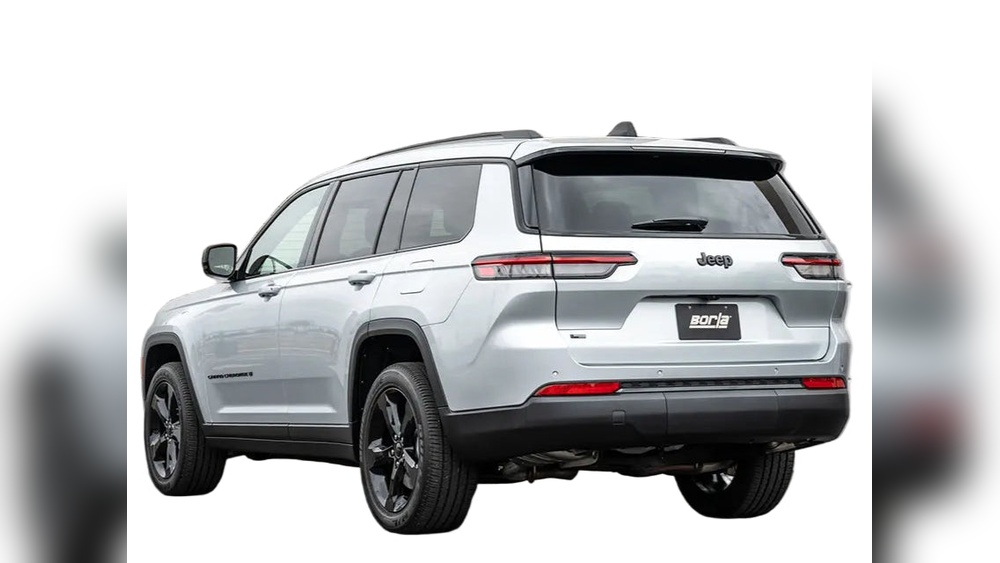
If your Jeep Cherokee feels rough, hesitates, or struggles to start, your spark plugs might be the issue. Spark plugs are small but vital parts.
They ignite the air-fuel mixture inside your engine, powering your vehicle. Replacing them can boost performance, improve fuel efficiency, and prevent engine damage.
Whether you’re handy or just want to understand what’s involved, this guide covers everything you need to know about Jeep Cherokee spark plug replacement.
Why Spark Plug Replacement Matters
Over time, spark plugs wear out. The metal tips erode, gaps widen, and deposits build up. This leads to poor ignition, misfires, and wasted fuel. Most mechanics recommend changing spark plugs every 30,000 to 100,000 miles, depending on the type and driving conditions.
Symptoms of bad spark plugs include:
- Engine misfires
- Hard starts
- Poor acceleration
- Lower gas mileage
Ignoring these signs can result in costly engine repairs. Regular replacement keeps your Cherokee running smoothly and reliably.
Choosing The Right Spark Plugs
Not all spark plugs are the same. You need the right type for your Jeep Cherokee’s engine. Most Cherokees use either copper, iridium, or platinum spark plugs. Each has its own lifespan and performance features.
| Type | Lifespan | Performance | Cost |
|---|---|---|---|
| Copper | 30,000 miles | Good | Low |
| Platinum | 60,000 miles | Better | Medium |
| Iridium | 100,000 miles | Best | High |
Check your owner’s manual or look for the original plug part number. Using the wrong type can cause misfires or even engine damage.

Tools And Preparation
Before starting, gather the following:
- New spark plugs (correct type and number)
- Socket wrench with spark plug socket
- Extension bar
- Torque wrench (for proper tightness)
- Anti-seize compound (optional)
- Compressed air (to clean debris)
- Ratchet and screwdriver
Make sure the engine is cool. Working on a hot engine can cause burns and make removal harder.
Step-by-step Replacement Guide
Replacing spark plugs is straightforward, but attention to detail matters. Here’s how to do it:
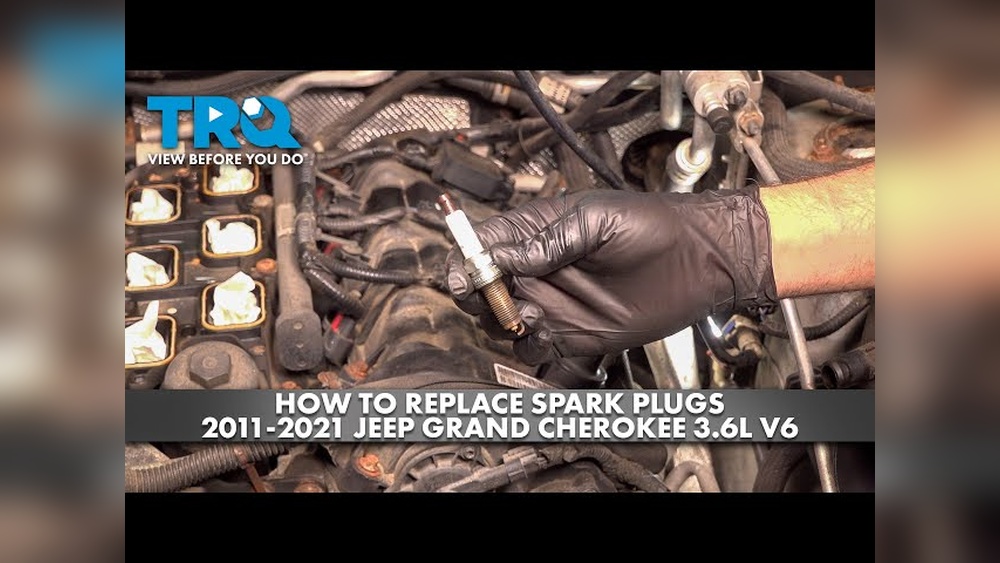
- Locate the spark plugs. On most Cherokees, they’re under the ignition coils. Remove any covers or air intake parts blocking access.
- Clean the area. Use compressed air to blow away dirt. This prevents debris from falling into the cylinder.
- Remove the ignition coil or wire. Gently unplug each coil or wire. Mark them if needed, so you don’t mix them up.
- Unscrew the old spark plug. Use your socket wrench. Turn counterclockwise. If it’s stuck, don’t force it—spray a little penetrating oil and wait.
- Inspect the old plug. Look for oil, carbon, or a worn electrode. This can indicate engine issues. Compare the plug to the manufacturer’s specs.
- Install the new spark plug. If using anti-seize, apply a tiny amount to the threads. Screw in the new plug by hand to avoid cross-threading.
- Torque to specification. Use a torque wrench to tighten the plug to the recommended value—usually 13-15 ft-lbs for most Cherokees.
- Reconnect ignition coil or wire. Push it firmly in place.
- Repeat for all plugs. Cherokees typically have four or six plugs, depending on the engine.
Take care not to over-tighten. Too much force can crack the plug or damage the cylinder head.
Common Mistakes To Avoid
Many beginners make simple errors. Here’s what to watch out for:
- Mixing up plug wires: Always mark or note their position.
- Over-tightening: This can break the plug or strip the threads.
- Not cleaning the area: Dirt can enter the engine, causing damage.
- Wrong spark plug type: Double-check compatibility.
A non-obvious insight: Changing plugs one at a time keeps everything in order. Also, when handling iridium or platinum plugs, avoid touching the tip. Oils from your hands can cause premature failure.
Jeep Cherokee Spark Plug Specs
To help, here’s a quick reference for popular Cherokee engine models:
| Engine | Plug Type | Gap (in.) | Number of Plugs |
|---|---|---|---|
| 2.4L I4 | Iridium | 0.043 | 4 |
| 3.2L V6 | Platinum | 0.044 | 6 |
| 2.0L Turbo | Iridium | 0.044 | 4 |
Always confirm the spark plug gap before installation. Even new plugs can be slightly off.
When To Replace Spark Plugs
Most Jeep Cherokees need new spark plugs every 30,000–100,000 miles. Factors that may shorten this interval:
- Heavy towing or off-road driving
- Frequent short trips
- Low-quality fuel
A tip many forget: Even if your plugs last longer, check them every 30,000 miles for deposits or wear.
Cost And Time Estimates
Replacing spark plugs yourself saves money. Here’s a typical cost breakdown:
- Parts: $24-$60 (for a set)
- Labor: $80-$150 (if done at a shop)
- Time required: 45–90 minutes for most Cherokees
Doing it yourself can cut your bill by over half.
After Replacement: What To Expect
Once you’ve replaced the spark plugs, you’ll likely notice:
- Smoother engine performance
- Faster starts
- Better fuel economy (up to 10% improvement)
- Reduced emissions
Be aware: If the engine still runs rough, you may have missed a wire or need to check other ignition components.
Frequently Asked Questions