Adding transmission fluid to your Jeep Cherokee is one of those jobs that can seem intimidating if you’ve never done it. But with the right guidance, you’ll see it’s actually straightforward. Keeping the transmission fluid at the proper level is important for your SUV’s health.
Low or dirty fluid can cause rough shifting, overheating, or even serious damage to the transmission. Whether you drive an older Jeep Cherokee XJ or a newer model, the basic steps are similar, but always check your owner’s manual for details.
show you how to add transmission fluid to a Jeep Cherokee, point out what tools you need, warn about common mistakes, and help you avoid costly problems. By the end, you’ll feel confident to do this simple maintenance on your own.
Why Transmission Fluid Matters In Your Jeep Cherokee
Transmission fluid is more than just a lubricant. It cools the transmission, helps with smooth shifting, and protects internal parts from wear. If your fluid is low, you might notice symptoms like:
- Hard or delayed shifting
- Slipping gears
- Grinding or strange noises
- Transmission overheating warning light
Ignoring these signs can lead to expensive repairs. According to the Car Care Council, a lack of proper transmission fluid is a leading cause of transmission failure. For a Jeep Cherokee, replacing a damaged transmission can cost from $2,000 to $4,000 or more, depending on the model and region.
Signs Your Jeep Cherokee Needs More Transmission Fluid
Not sure if your Jeep needs more transmission fluid? Look for these common warning signs:
- Delayed gear engagement: When you shift from park to drive or reverse, there’s a noticeable pause.
- Transmission slipping: The engine revs, but the vehicle doesn’t accelerate as it should.
- Unusual noises: Whining, clunking, or grinding when changing gears.
- Burning smell: Overheated or burnt transmission fluid can smell sharp or sweet.
- Fluid leaks: Puddles or spots under your Jeep, often red or brown in color.
If you notice any of these, check your fluid level right away.

Tools And Supplies You Need
Gathering the right tools before you start will make the process much easier. Here’s what you’ll need:
- Transmission fluid: Make sure to use the correct type for your Jeep Cherokee. Check the owner’s manual. Most models use ATF+4 or Dexron III.
- Long funnel: To reach the transmission fill tube.
- Clean rags: For wiping the dipstick and cleaning spills.
- Gloves: Transmission fluid can be messy and hard to wash off.
- Jack and jack stands (if needed): For some models, you may need to raise the car to access the fill/check plug.
- Socket wrench set: For transmission pans without a dipstick.
- Owner’s manual: For specifications.
How To Check Transmission Fluid Level
Before adding fluid, always check the current level to avoid overfilling. The steps can vary, but most Jeep Cherokees with an automatic transmission have a dipstick under the hood.
Here’s how to check:
- Park on level ground and set the parking brake.
- Start the engine and let it reach normal operating temperature.
- Keep the engine running and shift through all gears, ending in Park or Neutral.
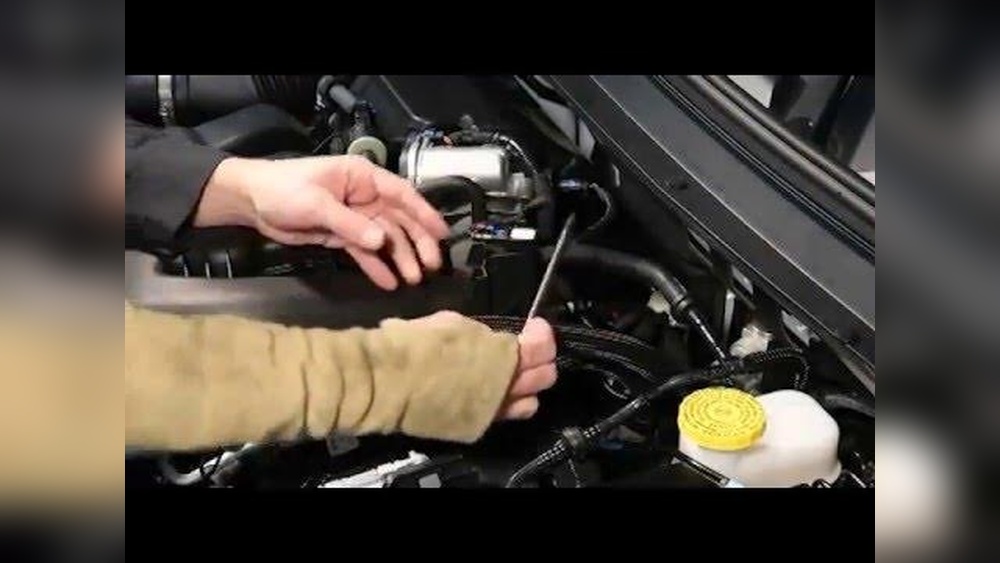
- Open the hood and locate the transmission dipstick (usually labeled).
- Pull out the dipstick, wipe it clean, reinsert it fully, then remove it again.
- Check the fluid level. It should be between the “Add” and “Full” marks.
If your model does not have a dipstick (common in newer Cherokees), you’ll need to access the fill/check plug underneath the vehicle. Always follow your Jeep’s specific instructions.
| Model Year | Dipstick Present? | Fluid Type |
|---|---|---|
| 1997 to 2001 (XJ) | Yes | Dexron III |
| 2014 to 2021 (KL) | No (sealed) | ATF+4 |
| 2022+ (WL) | No (sealed) | ATF+4 |
Step-by-step: How To Add Transmission Fluid Jeep Cherokee
The exact process depends on your Cherokee’s year and transmission type. Here’s a general guide for adding fluid to most Jeep Cherokees with a dipstick. For sealed systems, see the next section.
For Models With A Dipstick
- Check the fluid level as described above.
- If the fluid is below the “Add” mark, get your funnel ready.
- Insert the funnel into the transmission dipstick tube.
- Pour transmission fluid slowly, usually add about half a quart at a time.
- Wait 30 seconds, then recheck the level with the dipstick.
- Repeat until the fluid reaches the “Full” mark. Do not overfill.
- Remove the funnel, wipe up any spills, and replace the dipstick securely.
For Models Without A Dipstick (sealed Transmissions)
Newer Jeep Cherokees use a sealed transmission system. Adding fluid is more complex and may require special tools. Here’s a simplified overview:
- Raise the vehicle safely and securely with jack stands.
- Locate the transmission fill/check plug (usually on the side or bottom of the transmission).
- With the engine running and at operating temperature, remove the fill plug.
- If fluid drips out, the level is correct. If not, add fluid with a fluid pump until it starts to drip.
- Reinstall the fill plug.
If you’re unsure, it’s wise to have a professional do this service. Overfilling or using the wrong fluid can cause damage.
| Step | Time Required | Difficulty |
|---|---|---|
| Add fluid (with dipstick) | 10 to 15 minutes | Easy |
| Add fluid (sealed) | 20 to 30 minutes | Moderate |
Choosing The Right Transmission Fluid For Your Jeep Cherokee
Using the correct transmission fluid is essential. The wrong type can damage seals and cause shifting issues. Here’s how to find the right fluid:
- Check your owner’s manual for the exact type and specification.
- Common Jeep Cherokee fluids: ATF+4, Dexron III/Mercon.
- Never mix different types of fluid.
- Buying quality fluid is worth it, a quart costs $6, $12, but using the wrong fluid can lead to $2,000+ in repairs.
Some owners try universal fluids, but these rarely match Jeep’s requirements. Stick to recommended brands for safety.
Practical Tips And Common Mistakes
Even simple jobs have pitfalls. tips and warnings:
- Add fluid slowly to avoid overfilling. Too much fluid can foam and cause shifting problems.
- Check for leaks before and after adding fluid. Even a small drip can become a big problem.
- Always use a clean funnel and fluid bottle. Dirt can damage your transmission.
- Warm up the engine before checking or adding fluid. Cold fluid expands as it heats, so levels change.
- Don’t ignore color or smell. Healthy transmission fluid is usually bright red and has a sweet smell. Brown, black, or burnt-smelling fluid means it’s time for a change, not just a top-off.
- If you add fluid often, there may be a hidden leak. Get it checked by a mechanic.
One non-obvious insight: Some Jeep Cherokees have a filter inside the transmission that can get clogged. If you notice shifting problems even after topping off the fluid, the filter may need replacement. Another tip: Transmission fluid expands as it heats up, so always check and add fluid with the engine at normal temperature for accuracy.
Cost Of Adding Transmission Fluid To A Jeep Cherokee
Doing it yourself is affordable. Here’s a quick breakdown:
| Item | Typical Cost |
|---|---|
| Transmission fluid (per quart) | $6, $12 |
| Funnel | $5, $10 |
| Gloves/rags | $2, $5 |
| Total DIY cost | $15, $35 |
| Professional service | $80, $150 |
If you do it yourself, you save money and learn more about your vehicle. But if you don’t feel confident, paying a professional can be worth it for peace of mind.
Pros And Cons Of Diy Transmission Fluid Top-up
Every vehicle job has advantages and drawbacks. Here’s a quick summary:
Pros:
- Saves money
- Increases car knowledge
- You control the quality of fluid used
- Quick for most models
Cons:
- Can be messy
- Risk of overfilling or using the wrong fluid
- Some sealed transmissions are hard to access
- Mistakes can be costly
If you’re careful and follow the steps, most beginners can do this safely.
When To Seek Professional Help
If your Jeep Cherokee has a sealed transmission, or if you find leaks, shifting problems, or burnt-smelling fluid, it’s best to consult a mechanic. Some repairs need special tools or expertise.
For more information on transmission maintenance, visit the official Jeep maintenance guide.
Check the fluid every 30,000 miles or once a year, whichever comes first. If you notice leaks or shifting issues, check them sooner.
“,”visible”:true},{“id”:”faq-question-e04784039a9e”,”title”:”What Type Of Transmission Fluid Does A 2019 Jeep Cherokee Use?”,”content”:”Most 2019 Jeep Cherokees use ATF+4 fluid. Check your owner’s manual or the label on the transmission dipstick for confirmation.
“,”visible”:true},{“id”:”faq-question-cad0dc77e6cb”,”title”:”Can I Use Any Brand Of Transmission Fluid?”,”content”:”No, always use the type recommended by Jeep. Using the wrong fluid can cause damage and void your warranty.
“,”visible”:true},{“id”:”faq-question-cd75494fbdfc”,”title”:”What Happens If I Add Too Much Transmission Fluid?”,”content”:”Too much fluid can cause foaming, slipping, and transmission damage. Always add small amounts and recheck the level.
“,”visible”:true},{“id”:”faq-question-a9eef7cd7d13″,”title”:”My Cherokee Has No Transmission Dipstick. How Do I Add Fluid?”,”content”:”For sealed transmissions, you’ll need to add fluid through the fill/check plug underneath the vehicle. This is more difficult and often best done by a professional.
nnnnKeeping your Jeep Cherokee’s transmission fluid at the right level is a simple way to protect your SUV and ensure smooth driving. With the right tools and a careful approach, you can do this task yourself, even as a beginner. Remember to use the correct fluid, check for leaks, and never overfill. A little regular attention now can save you thousands in repairs later.
nnnn- n
- How To Add Transmission Fluid Jeep Cherokee 2014 n
- 2015 Jeep Grand Cherokee Transmission Fluid Type 2 n
- Jeep Grand Cherokee Transmission Fluid Change n
How Often Should I Check Transmission Fluid In My Jeep Cherokee?
Check the fluid every 30,000 miles or once a year, whichever comes first. If you notice leaks or shifting issues, check them sooner.
What Type Of Transmission Fluid Does A 2019 Jeep Cherokee Use?
Most 2019 Jeep Cherokees use ATF+4 fluid. Check your owner’s manual or the label on the transmission dipstick for confirmation.
Can I Use Any Brand Of Transmission Fluid?
No, always use the type recommended by Jeep. Using the wrong fluid can cause damage and void your warranty.
What Happens If I Add Too Much Transmission Fluid?
Too much fluid can cause foaming, slipping, and transmission damage. Always add small amounts and recheck the level.
My Cherokee Has No Transmission Dipstick. How Do I Add Fluid?
For sealed transmissions, you’ll need to add fluid through the fill/check plug underneath the vehicle. This is more difficult and often best done by a professional.
Keeping your Jeep Cherokee’s transmission fluid at the right level is a simple way to protect your SUV and ensure smooth driving. With the right tools and a careful approach, you can do this task yourself, even as a beginner. Remember to use the correct fluid, check for leaks, and never overfill. A little regular attention now can save you thousands in repairs later.