Changing the transmission fluid in your Jeep Grand Cherokee is an important part of keeping your vehicle running well. Many drivers forget about transmission fluid, but it plays a big role in how your SUV shifts and performs. If you skip fluid changes, you could end up with rough gear changes or even costly repairs. This guide will help you understand when and how to change the transmission fluid, which type to use, and what mistakes to avoid.
Why Transmission Fluid Matters
The transmission fluid in your Grand Cherokee keeps the gears shifting smoothly and protects the transmission from heat and wear. Over time, the fluid becomes dirty or loses its effectiveness. This can lead to slipping gears, slow acceleration, and even complete transmission failure.
Most Jeep Grand Cherokees need a fluid change every 30,000 to 60,000 miles, but always check your owner’s manual. If you tow heavy loads or drive in stop-and-go traffic often, you may need to change it more often.
Signs You Need A Transmission Fluid Change
Watch for these warning signs:
- Rough or delayed shifting
- Unusual noises when shifting
- Burnt smell coming from the engine area
- Transmission slipping
- Fluid leaks under the car
If you notice any of these, check your fluid right away.
Choosing The Right Transmission Fluid
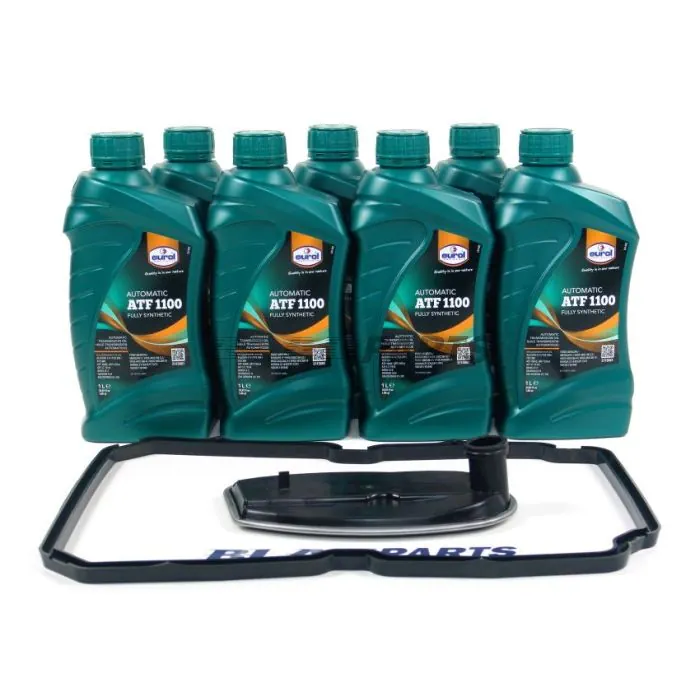
Using the correct fluid is critical. The Jeep Grand Cherokee has used several transmission types over the years.
Check your model year and engine to pick the right one.
Here’s a quick comparison of common Jeep Grand Cherokee transmissions and their fluids:
| Model Year | Transmission Type | Recommended Fluid |
|---|---|---|
| 1999–2004 | 42RE/545RFE (Automatic) | ATF+4 |
| 2005–2010 | W5A580/NAG1 (Automatic) | Shell 134/ATF+4 |
| 2011–2021 | 8HP45/8HP70 (Automatic) | ZF Lifeguard 8 |
Never mix fluid types. Using the wrong fluid can cause shifting problems or even damage the transmission. Most Grand Cherokees after 1999 require ATF+4 or a specific synthetic fluid. Always double-check before you buy.
Step-by-step: How To Change Transmission Fluid
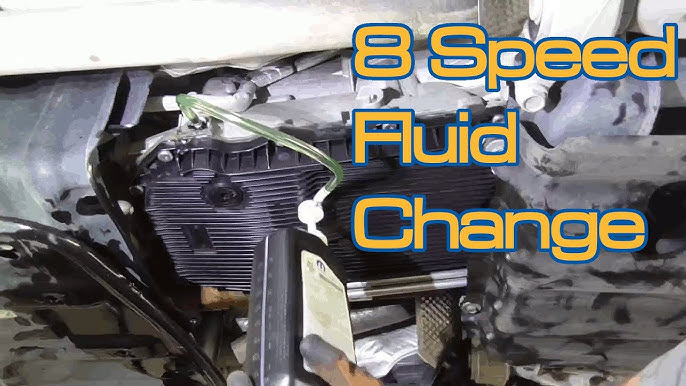
Changing your transmission fluid at home saves money, but the process must be done carefully. Here are the basic steps for most Grand Cherokees with automatic transmissions:
- Warm up the engine by driving for 10 minutes.
- Park on a level surface and set the parking brake.
- Lift the vehicle safely using ramps or jack stands.
- Place a drain pan under the transmission pan.
- Remove the pan bolts slowly, letting fluid drain out.
- Clean or replace the filter inside the pan.
- Clean the pan, removing metal shavings or dirt.
- Install a new pan gasket and bolt the pan back.
- Refill with new fluid using the correct type and amount.
- Start the engine and check for leaks.
- Check the fluid level after cycling through all gears.
Most Grand Cherokees hold between 5–8 quarts of transmission fluid. Always check your manual for the exact amount.
Here’s a quick look at the steps, time, and difficulty:
| Step | Time Needed | Difficulty |
|---|---|---|
| Drain Old Fluid | 10 min | Easy |
| Replace Filter/Gasket | 15–20 min | Medium |
| Refill and Test | 10–15 min | Easy |
Non-obvious Tips
- Always use a new transmission pan gasket; reusing the old one can cause leaks.
- Tighten pan bolts in a crisscross pattern to avoid warping the pan.
- Even after a change, some old fluid stays in the torque converter. A full flush replaces more fluid but is more complex.
Mistakes To Avoid
Many beginners make costly mistakes during a transmission fluid change. Avoid these:
- Overfilling or underfilling: Too much or too little fluid leads to shifting problems.
- Not replacing the filter: Dirt stays trapped and can harm your transmission.
- Using the wrong fluid: Always match the fluid to your transmission type.
- Ignoring leaks: Even small leaks can turn into major issues fast.
Another common error is not disposing of old fluid properly. Take used fluid to a recycling center never pour it down the drain.
Professional Vs. Diy Fluid Change
Should you do it yourself, or go to a shop? It depends on your comfort and tools.
A DIY change usually costs $60 $120 for fluid and parts. A shop will charge $150 $350 but includes a full inspection.
Here’s a quick comparison:
| Option | Cost | Pros | Cons |
|---|---|---|---|
| DIY | $60–$120 | Cheaper, learn new skill | Messy, takes time, possible mistakes |
| Shop | $150–$350 | Fast, expert service, less risk | More expensive |
If you have a newer Jeep or don’t feel confident, a professional service is often safer.
How Often Should You Change Transmission Fluid?
The interval depends on your driving style, environment, and Jeep model. Heavy towing, city driving, or extreme temperatures mean you should change fluid closer to every 30,000 miles. Light, highway driving may allow you to go up to 60,000 miles.
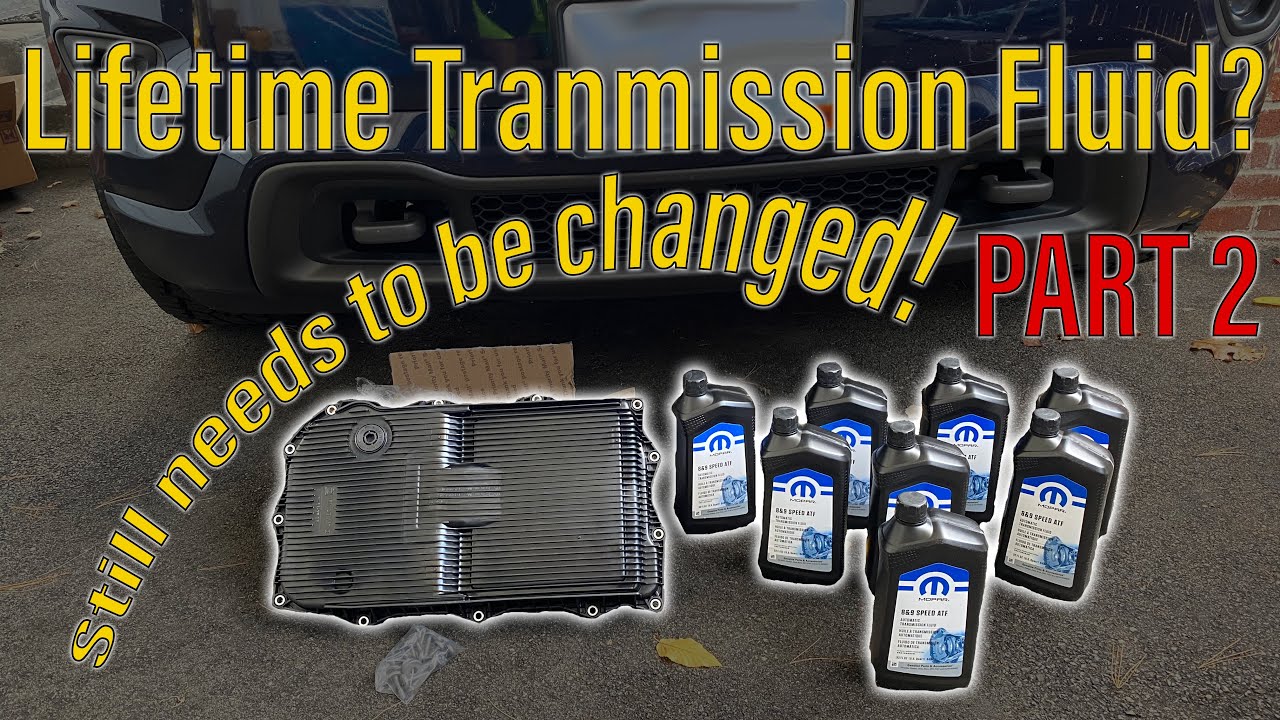
Some newer transmissions are called “sealed for life. ” Even so, fluid can still break down.
Ask your dealer or check your owner’s manual for advice.
Frequently Asked Questions
How Do I Check The Transmission Fluid Level On A Jeep Grand Cherokee?
Most models have a transmission dipstick under the hood. Check the level with the engine running and the transmission in Park. Fluid should be between the “Add” and “Full” lines.
Can I Use Regular Atf Instead Of Atf+4?
No. ATF+4 is specially made for Jeep transmissions. Using the wrong fluid can cause damage or poor shifting. Always follow your owner’s manual.
What Happens If I Overfill The Transmission?
Overfilling can cause foaming, leaks, and shifting problems. If you think you overfilled, drain some fluid or visit a professional.
How Do I Know If My Fluid Is Bad?
Bad fluid looks dark brown or black and may smell burnt. Good fluid is usually red or pink and does not smell.
Where Can I Learn More About Transmission Fluid Standards?
For more details on transmission fluids, visit the Wikipedia page on automatic transmission fluids.
Changing the transmission fluid in your Jeep Grand Cherokee helps keep your SUV running smoothly for years. By using the right fluid and following the correct steps, you can avoid expensive repairs and enjoy worry-free driving. If you ever feel unsure, don’t hesitate to get help from a qualified mechanic.