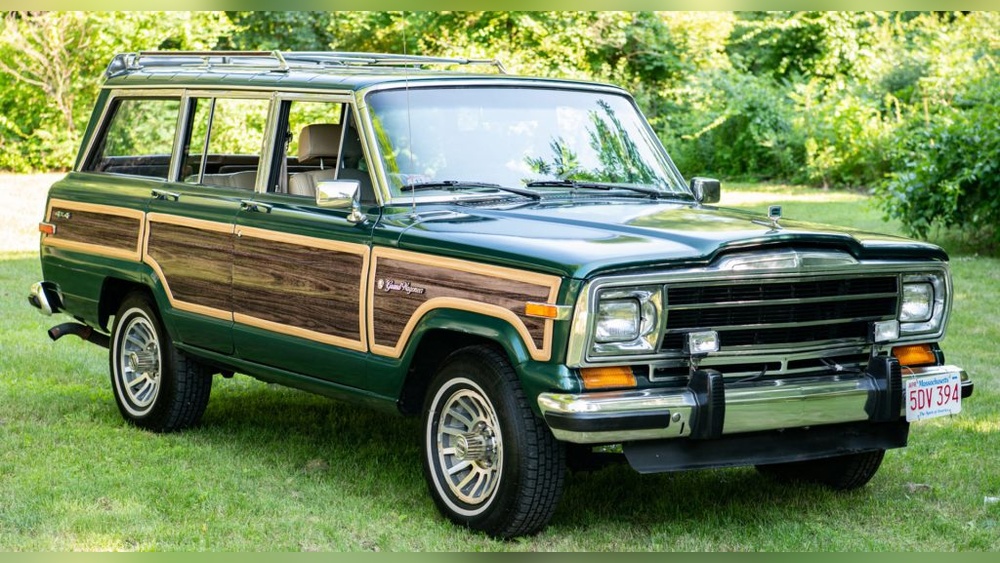
Can A Jeep Pull A Horse Trailer
Many horse owners love the idea of using their Jeep for towing a horse trailer. Jeeps are known for their off-road power and adventure lifestyle.
But can a Jeep really pull a horse trailer safely? The answer depends on several important factors.
If you are thinking about using your Jeep for horse hauling, you need to look beyond just the vehicle’s brand. The type of Jeep, trailer weight, and safety measures all play a key role.
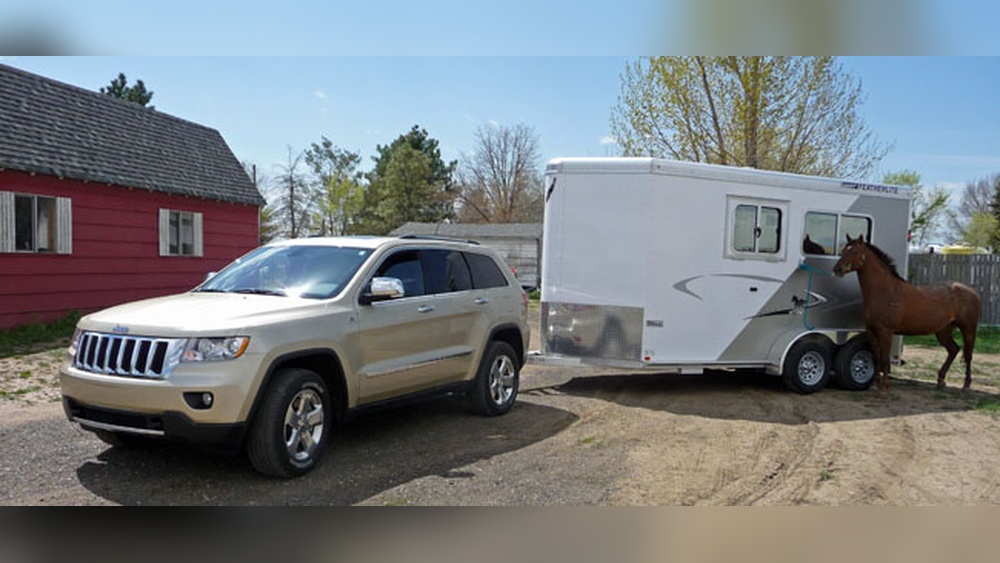
Let’s break down what you need to know to make the right choice.
Understanding Jeep Towing Capacities
Not all Jeeps are created equal when it comes to towing. Each model has its own towing capacity—the maximum weight it can safely pull. This number is set by the manufacturer and is found in your Jeep’s manual.
For example:
- Jeep Wrangler: Most models can tow between 2,000 and 3,500 pounds.
- Jeep Grand Cherokee: Can tow up to 7,200 pounds, depending on engine and trim.
- Jeep Gladiator: Designed for towing, with a max capacity around 7,650 pounds.
Here’s a quick comparison of the most common Jeep models:
| Jeep Model | Max Towing Capacity (lbs) |
|---|---|
| Wrangler | 2,000–3,500 |
| Cherokee | 2,000–4,500 |
| Grand Cherokee | 3,500–7,200 |
| Gladiator | 4,000–7,650 |
It’s critical to check your specific Jeep’s year and trim. Even within the same model, towing ratings can change depending on the engine or tow package.
Horse Trailer Weights: What You Need To Know
Horse trailers come in many sizes. The weight of the trailer plus the horses and gear is called the Gross Trailer Weight (GTW). A common mistake is only looking at the trailer’s empty weight.
- Single-horse bumper pull trailer: 2,300–3,000 lbs empty
- Two-horse bumper pull trailer: 2,800–4,000 lbs empty
- Each average horse: 900–1,200 lbs
- Tack and supplies: 200–300 lbs
Let’s see a typical loaded weight:
| Trailer Type | Empty Weight (lbs) | Loaded (1 Horse) (lbs) | Loaded (2 Horses) (lbs) |
|---|---|---|---|
| Single-horse | 2,500 | 3,700 | N/A |
| Two-horse | 3,000 | 4,200 | 5,400 |
Pro insight: Many new horse owners forget to include water, hay, and other supplies. Even a small trailer can reach 4,000–5,000 pounds quickly.
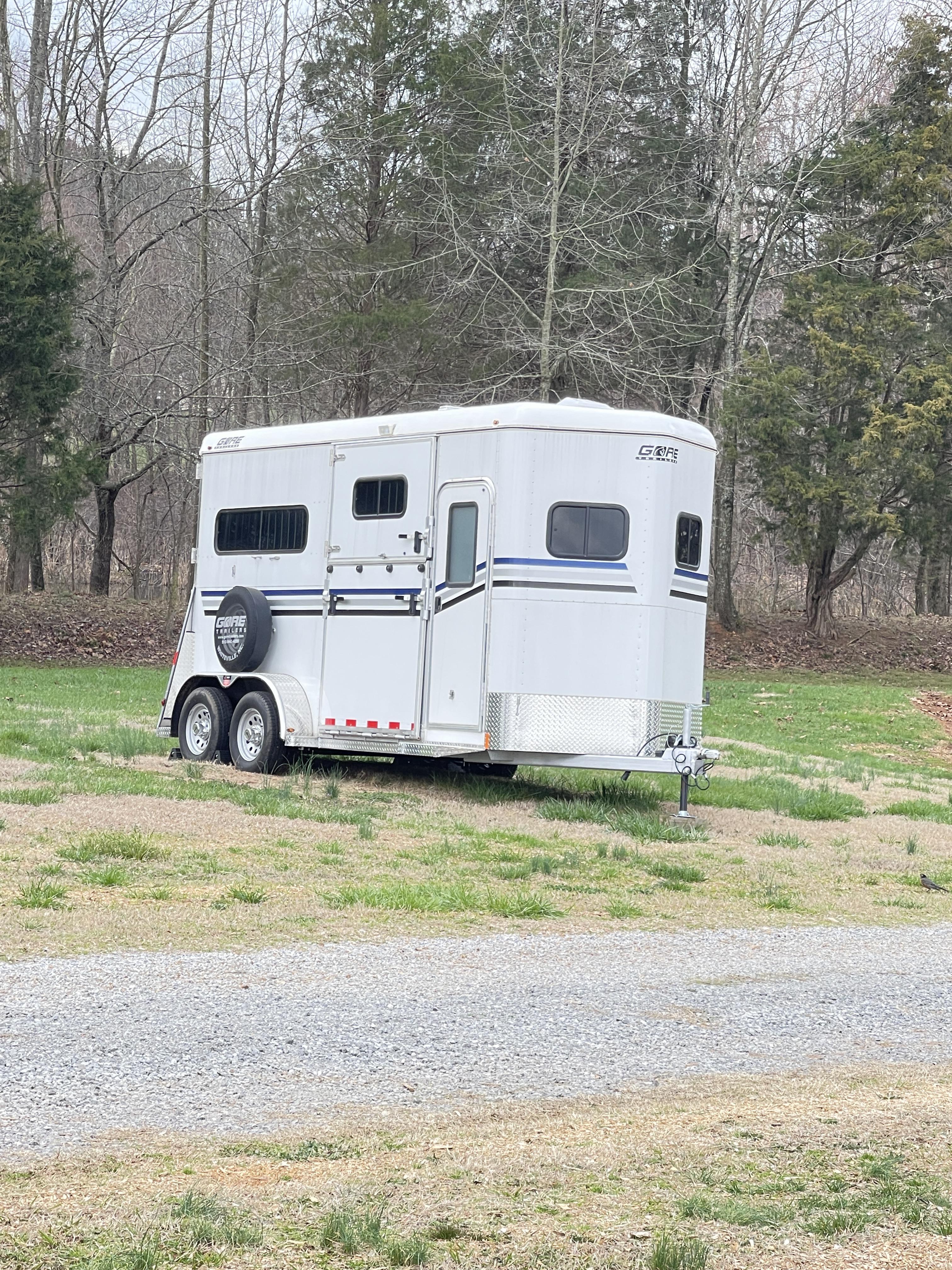
Matching Your Jeep To The Right Trailer
To know if your Jeep can pull a horse trailer, compare the Jeep’s towing capacity to the total loaded trailer weight. Always leave a safety margin—experts recommend towing no more than 80% of your Jeep’s max rating.
For example, if your Jeep’s max tow rating is 3,500 pounds, the safe working load is about 2,800 pounds.
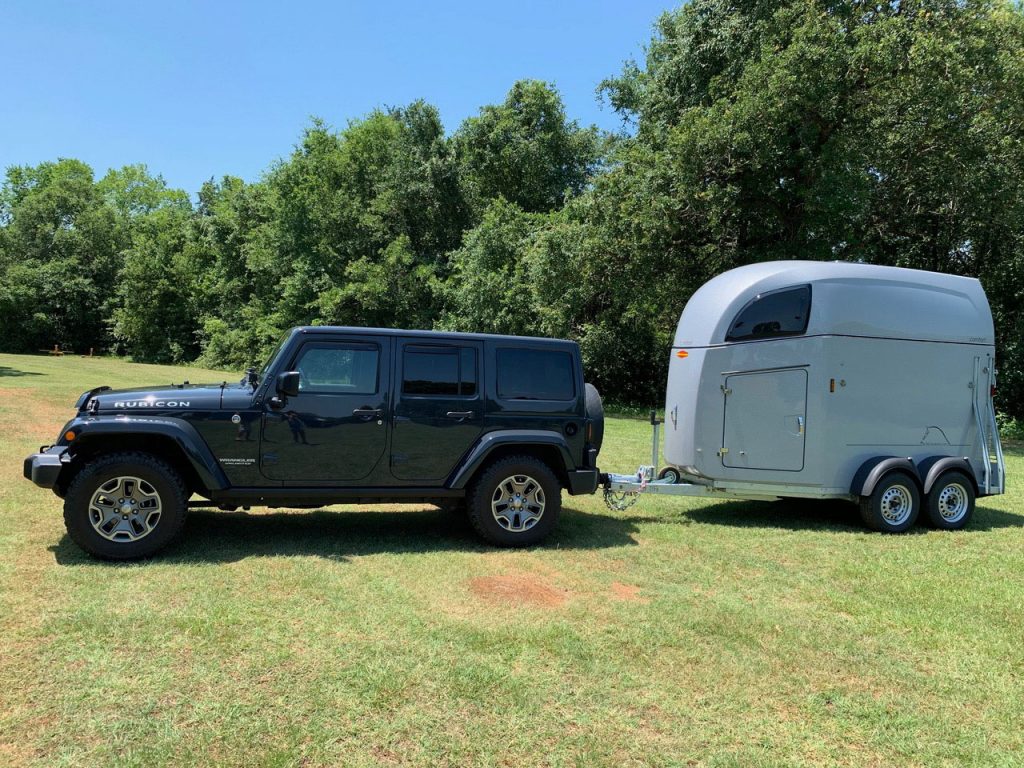
That means a Wrangler can tow a single-horse trailer with a small horse, but not a two-horse trailer with both horses inside.
The Jeep Grand Cherokee and Jeep Gladiator are better for heavier loads and two-horse trailers. However, even these vehicles can be pushed to their limits with larger trailers or hilly routes.
Here’s a quick guide:
- Check your Jeep’s specific towing rating.
- Calculate the full trailer weight (trailer + horses + gear + water).
- Stay below 80% of your Jeep’s limit for safety.
- Check your hitch rating—the hitch must match or exceed the load.
Safety Considerations And Legal Factors
Towing horses is different from towing a boat or small camper. Horses shift their weight and need a stable, smooth ride. Safety is always the top priority.
Key safety tips:
- Use a weight-distributing hitch for better balance.
- Trailer brakes are a must—your Jeep’s brakes alone are not enough.
- Make sure your trailer has breakaway chains and a working emergency brake.
- Adjust your mirrors for better visibility.
- Double-check tire pressure on both Jeep and trailer.
In some states, the law requires trailer brakes for loads over 3,000 pounds. Always check your local regulations.
Non-obvious insight: Many people overlook the effect of altitude and steep roads. Towing in the mountains can stress your Jeep’s engine and brakes, even if you’re under the weight limit. If you live in a hilly area, leave an even bigger safety margin.
Common Mistakes To Avoid
- Ignoring payload: Your Jeep’s max towing number is not the only limit. The total weight inside your Jeep (people, dogs, gear) counts too.
- Skipping maintenance: Old tires or worn brakes on either the Jeep or trailer can lead to accidents.
- Assuming all Jeeps are equal: Just because one Jeep can tow your trailer, doesn’t mean yours can. Always check your VIN and manual.
Alternatives If Your Jeep Isn’t Enough
If your Jeep’s towing capacity is too low, there are options:
- Rent or borrow a larger truck for horse hauling days.
- Use a professional horse transport service for long trips.
- Consider a lighter aluminum trailer if you haul only one horse.
Sometimes, upgrading your vehicle is the safest choice. Pushing a Jeep beyond its limits can harm your horse, your Jeep, and your safety.
Frequently Asked Questions
Can A Jeep Wrangler Safely Pull A Horse Trailer?
A Jeep Wrangler can tow a small single-horse trailer with a lightweight horse, but it is not suitable for two-horse trailers or heavier loads. Always check the specific year and trim for the exact towing limit.
What Jeep Model Is Best For Towing A Horse Trailer?
The Jeep Grand Cherokee and Jeep Gladiator offer the highest towing capacities. They are the best Jeep choices for pulling two-horse trailers, but always confirm your actual trailer’s loaded weight.
Do I Need A Special Hitch To Tow A Horse Trailer With My Jeep?
Yes, you need a Class III or IV hitch rated for the trailer’s weight. A weight-distributing hitch is also highly recommended for better control and safety.
Is It Legal To Tow A Horse Trailer With A Jeep?
It is legal if your Jeep’s towing capacity matches or exceeds the total trailer weight and you follow all state laws, including trailer brakes and safety chains. Some states have strict towing rules for livestock.
Where Can I Find More Information About Towing Laws And Capacities?
For detailed towing laws and advice, check your state’s DMV website or visit the National Highway Traffic Safety Administration for national guidelines.
Using a Jeep to tow a horse trailer can work if you plan carefully and stay within safe limits. Take the time to calculate your real weights, double-check all equipment, and never rush the process.
Your horse’s safety and your own depend on it.