If you drive a Jeep or plan to buy one, you might have seen the term ASD fuse in your owner’s manual or online forums. Many Jeep owners become confused when their vehicle suddenly won’t start, or the engine stalls, and they discover the ASD fuse is the problem.
Understanding what the ASD fuse does, why it’s important, and how to handle issues can save you time and money. Let’s break down everything you need to know about the ASD fuse in a Jeep.
What Is The Asd Fuse?
The ASD fuse stands for Automatic Shutdown fuse. It is a small but essential part of your Jeep’s electrical system. Its main job is to protect the engine and other important parts by controlling power to key systems like the fuel injectors, ignition coils, and sometimes the fuel pump.
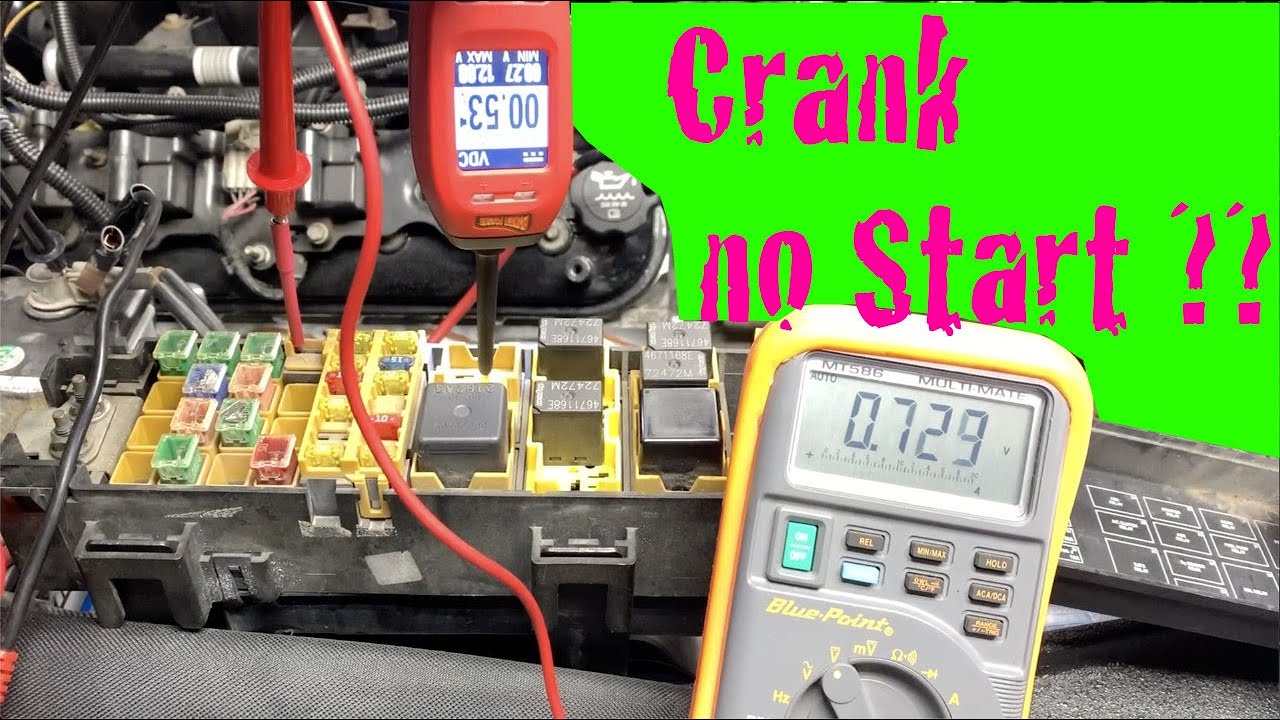
If the vehicle’s computer (called the PCM or ECU) detects a serious problem, it uses the ASD relay and fuse to quickly cut power to these systems. This helps prevent engine damage or unsafe driving situations.
In simple terms, the ASD fuse is like a security guard for your Jeep’s engine.
Where Is The Asd Fuse Located In A Jeep?
In most Jeep models, the ASD fuse is found in the fuse box under the hood. The exact location depends on the model and year of your Jeep. Common models like the Jeep Grand Cherokee, Jeep Wrangler, and Jeep Cherokee all use an ASD fuse.
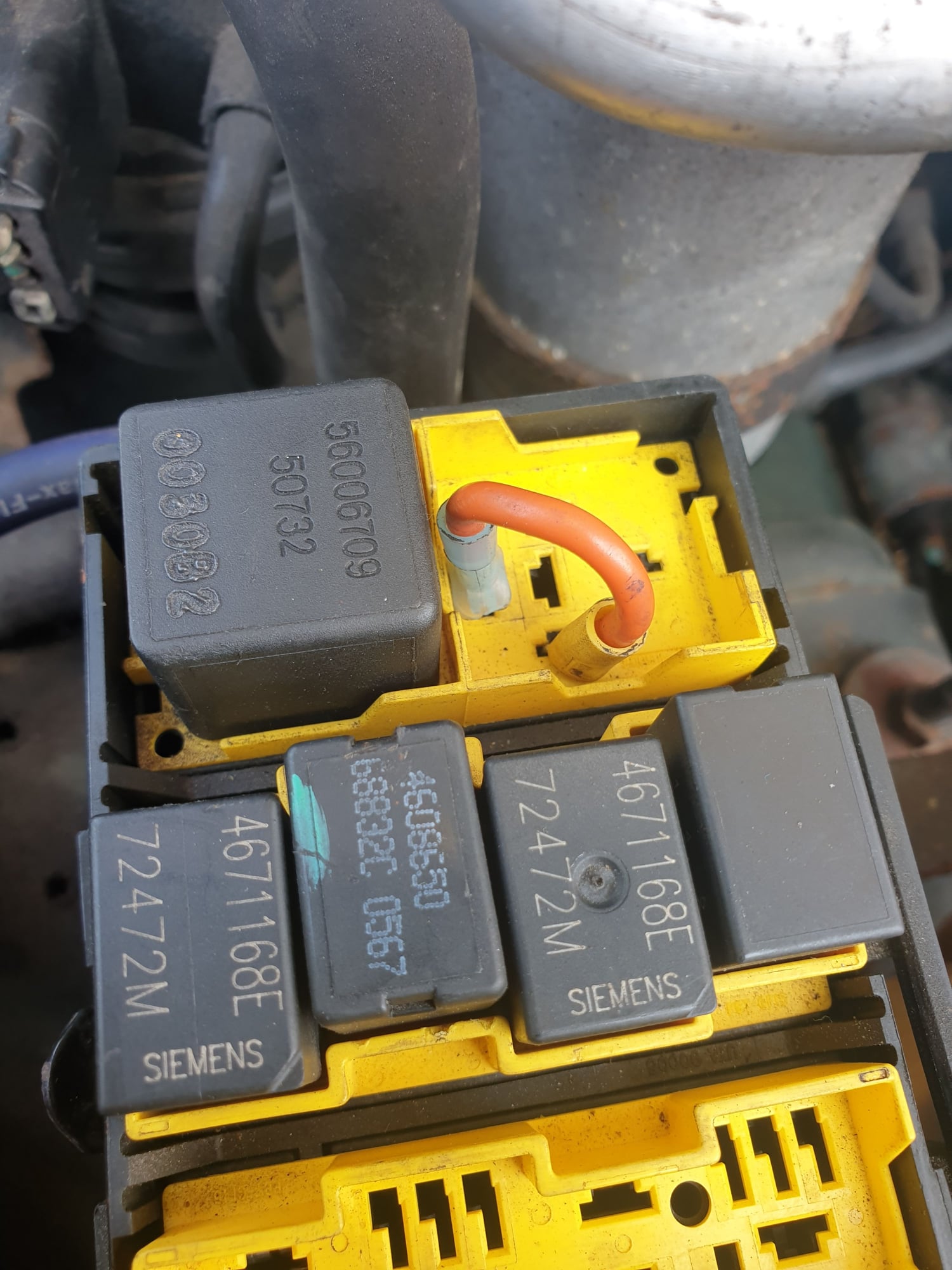
Usually, you’ll find a diagram on the underside of the fuse box cover showing the position and labeling of each fuse. The ASD fuse is often marked clearly, but sometimes it’s labeled as “ASD Relay” or “Auto Shutdown. ”
Example: Jeep Grand Cherokee Fuse Box
Here’s a simple comparison of ASD fuse locations in popular Jeep models:
| Jeep Model | Year Range | ASD Fuse Location |
|---|---|---|
| Grand Cherokee | 1996–2010 | Power Distribution Center (engine bay) |
| Wrangler TJ | 1997–2006 | Fuse Box (engine bay) |
| Cherokee XJ | 1997–2001 | Fuse Box (engine bay) |
Always check your vehicle’s manual if you’re unsure about the location.
What Does The Asd Fuse Control?
The ASD fuse is directly connected to systems that are critical for the engine to run. When the ASD relay is activated, power from the fuse flows to these parts:
- Fuel injectors
- Ignition coils
- Fuel pump (in some models)
- Oxygen sensors (in some models)
If the ASD fuse blows or the relay fails, your Jeep will not start, or it might stall right after starting. This is a safety feature to prevent further damage if a serious fault is detected.
Key Functions Comparison
To help you understand, here’s a table comparing what the ASD fuse controls versus a regular fuse in your Jeep:
| Fuse Type | Main Function | What It Controls |
|---|---|---|
| ASD Fuse | Engine safety shutdown | Injectors, ignition, fuel pump |
| Headlight Fuse | Lighting circuit | Headlights only |
| Radio Fuse | Accessory power | Radio only |
Common Signs Of Asd Fuse Problems
ASD fuse issues can mimic other engine problems, making diagnosis tricky. Here are the most frequent signs:
- Engine cranks but won’t start — The starter motor works, but the engine does not fire.
- Sudden engine stall — The engine dies while driving or idling, sometimes without warning.
- No fuel pump sound — When you turn the key, you don’t hear the usual fuel pump noise.
- No spark at the plugs — With the ASD fuse blown, the ignition system loses power.
- Check engine light — Sometimes, the PCM logs a code related to ASD relay or circuit failure.
A less obvious insight: Sometimes, a bad ground connection or a corroded relay pin can cause ASD fuse-related symptoms, even if the fuse itself is fine.
How To Diagnose Asd Fuse Issues
If you suspect the ASD fuse is causing trouble, follow these steps:
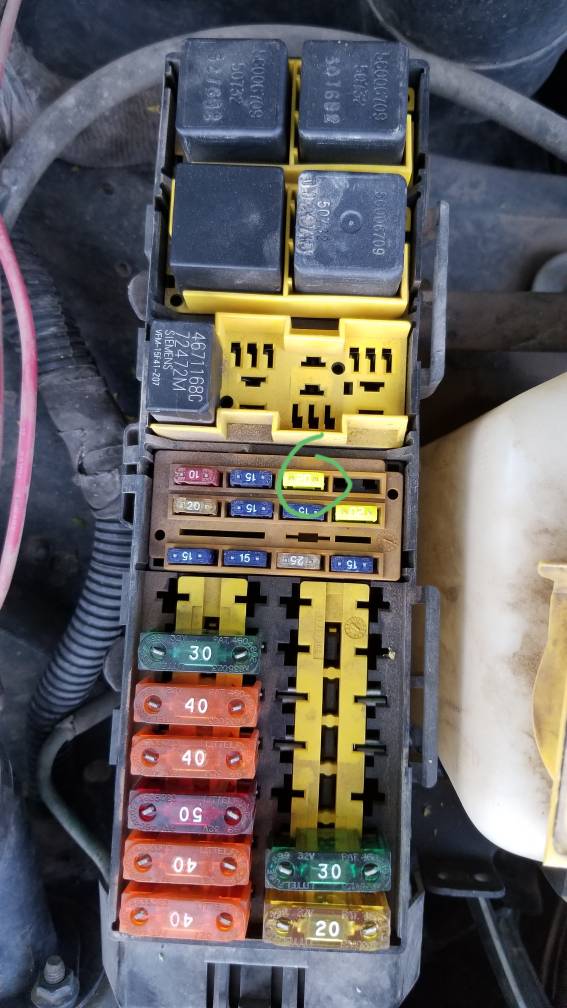
- Check the fuse — Remove the ASD fuse and inspect the metal strip inside. If it’s broken, replace it with one of the same rating.
- Test the ASD relay — Swap the ASD relay with another identical relay in the fuse box (like the horn relay) to see if the problem changes.
- Inspect wiring and connectors — Look for damaged wires, burned connectors, or corrosion around the fuse and relay.
- Scan for codes — Use an OBD-II scanner to check for fault codes related to the ASD circuit. Common codes are P1388 or P0685.
- Listen for the fuel pump — With the key in “On,” listen for the pump. If silent, the ASD circuit may be open.
A common beginner mistake is replacing the fuse without checking why it blew. Often, a deeper electrical problem needs fixing.
Can You Drive Without An Asd Fuse?
No, you cannot drive your Jeep without the ASD fuse. Removing or bypassing it cuts power to important engine systems, so the vehicle won’t run. More importantly, bypassing the ASD circuit is unsafe and can lead to engine or electrical damage.
If your Jeep keeps blowing the ASD fuse, don’t ignore it. There’s usually an underlying issue, such as:
- Shorted wiring
- Failed fuel injector
- Bad ignition coil
- Faulty PCM
Ignoring these can turn a small repair into a much bigger problem.
How To Replace An Asd Fuse
Replacing the ASD fuse is simple, but you must use the correct fuse rating (usually 20 or 30 amps, depending on your model).
- Turn off the ignition and disconnect the battery for safety.
- Open the fuse box and locate the ASD fuse using the diagram.
- Pull out the faulty fuse with a fuse puller or needle-nose pliers.
- Insert a new fuse of the same amperage.
- Reconnect the battery and test the vehicle.
Never use a fuse with a higher rating than recommended. This can damage your vehicle’s wiring or electronics.
Real-world Example
A Jeep Wrangler owner reported that his engine would start and then immediately die. After basic checks, he found the ASD fuse kept blowing.
The real cause was a shorted wire to the oxygen sensor, which was hard to spot without careful inspection.
This example shows why it’s important to look beyond the fuse itself when troubleshooting.
Frequently Asked Questions
What Does Asd Stand For In Jeep?
ASD stands for Automatic Shutdown. It refers to a safety system in Jeeps that cuts power to the engine and fuel systems if a major problem is detected.
How Do I Know If My Asd Fuse Is Blown?
Typical signs include the engine cranking but not starting, no fuel pump sound, and no spark at the plugs. Checking the fuse visually is the best way to confirm.
Can I Bypass The Asd Fuse If My Jeep Won’t Start?
It is not recommended to bypass the ASD fuse. Doing so can risk engine damage and create unsafe driving conditions.
What Causes The Asd Fuse To Blow?
Most often, the ASD fuse blows due to a short circuit, faulty relay, bad wiring, or a failed engine component like an injector or coil.
Where Can I Find More Details About Jeep Fuses?
You can find detailed fuse diagrams and information on the official Jeep Owner’s Manual website.
Understanding the ASD fuse in your Jeep helps you avoid unnecessary repairs and keeps your vehicle reliable. If you notice problems, always address them quickly, and don’t hesitate to seek professional help if you’re unsure.
Taking care of this small part can make a big difference in your Jeep’s performance and safety.