The Jeep Wagoneer has a unique history that stretches over decades. It’s a name that brings nostalgia for rugged adventure and luxury combined.
Many people still ask, “When was the last Jeep Wagoneer made? ” The answer isn’t as simple as picking a year.
There were different generations, model changes, and even a surprising comeback. Let’s explore how the Wagoneer evolved, when its original production ended, and why it remains so memorable.
Jeep Wagoneer: The Early Years
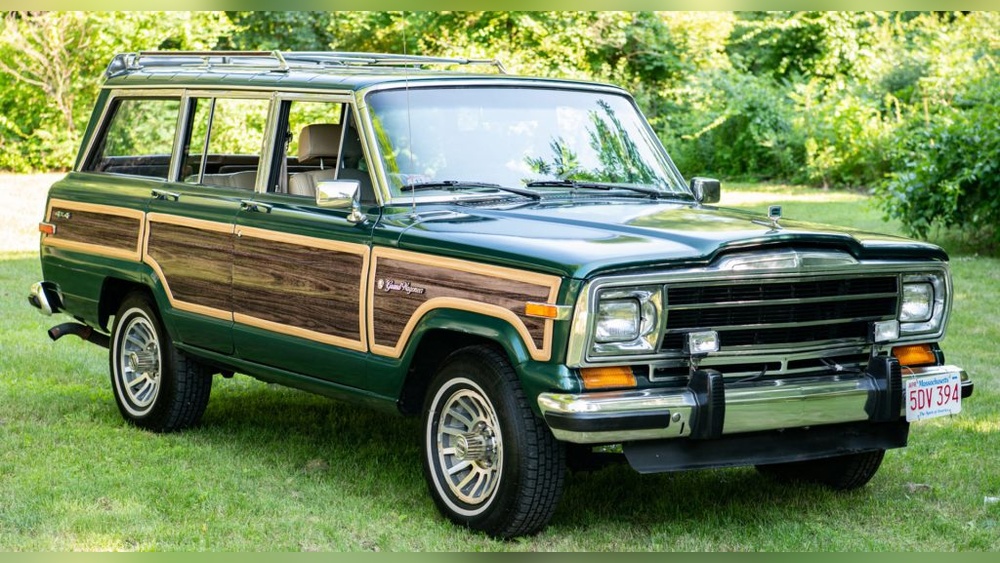
The original Jeep Wagoneer made its debut in 1963. It was designed by Brooks Stevens and was quite different from other SUVs at the time. The Wagoneer mixed off-road ability with comfort, something rare back then. Over the years, it gained a loyal following, especially among families and outdoor lovers.
Throughout the 1960s, the Wagoneer was updated with new engines and features. By the 1970s, it was known for its woodgrain paneling and spacious interior. These details became its trademark, making it stand out in the growing SUV market.
Final Model Years: When Production Ended
People often wonder about the last year the classic Wagoneer rolled off the assembly line. The last Jeep Grand Wagoneer was made in 1991. This marked the end of an era for the original model, which had been in continuous production for almost three decades.
To clarify, here’s how the model years looked toward the end:
| Model Year | Production Details | Key Features |
|---|---|---|
| 1989 | Full production | Woodgrain paneling, V8 engine |
| 1990 | Limited numbers | Luxury trim, modernized grille |
| 1991 | Final year | Collector edition, fewer units made |
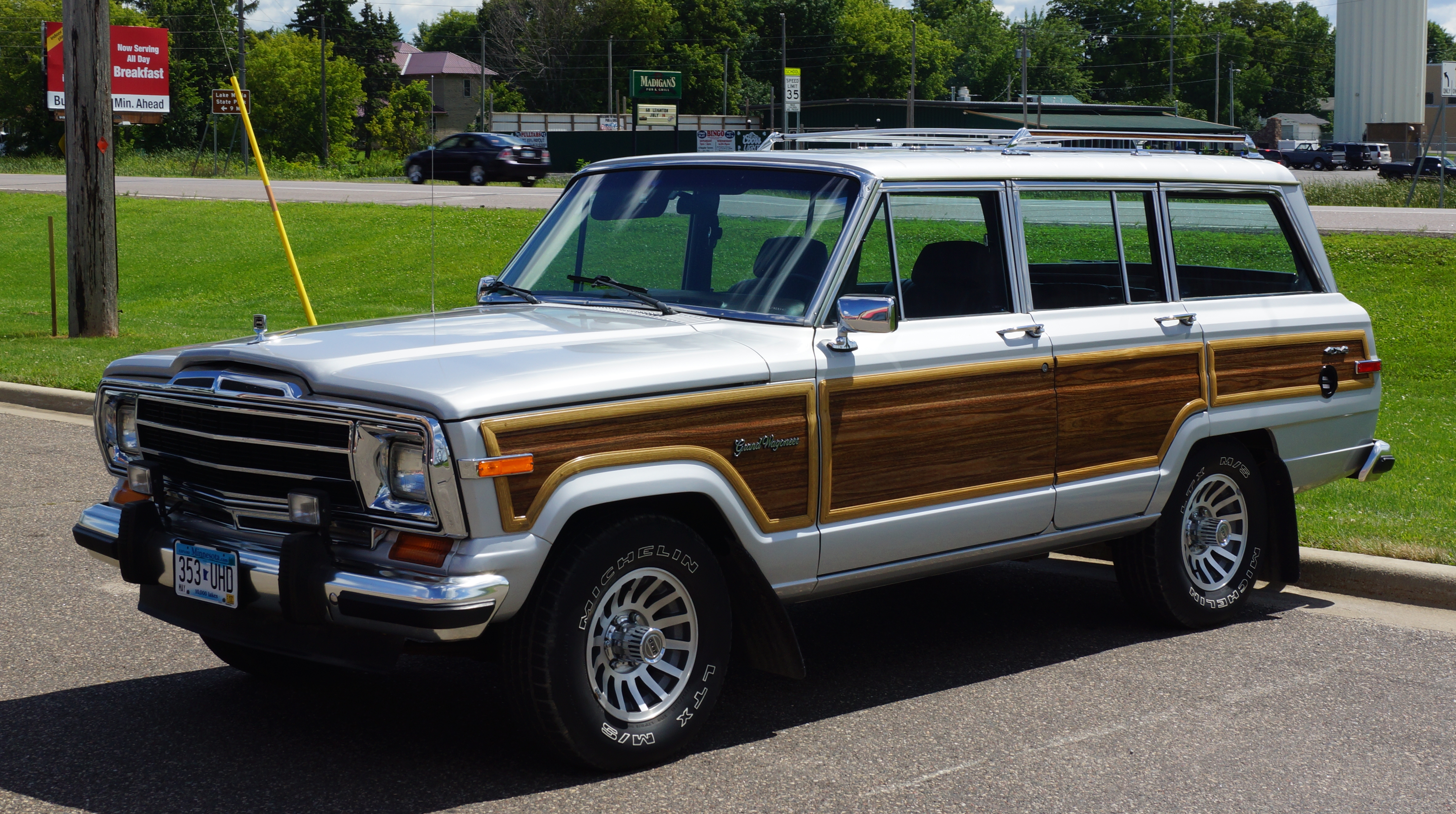
The 1991 Grand Wagoneer was special. Jeep built only about 1,560 units that year. These models are highly valued today, especially by collectors. The main reason production stopped was changing consumer tastes and stricter regulations. Chrysler, which owned Jeep, decided to move focus to newer models.
Wagoneer Vs. Grand Wagoneer: Key Differences
Not everyone knows that there were two main types: the Wagoneer and the Grand Wagoneer. The Grand Wagoneer was introduced in 1984 as a more luxurious version.
| Feature | Wagoneer | Grand Wagoneer |
|---|---|---|
| Trim | Basic | Premium, woodgrain panels |
| Engine | Varied (I6, V8) | Standard V8 |
| Interior | Standard | Leather, power options |
| Production End | 1983 | 1991 |
A common mistake is confusing the last Wagoneer with the last Grand Wagoneer. The original Wagoneer name disappeared after 1983, while the Grand Wagoneer carried on until 1991.
The Wagoneer’s Comeback
After 1991, Jeep didn’t use the Wagoneer name for many years. The brand focused on other models like the Cherokee and Grand Cherokee. However, interest in classic SUVs grew again in the 2010s. Many fans wanted a new Wagoneer, but Jeep waited until 2021 to announce its return.
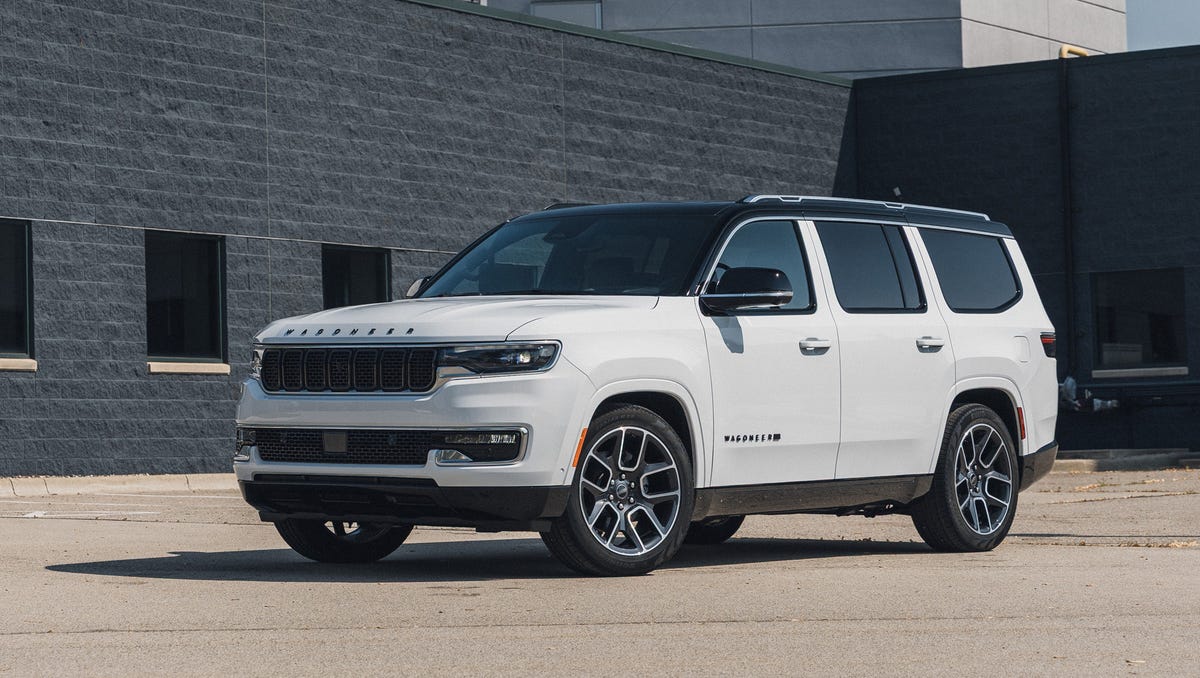
In 2022, Jeep launched a new Wagoneer and Grand Wagoneer. These modern versions are much larger, packed with technology, and aim for the luxury SUV market.
| Year | Model | Main Features |
|---|---|---|
| 1991 | Grand Wagoneer | Classic styling, V8, woodgrain |
| 2022 | Wagoneer/Grand Wagoneer | Modern tech, large size, luxury |
These new models are not direct copies of the originals. They are built on a different platform, with modern engines and safety features.
Still, the spirit of the Wagoneer lives on.
Why The Last Wagoneer Still Matters
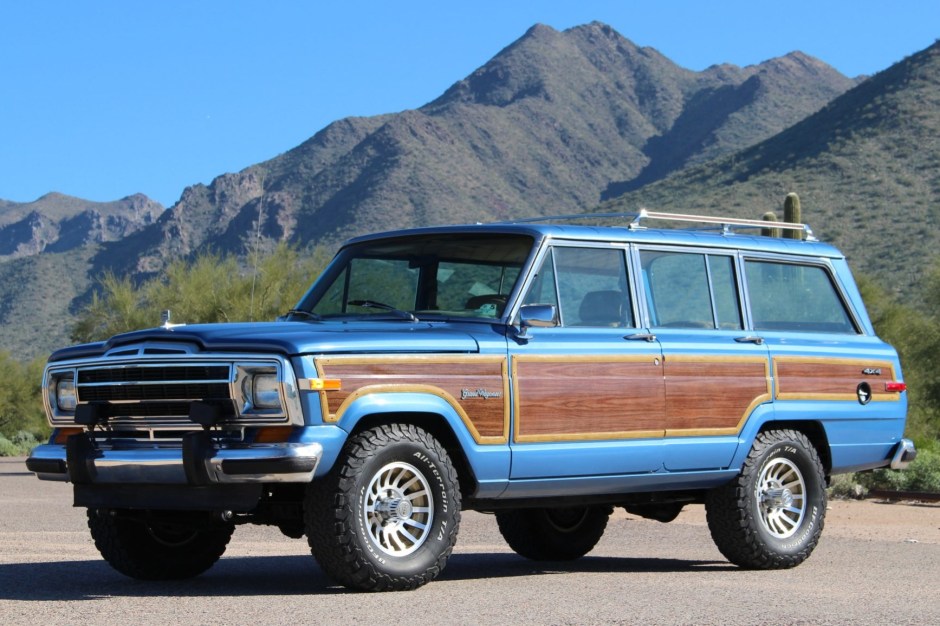
The last Jeep Wagoneer built in 1991 has a special place in automotive history. It was one of the first SUVs that mixed comfort with rugged capability. Today, these vintage Wagoneers are highly sought after.
Some reasons why the last Wagoneer matters:
- It marked the end of a long production run.
- It influenced modern SUVs by blending luxury and utility.
- Collectors prize the 1991 models for their rarity and classic design.
- Its woodgrain panels and boxy shape became iconic.
Many people don’t realize that the Wagoneer was one of the earliest vehicles to offer features like power windows, leather seats, and cruise control in an SUV. These details paved the way for today’s luxury 4x4s.
Common Mistakes When Researching Wagoneer History
A few things often confuse beginners:
- Mixing up the last Wagoneer (1983) with the Grand Wagoneer (1991)
- Thinking the Wagoneer was always available, when it actually disappeared for decades
- Believing all wood-paneled Jeeps are Wagoneers, when some were Cherokees or other models
The best way to check accurate history is by using trusted sources. For more in-depth details, you can visit the Jeep Wagoneer Wikipedia page.
Frequently Asked Questions
When Did The Original Jeep Wagoneer End Production?
The original Wagoneer ended in 1983. After that, the Grand Wagoneer carried on until 1991.
How Many 1991 Grand Wagoneers Were Produced?
Only about 1,560 units of the 1991 Grand Wagoneer were made, making it a rare collector item.
Did The Wagoneer Return After 1991?
Yes. Jeep brought back the Wagoneer name in 2022 as a modern, luxury SUV.
What Made The Grand Wagoneer Different From The Regular Wagoneer?
The Grand Wagoneer had luxury features like leather seats, power windows, and woodgrain trim. It was more upscale compared to the basic Wagoneer.
Are Old Wagoneers Good For Off-roading?
Yes, the classic Wagoneers are known for their strong 4×4 systems and durable build. Many are still used for off-road adventures.
The Jeep Wagoneer story is not just about dates and models. It’s about a vehicle that changed how people view SUVs, blending comfort and adventure.
The last Wagoneer made in 1991 remains a symbol of this legacy, and its spirit continues with the new models today.